
Managing Biological Strain And Processing Limits In Leadership Seats
Executive processing collapses when uncompiled operational loops exceed working memory slots, forcing biological throttling that mimics affective failure.

Wear

Biological Baselines Under Continuous Regulatory Demand
Midnight arrives with four unfinished conversations glowing on an illuminated screen while the body sits completely still. Pulse rate remains ten beats above resting baseline, digestion halts, and peripheral blood vessels constrict as systemic vascular resistance climbs. The physiological architecture of an executive seat operates through continuous neuroendocrine activation rather than acute physical exertion.
Cortisol secretion flattens into an elevated diurnal curve, blunting morning peaks while elevating midnight nadirs. The adrenal cortex produces sustained glucocorticoid volume that alters cellular glucose transport across the prefrontal cortex, slowing down retrieval operations while motor circuits remain hypervigilant. Biological strain accumulates through this uninterrupted allostatic accommodation, wearing cardiovascular elasticity and impairing slow-wave sleep cycles.
When chronic demand outpaces cellular restoration, cellular transcription pathways alter cytokine expression, elevating systemic inflammation markers including high-sensitivity C-reactive protein. Metabolic resources divert away from tissue maintenance toward immediate vigilance. Executive operators misread this state as subjective fatigue or acute distraction, attempting to override biological signals with caffeine or supplemental stimulants.
That intervention drives sympathetic drive higher, forcing peripheral arterial vasoconstriction and compounding tissue hypoxia. The physical seat becomes an apparatus of sustained strain where the autonomic nervous system stays trapped in an unyielding adrenergic phase.
Systemic vascular resistance climbs when continuous vigilance denies the nervous system its scheduled nocturnal adrenergic clearance.

Throttling Versus Affective Breakdown
A central confusion in executive evaluation conflates system throttling with depressive withdrawal. Throttling is an adaptive protective ceiling imposed by neural circuits to preserve central organ survival under resource depletion. In a throttled state, motor capacity and emotional valence remain structurally intact, yet the neural gating mechanism drops non-vital operations.
The operator completes scheduled contractual signatures, meets payroll obligations, and executes rote operational oversight, while deliberate exploratory strategy stops. Novel conceptual synthesis demands excessive energetic currency, so the anterior cingulate cortex denies authorization for elective cognitive tasks.
Clinical depression presents generalized affective blunting, marked anhedonia across both occupational and personal domains, and persistent negative self-referential cognition. Throttling displays immediate behavioral reversal when external demand ceases: remove an open operational crisis, and executive processing speed recovers within hours. Conflating throttling with an affective disorder results in psychiatric framing that leaves operational load structures untouched.
Misdiagnosed operators attempt therapeutic introspection while running fifteen active counterparty disputes, aggravating systemic wear.
Ignoring this physiological limit produces vascular stiffness, neuroendocrine resistance, and sudden involuntary cognitive blackout during high-stakes deliberation.

Count

The Structural Mathematics of Concurrency
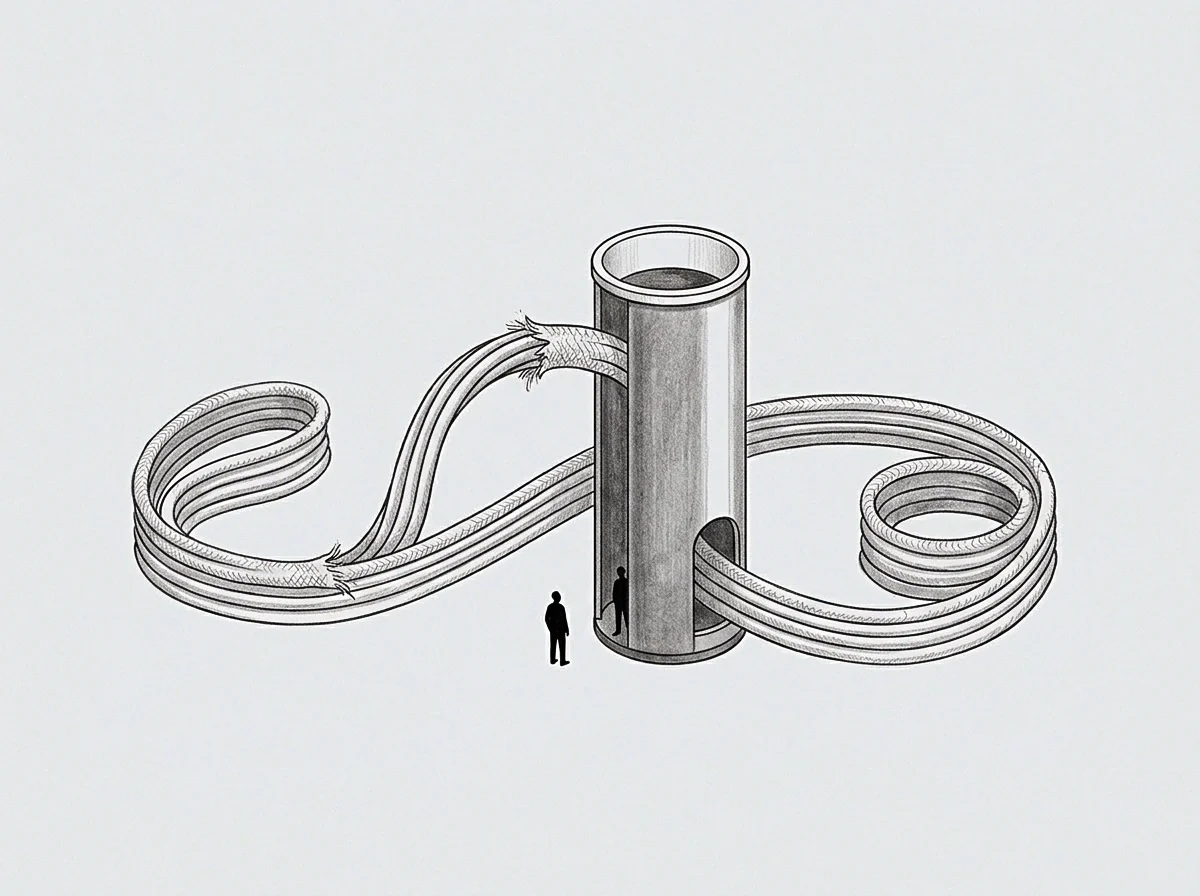
Working memory maintains a strict ceiling on simultaneously active processing channels. Human cognitive architecture manages roughly four uncompiled operational items at once before processing integrity deteriorates. In leadership seats, these items take the form of open operational loops.
Each loop demands background surveillance to track latency, anticipated counterparty behavior, and contingency triggers. An uncompiled loop occupies a discrete cognitive slot regardless of whether active labor occurs at a given second. Holding eight open loops halves the processing bandwidth allocated to immediate conversational analysis, leading to missed conversational micro-cues and delayed synthesis.
The total number of nominal corporate initiatives rarely correlates with processing strain. A founder managing twenty initiatives with explicit scopes, deterministic deadlines, and unilateral operating authority experiences negligible background surveillance cost. A founder holding three ambiguous counterparty disputes without scheduled resolution dates suffers severe processing fragmentation.
The cognitive slot belongs to the uncertainty of the resolution terms rather than the commercial scale of the transaction. The background loop continuously queries working memory for safety signals, burning glucose and elevating basal adrenergic tone.
| Thread State | Biological Strain Profile | Slot Consumption | Interruption Latency | Retrieval Overhead |
|---|---|---|---|---|
| Ungated Thread | Continuous adrenergic vigilance with elevated basal cortisol | Full active slot | Zero seconds with instantaneous involuntary intrusion | Zero overhead because state remains loaded in working memory |
| Parked Thread | Transient baseline arousal during scheduled calendar reviews | Inert storage without active slot consumption | Bound to designated calendar or event triggers | Low overhead using external structured notes |
| Delegated Loop | Minimal autonomic activation contingent on counterparty reliability | Fractional slot reserved for milestone receipt | Filtered through explicit reporting cycles | Moderate overhead requiring brief contextual verification |
| Terminated Thread | Complete sympathetic de-escalation and vagal restoration | Zero slot utilization | Nonexistent absent external renegotiation attempts | High overhead demanding complete reconstruction of historical variables |
Worked Scenario on Loop Saturation
Assume an executive officer managing a venture-backed infrastructure firm maintains five active executive lines. Line one involves a co-founder equity disagreement lacking written mediation terms. Line two covers an uncommitted customer contract expiring in forty-eight hours.
Line three tracks an unannounced regulatory inquiry into platform licensing. Line four involves an underperforming engineering director without an established performance milestone. Line five oversees normal product release engineering.
Four of these five lines are ungated loops. They contain ambiguous closure criteria and undefined settlement times. Each morning, the executive checks electronic communication channels for signals on lines one through four before touching deliberate work.
By eleven in the morning, prefrontal resources run dry from continuous state switching. The executive misattributes the resulting cognitive paralysis to a failure of personal drive. Line one through four occupied all available concurrency slots, leaving zero working memory for strategic planning.
The fifth line, which holds the greatest enterprise value, receives only residual, fragmented attention.
An uncompiled operational loop consumes an active processing slot regardless of whether manual effort occurs during that working hour.
A loop left without explicit bounds consumes every residual cognitive cycle until external forces terminate the uncertainty.

Sump
Where Does Relational Buffering Break Down?
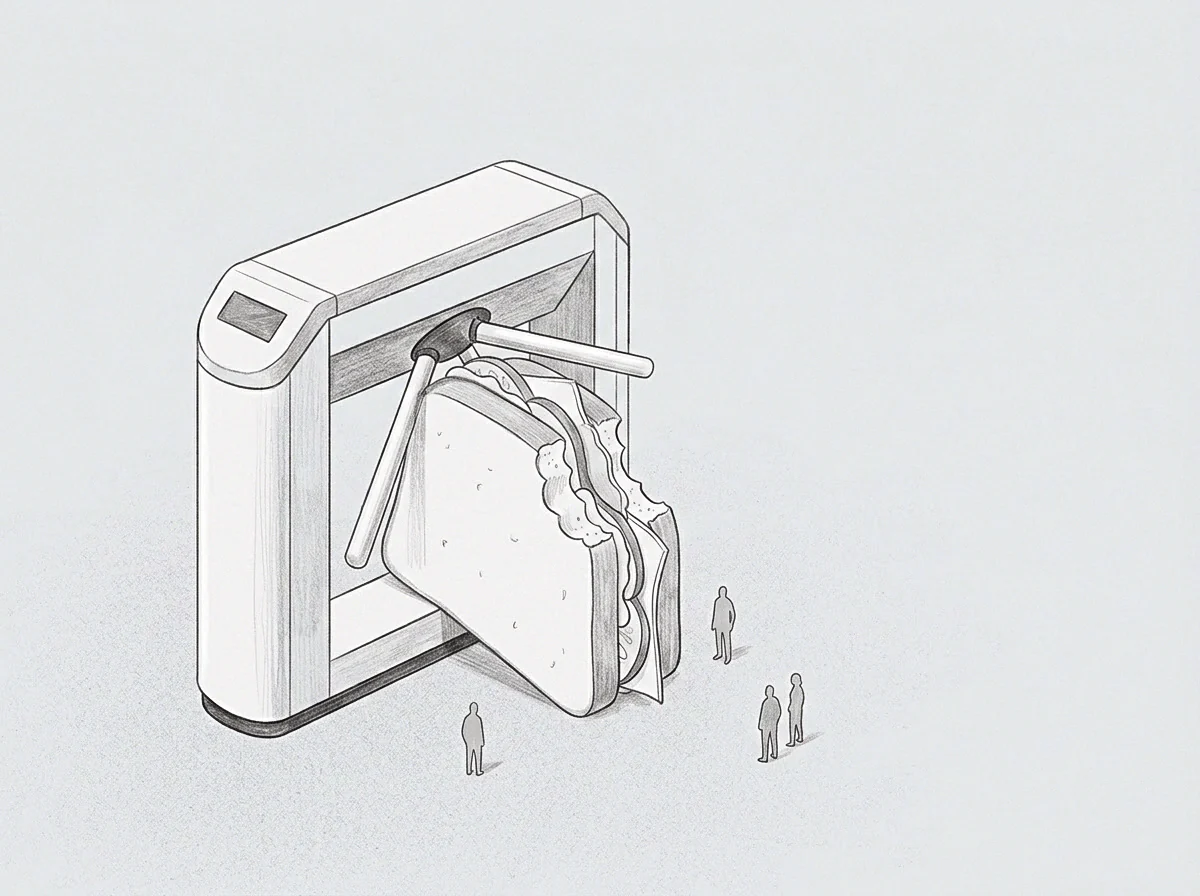
Leadership seats function as social regulatory sumps for the operating hierarchy. Subordinates, co-owners, and external capital partners routinely discharge unresolved anxiety and ambiguous liabilities upward into the primary chair. Social baseline theory establishes that individual nervous systems economize metabolic expenditure by offloading threat detection and emotional equilibrium onto trusted structural authorities.
When the person in the leadership seat displays outward composure, counterparties lower their own metabolic expenditure, conserving physiological resources. The executive absorbs that transferred tension, paying for social cohesion with direct biological strain.
Relational buffering functions adequately when the central authority retains excess metabolic capacity and reliable external support channels. When that leader already operates at personal biological ceiling, incoming organizational anxiety cannot be metabolically neutralized. The incoming demands simply stack atop saturated neuroendocrine circuits.
The operator absorbs organizational panic, processes unstructured complaints, and mirrors confidence to external witnesses while internal physiological variables head toward complete decompensation. The seat becomes a biological heat sink absorbing unmanaged organizational friction.
The Mechanics of Vicarious Regulation
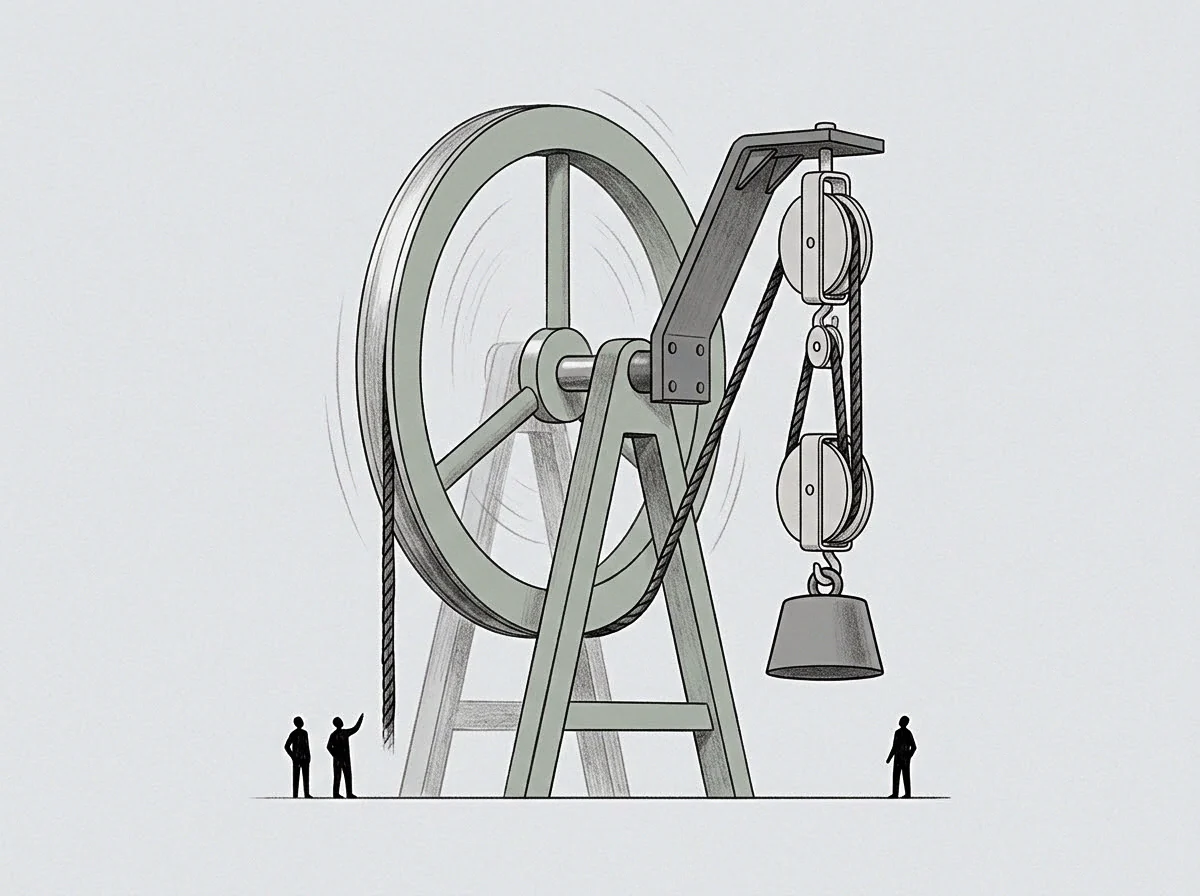
Transferred regulatory strain follows distinct operational conduits across the corporate hierarchy:
- Unfiltered Escalation Vectors deliver raw counterparty distress straight to the executive chair without intermediate structural dampening, forcing instant autonomic realignment.
- Covert Contract Negotiations force the central leader to decipher unspoken interpersonal claims, consuming high-order inference capacity during commercial deliberation.
- Asymmetric Assurance Demands compel the central operator to furnish certainty to anxious capital partners while operating under severe operational ambiguity.
- Diffused Accountability Traps siphon operational bandwidth as subordinates wait for authoritative permission on elementary tactical steps rather than acting autonomously.
The corporate counterparty views this asymmetric biological transaction as the fundamental service bought by executive compensation, saying that holding systemic fear is simply what leadership requires.

Gate
Structural Interventions for Concurrency Reduction
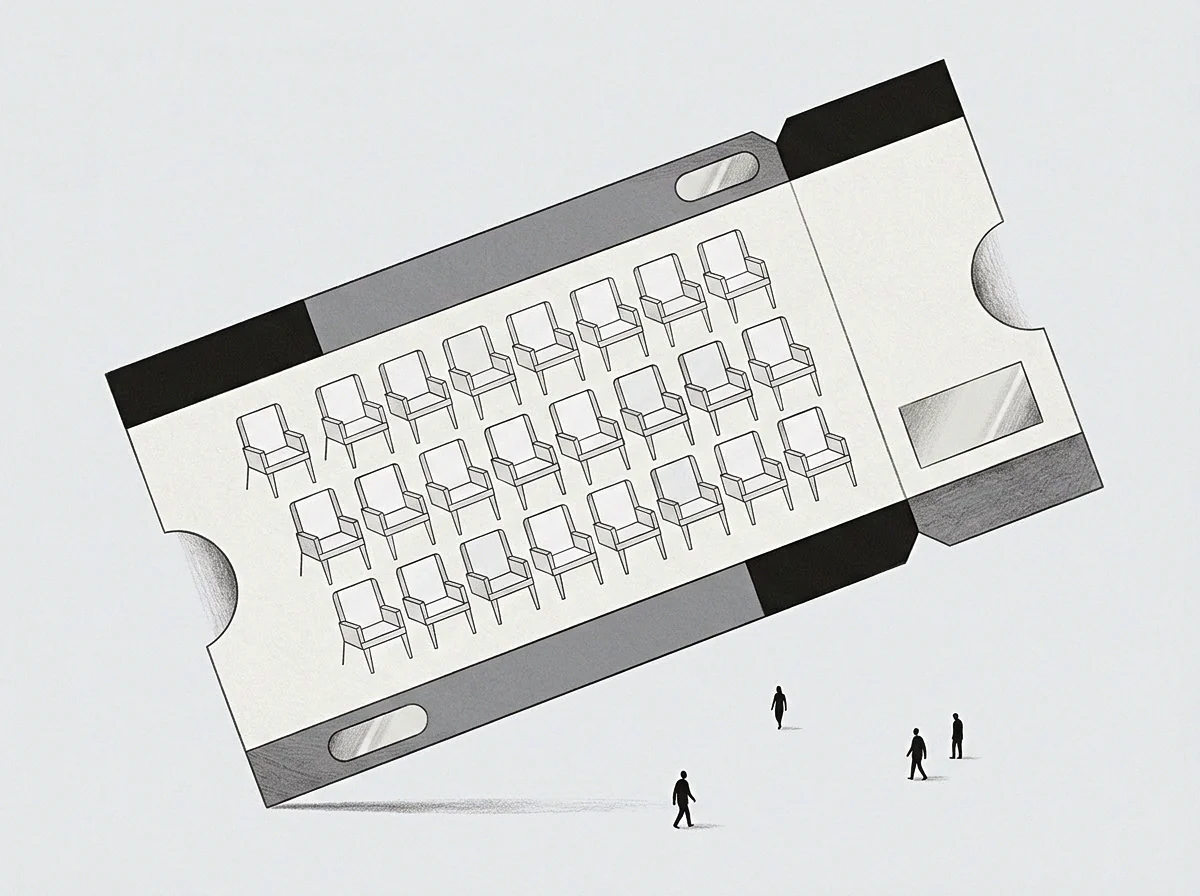
Biological resilience cannot be expanded through motivational intention. It requires the systematic reduction of active processing loops via structural gates. A gate converts an ungated thread from an active background surveillance state into an inert reference state.
The prefrontal cortex ceases vigilance when an operational contingency has an assigned calendar trigger, unambiguous closure terms, and deterministic dispute protocols. Gating removes the uncertainty that fuels autonomic arousal, returning the working memory slot to real-time strategic execution.
Gating mechanisms operate through three non-negotiable vectors:
- Explicit Temporal Anchoring places review events on explicit calendar dates, silencing intrusive retrieval routines between checkpoints.
- Deterministic Settlement Clauses establish clear binary conditions under which negotiations cease, eliminating open-ended hypothetical planning.
- Unilateral Authority Boundaries define the operational limits wherein subordinates execute actions without seeking preliminary executive reassurance.
Restricting processing threads to explicit operational dates instantly lowers sympathetic tone and restores prefrontal working capacity.
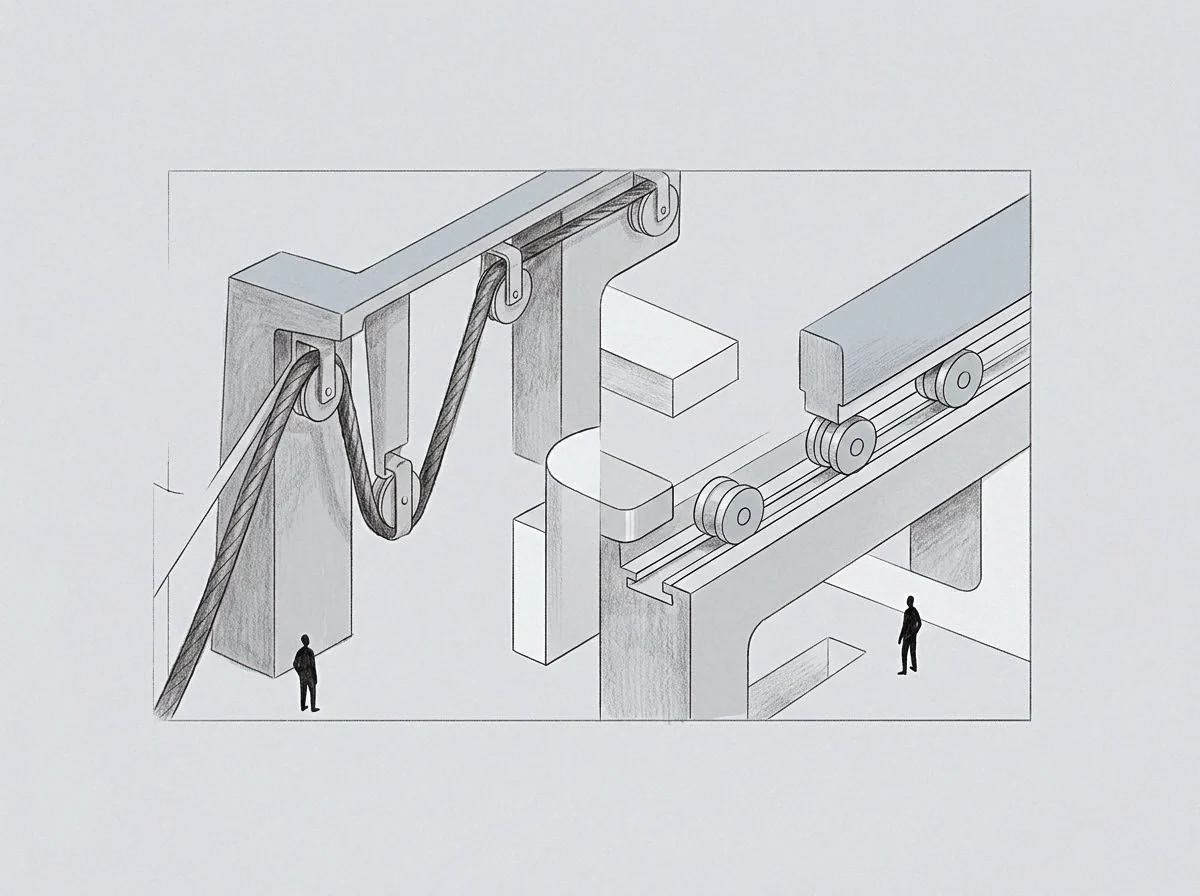
The Disciplined Architecture of Inactivity
Parking an initiative demands complete removal from immediate sensory environments. An executive maintains an external register recording the suspended matter, the precise condition required for reactivation, and the exact date of next review. Until that triggering threshold passes, the matter receives zero mental simulation.
If a counterparty contacts the operator ahead of the milestone, communication templates defer engagement until the agreed evaluation window.
This discipline forces counterparties to resolve their own localized tactical distress rather than relying on executive intervention. The organization develops distributed regulatory competence as secondary managers learn to carry operational tension locally. The central operator stops functioning as an emotional clearinghouse and begins operating as an analytical governor.
This transition drops systemic biological strain across the leadership core, stabilizing cardiac rhythms and restoring restorative sleep architecture.
A written agreement specifying mutual closure conditions shifts an agonizing open loop into a passive record, preserving biological capacity for unpredictable disruptions.
Margin

Preserving Autonomic Headroom in Volatile Seats
Sustained commercial execution demands persistent unallocated biological reserve. That reserve constitutes operational margin. When an operator runs all cognitive processors at maximum throughput during standard operations, any exogenous shock triggers cognitive failure or physical collapse.
Exogenous shocks arrive reliably: counterparties breach agreements, key personnel resign, debt covenants face sudden compliance tests, and platform infrastructure experiences catastrophic failure. Absorbing an operational crisis requires surplus autonomic capacity, accessible working memory slots, and the biological headroom to tolerate acute adrenaline spikes without systemic decompensation.
Maintaining headroom forces the active refusal of secondary commercial opportunities. Operating below absolute theoretical capacity protects the firm against the ruinous decisions produced by an exhausted, throttled prefrontal cortex. Leaders operating without biological margin lose situational discernment, default to defensive tactical retrenchment, and alienate indispensable team members through reactive behavioral outbursts.
The discipline of margin requires structuring the operating week to hold unoccupied cognitive space, allowing neuroendocrine recovery cycles to clear systemic allostatic wear.
Whether an executive seat can maintain structural headroom while capital markets incentivize maximum continuous exploitation remains an unresolved paradox of modern enterprise design.