
Autonomic Recovery After Extended Solitary Leadership Under Strain
Autonomic recovery requires replacing solitary metabolic threat vigilance with repeated non-demanding physical co-regulation to restore parasympathetic tone.
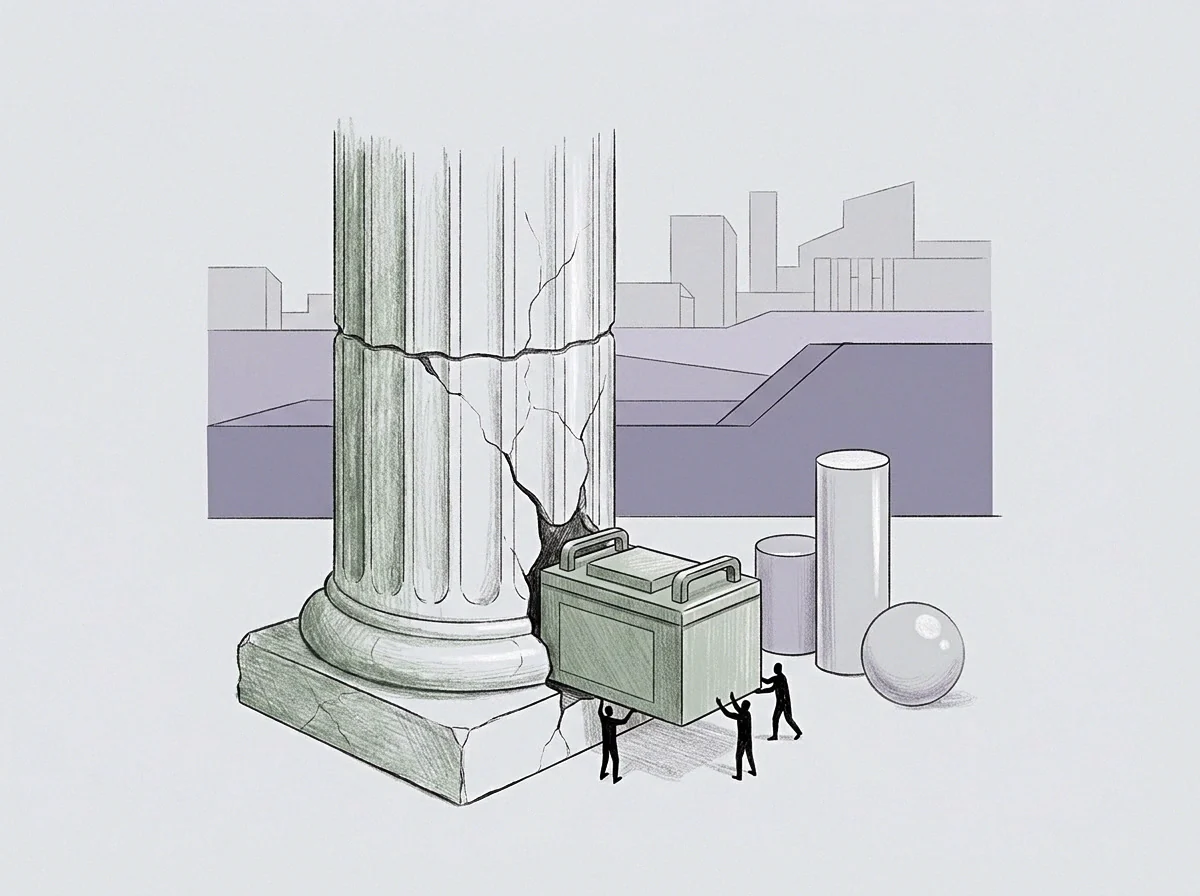
Load
At midnight, four communication channels stay open on a secondary monitor in an empty building. The operator sits at the desk, reading server alerts, investor updates, and operational questions sent hours earlier by department leads who have long since clocked out. Heart rate sits steady at ninety beats per minute without any physical movement.
The body mobilizes glucose, restricts peripheral blood flow, and stalls digestion for an immediate crisis that never takes physical form. Carrying unilateral command keeps this metabolic state running across quarter after quarter. Physiology treats sole accountability as an ongoing environmental threat.
Under social baseline theory, the human nervous system budgets metabolic resources on the assumption that vigilance is shared. Operating alongside dependable peers who divide the work of observation lets the brain conserve energy by dialing down neural threat circuits. Strip away that social buffer, and the solitary leader must finance every calculation, forecast, and risk assessment alone.
The prefrontal cortex sustains executive control without any metabolic discount from companionship. Sole accountability becomes a steady biological drain.
The nervous system consumes metabolic reserves at double the baseline rate when an individual bears environmental accountability without distributed vigilance.
Allostatic load builds under unbroken solitary vigilance. In standard conditions, the sympathetic nervous system rallies for an acute demand and then yields to the parasympathetic brake through the vagus nerve. Extended command under strain interrupts that rhythm.
The hypothalamic-pituitary-adrenal axis secretes cortisol without a drop, flattening the diurnal curve. Blood pressure stays elevated through sleep cycles, and heart rate variability flattens into a rigid, low-entropy baseline until the autonomic system loses the physical ability to downregulate.
That sustained sympathetic dominance reshapes central nervous system architecture. High circulating glucocorticoids alter hippocampal structure while driving hypertrophy in the basolateral amygdala. For the operator, the shift registers as an inability to disengage from high alert.
Silence, scheduled rest, and operational pauses are read as tactical exposure. Without an unbuffered peer presence, the biological response locks into defense.
Holding solitary containment without downregulating the threat response erodes cardiovascular elasticity and drives neuroendocrine exhaustion across subsequent operational cycles.
Room
Unilateral Regulation and the Missing Receptor
Walking into the executive office involves an immediate metabolic asymmetry. Team members gather around the mahogany conference table, watching the founder’s posture, tone, and facial cadence for signs of organizational stability. The leader maintains a flat emotional baseline, steadying the room through conscious restraint.
The staff take in that composure and walk out carrying less personal strain, while the executive remains at the table, absorbing the collective tension of twelve subordinates without a counterweight.
Human nervous systems synchronize with a steady presence nearby. When an operator shows unbroken equanimity under financial or operational pressure, colleagues lean on that presence to cut their own regulatory effort. The leader becomes an autonomic anchor.
Supplying calm to an organization means absorbing relational friction without passing it along; the executive stabilizes the system while giving up any personal access to external soothing.
A steady presence in an operational crisis absorbs the collective disturbance of the room and pays for the resulting equilibrium alone.
That arrangement introduces a structural deficit into the provider’s relational template. Developmentally, self-regulation takes root through repeated experiences of being held, soothed, and paced by a responsive caregiver. When an individual takes on early or prolonged responsibility for steadying others, that sequence flips.
The operator forms an internal model of the self as the only responsive party. The behavioral repertoire holds extensive programs for absorbing the panic of others, yet lacks a functional receptor slot for receiving care.
The Structural Invisibility of Downward Flow
Borrowed regulation operates quietly in everyday corporate business. Subordinates mistake their emerging confidence for personal resilience, unaware that sitting ten feet from the executive lowered their amygdala activation. The provider receives no relational return for that biological outlay.
The company takes the founder’s steady demeanor as proof of endless emotional stamina, and composure under pressure simply draws in more unresolved problems.
- Unilateral buffering occurs when the leader absorbs organizational panic without transmitting emotional volatility back to the team.
- Attunement asymmetry manifests when the executive tracks the autonomic states of eight managers while no person monitors the executive.
- Compulsive self-containment develops as an automatic somatic suppression of personal exhaustion to maintain commercial stability.
The provider ends up physically isolated inside crowded suites. Partners and longtime friends often treat the founder as similarly unshakeable, seeking guidance rather than offering physiological rest. On the rare occasion someone offers unconditional support, the operator’s nervous system meets it with skepticism.
The gesture does not register as relief; physiology treats it as another demand to manage.
The organization runs smoothly because the leader never looks tired, which is taken as proof that the pace remains sustainable for everyone.

Armor
Neuroception of Threat in Static Isolation
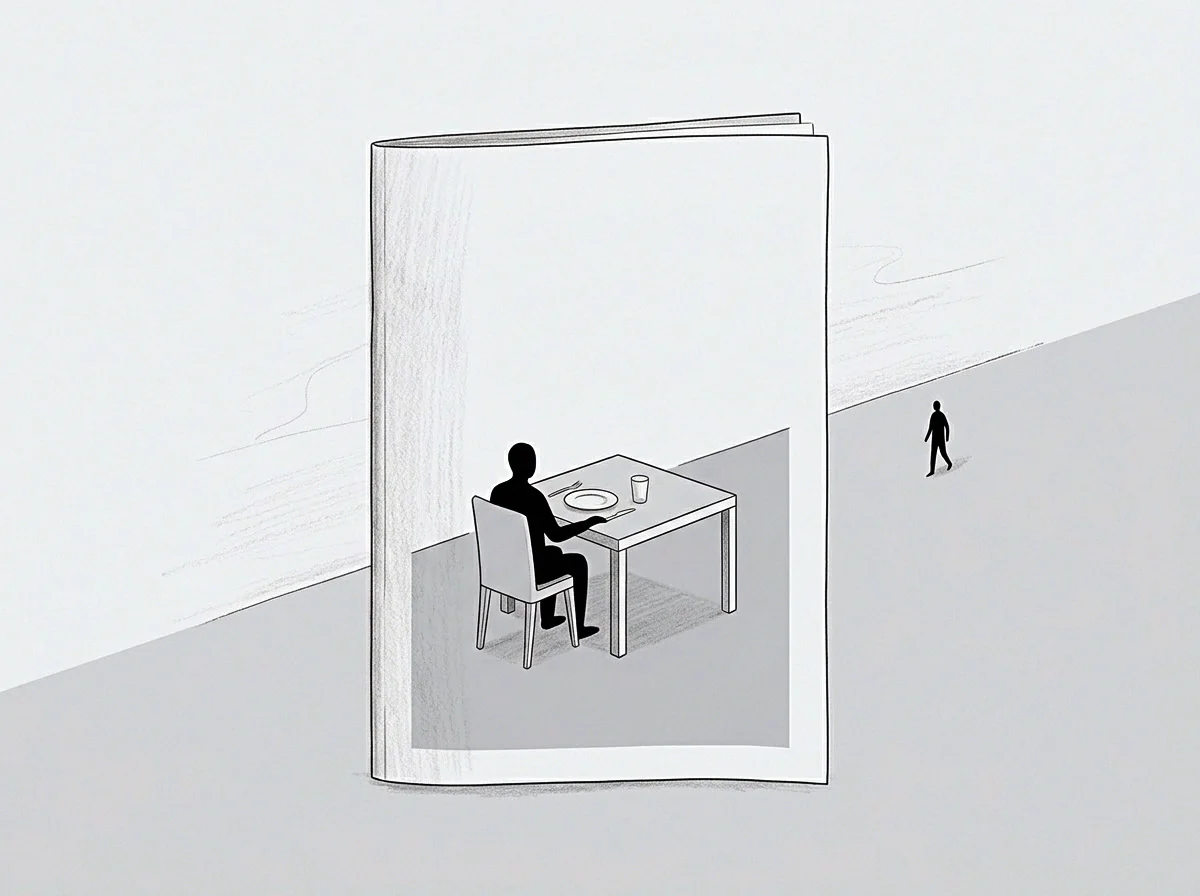
The body keeps up defensive readiness through automatic sensory assessment. Operating beneath conscious awareness, neuroception evaluates acoustic cues, facial shifts, and spatial distance to classify surroundings as safe, dangerous, or lethal. Prolonged solitary leadership trains this perceptual system to scan continuously for hazards.
Pauses in communication, weekend gaps, and unread notifications register as immediate threats to enterprise survival, while the cervical spine and shoulders brace in permanent tension.
Physical rigidity becomes the interface for daily decision-making. The founder overrides hunger, fatigue, and muscular strain through deliberate prefrontal suppression to protect execution through critical business milestones. Prolonged suppression dulls interoceptive awareness until the leader can no longer detect physical depletion before a functional breakdown occurs.
Prolonged executive isolation trains autonomic neuroception to interpret operational pauses as imminent commercial hazards.
This defensive posture outlasts the business threat that prompted it. When a funding round closes, a product ships, or an acquisition completes, the physiological state remains active. Walking into a quiet house or an empty hotel suite, the operator anticipates relief that does not arrive.
The nervous system experiences the sudden lack of demands as disorientation, producing restless insomnia, racing thoughts, and sharp irritability. The armor does not drop on cognitive command.
Attempts at solitary rest often worsen this autonomic imbalance. Standard advice calls for silent retreats, logging off, and quiet time in remote places. For a nervous system conditioned by years of solitary vigilance, empty silence only sharpens the internal alarm.
The stillness strips away external anchors without providing co-regulatory contact, removing the operational noise that previously covered the biological strain.
The sympathetic nervous system maintains cellular readiness through extended isolation even after operational deadlines dissolve.
Margin
Evaluating Solitary and Relational Recovery Environments
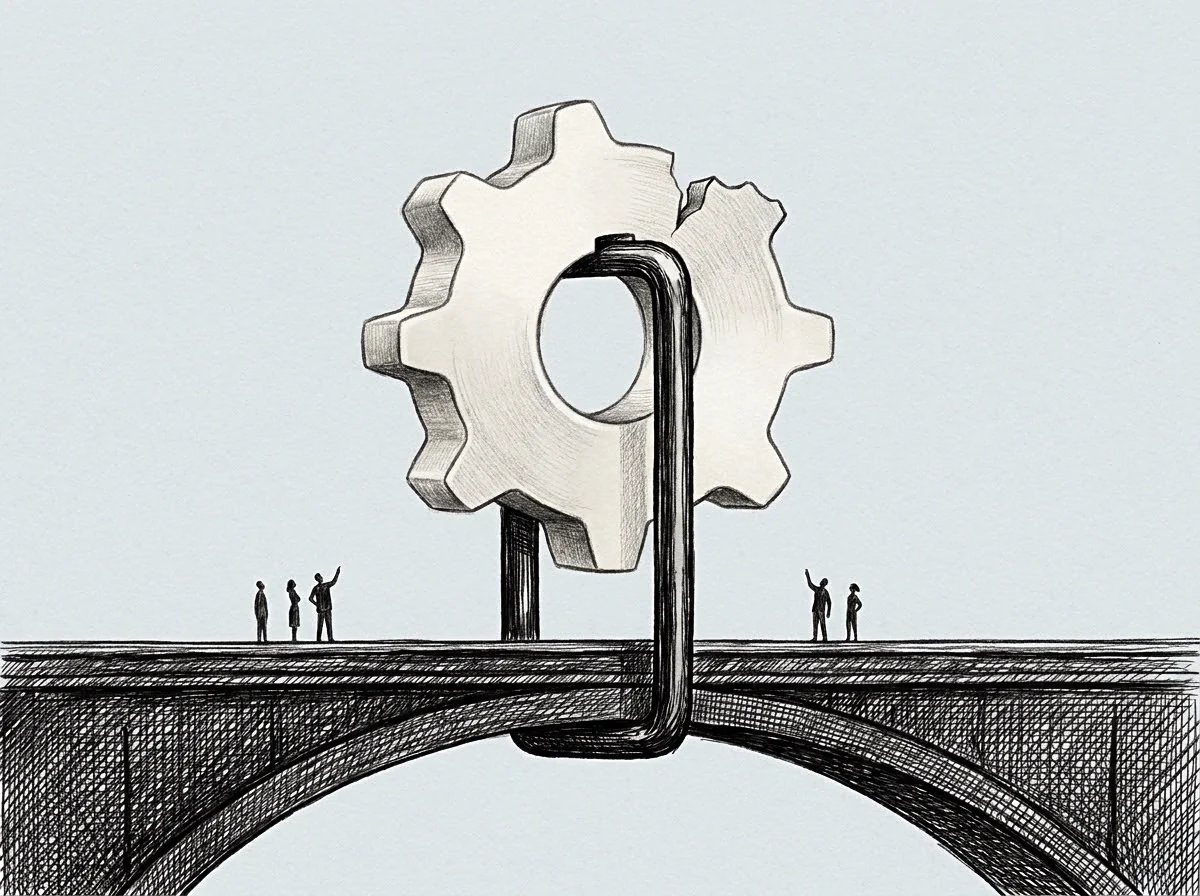
Autonomic restoration requires biological conditions that differ sharply between solitary rest and relational attunement. Nervous system recovery is often framed as a choice between total social withdrawal and low-demand interpersonal contact. Solitary withdrawal cuts out commercial interruptions, but it forces the nervous system to fund its own settling.
Relational attunement uses mammalian co-regulation to lower the metabolic cost of down-regulation, provided the other party requires zero management.
| Physiological Variable | Solitary Isolation Format | Interactive Co-Regulation Format |
|---|---|---|
| Vagal Tone Modulation | Suppressed via internal perseverative cognition | Elevated via vocal prosody and synchronous breathing |
| Neuroendocrine Output | Elevated evening cortisol during structural voids | Progressive diurnal cortisol drop via social safety cues |
| Interoceptive Accuracy | Fixates on somatic symptoms of exhaustion | Calibrates gradually through mirrored mammalian pacing |
| Default Network State | Hyperactive threat modeling and operational replay | Grounded resting state anchored in external physical presence |
Solitary isolation fails to reset baseline autonomic tone because an isolated brain keeps generating cognitive threats. Without incoming sensory cues from a safe companion, the default mode network cycles through past board disputes, missed targets, and team departures. The energy cost of self-soothing remains high.
Mammalian biology relies on social baseline cues like unhurried voices, relaxed facial expressions, and physical proximity to signal physiological safety to the ventral vagal complex.
How Long Does Autonomic Readjustment Actually Take?
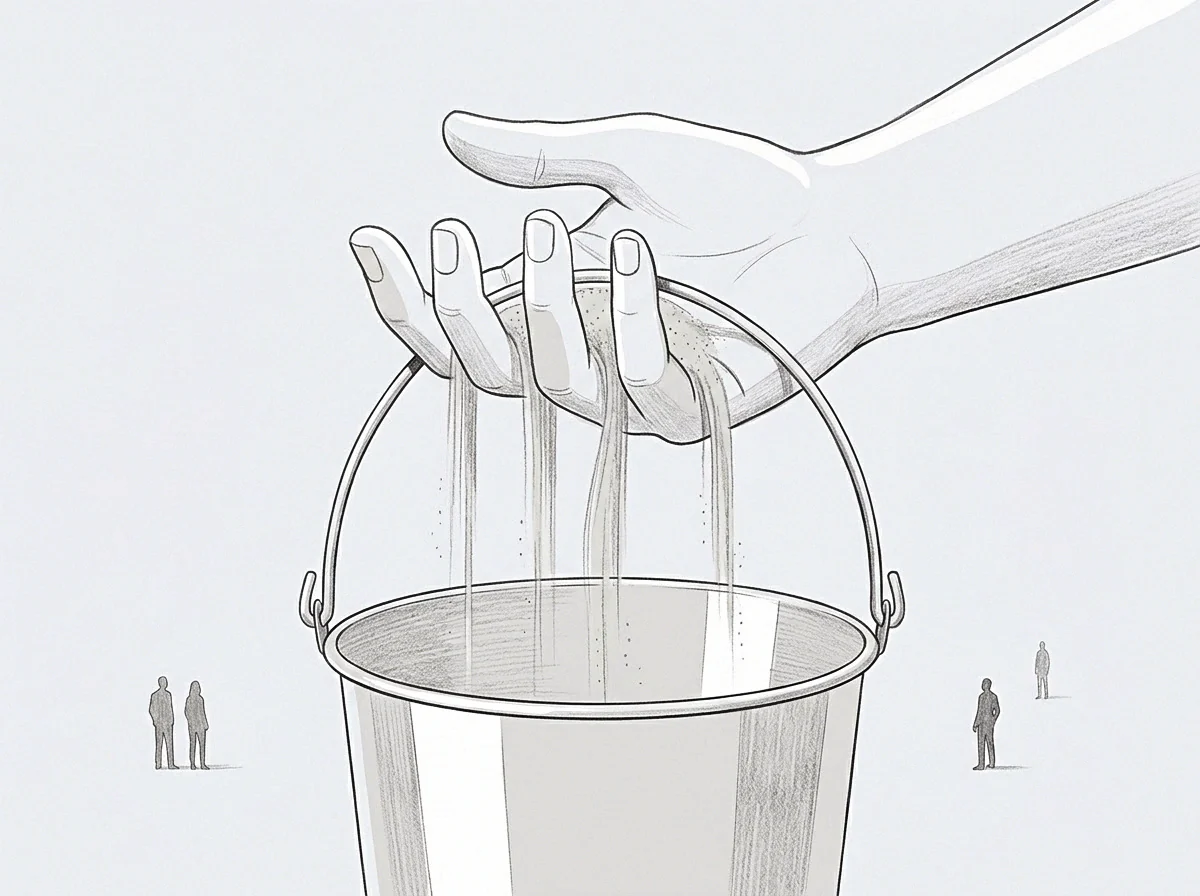
Autonomic recalibration runs on a biological timetable that routinely frustrates goal-oriented executives. A cardiovascular system shaped by four years of solitary accountability does not recover parasympathetic dominance over a fourteen-day holiday. The neuroendocrine system needs months of dependable physiological safety before the adrenal cortex resets its baseline sensitivity.
Heart rate variability reflects this lag, showing little movement during the first sixty days of decompression.
Recovery depends on building relational margins where the operator no longer acts as the primary regulator. The individual needs spaces where companions, whether trusted peers or domestic animals, hold calm physiological rhythms without requiring direction. The operator’s vagal tone gradually synchronizes with the companion’s slower respiration, shifting the metabolic cost of balance from prefrontal effort to passive social resonance.
A formal departure agreement that establishes total operational disconnection for six consecutive months without consulting rights allows the neuroendocrine system to initiate basal receptor recalibration.
Anchor
Somatic restoration starts with physical containment and tactile grounding in undemanding environments. The individual sits against solid surfaces that support the spine without deliberate posture control. Walking across open ground with a companion who requires no conversation lets the nervous system distribute spatial vigilance.
Another body moving at an unhurried pace provides ongoing biological confirmation that survival does not depend on solitary surveillance.
Earned security forms through repetitive physical experiences that counter the reversed relational pattern. An executive cannot think their way into autonomic ease through conceptual frameworks or coaching sessions. The nervous system requires sensory proof that vulnerability brings reliable physical presence rather than added operational responsibility.
Over hundreds of ordinary interactions, the physiology learns that dropping vigilance does not trigger a collapse.
The receptor slot opens gradually through non-transactional proximity. The operator practices staying seated while someone else cooks a meal, drives, or handles an organizational dispute. The impulse to take over surges through the sympathetic branch, tightening muscles and generating autonomic impatience.
Letting that surge peak and fade without intervening retrains the central nervous system, replacing hyperactive involvement with passive presence.
Establishing a second relational template requires months of measured, low-demand contact during ordinary daily hours. The operator tracks physiological indicators: the return of spontaneous digestive motility, normal evening yawning, and the ability to sit still for forty minutes without checking operational updates. Solitary vigilance gives way to distributed baseline regulation as the body shares the energy cost of living with a trusted social circle.
Sustained physiological restoration occurs when the nervous system trusts external stability long enough to abandon solitary defense without bracing for impact.