
Managing Senior Leadership Allostatic Load Via Cognitive Channel Gating
Cognitive channel gating reduces executive allostatic load by imposing explicit scope and date parameters on active operational threads to preserve headroom.

Ceiling

Biological Wear Under Sustained Demand
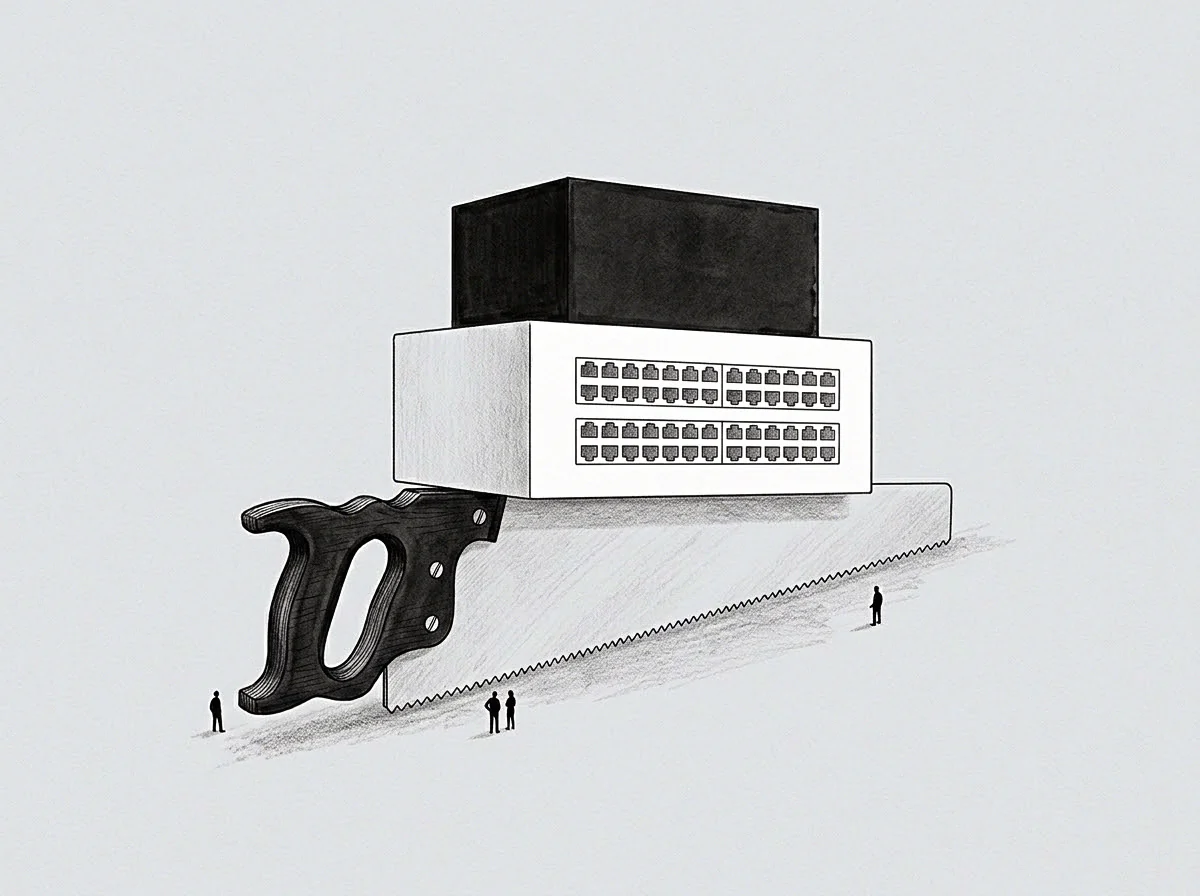
Four messaging streams remain active at midnight while an executive sits in silence. The physical load of sustained regulatory demand has reached its limit. The screen sits blank.
Long-term neuroendocrine monitoring reveals that chronic exposure to unbuffered operational inputs elevates circulating cortisol and sympathetic nervous system tone over extended durations. This sustained physiological state produces allostatic load, defined as the biological wear and tear accumulated when a system constantly adapts to continuous stressors.
When environmental demands repeatedly overwhelm recovery windows, the central nervous system alters its baseline operating parameters. The biological mechanism responds. Systemic resources divert away from complex executive functioning, working memory integration, and broad pattern recognition toward localized operational survival.
The capacity reaches zero. This adaptive neurobiological deceleration preserves core organ systems under relentless demand, serving as a protective circuit breaker rather than a structural failure.
Misinterpreting Deceleration for Apathy
Psychiatric assessment tools frequently classify this adaptive state as clinical depression or psychomotor retardation. This interpretation mistakes a metabolic energy-preservation protocol for a mood pathology. Clinical depression typically involves pervasive anhedonia, cognitive distortions of worthlessness, and broad affective disturbance regardless of environmental context.
Throttling represents a localized, load-dependent reduction in throughput that directly correlates with open operational loops.
Reductions in active initiation signal a protective throttling mechanism when biological capacity reaches saturation.
An executive experiencing allostatic ceiling often retains full analytical clarity when evaluating a isolated, offline strategic memorandum. The same individual exhibits severe cognitive friction, latency, and avoidance when confronted with open-ended messaging channels that require continuous co-regulation with team members. The underlying biological tissue remains intact, yet the system intentionally lowers intake velocity to prevent structural neuroendocrine damage.
The price appears later.
The executive appears detached and unwilling to initiate strategic direction despite clear organizational targets.

Thread
Why Do Low-Complexity Threads Burn Executive Capacity?
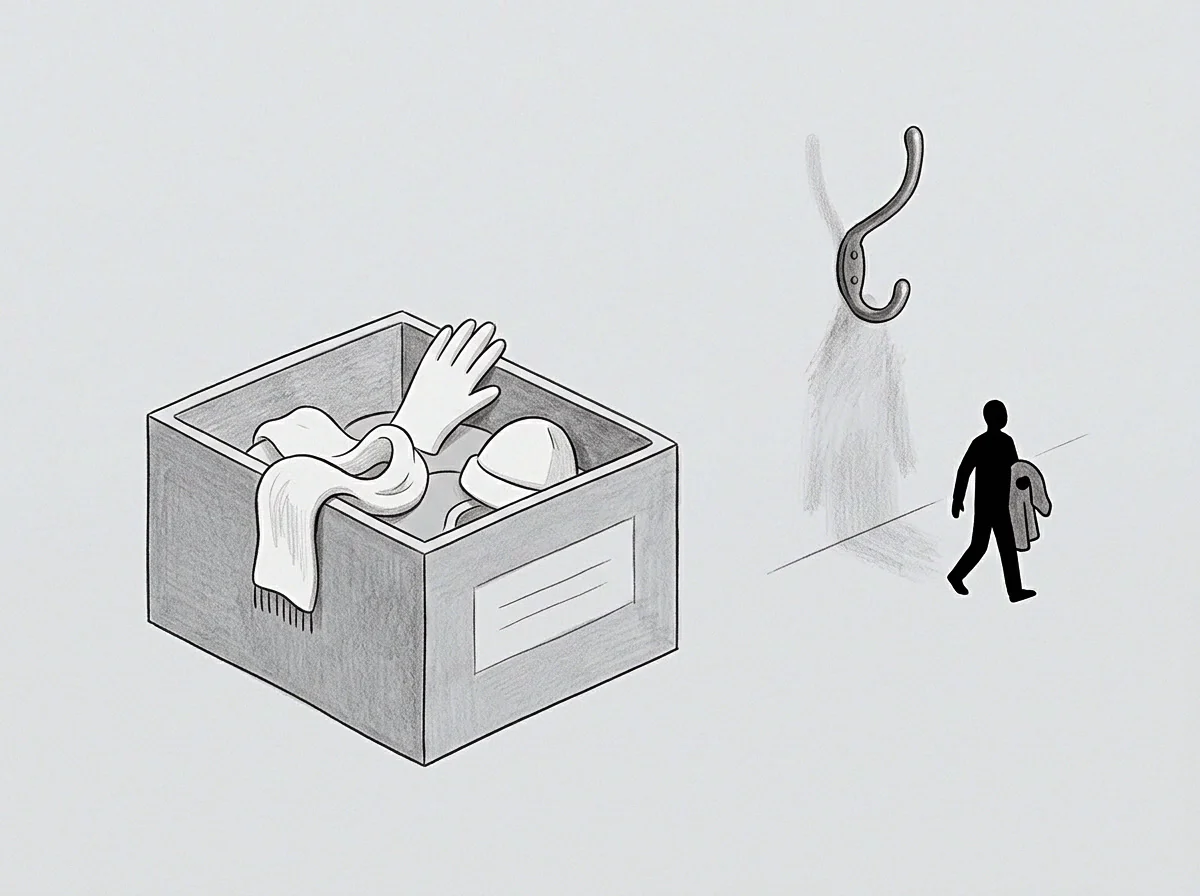
Human cognitive architecture allocates working memory slots based on active open loops rather than the intrinsic difficulty of individual tasks. A high-value strategic acquisition requiring four focused hours consumes a single cognitive slot while active. A minor, unresolved interpersonal dispute between two department heads left without clear timeline parameters occupies a cognitive slot continuously across three days.
Open loops track continuously. The prefrontal cortex maintains active neural representation of every unresolved input, expending metabolic glucose during every context switch.
Cognitive slots fill quickly. When senior leaders operate without explicit intake filtering, the count of active open loops quickly exceeds physiological concurrency limits. Most human working memory architectures degrade rapidly beyond four to six simultaneous active loops.
An ungated channel bleeds. Beyond this boundary, the brain sacrifices deep processing depth to maintain superficial tracking across all active items.
- Ungated Operational Inquiries consume immediate working memory slots regardless of financial or strategic stakes.
- Unbounded Strategic Debates force continuous background evaluation that drains metabolic reserves during non-working hours.
- Amorphous Performance Tracking creates perpetual co-regulation demands across multiple leadership roles without definitive resolution points.
The Concurrency Limits of Working Memory
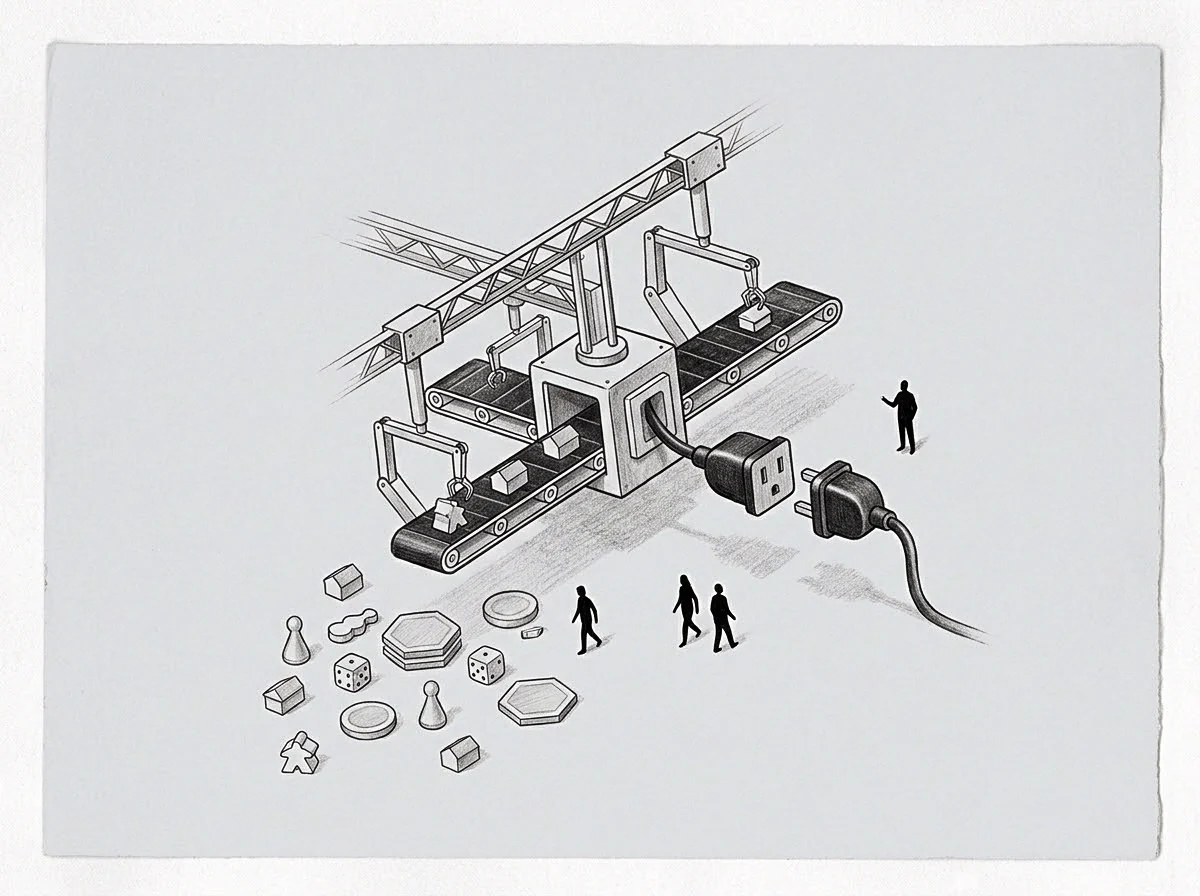
The biological system throttles. Tracking fifty unresolved operational threads simultaneously forces the central nervous system into a state of continuous hypervigilance. Each notification ping triggers a micro-arousal event, raising heart rate variability metrics and resetting the recovery cycle.
The seat imposes load. The total volume of information matters far less than the ungated status of the incoming channels.
Unbounded operational items consume identical cognitive slots regardless of their systemic priority.
Leaving open loops active without explicit temporal boundaries degrades lateral reasoning until strategic decision-making halts entirely.
Gate

Structural Parameters for Channel Control
Managing information flow relies on clear structural criteria rather than personal resolution or temporary energy reserves. Volitional gatekeeping fails rapidly under fatigue because evaluating whether to process an incoming item expends the exact executive capacity required for deep execution. Cognitive channel gating establishes hard operational boundaries around incoming information queues prior to prefrontal evaluation.
Scope sets the boundary.
Channel gating transforms asynchronous, continuous streams into discrete, predictable inputs governed by three explicit parameters: scope, date, and terms. Scope defines the exact operational boundary an incoming inquiry must meet to enter the executive queue. Date establishes mandatory, non-negotiable windows during which inputs are reviewed, leaving all other hours entirely disconnected from intake mechanisms.
Terms establish the required formatting and decision-readiness of the input before attention is assigned.
| Operational Channel | Ungated Channel State | Gated Channel Architecture | Physiological Impact |
|---|---|---|---|
| Direct Messaging | Continuous real-time notifications with undefined resolution criteria | Batch processing twice daily with mandatory decision templates | Reduces micro-arousal spikes and preserves sympathetic nervous system baseline |
| Strategic Review | Open-ended agenda with ongoing document modifications | Fixed scope submission seventy-two hours prior to scheduled window | Eliminates continuous background monitoring during off-hours |
| Team Escalations | Immediate verbal access upon operational friction | Tiered resolution protocols with stated financial threshold gates | Protects high-value cognitive slots for complex pattern recognition |

Restructuring Input Queues
The slot closes. Converting open channels into gated structures immediately lowers the metabolic cost of baseline attention. When a team knows that operational inquiries submitted outside established parameters remain unread until designated review windows, their own problem-solving mechanisms adjust.
The baseline shifts. Gating serves as a functional external prosthesis for the executive prefrontal cortex.
Clear temporal and scope constraints remove the background monitoring cost of pending organizational decisions.
Establishing a calendar boundary paired with explicit scope conditions converts an active open loop into an idle background process.

Cost

Interpersonal Regulation Demands
Senior leaders function as physiological anchors within organizational hierarchies. Social Baseline Theory demonstrates that human brains routinely offload metabolic regulation costs onto nearby, reliable conspecifics. When operational uncertainty rises, team members seek physical proximity, verbal validation, and explicit direction from senior operators to stabilize their own autonomic nervous systems.
This process of co-regulation reduces stress responses in subordinates while transferring the metabolic load directly to the leader.
Carrying co-regulatory load for multiple direct reports requires significant biological energy. When an executive already operates near allostatic ceiling, absorbing the unstructured emotional and operational volatility of a leadership team accelerates metabolic depletion. The leader becomes a borrowed regulator for the entire organization, running personal circuits hot to keep systemic anxiety cold.
Subordinates frequently draw on senior presence to stabilize their own operational anxiety without registering the cumulative drain on the executive.

Stages of Co-Regulatory Exhaustion
This transfer occurs continuously through subtle daily interactions. Without explicit structural boundaries, the regulatory contract remains covert and unpriced, continuously taxing the executive’s reserves.
- Direct operational buffering absorbs external market volatility to protect immediate team execution and psychological safety.
- Sustained biological borrowing depletes executive glycogen reserves during extended organizational transitions.
- Systemic regulatory collapse forces sharp reductions in interpersonal availability across all executive communication channels.
How long an enterprise can rely on one person co-regulating three operational leads before systemic biological breakdown occurs remains an open empirical question.
Headroom
Reclaiming Systemic Capacity
Restoring biological buffer zones requires deliberate structural intervention across all active organizational channels. Headroom requires hard gates. Reclaiming metabolic headroom depends on enforcing hard limits on incoming concurrency rather than managing internal emotional responses.
When incoming channel velocity drops below system capacity, neuroendocrine markers normalize, cortisol production drops, and prefrontal cognitive slots open.
Rebuilding capacity demands a strict accounting of active cognitive slots across all operational domains. The executive cataloging process identifies every open loop currently drawing background processing power, categorizing each item by its structural gate parameters. Items lacking clear scope, explicit resolution dates, or defined decision terms are immediately returned to their originators or parked in offline queues.
Systemic capacity returns only when incoming operational demands match the hard biological ceiling of the recipient.
Operationalizing Hard Channel Limits
Enforcing these channel parameters alters the operational posture of the executive office. Communication shifts from real-time reactive processing to structured batch evaluations. The organization adapts to predictable access windows, developing internal regulatory capability rather than relying on constant executive intervention.
System capacity expands as the total count of ungated open loops drops within biological limits.
Gating incoming channels at the point of entry preserves long-term executive capacity far more reliably than attempting to restore depleted capacity after biological collapse.