
Quantifying Autonomic Coregulation Limits and Structural Gating Protocol Efficacy in High Accountability Seats
Structural gating protocols preserve executive autonomic headroom by converting continuous real-time coregulation into bounded asynchronous communication threads.
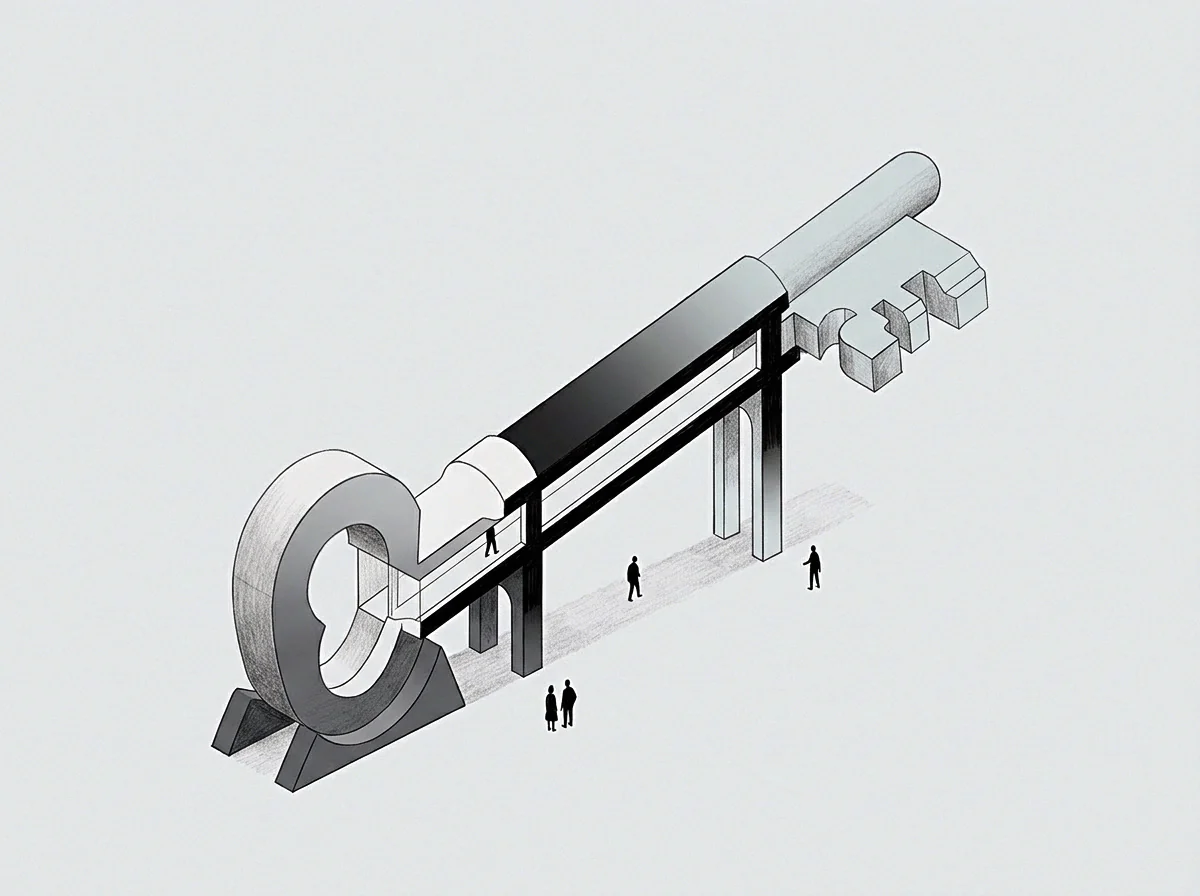
Strain
Autonomic coregulation functions as a physiological subsidy within executive leadership structures. Shared nervous system regulation allows two or more operators to down-regulate sympathetic arousal, stabilizing executive function during operational crises. Social baseline theory demonstrates that proximity to a trusted peer reduces the neural metabolic cost of threat monitoring.
The brain treats social coregulation as an external energy source, lowering individual hypothalamic-pituitary-adrenal activation. In high accountability seats, this physiological mechanism frequently encounters structural limits when sustained allostatic load exceeds baseline recovery capacity.
Allostatic load measures cumulative wear on physiological systems under chronic stress. High accountability roles generate continuous demands on prefrontal cognitive circuits and autonomic tone. As vagal tone drops under prolonged strain, an executive operating near maximum physiological capacity loses the capacity to offer autonomic coregulation to peers.
The system shifts from shared regulation to active energy depletion.

Autonomic Coregulation Capacity Versus Individual Stress Tolerance
Stress tolerance describes an individual operator’s baseline threshold for internal physiological arousal before cognitive performance degrades. Coregulation capacity measures the available autonomic headroom an operator carries to absorb and soothe secondary arousal in peers. An operator can possess high personal stress tolerance while maintaining zero autonomic coregulation capacity.
Confusing individual resilience with coregulation capacity creates structural vulnerability in executive teams.
When an executive carrying high allostatic load attempts to coregulate a dysregulated partner, the interaction fails to reduce threat activation. Sympathetic tone rises in both operators, transferring the physiological cost to the partner with less autonomic headroom. Parasympathetic vagal brake recovery slows when social engagement systems receive conflicting autonomic signals.
High allostatic load degrades vagal tone, converting dynamic autonomic coregulation into an uncompensated physiological drain when open communication channels exceed structural limits.

Allostatic Load In High Accountability Roles
High accountability seats differ from standard managerial positions through the unmitigated impact of decision outcomes. Founders and primary risk-holders experience sustained elevation of circulating cortisol and catecholamines. This chronic elevation alters the baseline set point of the autonomic nervous system, causing persistent hypervigilance or physiological throttling.
Throttling protects remaining capacity by intentionally restricting emotional responsiveness, cognitive breadth, and interpersonal attunement to prevent total systemic collapse. Clinical literature misinterprets autonomic throttling as depressive withdrawal or diminished executive motivation, though it represents an adaptive physiological defense against total exhaustion. Unmonitored physiological coregulation without structural capacity checks depletes baseline vagal tone, precipitating sudden operational paralysis across leadership tiers.

Door
Structural gating protocols restrict raw emotional and operational inputs from reaching high accountability seats without prior filtration. An ungated seat remains continuously exposed to asynchronous pings, urgent operational updates, and unresolved partner anxiety. Every incoming signal triggers prefrontal context switching and autonomic orienting responses.
The attention cost of evaluating an incoming thread accrues immediately, regardless of whether the executive resolves the issue.
Gating protocols insert explicit structural buffers between incoming demands and executive processing capacity. These buffers enforce constraints on message latency, issue formatting, and communication channels. Structural gates convert real-time emotional demands into predictable batch processes, protecting parasympathetic recovery windows.

Structural Gating Protocols for High Concurrency Seats
Concurrency limits specify the maximum number of un-gated operational threads an executive seat can host simultaneously without inducing cognitive context-switching debt. Human working memory limits active attention to approximately four distinct operational loops. Holding multiple open loops forces prefrontal circuits to maintain continuous background vigilance, increasing metabolic strain.
Because open threads occupy cognitive slots, gating protocols force incoming issues through three mandatory structural parameters: scope definition, explicit decision dates, and clear exit terms. A request lacking any parameter is parked at the gate until the sender provides the missing parameter.
A stated response latency window removes continuous vigilance demand, returning measurable autonomic headroom to the seat holder.

Ungated Communication Channels and Open Loops
Ungated communication channels rely entirely on individual self-regulation to filter incoming load. Under high operational stress, self-regulation breaks down, leading to impulsive channel checking and elevated sympathetic tone. Structural gating shifts the burden of regulation from internal willpower to explicit operational rules.
Unbound operational channels generate systemic failure modes across executive relationships:
- Continuous open pinging forces uninterrupted autonomic vigilance, depleting prefrontal executive reserves within hours of activation.
- Unbound scope requests consume operational memory slots, preventing deep task completion without reducing external expectations.
- Implicit expectation transfers build covert social contracts that impose unstated regulatory costs on the receiver during crises.
Enforcing an explicit forty-eight hour asynchronous review clause converts reactive physiological debt into predictable batch maintenance.

Ratio
Evaluating the balance between real-time autonomic coregulation reliance and structural gating protocol efficacy reveals clear boundaries across operational stress regimes. During low-stress phases, real-time coregulation maintains fast alignment and psychological cohesion without noticeable physiological debt. As allostatic load rises, the efficiency of un-gated coregulation plummets while the protection offered by structural gates increases exponentially.
The transition point occurs when an operator’s vagal recovery rate falls below the arrival rate of incoming high-arousal signals. At this threshold, real-time meetings and unfiltered communications compound nervous system exhaustion.

Evaluating Coregulation Boundaries Against Structural Gates
Implementing structural gating requires systematic progression through specific operational stages to prevent organizational friction and communication bottlenecks:
- Baseline slot mapping quantifies active ungated threads across executive communications before structural shifts begin.
- Channel filtering installation routes non-critical operational inputs into deterministic review queues with fixed access terms.
- Coregulation boundary enforcement halts real-time emotional processing during acute load spikes until autonomic metrics stabilize.
Gated queues eliminate context-switching debt, preserving baseline autonomic function across long horizons when explicit access parameters are established.

Where Does Autonomic Coregulation Fail Under Escalating Concurrency?
Real-time autonomic coregulation fails when thread concurrency exceeds available cognitive headroom. Social proximity reduces baseline regulation costs. System performance under varying allostatic load states differs sharply between unstructured coregulation and structured gating protocols.
| Load State | Autonomic Coregulation Reliance | Structural Gating Protocol Efficacy | Net System Capacity |
|---|---|---|---|
| Low Allostatic Load | High regulatory transfer, low personal cost | Minimal operational speed gain | Full thread capacity |
| Moderate Allostatic Load | Elevated physiological wear, degraded signaling | Sustained focus, reduced context switching | Stable thread capacity |
| Ceiling Allostatic Load | Systemic exhaustion, false depression signals | Maximum headroom preservation, zero transfer debt | Protected core capacity |
Whether high accountability seats can sustain shared autonomic coregulation during multi-year operational stressors without mandatory gating remains unproven across empirical longitudinal studies.

Bench
Examine a typical executive configuration involving two co-founders operating an enterprise organization over three years. Assume the founders maintain an open, continuous communication model across instant messaging, real-time calls, and unscheduled strategy meetings. Founder A manages fundraising, enterprise sales, and investor communications.
Founder B leads core product engineering, architecture, and technical delivery. Assume Founder B holds forty percent of total technical execution output while simultaneously acting as the primary emotional stabilizer for Founder A during recurring revenue volatility.
During the initial eighteen months, Founder A experiences severe emotional swings driven by external market feedback. Founder A frequently uses unscheduled coregulation sessions with Founder B to discharge anxiety. Social baseline theory explains why Founder A leaves these sessions feeling regulated and clear: Founder A successfully offloaded nervous system arousal onto Founder B. Founder B absorbs the arousal, relying on baseline vagal tone to dampen the physiological shock.
Allostatic load accumulates across unmonitored hours. By month twenty-four, Founder B reaches maximum physiological capacity. Chronic elevation of circulating cortisol suppresses Founder B’s parasympathetic recovery mechanisms.
Elevated heart rate variability signals capacity during early stages, but Founder B’s resting metrics now show severe autonomic suppression. Founder B enters autonomic throttling.
Founder B stops initiating strategic conversations, shortens verbal responses, and implements abrupt delays in message response times. The buffer seat absorbs excess arousal until saturation occurs. Founder B can no longer offer autonomic coregulation to Founder A. The system interprets Founder B’s physiological throttling as interpersonal coldness, loss of strategic commitment, or clinical depression.
In reality, Founder B’s autonomic nervous system implemented emergency load shedding to protect baseline cognitive survival.
Autonomic throttling indicates structural system saturation rather than individual psychological collapse.
Founder A perceives Founder B’s withdrawal as an emergency, increasing the frequency of unscheduled coregulation attempts. Founder A sends multiple urgent messages seeking alignment. Continuous pinging forces unbroken vigilance.
Founder B’s prefrontal cortex, operating with depleted autonomic headroom, experiences total context-switching overload. Founder B’s technical throughput drops from forty percent to zero within four weeks.
Physiological exhaustion alters risk perception. The absence of structural gating protocols allowed Founder A’s raw nervous system arousal to directly flood Founder B’s operational slots. Had the organization instituted explicit gating protocols, such as restricting strategy discussions to two scheduled weekly slots and requiring written context briefs twenty-four hours prior, Founder A’s emotional spikes would have been forced through self-soothing mechanisms or structural filters.
The structural gate protects Founder B’s vagal headroom, preserving both technical execution output and core executive alignment. The availability dropped without warning precisely when operational complexity demanded double the coordination time.
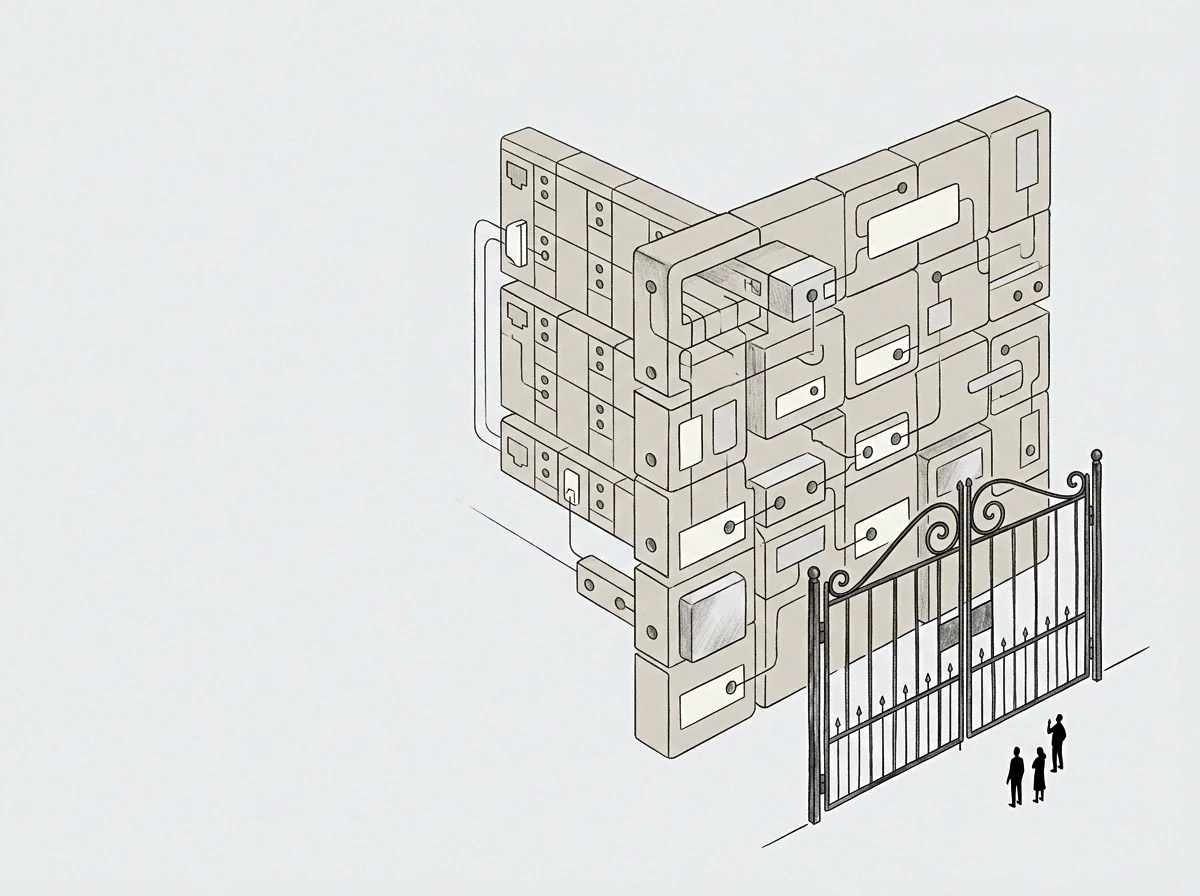
Tether
Protecting executive longevity requires shifting accountability seats from unstructured emotional reliance to deterministic gating architectures. Implementing explicit operational tethers prevents continuous physiological drain while maintaining high-fidelity strategic alignment. These tethers define access terms, communication latency expectations, and open loop limits.
When unstated terms create covert contracts, clarifying the exact conditions under which real-time access is granted allows secondary operators to adapt by developing internal regulatory strategies or using asynchronous channels.
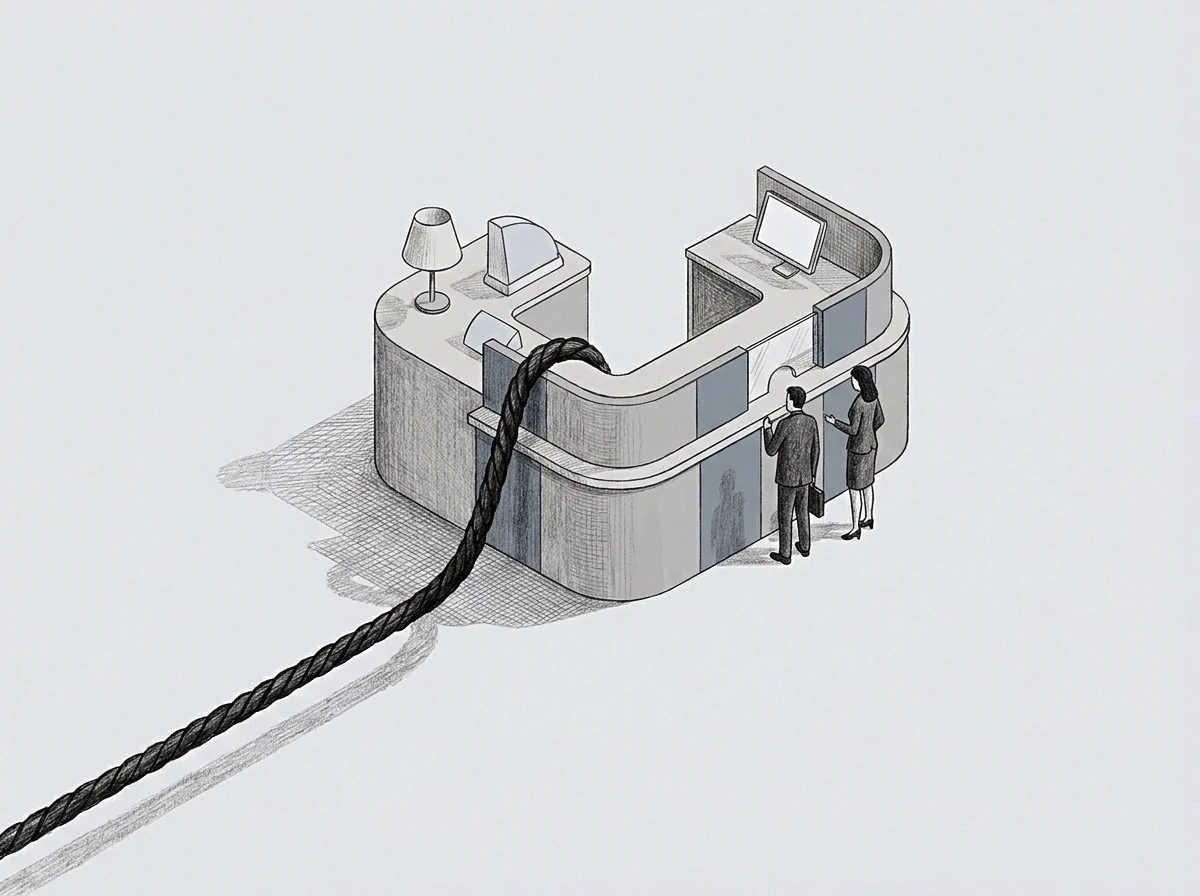
Establishing Gating Architecture for High Accountability Roles
Gating architecture begins with thread management. Open loops consume prefrontal working memory continuously until explicit parameters or dates close or suspend them. Every open project or strategic question must reside in one of three states: actively executing, structurally gated behind an explicit review trigger, or explicitly terminated.
An operational thread parked behind a future review date consumes zero active working memory slots, releasing prefrontal memory while asynchronous reviews restore autonomic headroom.
A parked operational thread consumes zero active processing slots until its trigger date arrives.

Preserving Headroom Through Stated Boundary Terms
Preserving autonomic headroom requires enforcing strict boundary terms across all executive interactions. Boundary terms state required input formats, expected response windows, and emergency escalation thresholds. An emergency threshold defines exact metric breaks that justify bypassing structural gates, preventing routine emotional anxiety from masquerading as operational crises.
The founder states the term; the partner reads the boundary; the operator writes the handover protocol. Gating structural access preserves autonomic headroom far longer than unmonitored emotional regulation.