
Autonomic Gating Of Tactile Input Under Chronic Allostatic Load
Chronic allostatic load drives spinal presynaptic inhibition, gating out low-threshold tactile afferents and converting co-regulatory touch into sensory load.

Filter
A palm rests lightly between the shoulder blades of a person who spent sixteen consecutive hours managing a structural collapse in liquidity. The gesture carries no task instructions, requires no vocal response, and aims only to signal presence. The receiver’s physical frame reacts instantly.
Muscles along the upper trapezius contract, the respiratory cadence shortens, and the torso tilts two degrees away from the contact point. Cognitive recognition registers an ally, yet the underlying physiology registers an unexpected sensory load requiring immediate evaluation. Spinal circuits block incoming touch.
The body registers input. Sustained autonomic activation alters the baseline gain of somatic afferent channels long before cortical areas receive the signal.

Primary Afferent Suppression at the Dorsal Horn
Dorsal horn interneurons operate as the first gating layer for peripheral mechanical input. Under baseline conditions, unmyelinated C-tactile afferents respond selectively to slow, gentle strokes between one and ten centimeters per second, carrying low-frequency signals directly to the posterior insular cortex. These unmyelinated signals lower heart rate, suppress systemic cortisol release, and facilitate parasympathetic recovery.
When chronic allostatic load drives sustained sympathetic output, primary afferent depolarization changes its tuning. Inhibitory interneurons driven by high tonic noradrenaline release presynaptic GABA and glycine onto incoming primary afferents. Sympathetic tone remains dominant.
The high-frequency background discharge suppresses low-intensity mechanical signals at the entry point of the central nervous system.

Presynaptic Modulation of Slow Mechanical Signals
Presynaptic inhibition targets slow mechanoreceptor pathways while preserving high-threshold nociceptive and rapid discriminative channels. Fast myelinated A-beta fibers, which convey precise location, sharp impact, or texture discrimination, bypass this broad attenuation to maintain functional vigilance. Slow C-tactile afferents suffer selective attenuation.
The central nervous system prioritizes physical threat mapping over co-regulatory signals during periods of physiological strain. The threshold moves upward. Touch intended as physical reassurance loses its capacity to engage insular pathways, arriving at higher cortical processing centers stripped of affective value.
Sustained sympathetic activation shifts spinal interneuron thresholds so that unmyelinated tactile signals drop below cortical detection.
When an organization or domestic unit operates under high background threat, physical proximity and touch fail to generate systemic relaxation, converting co-regulatory attempts into additional metabolic demands that the overloaded individual actively sidesteps.

Grid
Sensory processing within primary somatosensory cortex maps bodily contact onto existing neural representations. High allostatic load distorts this cortical projection, altering local field potentials and modulating sensory responsiveness. Elevated baseline plasma cortisol and tonic locus coeruleus activity alter receptor sensitivity across cortical layers.
The nervous system isolates itself. When baseline arousal remains elevated for months, somatosensory cortical networks alter how they process low-amplitude mechanical forces.

Somatosensory Cortical Oscillations under Load
Cortical alpha and beta band oscillations regulate sensory gating across the somatosensory cortex. In low-stress physiological states, physical touch induces a localized alpha desynchronization followed by a beta rebound, signaling the successful processing of non-threatening somatic contact. Under chronic physiological load, alpha oscillations in primary somatosensory cortex remain tightly synchronized even during direct physical contact.
Sensory pathways alter their gain. High local alpha power reflects an active sensory gate that prevents incoming peripheral inputs from disrupting ongoing internal cognitive processing.
Can Chronic Load Reencode Receptive Fields?
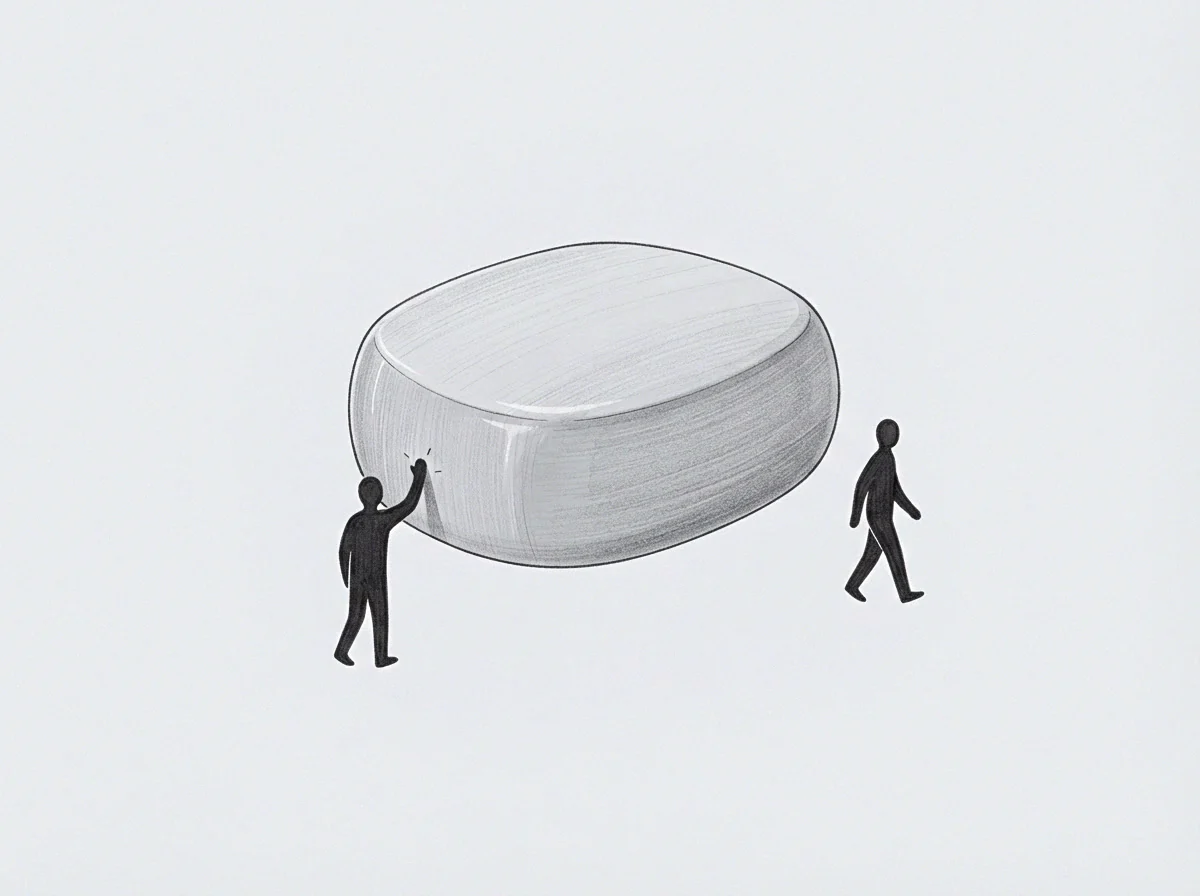
Longitudinal physiological stress reorganizes receptive field dynamics within layer IV cortical neurons. Receptive fields expand their spatial boundaries while reducing their amplitude discrimination for soft pressure. A light touch across a broad surface area loses its distinct boundary, registering instead as a diffuse, unmapped mechanical pressure across the skin.
Tactile receptors signal unmapped pressure. The brain processes this diffuse input using threat-assessment circuitry rather than safety-processing circuitry, interpreting proximity as an unaccounted-eddy of physical motion.
| Physiological Parameter | Baseline Autonomic Tone | Chronic Allostatic Ceiling |
|---|---|---|
| Spinal Presynaptic Inhibition | Minimal baseline gating of slow C-tactile fibers | High tonic inhibition of low-threshold afferents |
| Insular Cortex Activation | Robust activation driving parasympathetic shift | Blunted response with absent autonomic slowing |
| Primary Somatosensory Alpha Power | Localized desynchronization permitting entry | Sustained synchronization filtering light touch |
| Perceived Relational Quality | Soothing, co-regulatory, lowering stress energy | Intrusive, mechanical, requiring defensive posture |
“The touch was meant to help, but the body treated the hand like an obstacle.”
Toll
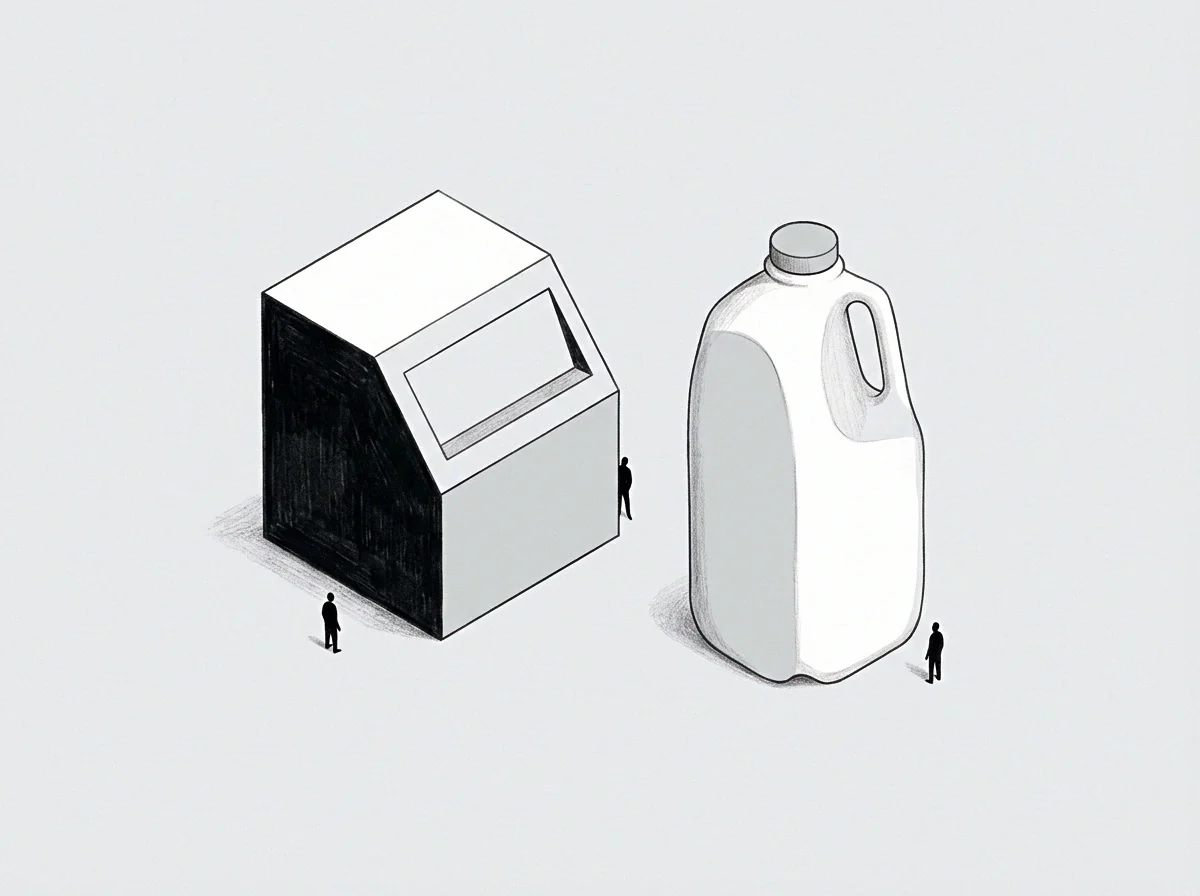
Self-regulation demands substantial metabolic capacity. When autonomic gating blocks tactile intake, a physiological system forfeits access to social baseline economics. Social baseline theory demonstrates that physical proximity and supportive touch reduce the brain’s metabolic expenditure by distributing threat monitoring and autonomic regulation across individuals.
Under chronic load, sensory gating closes this co-regulatory pathway. Metabolic expenditure escalates rapidly. The person operating at capacity must generate all regulatory work internally, accelerating autonomic depletion.
The Metabolic Overhead of Unassisted Regulation
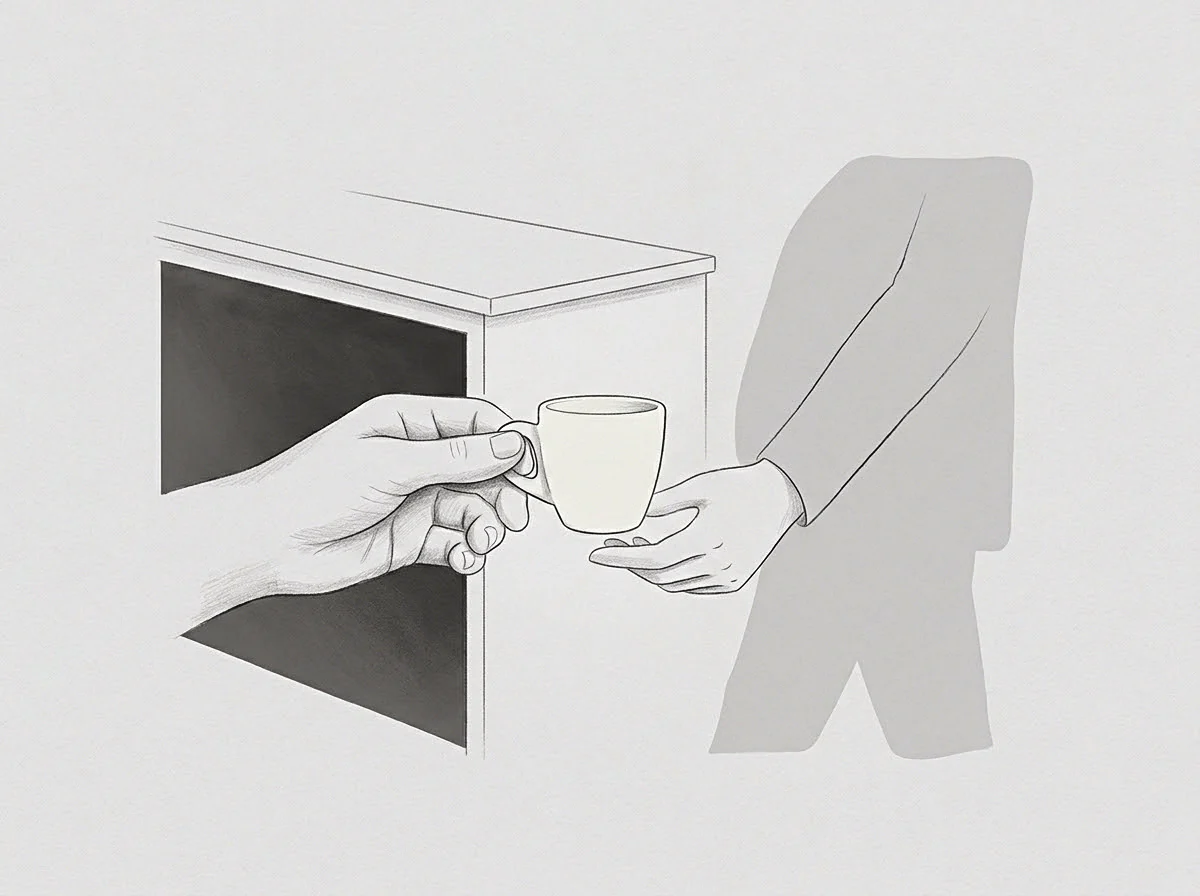
Internal regulation relies heavily on prefrontal executive circuits to modulate amygdala and brainstem autonomic centers. This top-down control consumes high volumes of systemic glucose and oxygen. In a healthy physiological state, physical contact from a familiar partner bypasses top-down control, directly triggering brainstem vagal nuclei to slow cardiac output without executive overhead.
When chronic load forces presynaptic gating of tactile inputs, this peripheral efficiency disappears. The executive brain continues consuming internal energy reserves to suppress threat responses, treating physical contact as an additional variable to monitor rather than a energy-saving resource.
Disruption of Parasympathetic Cascade Signals
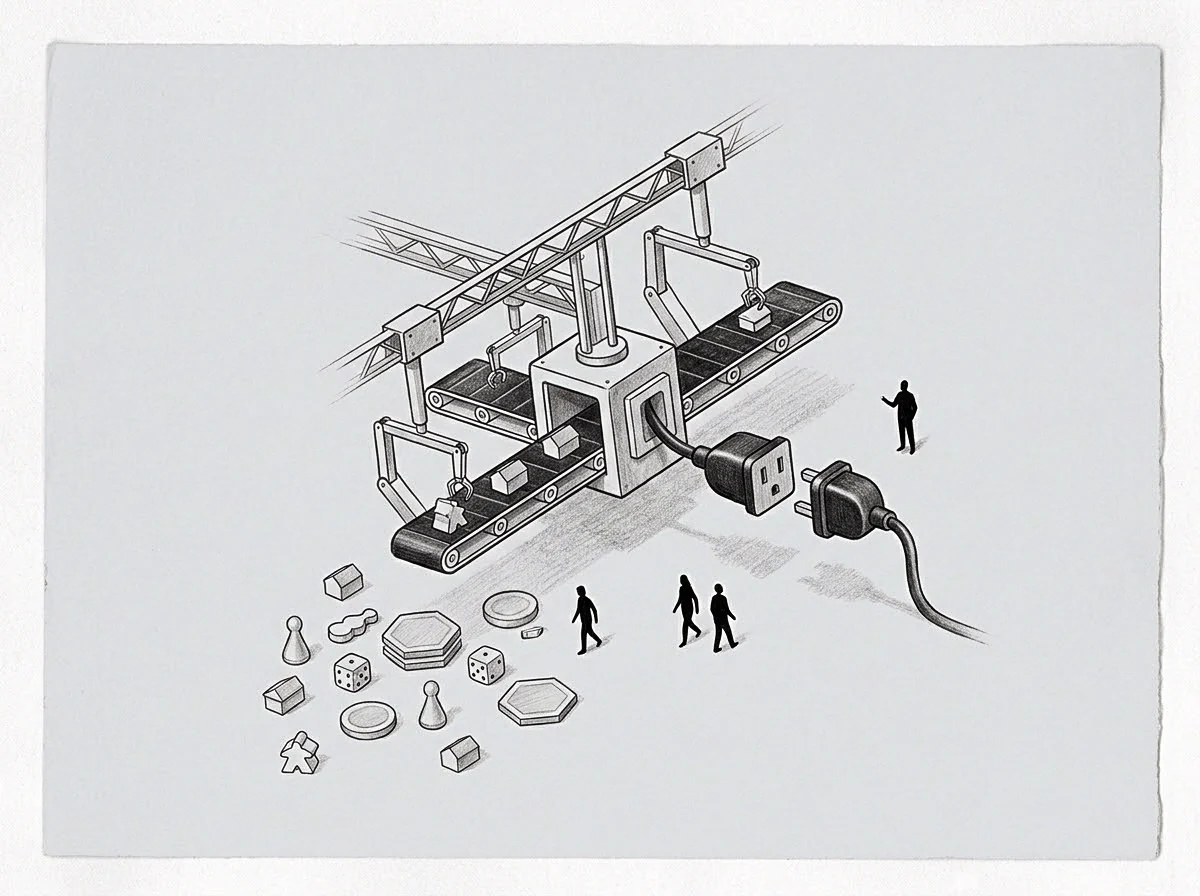
Parasympathetic activation normally follows specific tactile threshold triggers. Slow mechanical deflection of skin structures stimulates nitric oxide release, peripheral vasodilation, and an immediate drop in systemic vascular resistance. Chronic baseline stress uncouples peripheral mechanoreceptors from central parasympathetic nuclei.
Interoceptive processing shifts inward. The autonomic nervous system blocks the cascade, holding arterial tone high and maintaining elevated heart rate variability suppression even while physical touch continues.
- Presynaptic Inhibition Spinal interneurons block unmyelinated C-tactile afferents prior to dorsal column ascending entry under high noradrenergic tone.
- Insular Decoupling Posterior insular regions fail to register low-frequency mechanical inputs, preventing direct parasympathetic vagal stimulation.
- Vagal Withdrawal Cardiac autonomic control stays dominated by sympathetic accelerator signals despite continuous physical proximity.
When primary tactile afferents fail to trigger insular parasympathetic cascades, the body defaults to isolated self-regulation at maximum metabolic price.
Affection offered to a system at capacity registers as task demands.
Contact
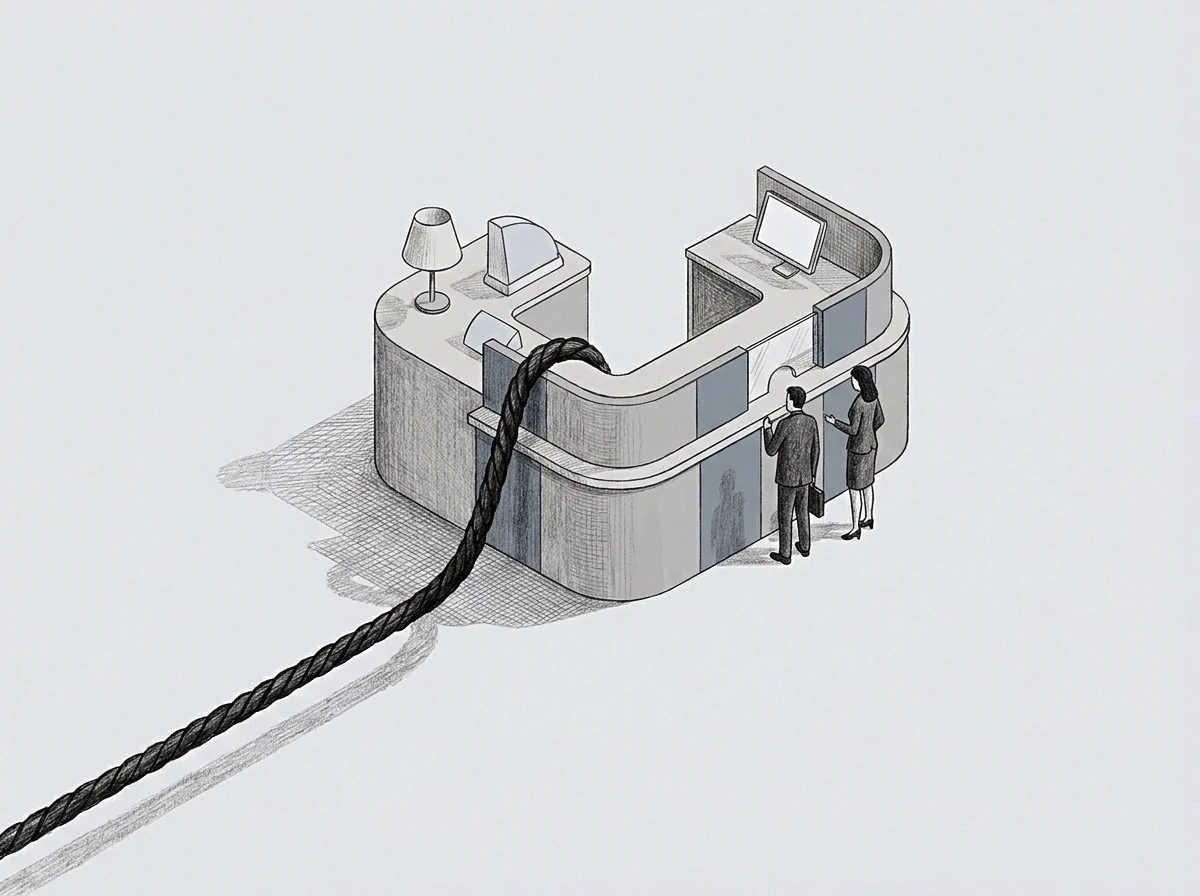
Arrangements between co-founders, partners, or key operational leaders frequently founder on misinterpreted sensory gating. One party offers physical proximity, a touch on the arm, or an embrace to signal solidarity during acute stress. The receiver’s gated nervous system reacts with physical rigidity, subtle stepping back, or flat indifference.
The offering party interprets this physiological reaction as emotional coldness, interpersonal rejection, or unaddressed conflict. The receiving party experiences the gesture as a sudden sensory demand inside an already saturated processing space. The system resists external contact.

Misinterpretation of Proximity as System Intrusion
Sensory saturation changes how the brain evaluates mechanical proximity. During normal operations, physical touch from a trusted individual signals safety, reducing defensive tone. Under chronic allostatic load, the nervous system prioritizes predictable sensory fields over external inputs.
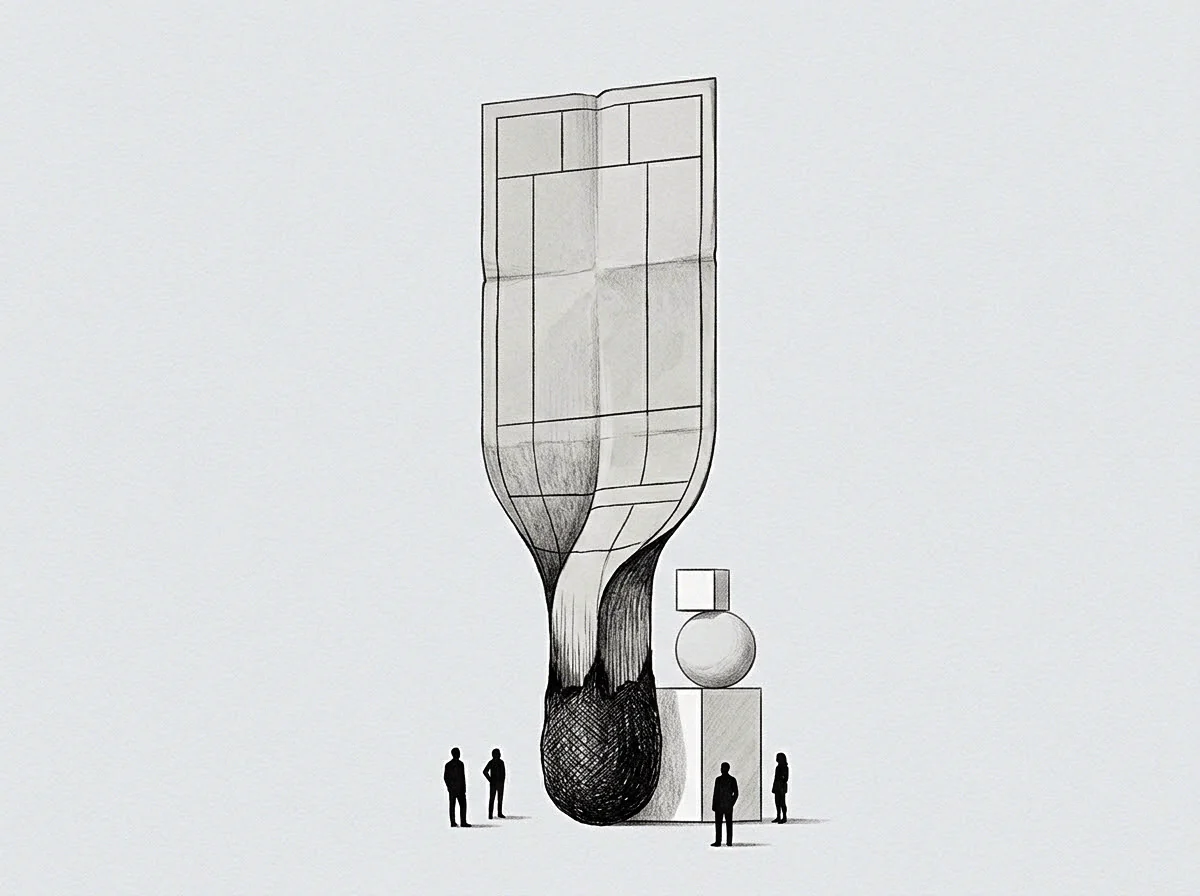
Touch introduces unpredictable mechanical variables, forcing the somatosensory cortex to allocate scarce attentional resources toward mapping the point of contact. Sensor recalibration in automated industrial safety loops follows an identical pattern, where unexpected peripheral inputs trigger immediate system locks to protect hardware integrity. The human body locks its motor frame to protect scarce regulatory reserves.
Attunement Breakdowns Across Relational Roles
Repeated misinterpretation creates stable, dysfunctional interaction patterns across executive and personal teams. The dynamic follows a predictable mechanical progression when background stress remains unchecked.
- Operational load reaches baseline ceiling, initiating presynaptic sensory gating across peripheral tactile channels.
- A partner or colleague offers light physical touch intended to provide co-regulation or express support.
- The receiver’s nervous system gates the input, triggering automatic muscle contraction and physical withdrawal.
- The initiator reads the physical posture as emotional distance and increases contact attempts or demands relational explanations.
- The receiver experiences the escalating demands as sensory overload, forcing complete physical and communication isolation.
A hand placed on a tense back during high operations forces a sensory conflict between cognitive safety and autonomic defense.
When chronic load elevates presynaptic inhibition above threshold, the presence of a supportive partner fails to alter heart rate variability until background threat parameters drop below critical limits.
Drift
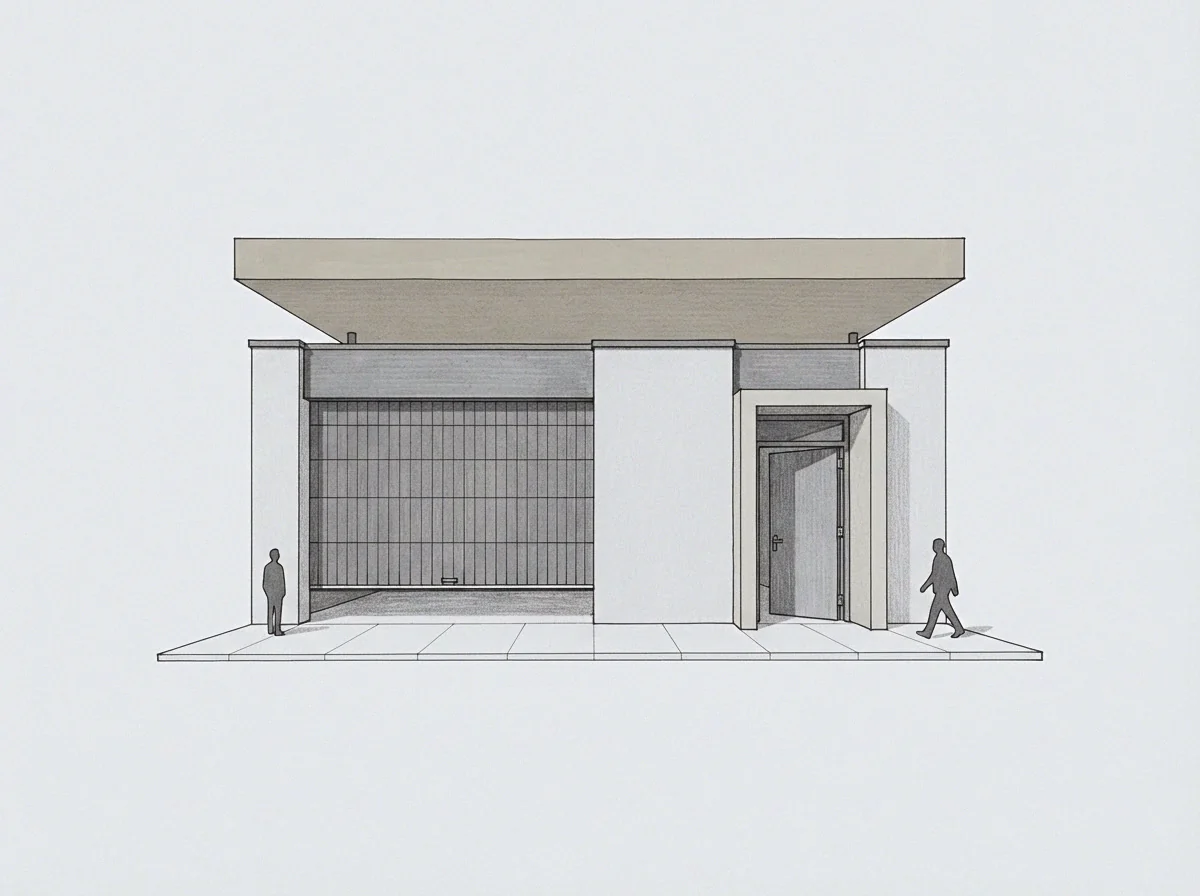
Restoring functional tactile gating requires systematic reduction of chronic allostatic load rather than cognitive reframing or forced physical contact. Interventions targeting conscious beliefs fail because spinal presynaptic inhibition and cortical alpha synchronization operate below voluntary control. The baseline threat must drop before sensory gating mechanisms lower their thresholds.
Recovery demands systemic load reduction. Over months of reduced operational strain, the autonomic nervous system gradually recalibrates its sensory gain, restoring the capacity of low-threshold mechanoreceptors to engage insular parasympathetic pathways.
Incremental Restructuring of Autonomic Thresholds
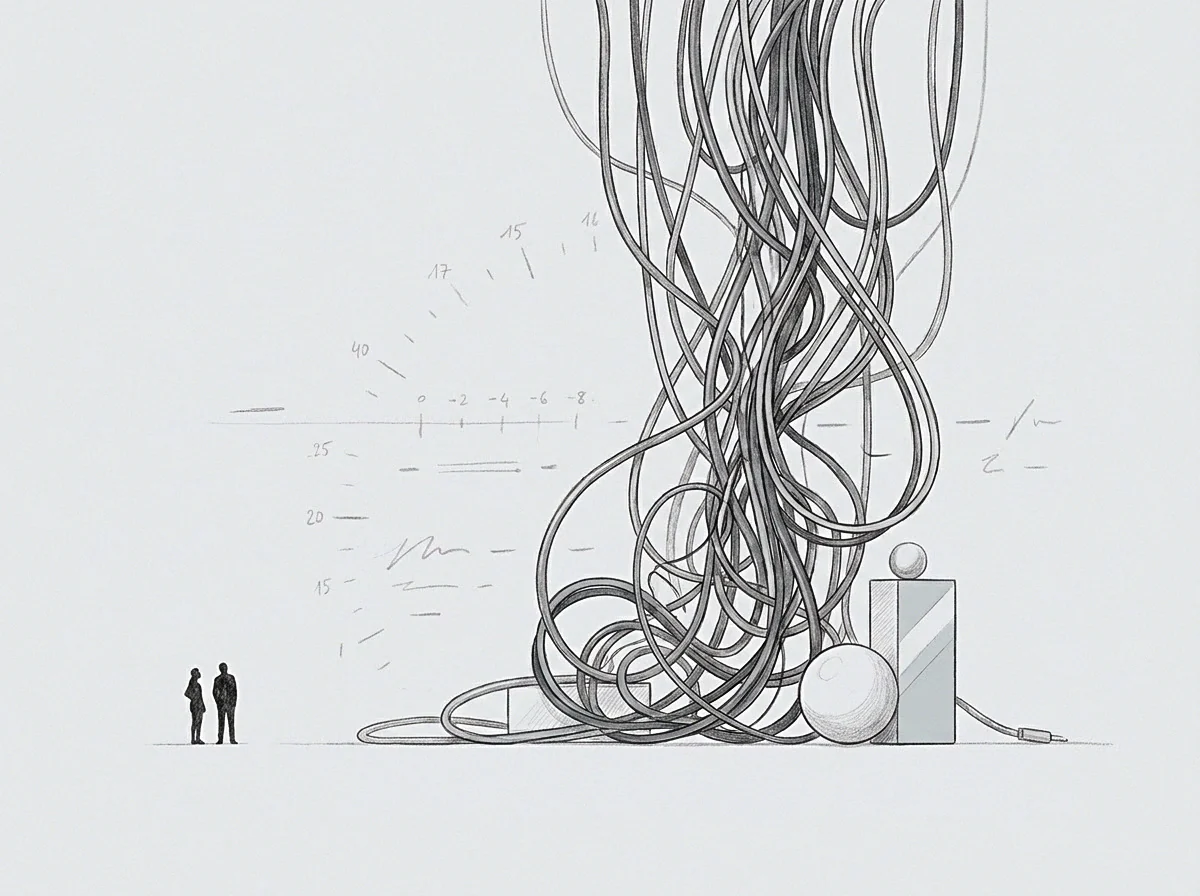
Threshold adjustments occur slowly through repeated safety experiences under low metabolic demand. Micro-exposures to predictable, self-directed mechanical pressure can assist in resetting dorsal horn gating circuits without triggering defensive reflexes. Weighted blankets, fixed physical boundaries, or static back support provide predictable sensory inputs that do not carry interpersonal demands.
These inputs allow the somatosensory cortex to experience continuous mechanical contact without initiating presynaptic inhibition, gradually lowering background noradrenergic output within spinal circuits.

Longitudinal Recovery of Receptive Sensitivity
Re-establishing tactile co-regulation depends on establishing earned security within relational environments. Earned security updates internal working models by demonstrating that proximity does not lead to sensory overload or operational disruption. As background stress metrics stabilize, C-tactile afferent pathways regain their connection to posterior insular circuits.
Touch recovers its original physiological function: lowering cardiac output, reducing glucose consumption, and allowing the nervous system to share regulatory burdens with another human frame.
At what specific threshold of operational load reduction does spinal presynaptic inhibition release its hold on primary afferent pathways, permitting low-frequency touch to resume its co-regulatory work?