
Measuring Allostatic Load and Cognitive Concurrency Limits in Founders
Allostatic load and cognitive concurrency limits measure somatic wear and parallel processing boundaries under chronic organizational demand.
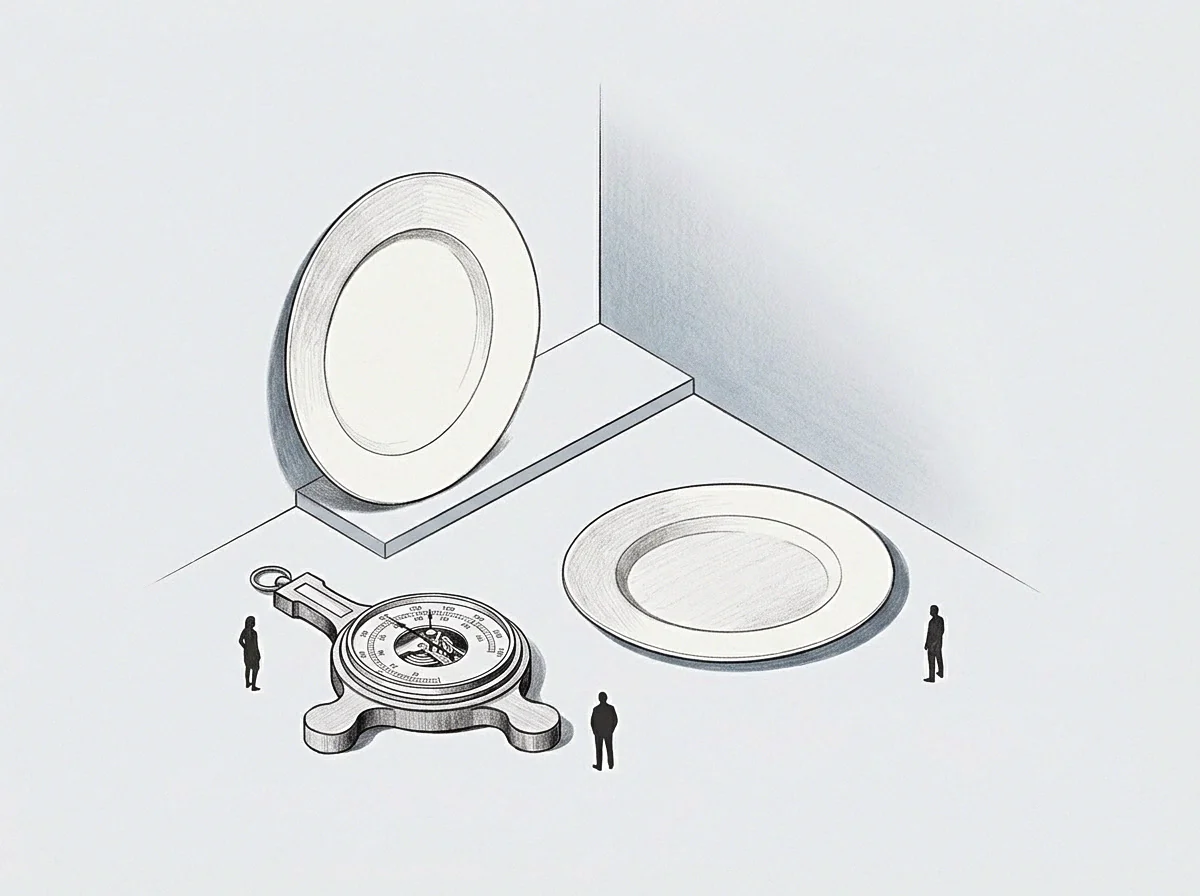
Wear
Four open chat windows sit on a laptop screen at midnight while a founder stares at an unwritten technical brief. Cold hands, an elevated resting pulse, and shallow breathing set in. Nothing went wrong today, yet moving a single document into production feels impossible.
Standard explanations point to a sudden loss of motivation or clinical melancholy. Stress physiology describes a different, measurable state: allostatic load, the cumulative physiological cost of continuous adaptation to non-linear demand. The body shifts its internal set points through neural, endocrine, and immune channels to anticipate threat.
When chronic operational friction outpaces recovery, those same adaptive systems begin wearing down structural tissue.
Clinical psychiatry defines major depression by widespread anhedonia, subjective despair, and psychomotor slowdown across life. Occupational throttling has a different etiology altogether: a protective drop in processing capacity enforced by the nervous system when biological headroom reaches zero. A throttled operator keeps their underlying ambition, strategic direction, and desire to build.
The nervous system simply clamps execution to protect tissue from permanent neuroendocrine damage.
Throttling preserves systemic tissue by shutting down execution while core drive remains intact.
Misreading this shutdown carries high physiological penalties. Applying standard behavioral activation to a throttled executive deepens neuroendocrine depletion. The founder tries pushing through with higher stimulant intake and sheer willpower, compounding the biological debt.
In response, the nervous system pulls the handbrake harder: sleep architecture breaks down, working memory narrows, and inflammatory cytokines rise. What looks like a wall is a biological governor preventing autonomic collapse.
That diagnostic confusion carries a heavy price: executive capacity gets pathologized, treatment misses the underlying neurobiology, and load keeps accumulating until the system fails completely.

Ceiling

Cognitive Architecture Under Unbounded Parallel Demands
Working memory holds only a few active items at once. Cognitive science puts the buffer at three to five discrete chunks before performance drops. In leadership, these units act as active operational loops: any task, decision, or question that lacks a clean resolution.
The brain makes no distinction between a board vote and an unpaid vendor invoice; each unresolved item occupies an active register in executive circuitry.
An ungated thread behaves like a background process running without an exit condition. Every unresolved thread demands continuous monitoring from the prefrontal cortex, drawing down glucose and metabolic capacity. A gated thread has bounded scope, a clear execution date, and defined acceptance criteria.
Establishing those parameters allows the brain to write the task to external storage and clear the active register.
Operational headroom hinges on this distinction. Attempting to hold eight ungated operations at once burns the remaining cognitive margin on switching costs alone. Moving between disparate contexts degrades executive control through constant task-set interference.
The brain wastes energy suppressing one context while building the next, leaving little capacity for strategic thinking, risk evaluation, or complex synthesis.

Observable Transitions Across Operational Capacity
The shift from fluid capacity to complete executive stall follows clear biological markers. As ungated tasks pile up, the system moves from fluid operations into adaptive strain and eventually into structural failure.
- Linear liquidity allows rapid context shifts with negligible delay, keeping working memory clear for complex analysis. Nighttime recovery remains predictable.
- Adaptive compensation requires conscious effort to track competing demands, accompanied by heightened sympathetic arousal during routine transitions. Small delays show up when processing complex files.
- Active throttling halts self-initiated intellectual work while basic reactive tasks continue. Sleep fails to clear the brain fog.
- Executive arrest stops task selection altogether, bringing sharp sensory irritation at simple questions and physical resistance to any new input.
The third stage is where real risk begins. A founder keeps replying to routine messages because reactive processing uses established subcortical pathways, but the prefrontal capacity needed to design product architecture or model cash flows is gone. To outside observers, the operator looks fine while sitting on empty internal capacity.
At this point, the executive register is full.
Every thread lacking scope and date consumes an operational register until deliberate structural gates release it.
How do biological markers expose the decline before behavior shows it? Autonomic tracking records the shift directly. Overnight heart rate variability drops into suppressed ranges, autonomic balance tilts steadily toward sympathetic dominance, and salivary cortisol flattens into a dull morning curve.
The system runs out of margin long before a founder fails to review an incoming contract.
As a practical signal: when small operational requests trigger visceral physical resistance, systemic registers are full.

Metrics
The Multi-System Biomarker Battery
Tracking the physical cost of executive leadership requires moving past self-reported symptoms. Stress biology evaluates allostasis through objective panels across cardiovascular, neuroendocrine, metabolic, and immune systems. Blood pressure and heart rate variability chart autonomic strain; glycated hemoglobin and fasting lipids quantify metabolic dysregulation; C-reactive protein and interleukin-6 track systemic inflammation; overnight urinary cortisol and catecholamines measure endocrine demand.
Together, these markers form an allostatic load index, offering a measure of physical wear independent of how a person feels.
| Physiological Domain | Biomarker Indicator | High-Risk Clinical Threshold | Executive Functional Consequence |
|---|---|---|---|
| Neuroendocrine | Diurnal Cortisol Slope | Flat curve (< 0.05 log units/hour) | Suppressed morning activation, midnight hyperarousal, working memory retrieval deficit |
| Autonomic | Resting Root Mean Square of Successive Differences | Sustained drop (< 20 ms) | Vagal brake failure, loss of emotional modulation, heightened reactivity to administrative noise |
| Immune | High-Sensitivity C-Reactive Protein | Elevated (> 3.0 mg/L) | Systemic baseline inflammation, subjective neurocognitive fatigue, reduced processing speed |
| Metabolic | Fasting Plasma Glucose and Triglycerides | Elevated (> 100 mg/dL and > 150 mg/dL) | Prefrontal energy instability, erratic cognitive stamina, pronounced postprandial crashes |
| Cardiovascular | Resting Systolic Arterial Pressure | Sustained elevation (> 130 mmHg) | Persistent sympathetic drive, degraded deep slow-wave sleep architecture |
The validity of this multi-marker index comes from large epidemiological studies, primarily decades-long research on civil service cohorts. These biomarker thresholds mark where biological adaptation turns into structural damage. If reference ranges differ in younger founders working under unusual incentives, the specific cutoffs may need adjustment, but the core relationship holds across every group studied: elevated multisystem stress markers predict cardiovascular events, immune vulnerability, and cognitive drops.
No universal limit exists for cognitive thread capacity, given how much baseline bandwidth varies by genetics and environment. Operators handle this by finding their operational ceiling empirically, watching for the thread count where reactivity rises and decision speed slows.
Consider an executive managing four structural transitions at once: an open fundraising round, a delayed product launch, an equity dispute with a departing co-founder, and an unstable distribution deal. None of the four have firm deadlines or clear ownership, and all generate constant inbound messages.
This setup produces clear physical warning signs:
- Autonomic exhaustion shows up in waking heart rates ten to fifteen beats above baseline, driven by constant sympathetic arousal. Sleep monitors reveal a total loss of deep delta sleep.
- Metabolic instability causes volatile blood glucose spikes regardless of diet, as persistent cortisol signals drive glucose production in the liver. Daily energy swings wildly.
- Attentional fragmentation prevents even an hour of uninterrupted focus. The operator switches between dashboards without finishing a single complex calculation.
- Emotional dysregulation erodes executive presence, sparking sharp reactions to minor mistakes from staff. The prefrontal network can no longer quiet limbic alerts.
An operator in this state does not lack discipline or focus; the body has simply hit maximum allostatic load. Internal systems burn through remaining reserves just to maintain basic balance, leaving no metabolic surplus for strategy or deep decision-making.
When an organization leaves authority undefined, the operational cost lands directly on the founder’s vascular and nervous systems.

Room
Carrying high biological strain rarely happens in a vacuum. Social baseline theory suggests the human brain treats the presence of trusted partners as its baseline state. Neural systems conserve energy when demands are shared across a group.
When someone operates without a reliable proxy or peer group, the brain treats that isolation as a resource shortage. Every decision, risk assessment, and setback must then be funded by individual metabolic energy.
Founders often build environments of severe isolation. The structure surrounding a chief executive is inherently uneven: investors demand steady momentum, employees look for direction, and counterparties look for leverage. The executive must manage their own state while acting as an emotional anchor for the rest of the company.
This creates a pattern of borrowed regulation, where the organization draws on the founder’s biological stability to keep its own operations steady.
An organization lacking formal operating gates consumes its founder’s nervous system as operational fuel.
The physical difference between isolation and support shows clearly on brain scans and heart rate monitors during acute stress tests. In social baseline trials, holding a partner’s hand lowers hypothalamic-pituitary-adrenal activity and reduces distress during an applied shock. Strangers cushion the reaction slightly; isolation spikes threat responses to peak levels.
Having a reliable partner physically present saves measurable calories during stress.
A founder working without trusted, protected peers pays the full biological price for every corporate event. The enterprise draws stability from the leader without replenishing those reserves. A company can project steady competence to the outside world while the person running it undergoes autonomic collapse.
The regulatory burden does not disappear; it is absorbed by human tissue.
To outside observers, that person appears calm, reliable, and capable of handling whatever comes next.
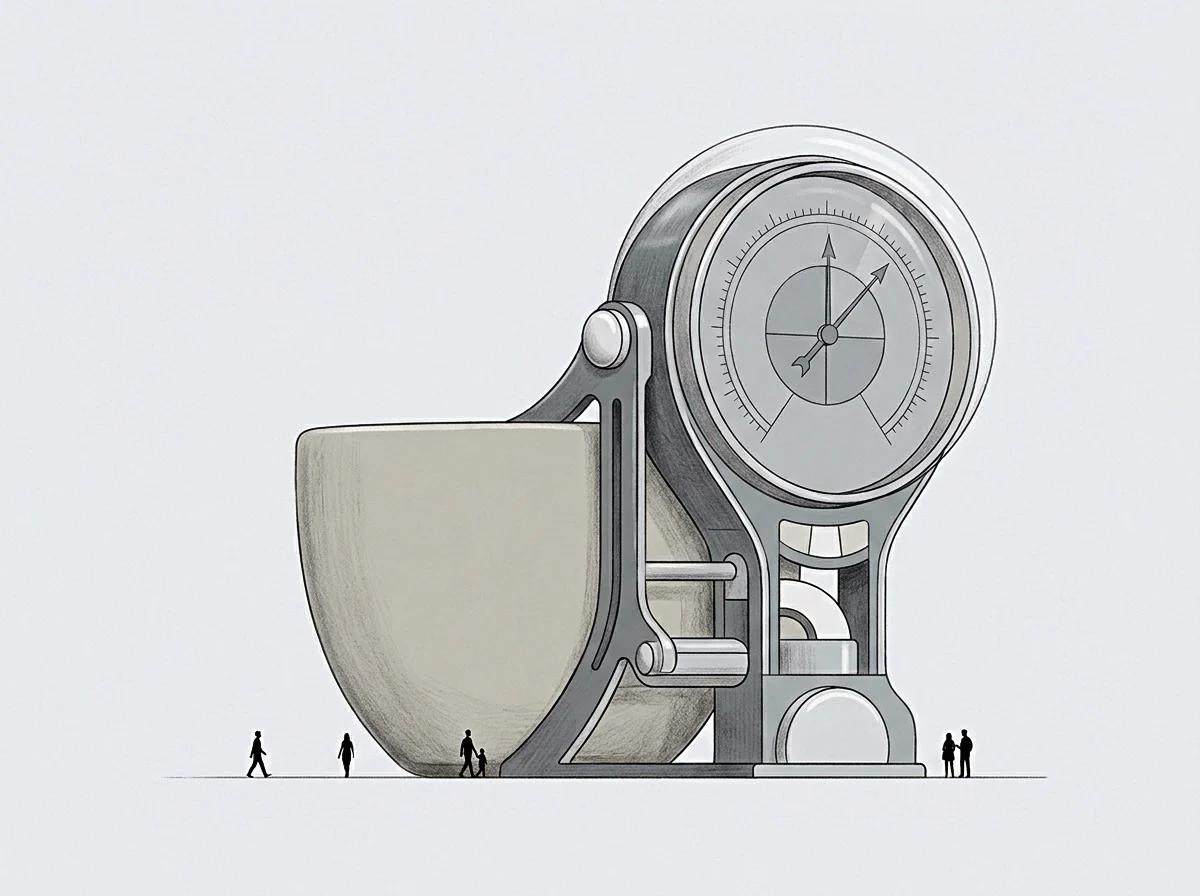
Throttle
Reclaiming operational headroom relies on building clear systems rather than attempting psychological reframing. Open communication channels act as unmanaged liabilities. When team members or outside partners have constant access to an executive’s time, incoming requests flood active memory at random.
Every interruption triggers a context switch, breaking focus and draining energy. Organizations need clear operational airlocks between external demands and executive attention.
The simplest change is converting open, real-time conversations into structured asynchronous logs. An inquiry must meet clear entry criteria before reaching the executive: a specific problem statement, the exact decision needed, defined financial or strategic bounds, and a deadline. If an inquiry lacks these details, it returns to the sender automatically.
This shifts the work of defining problems back to where they originate.
A second change requires capping concurrent projects. An executive cannot manage more than three complex, unresolved strategic initiatives at once. Any new operational demand stays in a queue until an active initiative reaches a clear endpoint: completion, handover, or explicit cancellation.
Setting aside pending projects clears working memory, freeing energy for core work.
Can this level of control work while scaling a fast-growing company? It is often the only way to sustain performance over time. Moving forward without structural boundaries causes steady wear, yielding short-term gains at the cost of long-term biological burnout.
Structural gates do not slow momentum. They protect core focus, ensuring decisions stem from strategic clarity rather than sheer exhaustion.