
Neuroendocrine recalibration and vagal pacing during long post-exit transitions
Exiting high-stress executive roles triggers severe hypocortisolemic depletion, requiring structured vagal baroreflex pacing to restore autonomic balance.
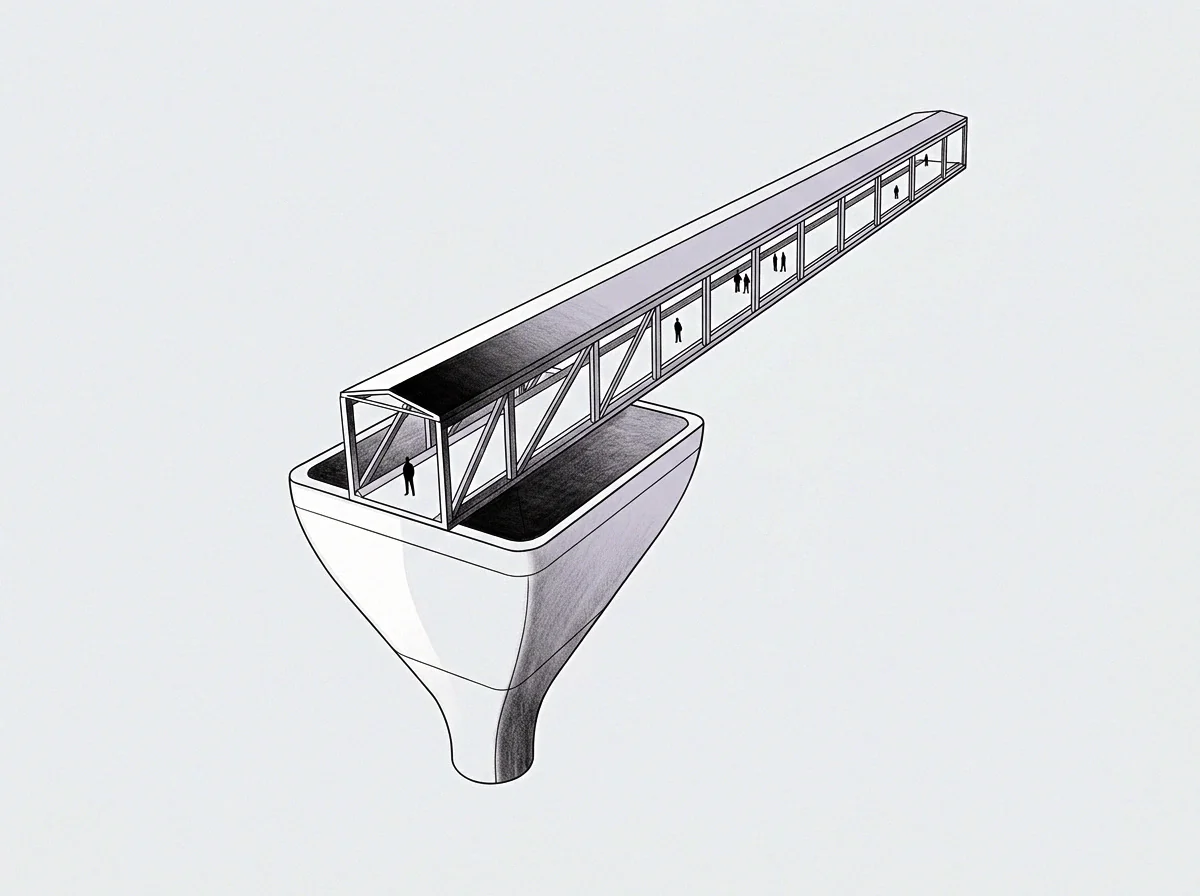
Seat
The desk stands clear of equipment, yet the arterial pressure stays high at seven in the morning. For five years, the operational tempo dictated an unrelenting neuroendocrine rhythm. Corticotropin-releasing hormone drove pituitary adrenocorticotropin, bathing the adrenal cortex in continuous instructions to release cortisol.
Epinephrine and norepinephrine poured from sympathetic nerve terminals into vascular beds, sustaining peripheral resistance and hepatic glucose release through sixty-hour weeks. That sustained sympathetic tone maintained cognitive vigilance across multiple simultaneous operational threats. The sale completes, the equity transfers, the physical chair stands empty, yet the circulatory periphery remains vasoconstricted.
The biological machinery continues to prepare for rapid crisis arbitration that no longer arrives.
This state represents uncoupled allostatic maintenance. Allostasis denotes the process of achieving physiological stability through active neuroendocrine change. The operational demands established an elevated set point, an expensive plateau of autonomic readiness.
When an operator abruptly steps away from daily executive responsibility, external regulatory inputs drop to zero within twenty-four hours. The internal endocrine drivers, however, possess clearance curves and transcriptional half-lives that span months. Adrenal hyperplasia developed across years of unrelenting operational responsibility does not resolve across a single weekend.
When external operational demand drops to zero while circulating adrenocortical hormones remain elevated, physiological idling costs spike dramatically.
The vascular tree absorbs the cost of this mismatch. Circulating catecholamines hold small arterioles in chronic constriction, sustaining elevated diastolic readings despite the absence of external conflict. Renal blood flow remains artificially restricted by residual angiotensin signaling.
The liver continues gluconeogenesis, producing elevated fasting blood sugar in an individual sitting motionless in a quiet kitchen. Cellular receptors experience this uncoupled state as an erratic storm of chemical instructions without functional utility.
Partners and peers routinely misinterpret this biological momentum. The person appears unoccupied, so the household assumes immediate physical tranquility will follow. The former operator paces corridors, checks silent servers, and snaps at mild household ambiguities.
The nervous system seeks an operational crisis to burn through the circulating adrenergic flood. Without incoming commercial catastrophes to absorb the catecholamine output, the endocrine system turns inward, generating visceral restlessness and cardiac irritability.
They remarked that free time had finally arrived, so the agitation made no sense.
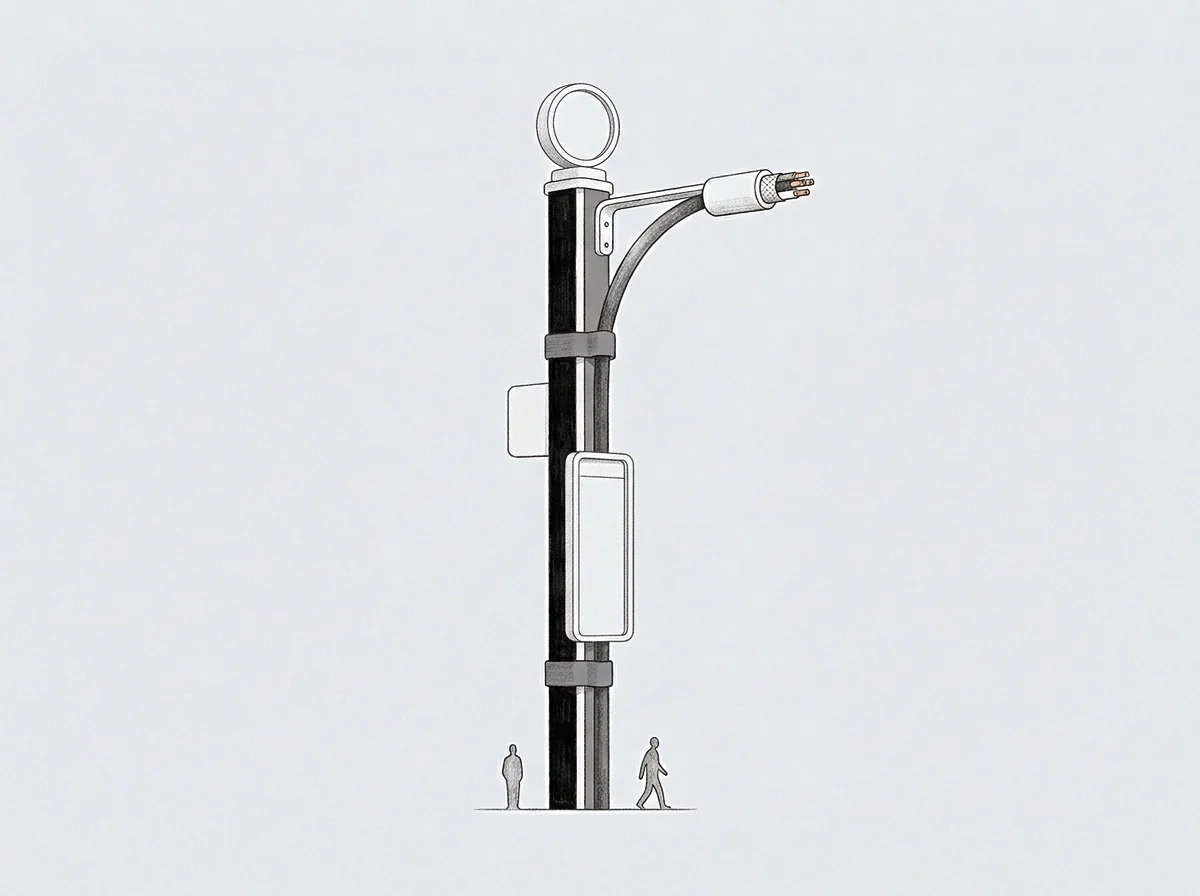
Trough
Within six to twelve weeks following complete operational disconnection, circulating steroid levels experience a precipitous descent. Prolonged hypercortisolemia eventually prompts pronounced negative feedback at hypothalamic mineralocorticoid and glucocorticoid receptors. Downregulated pituitary receptors reduce adrenocorticotropic hormone secretion.
The adrenal fasciculata, exhausted by years of supranormal synthetic output, enters relative hypofunction. The person encounters post-exit hypocortisolemia, characterized by a severely flattened diurnal cortisol curve.
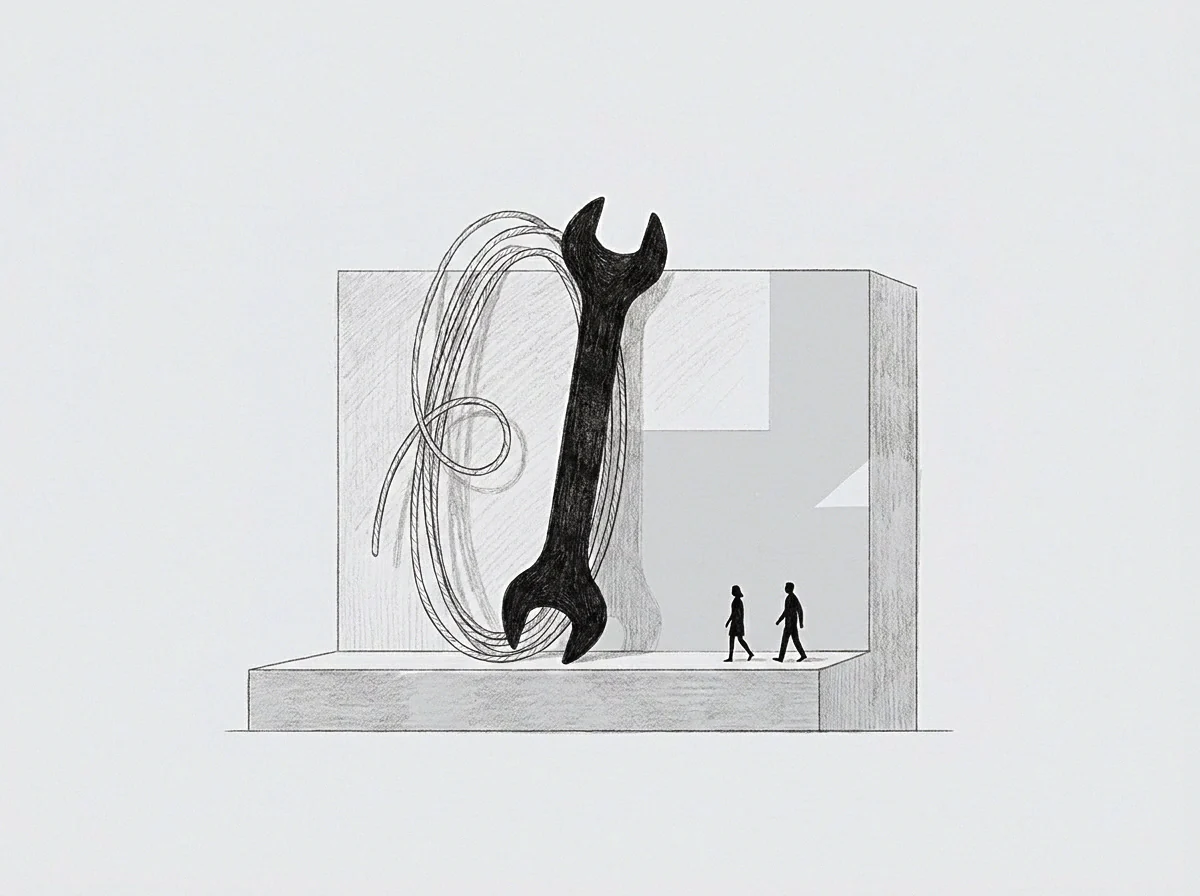
Suppression of Diurnal Cortisol Rhythms
Healthy physiology exhibits an acute surge in circulating cortisol thirty minutes after waking, termed the cortisol awakening response. This neuroendocrine surge prepares cardiovascular, metabolic, and attentional systems for diurnal engagement. In the post-exit depletion phase, this morning peak vanishes.
Salivary samples collected upon waking demonstrate a flat, sluggish profile. The operator wakes exhausted, regardless of sleep duration, experiencing profound lethargy throughout the morning hours. Metabolic clearance decelerates, leaving digestive transit slow and skeletal muscle glycogen synthesis blunted.
This endocrine trough is routinely conflated with clinical melancholia. The individual demonstrates psychomotor retardation, flat affect, anhedonia, and diminished somatic initiative. General medical practitioners observe these overt behavioral markers and prescribe selective serotonin reuptake inhibitors.
That pharmacological intervention targets central monoamines while leaving hypocortisolemic adrenal down-regulation untreated. The patient experiences increased blunting without restorative physical energy. Throttled physiology is misidentified as mood pathology.
An adrenal gland depleted by chronic operational vigilance produces the exact behavioral posture of psychiatric depression without sharing its neurochemical etiology.
The distinction rests on measurable parameters. Depression typically exhibits hypercortisolemia with dexamethasone non-suppression and elevated core body temperature. The post-exit adrenal trough presents low morning cortisol, preserved dexamethasone sensitivity, systemic hypotension, and low diurnal sympathetic tone.
The body is conserving raw metabolic currency after years of excessive expenditure. The system protects its remaining cellular resources by enforcing profound somatic withdrawal.
This biological retrenchment brings distinct physical vulnerabilities. Peripheral inflammatory markers, suppressed for years by elevated endogenous corticosteroids, rebound violently. The transcription factor nuclear factor kappa B escapes glucocorticoid suppression, driving interleukin-6 and tumor necrosis factor-alpha production.
Joint aches, latent tendinopathies, autoimmune flares, and chronic low-grade fascial pain emerge across the third and fourth months post-exit. The physiological shield provided by continuous stress hormones has dissolved before baseline immunomodulation has recovered.
Administering psychotropic medications to a purely hypocortisolemic depletion state extends recovery duration by several quarters while masking systemic autonomic exhaustion.

Brake
Restoring homeostatic flexibility demands the systematic reactivation of the parasympathetic division, specifically the myelinated subdiaphragmatic and supradiaphragmatic vagus nerve. The polyvagal architecture describes how the ventral vagal complex acts as an active deceleration mechanism upon the sinoatrial node. Under operational strain, an executive reflexively lifts this vagal brake to permit immediate sympathetic tachycardia and rapid metabolic mobilization.
Over prolonged operational cycles, the dorsal motor nucleus and nucleus ambiguus forfeit their regulatory calibration. The brake freezes open.
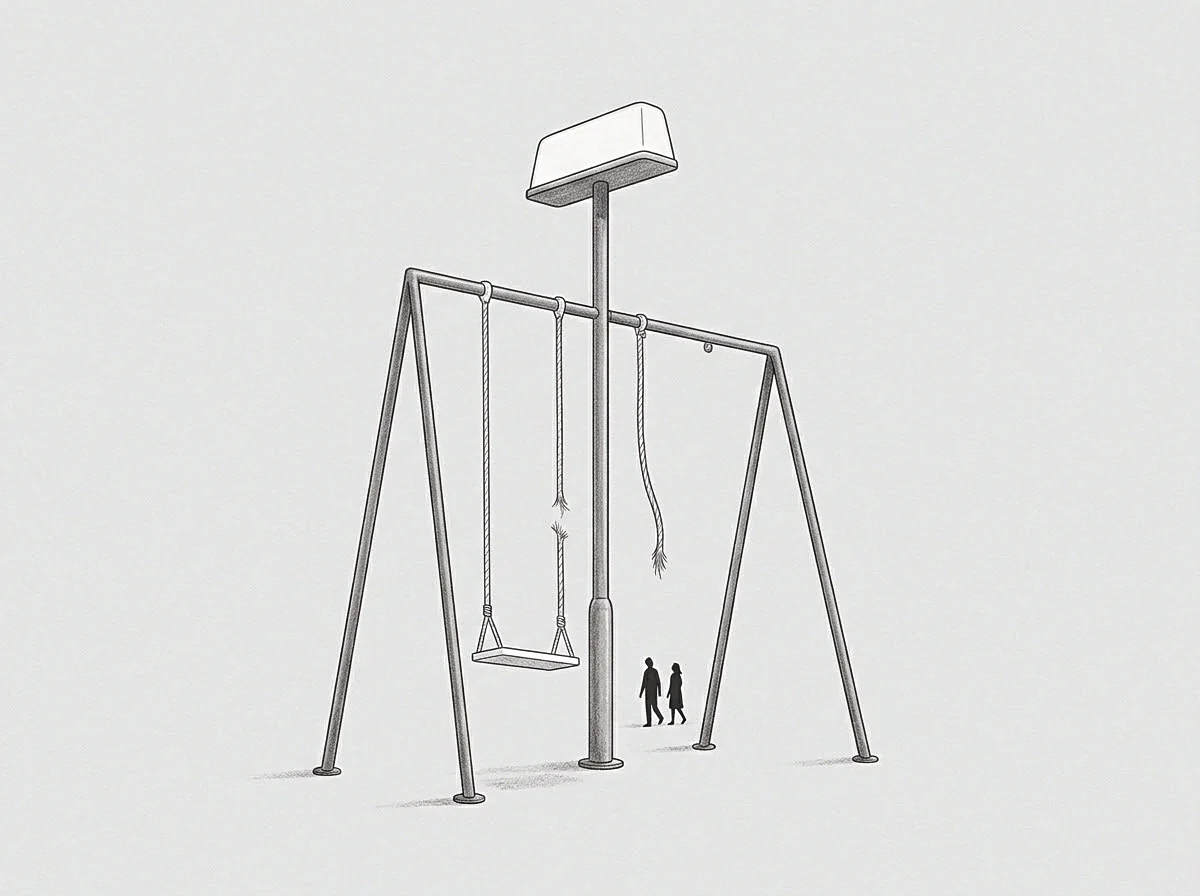
Respiratory Sinus Arrhythmia Dynamics
Cardiac vagal tone is non-invasively indexed via high-frequency heart rate variability, which tracks cyclical fluctuations in inter-beat intervals coupled to respiration. When an individual inhales, the vagus temporarily withdraws, accelerating the heart. During exhalation, acetylcholine binds muscarinic receptors at the cardiac pacemaker, abruptly slowing the beat.
This respiratory sinus arrhythmia serves as the primary metric of parasympathetic vigor. In a person newly disconnected from multi-year operational strain, high-frequency spectral power sits near the floor, indicating severe baroreflex blunting.
Re-establishing this vagal pacemaker requires deliberate physiological pacing. Slow-paced resonant breathing at approximately zero point one Hertz stimulates pulmonary stretch receptors and carotid sinus baroreceptors. Afferent signals ascend through the glossopharyngeal and vagal pathways to the solitary tract nucleus, which coordinates central autonomic outflow.
This baroreflex resonance training progressively forces the nucleus ambiguus to resume tonic inhibitory discharge to the sinoatrial node. The vascular bed regains compliance as systemic vagal tone re-establishes peripheral vasomotor oscillation.
Evidence for this autonomic restorative sequence rests on clinical trials measuring heart rate variability biofeedback in chronically fatigued industrial managers. The findings demonstrate robust shifts in root-mean-square of successive differences and baroreflex gain following twelve weeks of structured slow-paced pacing. These outcomes depend, however, on continuous compliance and strict absence of concurrent sympathetic crisis events.
Reintroducing sudden commercial escalations or high-stakes advisory contracts during the retraining phase completely abrogates vagal gains. The delicate baroreflex reset requires stable, protected environmental conditions to take root.
Is Autonomic Settling Mistaken for Clinical Depression?
The subjective experience of active vagal re-engagement feels unsettling to an operator accustomed to sustained adrenergic arousal. As acetylcholine restores gastrointestinal peristalsis and slows myocardial velocity, the central nervous system registers a profound drop in drive. Blood pressure dips.
Mental processing loses its urgent, hyper-focal clarity. The individual encounters deep visceral tiredness that sleep alone cannot remediate. This physiological decompression reflects the systemic cost of downshifting an engine that ran at redline for a decade.
The desk cannot fully defend whether structured vagal biofeedback accelerates long-term adrenocortical tissue regeneration, or merely alleviates concurrent cardiovascular symptoms while steroidogenic pathways repair along a fixed genetic timeline. When facing this biological uncertainty, the prudent operator implements rhythmic vagal retraining while simultaneously enforcing absolute protection from cognitive overloading. The practice supports autonomic stabilization regardless of the exact microvascular mechanism at play.
The open physiological question remains whether the adrenal cortex can ever fully re-establish its pre-venture cellular volume, or whether the system permanently operates with an altered, lower allostatic ceiling.
Audit
Evaluating this physiological transition requires tracking objective biological and behavioral markers across time. Subjective introspection provides flawed data because the brain of a former founder is habituated to interpreting sympathetic arousal as normal operational readiness. An objective physiological audit compares key autonomic indicators between the active venture state and the post-exit recalibration phase.
| Physiological Parameter | Active Operational State | Acute Exit Phase Month 1 to 3 | Late Recalibration Month 6 to 18 |
|---|---|---|---|
| Diurnal Cortisol Curve | Elevated morning surge with sustained plateau through late evening hours. | Suppressed morning awakening response with flat, low daytime output. | Gradual restoration of dynamic diurnal curve with normalized morning surge. |
| High Frequency HRV | Severely suppressed root-mean-square below fifteen milliseconds. | Erratic fluctuations with persistent baroreflex insensitivity. | Progressive recovery above thirty-five milliseconds with respiration resonance. |
| Fasting Blood Glucose | Elevated secondary to chronic catecholamine and cortisol gluconeogenesis. | Unstable swings with intermittent reactive hypoglycemic episodes. | Stabilization within normal baseline without exogenous adrenergic spikes. |
| Resting Heart Rate | Elevated resting rate often exceeding seventy-five beats per minute. | Tachycardia-bradycardia instability during postural shifts. | Consistent low resting rate between fifty-two and sixty beats per minute. |
| Systemic Inflammatory Load | Masked and suppressed by high circulating endogenous corticosteroids. | Sharp rebound in joint pain, skin conditions, and cytokine expression. | Settled immune homeostasis with balanced baseline inflammatory markers. |
Interpreting these metrics requires isolating distinct physiological failure modes that frequently sabotage the recalibration process. Without clear behavioral gating, the individual slips into patterns that prolong neuroendocrine mismatch.
- Pseudo Venturing manifests as immediate angel investing, board seats, or unpaid advisory roles that re-establish high-concurrency adrenergic loops without the compensation or authority of an executive seat.
- Pharmacological Overriding involves the aggressive use of stimulants, modafinil, or excessive caffeine to artificially bridge the hypocortisolemic morning trough, directly preventing adrenal tissue rest.
- Athletic Overreaching occurs when an operator attempts to exhaust residual mental restlessness through extreme endurance events, driving an already depleted neuroendocrine system into secondary systemic collapse.
- Social Baseline Deprivation emerges when an individual abruptly severs all daily interaction with colleagues, removing the low-cost nervous system co-regulation provided by trusted working relationships.
Avoid substituting extreme athletic physical exertion for operational stress during the period when the diurnal cortisol rhythm remains uncalibrated.
Stride
Re-establishing long-term stability requires building an operational cadence centered on neuroendocrine capacity rather than open-ended willpower. The individual must gate incoming sensory, relational, and commercial demands to preserve restored headroom. In the active operating years, external structure supplied the cadence: board meetings, product releases, cash burn deadlines, and personnel reviews forced a rigid temporal scaffold.
When that scaffold vanishes, the unregulated nervous system tends to either collapse into inert exhaustion or invent synthetic crises to recreate familiar adrenergic tone.
A structured daily cadence operates as an artificial external pacer. The person anchors waking hours, natural light exposure, physical mobilization, and cognitive engagement to absolute temporal slots. Early morning exposure to natural solar photons resets the suprachiasmatic nucleus, stimulating the central circadian clock and providing the primary trigger for cortisol synthesis restoration.
Feeding schedules must remain strictly predictable to support liver glycogen rhythms and prevent metabolic instability from triggering secondary sympathetic surges.
True physiological headroom is measured by the body capacity to remain parasympathetically dominant in the presence of ambiguous unstructured time.
Relational engagement must also be re-evaluated through the lens of metabolic cost. During intense operational years, founders routinely practice borrowed regulation, utilizing the presence of an experienced executive team to stabilize mutual allostatic loads. In the post-exit isolation, that mutual scaffolding dissolves.
Unstructured social interactions with acquaintances who expect celebratory exuberance impose high regulatory taxes. The person must identify low-demand relational environments where social engagement does not require maintaining an executive persona.
Cognitive thread gating provides the final regulatory boundary. The executive mind instinctively tracks unclosed loops. A simple conversation regarding a prospective investment, an ambiguous note from an acquirer regarding an indemnity escrow, or an unresolved intellectual query consumes a cognitive processing slot.
When four or five of these ungated threads remain open simultaneously, the central autonomic network registers unresolved environmental threat, quietly reactivating sympathetic vasoconstriction. Each incoming thread must be assigned precise terms, an explicit date, and a narrow scope, or be entirely dismissed.
The uncoupling process is complete when unstructured hours no longer trigger automatic autonomic panic, and when physical stillness is accompanied by deep, regular diaphragmatic excursion, warm peripheral extremities, and a quiet vascular tree.