
Quantifying Cellular Glucocorticoid Resistance Thresholds During Corporate Distress
Systemic glucocorticoid resistance emerges when chronic elevated cortisol downregulates peripheral receptor sensitivity during sustained insolvency negotiations.

Assay
Peripheral leukocytes exposed to sustained adrenocortical activation alter their transcriptional response to endogenous steroids. When corporate distress extends past six fiscal quarters, executive blood panels show elevated circulating cortisol alongside rising inflammatory markers. Laboratory quantification of glucocorticoid receptor resistance depends on ex vivo stimulation assays: technicians incubate isolated peripheral blood mononuclear cells with lipopolysaccharide alongside escalating concentrations of dexamethasone to plot the suppression curve of interleukin six and tumor necrosis factor alpha.
A rightward shift in the half maximal inhibitory concentration defines the cellular resistance threshold.
Under continuous financial strain, high basal steroid levels downregulate receptor density across target leukocytes. Membrane transporter capacity remains intact, but intracellular signaling pathways blunt gene transcription. In nuclear translocation assays, steroid receptor homodimers show reduced binding to hormone response elements within the promoter regions of target anti-inflammatory genes.
A rightward shift in the half maximal inhibitory concentration marks the cellular resistance threshold under sustained operational distress.
Clinical evaluation of this state requires controlled stimulation. Basal salivary cortisol offers poor resolution because circulating hormone levels decouple from receptor-mediated signal transduction, while a standard twenty-four-hour urinary free cortisol test reflects adrenal output without capturing peripheral target tissue insensitivity. Measuring the functional capacity of leukocytes to halt cytokine synthesis under pharmacological challenge instead relies on ex vivo dexamethasone suppression assays of whole blood cultures.
This shift reflects receptor downregulation that emerges as debt service coverage ratios fall below parity and restructuring negotiations enter forbearance cycles, where endocrine profiles show an altered half maximal inhibitory concentration. Cellular insensitivity develops through continuous receptor occupancy by endogenous ligands. A formal standstill agreement freezes debt service obligations, yet physiological signaling continues unabated until operational liquidity returns.
Floor
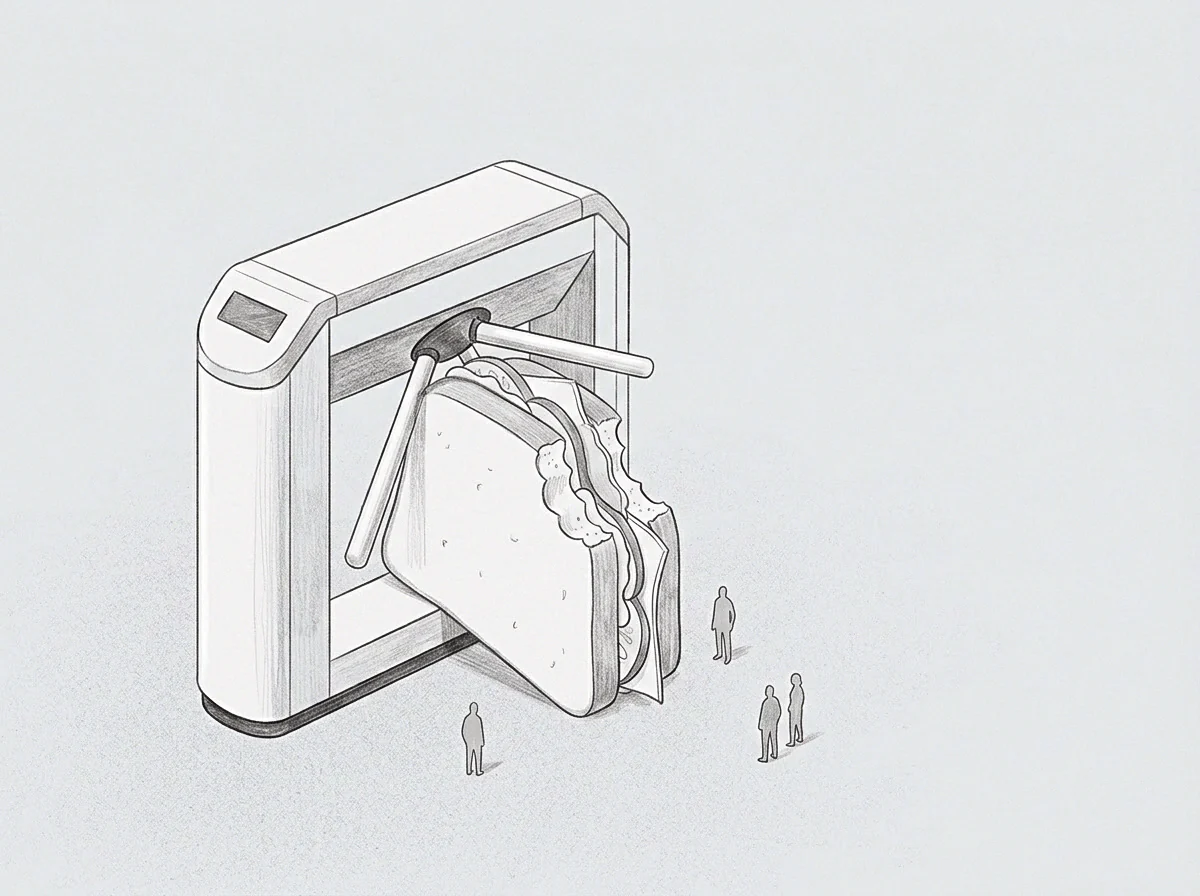
Under baseline conditions, steroid production follows a predictable diurnal rhythm: plasma cortisol peaks thirty minutes after waking and falls steadily toward a midnight nadir. During balance sheet crises, that physiological profile flattens into a sustained, high-output curve. The adrenal cortex produces steroids continuously to supply glucose to the central nervous system, keeping peripheral blood pressure elevated and metabolic reserves mobilized.
The baseline floor arrives when diurnal variance between morning and evening collections falls below twenty percent. That flattened slope marks an uncoupling of feedback inhibition in the hypothalamic-pituitary-adrenal axis. To protect peripheral tissues from steroid-induced catabolism, circulating leukocytes blunt glucocorticoid signaling cascades and reduce surface receptor sensitivity.
Diurnal slope flattening marks the decoupling of central feedback inhibition.
This state remains distinct from adrenal insufficiency. The adrenal glands continue synthesizing steroids at elevated rates while peripheral tissues refuse the signal; reading this state as simple fatigue misses an active systemic defense against continuous catabolic signaling.
- Blunted Diurnal Rhythm presents as an elevated evening cortisol concentration exceeding fifty percent of the morning waking baseline.
- Steroid Receptor Desensitization appears when peripheral mononuclear cells require tenfold increases in ligand concentration to suppress inflammatory transcription.
- Elevated Basal Cytokines persist in circulation despite high serum cortisol concentrations.
- Adrenal Cortical Hypertrophy develops through weeks of adrenocorticotropic hormone drive during active covenant default proceedings.
Prolonged corporate distress maintains this metabolic floor. The organism sustains continuous vigilance as cash reserves dwindle toward insolvency, diverting physical resources away from tissue repair and immune surveillance to maintain central metabolic readiness.
Recovery of the circadian rhythm proceeds only after metabolic demand drops below baseline capacity.

Splice
Alternative splicing of the nuclear receptor gene transcript governs peripheral sensitivity. The primary transcript of the human glucocorticoid receptor gene generates two major isoforms designated alpha and beta. The alpha isoform acts as the ligand-activated transcription factor that mediates anti-inflammatory gene regulation.
The beta isoform resides constitutively in the cell nucleus, lacks the ligand-binding domain at the carboxyl terminus, and acts as a dominant-negative inhibitor of alpha activity.
Prolonged exposure to distress alters the intracellular ratio of these protein isoforms. Inflammatory cascades, driven by continuous sympathetic tone, upregulate the serine-arginine-rich splicing factors that favor beta isoform production. Mononuclear cells with high beta-to-alpha ratios show marked resistance to dexamethasone suppression, continuing cytokine release despite pharmacologic steroid concentrations.
A second regulatory layer operates through the molecular chaperone system, where intracellular glucocorticoid receptors assemble into multiprotein complexes containing heat shock proteins and immunophilins.
Under chronic debt refinancing pressure, the immunophilin FK506 binding protein 51 undergoes rapid transcriptional induction. Binding the receptor complex with high affinity, it reduces ligand affinity and slows translocation to the nucleus. An intracellular ultra-short feedback loop develops: high cortisol concentrations induce the chaperone protein, which in turn leaves the cellular machinery insensitive to subsequent cortisol exposure.
Elevated chaperone protein concentration reduces ligand binding affinity within target leukocytes.
This molecular modification isolates the cell from circulating signals. The founder or executive experiences physiological throttling, operating with high systemic stress hormones while target organs experience localized inflammatory activation. This condition resembles peripheral endocrine resistance syndromes observed in septic shock and chronic inflammatory disorders.
Where alternative splicing shifts from a reversible protective adaptation to a persistent epigenetic modification remains an unresolved question in molecular physiology.

Drift
Glucocorticoid sensitivity declines along a measurable timeline as corporate balance sheets contract. The physiological transition divides into distinct operational phases characterized by specific endocrine and biochemical markers, allowing the accumulation of allostatic load to be quantified across multi-quarter restructuring initiatives.
Endocrine parameters, receptor sensitivity metrics, and operational variables shift progressively across stages of insolvency:
| Distress Stage | HPA Axis Output | EC50 Shift | FKBP5 Expression | Splicing Isoform Ratio |
|---|---|---|---|---|
| Solvent Operations | Preserved diurnal slope | Baseline reference | Normal basal levels | Dominant alpha isoform |
| Liquidity Contraction | Elevated morning peak | Twofold rightward shift | Moderate upregulation | Emergent beta expression |
| Covenant Default | Flattened diurnal curve | Fivefold rightward shift | High induction | Substantial beta increase |
| Insolvency Proceedings | High tonic output | Tenfold rightward shift | Maximal saturation | Dominant-negative beta shift |
During the initial phase of liquidity contraction, elevated morning cortisol remains capable of suppressing peripheral inflammation while receptors clear hormone loads efficiently. As financial distress advances into formal covenant default, receptor downregulation accelerates until the system requires progressively higher ligand concentrations to achieve minimal transcriptional activation. The fivefold rightward shift in the half maximal effective concentration indicates that ordinary physiological feedback loops have failed.
The final phase of corporate restructuring locks this molecular profile into place: peripheral cells operate in profound resistance while the individual presents with elevated systemic inflammation alongside hypercortisolemia.
Treating this physiological state as an acute psychological reaction produces medical interventions that fail to restore systemic balance while underlying insolvency continues to consume biological capacity.
Grid
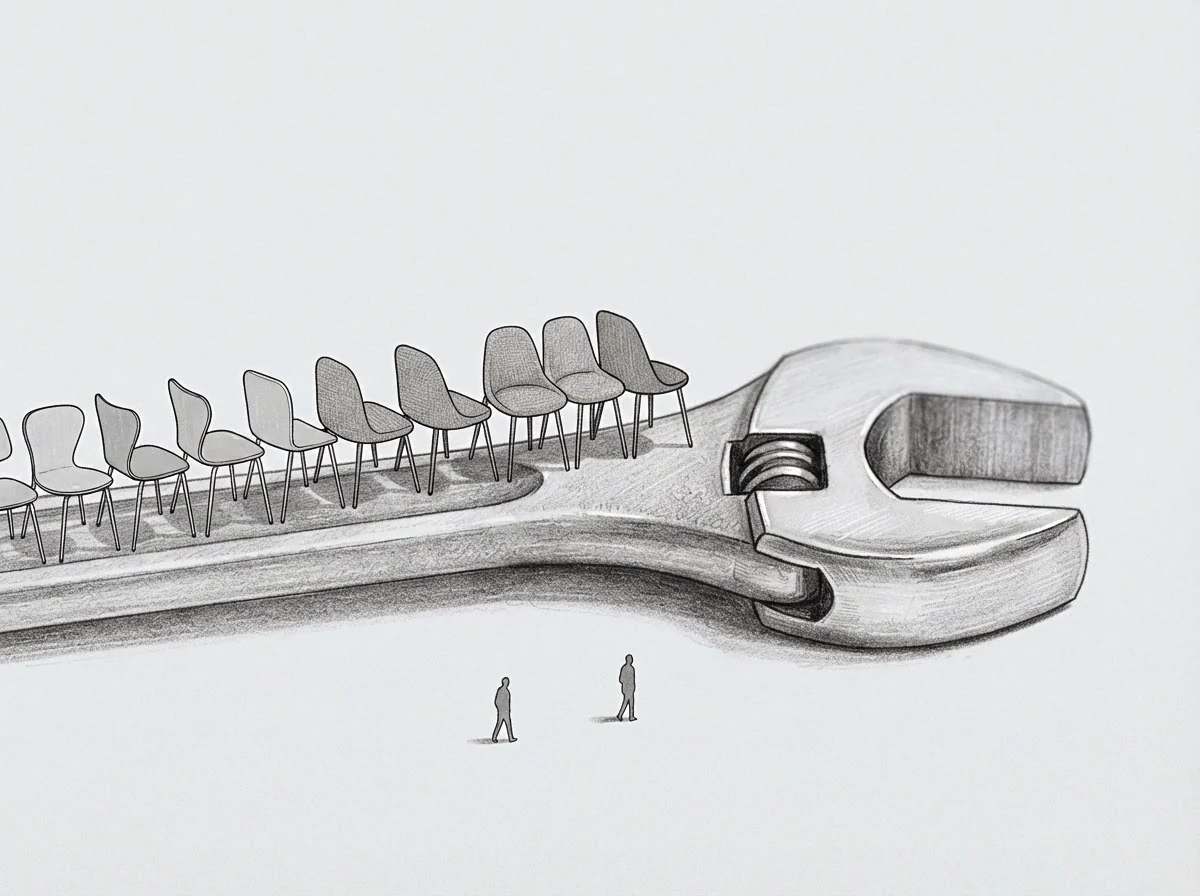
Managing systemic physiological wear requires gating incoming structural load. Corporate insolvency introduces an unconstrained volume of ungated threads into the operating environment: each open financial loop, unresolved creditor demand, and pending vendor default occupies a regulatory slot within the nervous system. When the count of active threads exceeds biological processing capacity, autonomic tone remains permanently engaged.
The nervous system operates under strict concurrency limits. A single founder or executive can maintain regulatory control over only a small number of critical variables at once. In formal distress, simultaneous obligations overwhelm that architecture, producing systemic throttling as incoming threat signals saturate every available processing channel.
Unconstrained operational threads consume regulatory headroom and accelerate peripheral cellular resistance.
Restoring cellular sensitivity demands structural intervention rather than psychological adaptation. Gating operational loops creates the physiological clearance necessary for receptor resensitization. Creditor demands require formal structural channels with fixed dates and defined terms; routing unresolved obligations outside immediate executive attention frees biological capacity, allowing diurnal endocrine rhythms to re-establish normal amplitude.
The board requires balance sheet resolution before any consideration of organizational restructuring can proceed.