
Quantifying Headroom Depletion Across Covert Coregulation Threads in Early Teams
Covert coregulation rapidly exhausts executive headroom by diverting finite autonomic and metabolic reserves into unmetered peer stabilization.
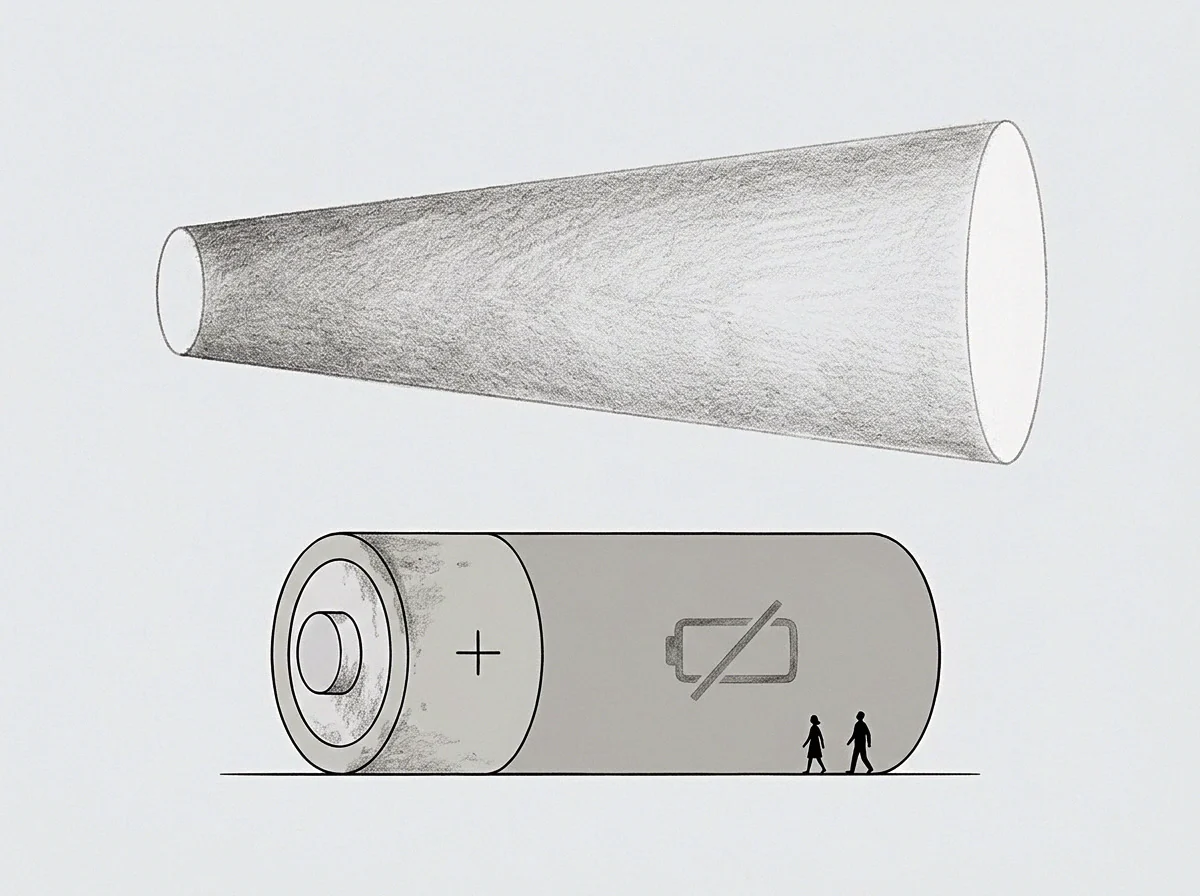
Tether
Four chat windows remain open at midnight on a Tuesday while the desk lamp reflects off an untouched technical review. In each window, an early team member reports an operational obstacle that is nominally technical yet carries an unspoken bid for somatic stabilization. One engineer expresses panic regarding database replication latency through repeated punctuation.
An operator messages three times about an ambiguous conversation with an early client, seeking reassurance disguised as project coordination. The person at the center writes calm, reassuring sentences, evening out the panic, absorbing the anxiety, and pacing each reply to project steady equilibrium. The slot remained occupied.
Covert coregulation occurs when one person systematically stabilizes the nervous systems of colleagues without an explicit mandate, agreement, or operational metric. Social baseline theory establishes that the human brain treats relational proximity as an energy-saving resource. Under perceived threat or acute task uncertainty, an individual naturally offloads biobehavioral regulation onto a perceived anchor.
When early organizational structures lack explicit protocols for handling uncertainty, the emotional turbulence of early execution channels into the most relationally responsive person in the room. This process operates beneath functional workflows, disguised as standard collaboration, mentoring, or leadership presence.
A reliable individual functioning as an unmetered physiological stabilizer attracts escalating volumes of team agitation whenever environmental uncertainty spikes.
The exchange leaves no artifact. Because the transaction resembles routine engineering triage or product discussion, the team registers the conversation as an operational check-in. The stabilizing partner experiences a silent withdrawal of neurobiological resources.
The autonomic nervous system modulates heart rate variability, suppresses cortisol elevation, and expends glucose to present a tranquil exterior that permits the counterpart to downregulate. Allostatic load accumulates through this constant physiological compensation. The primary drain is not the technical problem solving; it is the biobehavioral expenditure of maintaining autonomic steadiness so another person can return to baseline function.

Borrowed Regulation and the Unspoken Pact
Colleagues frequently seek out specific peers before executing high-stakes tasks, using the contact to steady their respiratory rate and settle cognitive alarm. This dynamic forms an invisible dependency. The team member borrows the anchor’s autonomic stability to complete basic tasks, bypassing the discomfort of building autonomous self-regulation under stress.
Over successive quarters, this pattern establishes an unwritten operational assumption: the stabilizing person will absorb the emotional turbulence of the team so the team can maintain execution speed. The transaction remains completely invisible on sprint boards, roadmaps, and balance sheets.
The central question is how long an organization can rely on unacknowledged biological subsidies before the anchor’s capacity breaks under the unmeasured strain.
Toll
Every biological system operates with finite regulatory reserves, and unmetered interpersonal stabilizing accelerates the burn rate of those reserves. Regulatory headroom represents the margin between baseline metabolic expenditure and the maximum capacity available to absorb novel systemic stress. When an individual continuously expends neuroendocrine reserves to calibrate the affective states of three or four teammates, that margin shrinks toward zero.
The person loses the ability to respond flexibly to external surprises, market shifts, or internal operational shocks. Headroom dropped to zero.
A sustained deficit in reserve capacity changes physiological state variables long before observable productivity metrics collapse. Basal sympathetic tone rises, vagal brake efficiency declines, and systemic inflammatory markers increase. Occupational health research demonstrates that chronic interpersonal regulation under tight time constraints alters the hypothalamic-pituitary-adrenal axis, inducing a state of systemic wear that impairs executive control.
The stabilizing partner begins to drop complex cognitive synthesis, deferring long-range structural decisions to preserve enough metabolic fuel to handle immediate emotional emergencies arriving across direct messages.
The unmetered absorption drains the reserve.
- Affective bridging consumes metabolic glucose through prolonged suppression of the stabilizer’s own stress responses while holding an artificial exterior of calm for agitated peers.
- Attentional splintering fragments deep working blocks into brief intervals bounded by incoming requests for somatic reassurance disguised as procedural questions.
- Allostatic accumulation elevates chronic circulating glucocorticoids, impairing sleep architecture and blunting executive working memory capacity over extended operational quarters.
- Strategic paralysis forces the deferral of complex architectural moves because immediate relational fires consume every uncommitted hour of cognitive energy.
Unchecked interpersonal subsidization degrades the stabilizing partner’s cognitive horizon until trivial daily frictions produce disproportionate systemic exhaustion.
Bench
Examining the structural mechanics of team communication reveals clear boundaries between productive operational alignment and covert emotional containment. Procedural coordination operates through formal specifications, clear delivery criteria, and measurable artifacts. Covert coregulation operates through open loops, continuous availability expectations, and the unmetered absorption of peer anxiety.
Distinguishing these two modes is vital for auditing actual executive capacity.
| Operational Criterion | Explicit Procedural Coordination | Covert Coregulation Channel |
|---|---|---|
| Channel Definition | Scoped tasks, explicit tickets, and scheduled synchronization points. | Continuous direct messaging with expectation of immediate soothing. |
| Resource Consumed | Working memory applied to domain problems and product architecture. | Neuroendocrine stability, autonomic calibration, and glucose reserves. |
| Visible Output | Committed code, operational documentation, and signed vendor agreements. | Temporary anxiety reduction in team members with zero visible artifacts. |
| Systemic Dependency | Distributes capability across shared protocols and documented steps. | Concentrates vulnerability in a single person acting as emotional shock absorber. |
| Capacity Impact | Expands team output through predictable asynchronous execution handoffs. | Depletes discretionary cognitive reserves and limits long-range focus. |
In early venture structures, these covert demands frequently replace missing management systems. When an early venture lacks documented escalation pathways or clear criteria for decision ownership, team members feel acute vulnerability. They seek interpersonal contact to neutralize that ambiguity.
The team member who answers first, listens patiently, and projects certainty inherits the informal duty of holding the company’s collective nervous system together.
A team lacking written operational boundaries inevitably converts its most empathetic member into an unmetered emotional waste dump.
The person absorbing the shock wave rarely names the dynamic because society frames relational responsiveness as commendable commitment. They accept the burden as an inevitable personal duty of leadership. Over twelve to eighteen months, this informal subsidization masks systemic structural deficiencies.
The executive thinks the team functions well, failing to realize that team velocity depends entirely on one person burning personal biological reserves to patch organizational deficits. Capacity is finite.
A formal clause establishing explicit communication hours and ticket-based triage shifts the burden of emotional containment back onto documented operating procedures.
Throttle
Systemic overload manifests in two distinct patterns that observers routinely misread. Clinical depression involves pervasive anhedonia, subjective despair, and an internal collapse of agency across all contexts. In contrast, physiological throttling represents an adaptive, protective downshifting executed by an overburdened nervous system to prevent complete catastrophic failure.
A throttled operator retains deep domain interest and sharp analytical competence, yet finds initiating novel interpersonal contact virtually impossible. The breaker trips to protect the biological core.
Execution slows across all fronts. When an individual reaches the concurrency ceiling of unmetered coregulation loops, the autonomic system withdraws social engagement capacity. The person stops checking messaging channels, delays responding to direct inquiries, and seeks physical isolation away from the team.
Colleagues misinterpret this protective shutdown as emotional detachment, professional cynicism, or executive negligence. The team reads self-preservation as a moral failure of dedication.
Consider an engineering lead and a technical co-builder operating across thirty-six months without defined boundaries. The lead handles core system design while simultaneously calming two junior engineers through daily panic cycles regarding production deployments. As customer load doubles, the junior engineers increase their distress pings from three times weekly to four times daily.
The lead absorbs each tremor, smoothing ruffled feathers, talking people down from panic, and staying late to review basic commits.
By month twenty-four, the lead stops opening incoming direct messages before midday. Complex code reviews linger for days without feedback. When the co-builder asks why roadmap deliverables stalled, the lead stares silently at the desk surface, unable to articulate the invisible weight of carrying three nervous systems alongside the technical architecture.
The co-builder attributes the stall to burnout or declining motivation. The diagnosis misses the reality entirely. The lead is not depressed; the lead is running a biological engine whose cooling capacity was overwhelmed by unmetered coregulatory traffic.
When a biological regulator hits peak capacity, the nervous system enforces withdrawal to prevent metabolic collapse.
The baseline had shifted. The person could still write intricate algorithms or parse complex legal documents in solitude, but one additional emotional inquiry induces acute autonomic paralysis. The nervous system recognizes that taking on one more open loop will exhaust remaining reserves.
The shutdown is functional, logical, and protective.
The operator said nothing for three weeks because every message received felt like a physical assault on an empty tank.
Fence
Restoring depleted headroom demands structural intervention rather than personal resilience efforts. One cannot meditate or breathe a way out of an arithmetic deficit where incoming interpersonal demands exceed physiological processing capacity. The remedy requires building physical, operational, and temporal barriers that convert open relational loops into closed, bounded interactions.
The line stayed active until a boundary severed it.
The primary mechanism for defending headroom is establishing explicit gated communication channels. Gating forces an incoming request to carry scope, context, and urgency markers before it reaches an individual’s consciousness. Unscheduled direct messages that mix emotional distress with technical execution must meet rigorous friction.
When an organization routes urgent operational inquiries through asynchronous, public issue trackers, it strips away the covert bid for somatic soothing, forcing the interaction to remain focused on the actual operational obstacle.
- Channel containment routes technical troubleshooting through public team forums, preventing individual direct messages from becoming private emotional shelters.
- Temporal rationing confines collaborative synchronization to fixed daily windows, reserving substantial morning blocks for unfragmented deep cognitive work.
- Explicit triage requires team members to document three independent troubleshooting steps before escalating a blocker to senior leadership.
- Capacity limits enforce a maximum cap on active concurrent mentorship lines held by any single operator within a quarterly cycle.
The second operator logged off. Shifting to gated communication initially produces friction across the team. Team members who grew accustomed to borrowing regulation from an anchor will experience the boundary as sudden coldness or rejection.
They may push harder, escalating trivial problems to trigger the historical soothing response. Holding the boundary requires tolerating the team’s temporary discomfort as they build autonomous self-soothing mechanisms and learn to rely on written procedures rather than human shock absorbers. One slot stayed shut.
Gating the channels does not eliminate empathy; it protects the cognitive capacity that allows the enterprise to survive. When the anchor’s regulatory reserves recover, strategic clarity returns, long-range technical planning resumes, and the organization transitions from an unsustainable biological subsidy to durable, distributed execution. A silent drain continued until the structure changed.
A closed channel preserves more executive capacity than a dozen hours of post-exhaustion recovery.