
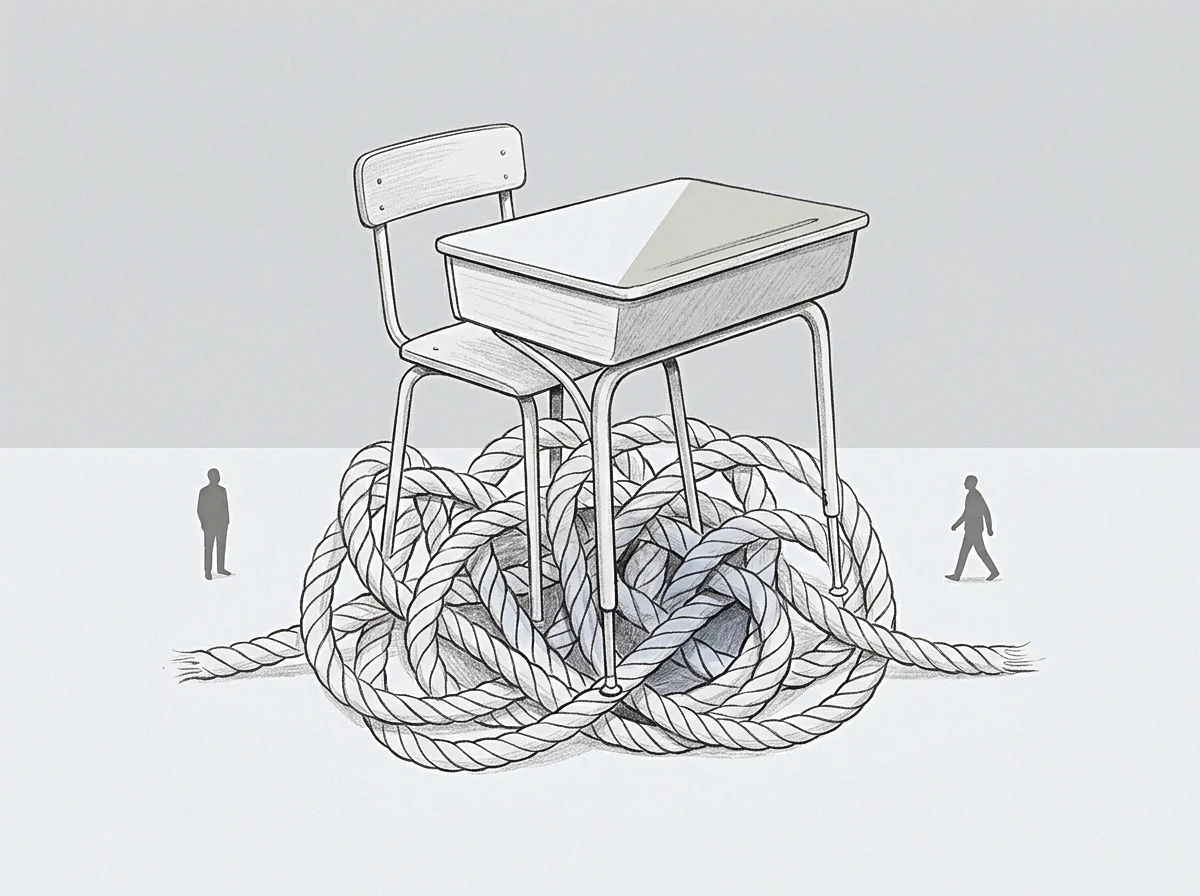
Autonomic Regulation Mechanics In High Pressure Co-Founding Environments
Executive nervous systems outsource regulation through proximity, but inverted templates force one partner to bear the metabolic cost of team stability.
Executive nervous systems outsource regulation through proximity, but inverted templates force one partner to bear the metabolic cost of team stability.
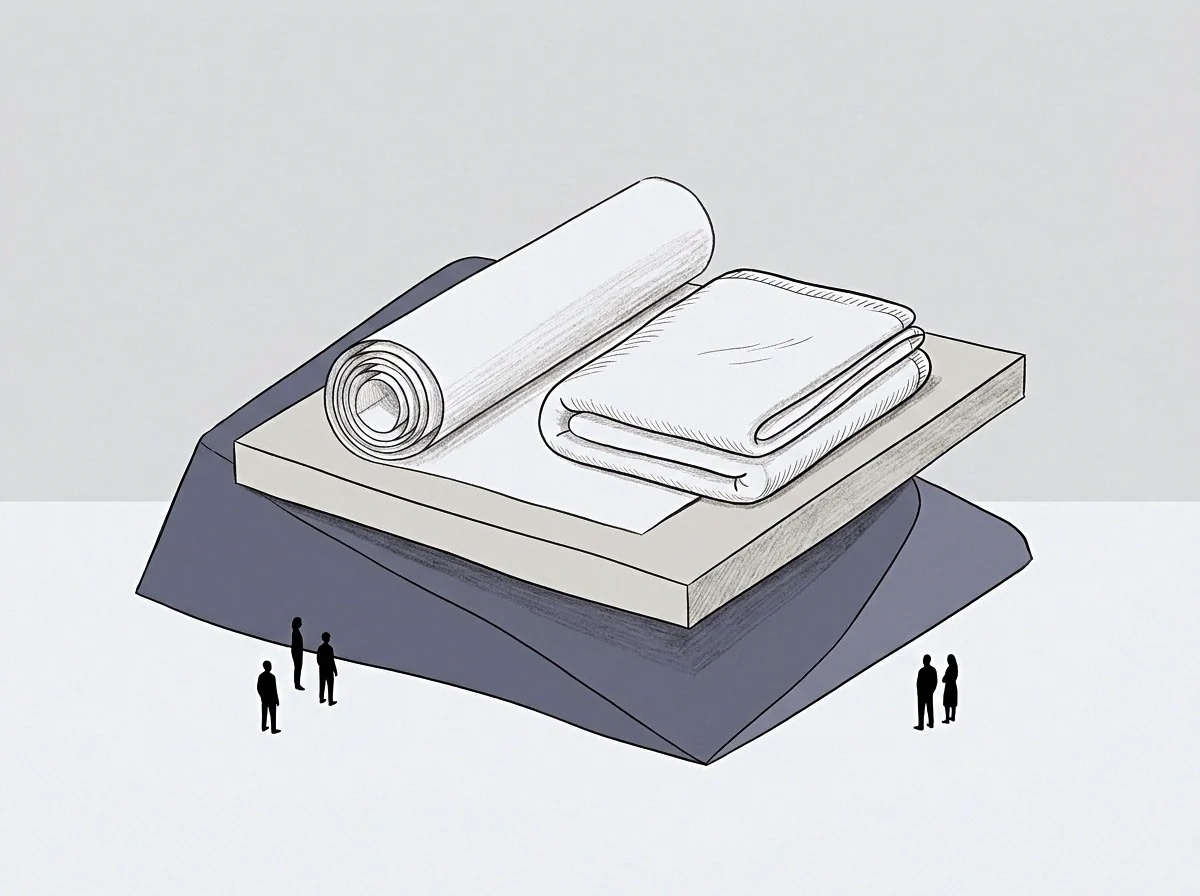
Chronic executive demand elevates allostatic load, triggering autonomic throttling that suppresses cognitive headroom to preserve baseline physiological integrity.
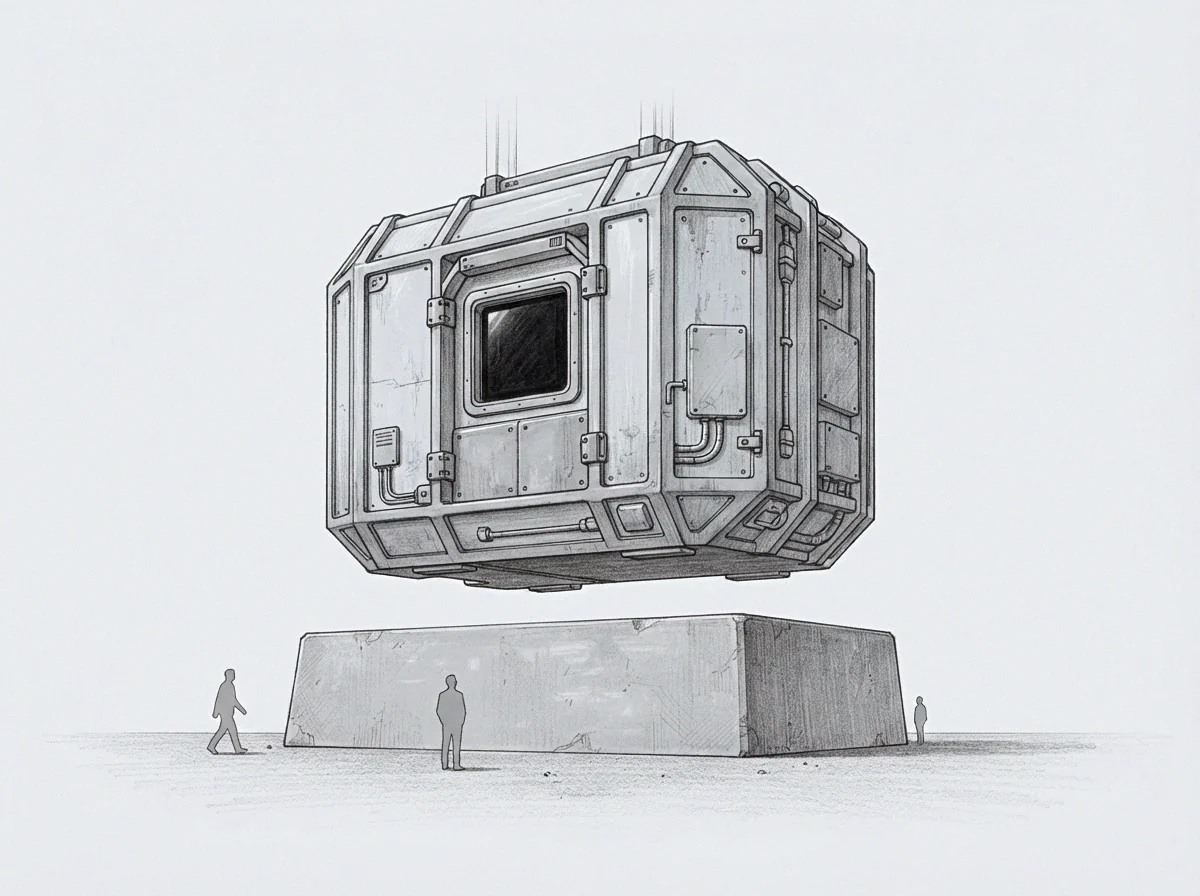
Isolated nervous system regulation forces the brain to spend extra metabolic energy on self-soothing, accelerating physiological wear under operational load.
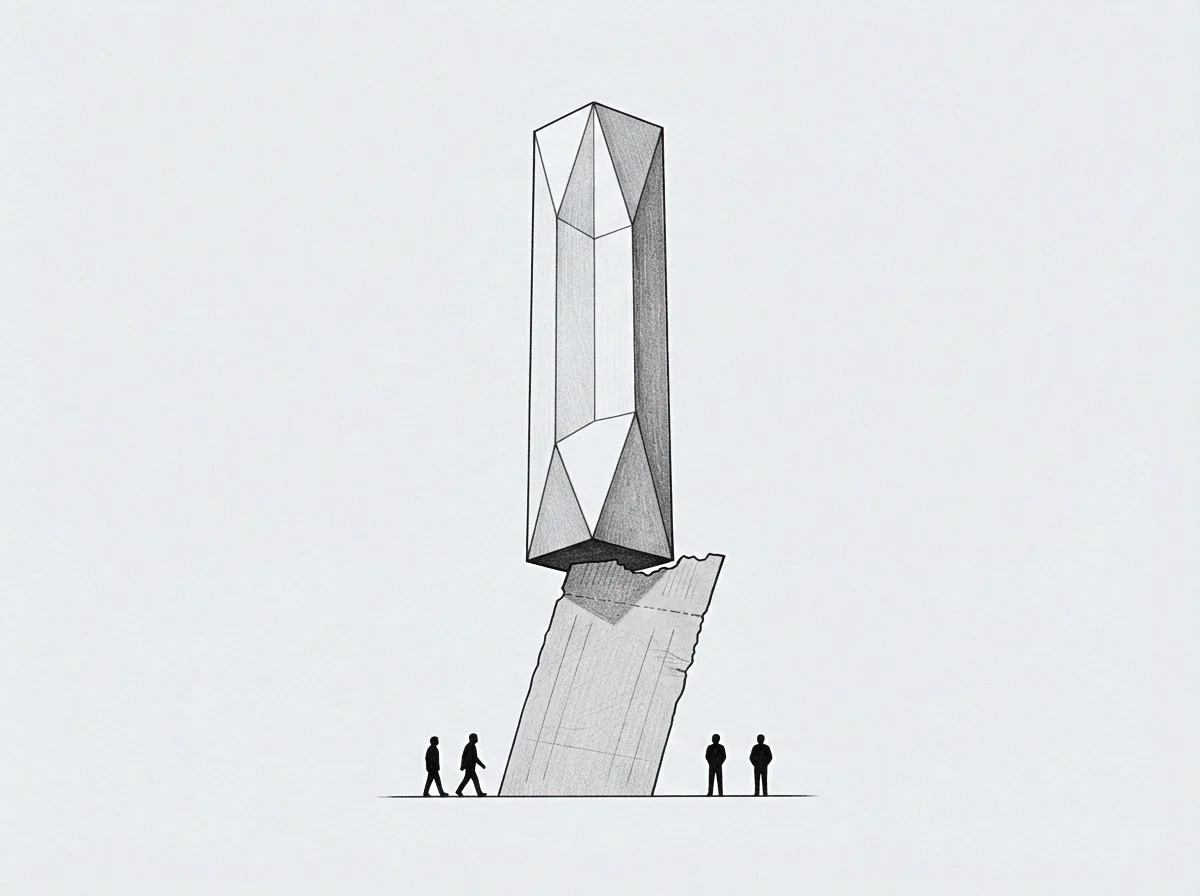
Solitary self regulation increases metabolic threat costs, whereas proximity to a stable presence reallocates autonomic capacity toward execution.
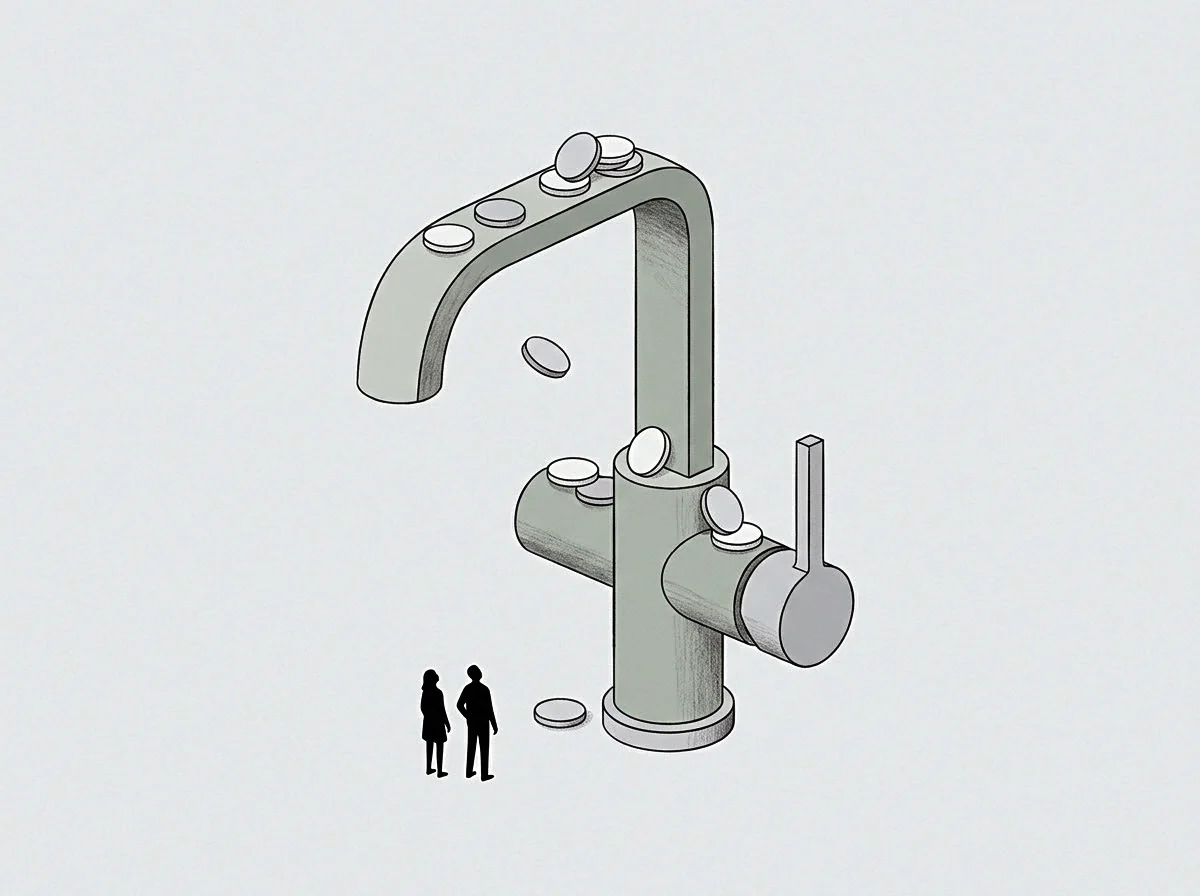
Intellectual understanding fails to soothe autonomic threat because subcortical regulation requires repeated relational safety signals rather than cognitive insight.
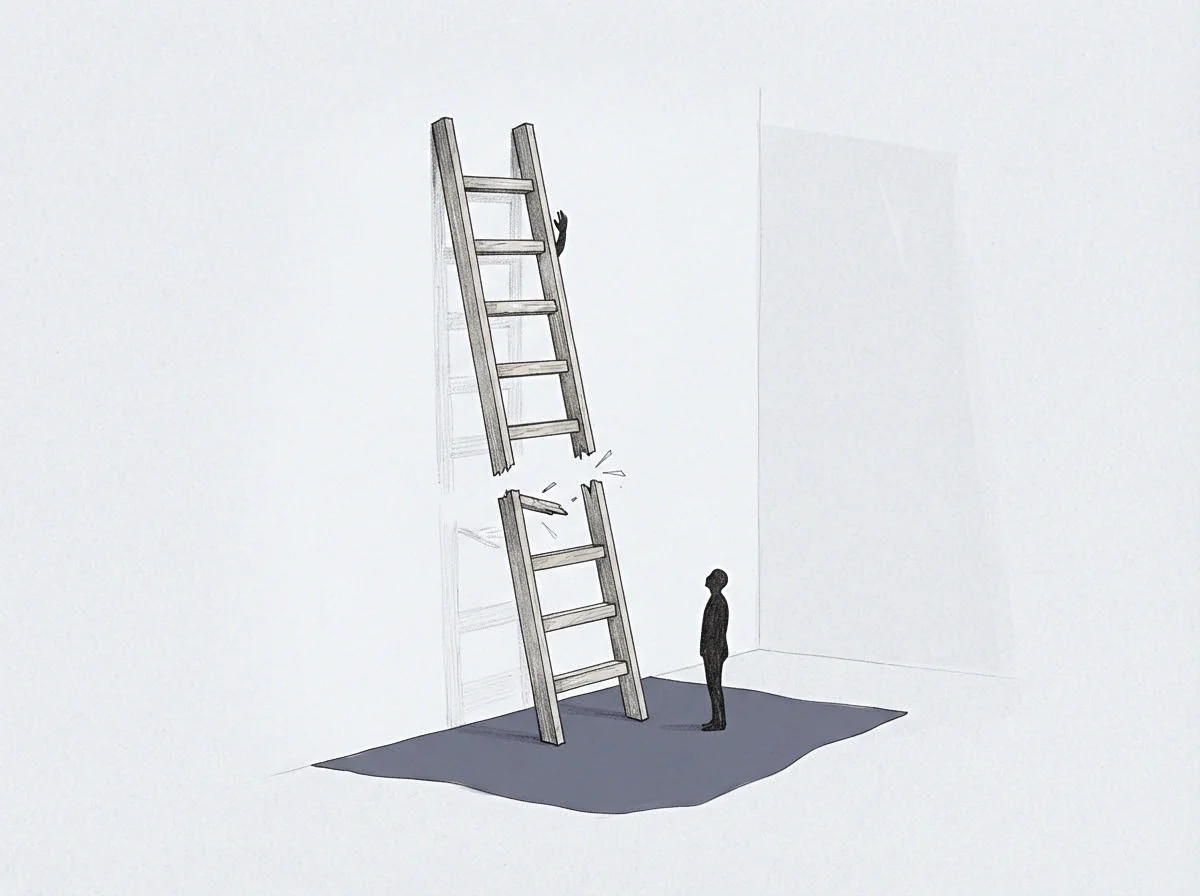
Unidirectional executive regulation shifts team autonomic strain onto a single leader, creating quiet allostatic load and eventual system throttling.

Solitary autonomic regulation under organizational scaling drives allostatic overload, forcing neuroendocrine biological throttling when shared social baselines are absent.
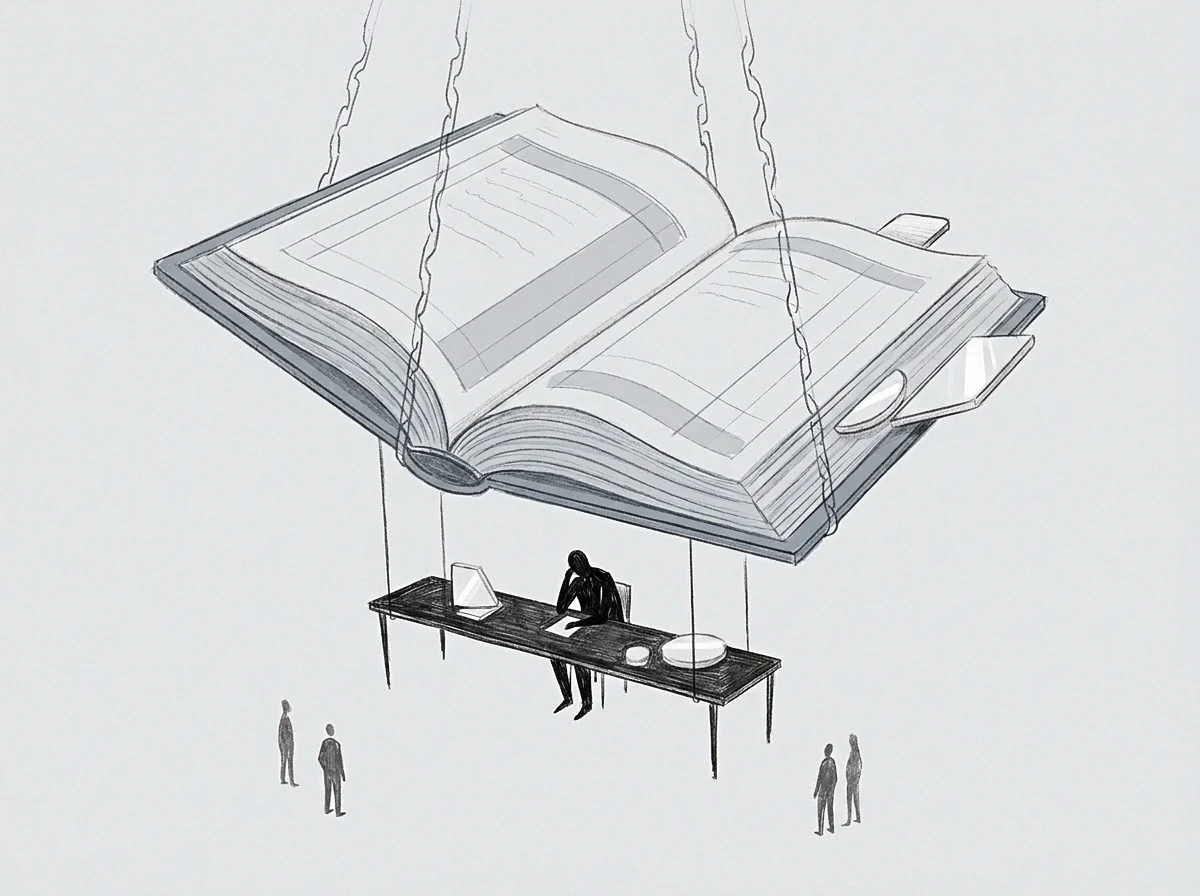
Allostatic load escalates when executive teams rely on a single leader for regulation, which alters metabolic budgeting until explicit operational limits distribute threat processing.
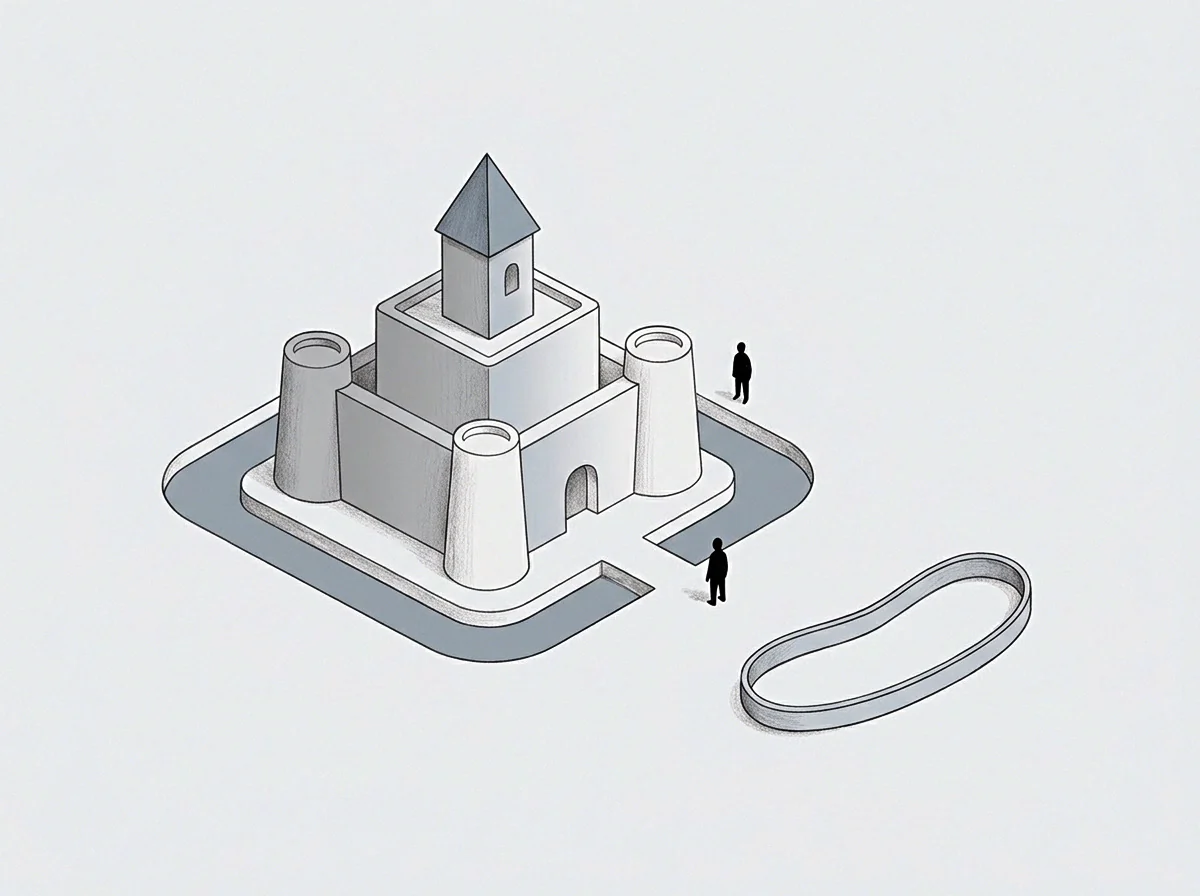
Allostatic load measures physical wear from sustained regulation while cognitive loop volume quantifies active un-gated memory threads in operators.
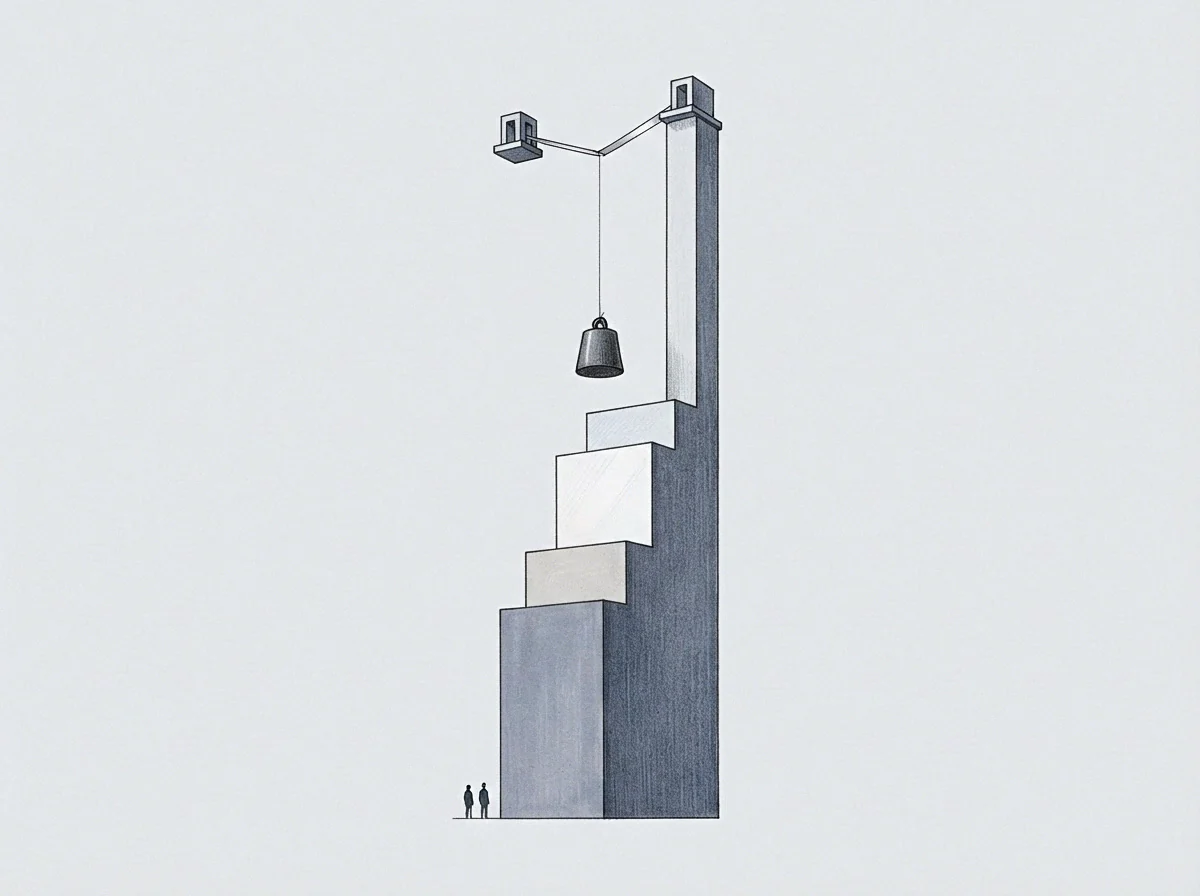
Stated priority limits keep operational requests out of executive headroom by converting personal availability into explicit, system-enforced boundaries.
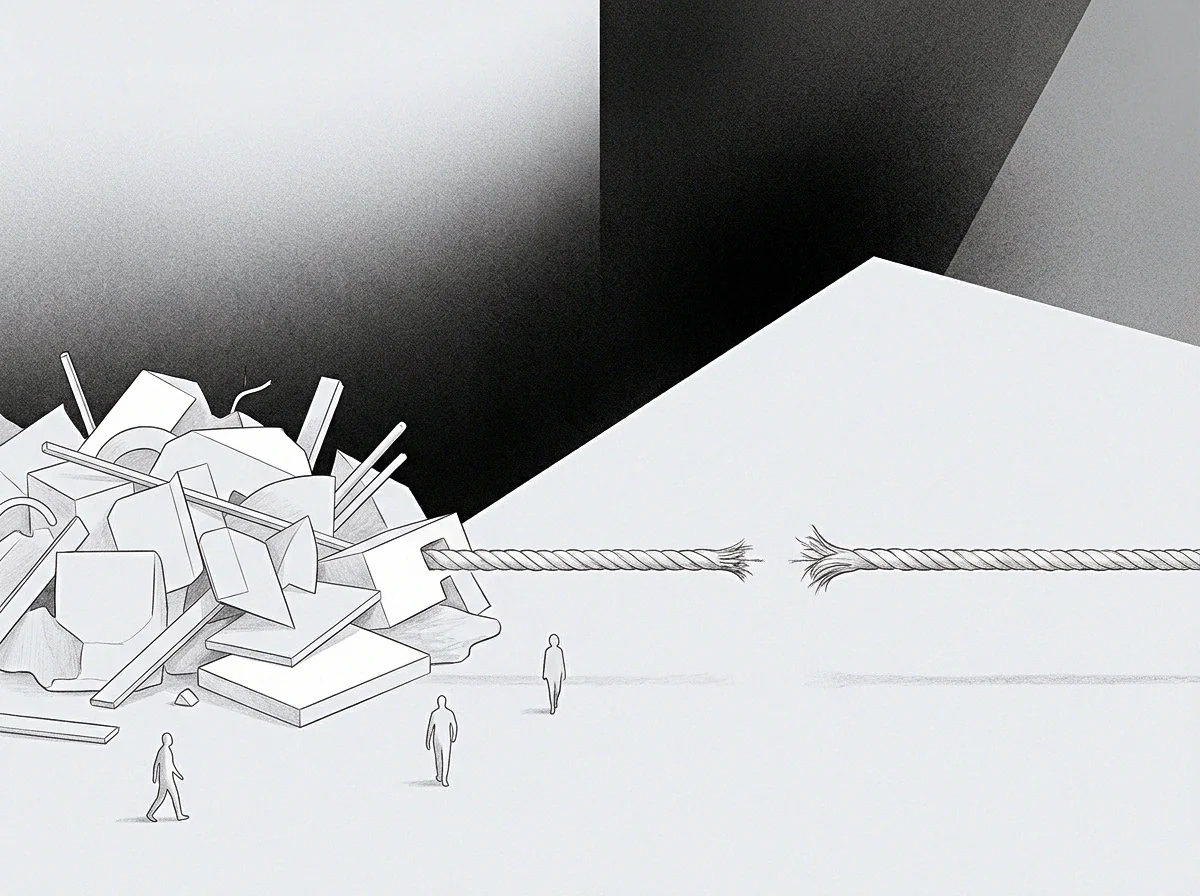
Solitary leadership forces the nervous system to fund regulation through solo metabolic expense, requiring repeated low-stakes proximity to rebuild vagal tone.
The terms are written where they belong. Each field holds three desks, and every entry a desk writes raises the terms it uses, each term given a meaning, a mechanism and the places it appears. The record on these pages stays first person and hand made; the fields grow the nomenclature.