
Rebuilding Internal Working Models Through Earned Security Under Stress
Earned security updates insecure working models when repeated operational stress meets steady co-regulating presence, lowering metabolic load through shared baseline threat processing.
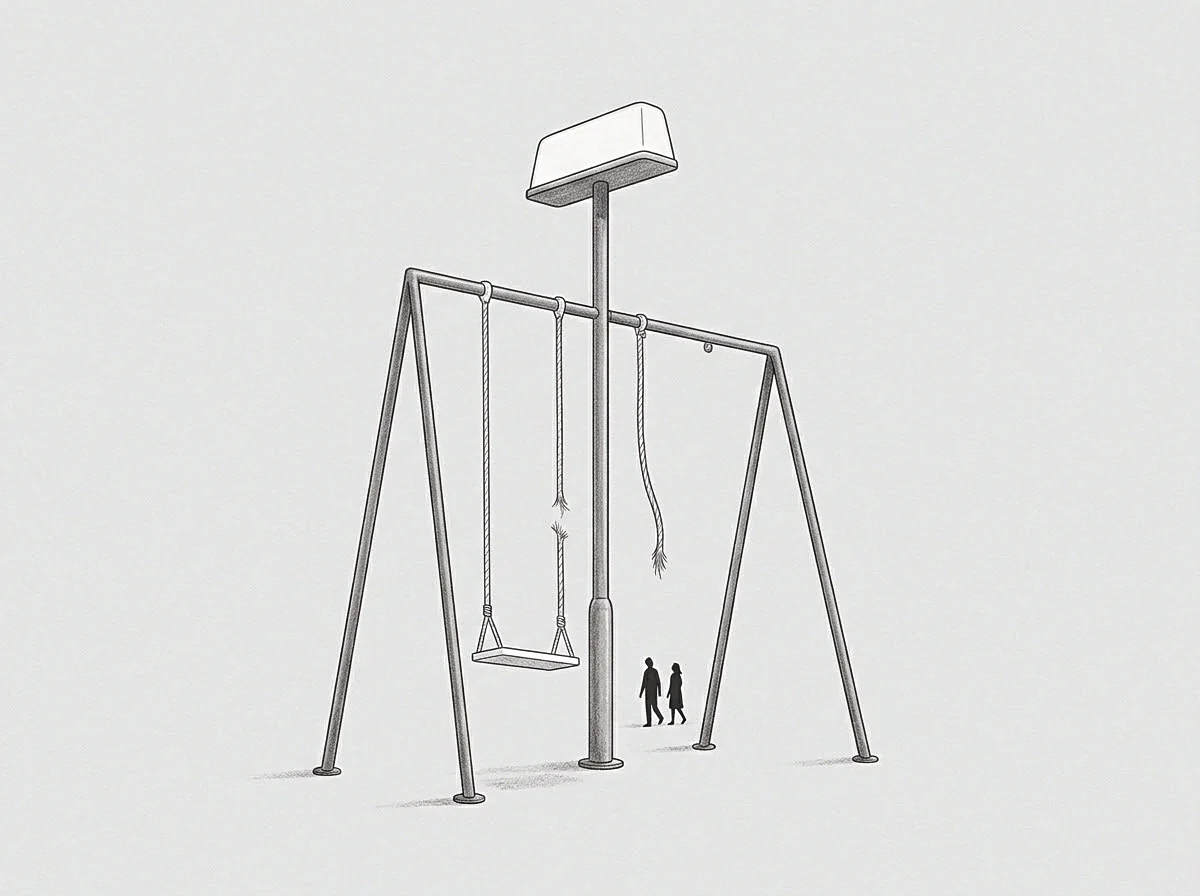
Origin
An internal working model forms as a predictive map of relational safety, neural economy, and threat. If an early environment rewards emotional containment while punishing distress, the nervous system adapts by suppressing overt bids for proximity. The brain establishes a baseline expectation that relief arrives exclusively through self-directed effort.
Solitary regulation taxes metabolic reserves; the organism treats external help as an unreliable variable, coding the presence of others as an added demand rather than an asset. Under normal operational loads, this adaptation functions as hyper-self-reliance, allowing high-performing individuals to navigate complex environments without visible distress. The strategy conceals its metabolic cost until stress escalates beyond baseline capacity.
Stress exposes the physiological fragility of a self-reliant baseline. When unexpected market shocks, rapid organizational scaling, or operational failures occur, neural threat channels fire continuously. The brain budgets environmental demand against available coping resources, calculating allostatic load based on perceived social support.
For an individual with a secure internal working model, the physical presence or emotional availability of a trusted peer acts as a metabolic subsidy, lowering cardiovascular reactivity and cortisol elevation. For someone operating on an insecure template, proximity fails to register as relief. The brain continues to process threat at full cost, expending glucose and motor activation as if completely alone in the storm.
The nervous system treats unshared threat as an urgent metabolic deficit.
This deficit deepens when the individual occupies a leadership or anchoring role within an organization. A backward internal working model frequently pushes individuals into positions where they serve as the emotional baseline for an entire system. The person regulates the anxiety of partners, operators, and direct reports while lacking an internal receptor slot to receive regulation from external sources.
Self-regulation and external containment merge into a single continuous operation. As the individual projects stability, others transfer additional operational load onto their desk under the assumption that the anchor possesses infinite structural headroom.
The operational consequence of this arrangement is structural exhaustion. When incoming systemic demands exceed capacity for solitary regulation, the primary working model doubles down on isolation rather than adapting. The brain interprets its own mounting fatigue as evidence that the external environment is fundamentally dangerous and that self-reliance must be enforced with greater stringency.
Without targeted intervention, this feedback loop drives the nervous system into systemic overload, converting functional independence into operational paralysis.
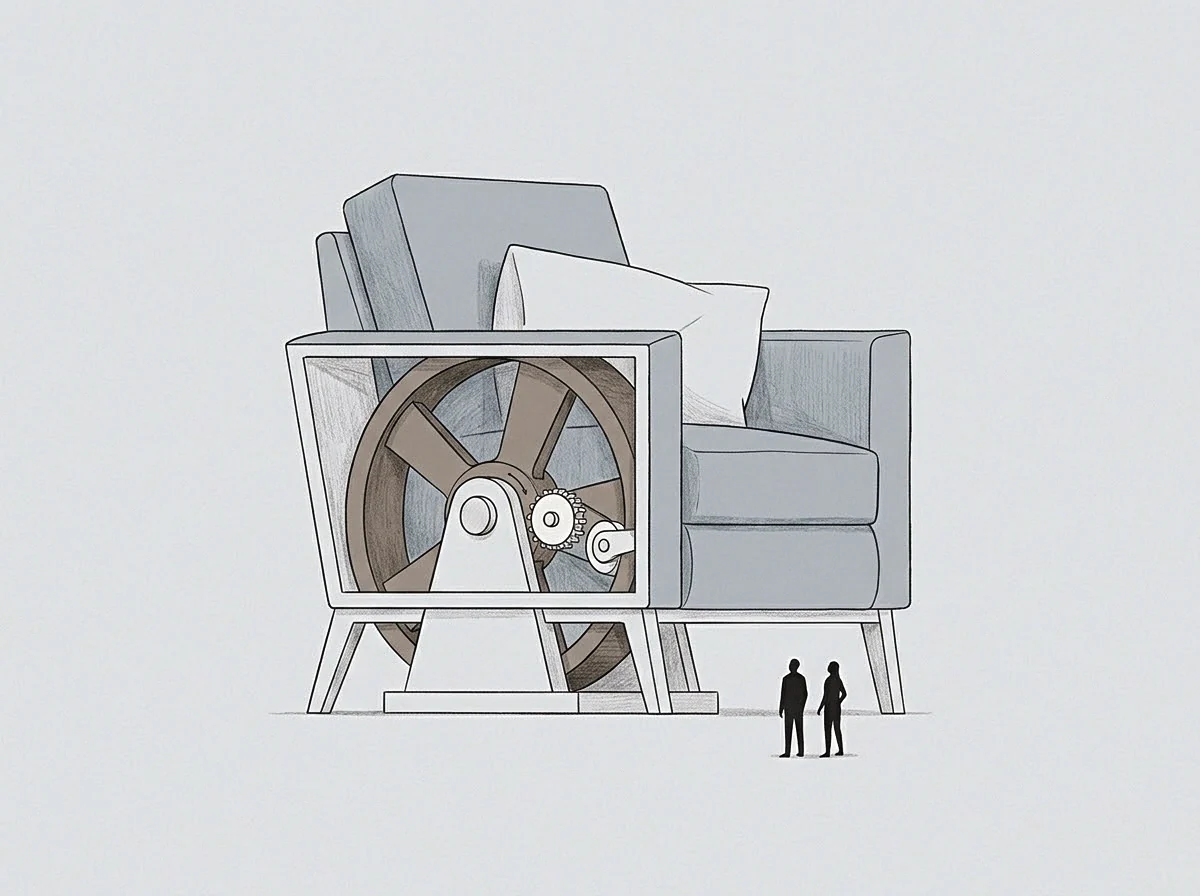
Vault
The architecture of a solitary baseline creates a distinct structural deficit within relational systems. Individuals who grew up serving as the emotional anchor for dysregulated caregivers develop a backward regulator template. In adult operating environments, this template manifests as an acute ability to read, absorb, and quiet the physiological distress of surrounding team members.
The anchor calculates team stability continuously, intervening before operational panic breaks out. The missing receptor slot remains unformed. While the anchor offers presence to others, attempts by peers or partners to offer presence in return register as sensory noise, overt intrusion, or concealed threat.
Offers of assistance fail to cross the boundary into somatic relief. When a peer offers to hold an operational thread or provides reassuring presence during a crisis, the anchor’s nervous system detects an anomaly. The backward template interprets incoming support through historical rules: external intervention portends unexpected cost, subsequent withdrawal, or hidden incompetence.
Instead of dropping its metabolic baseline, the anchor’s cardiovascular system maintains heightened vigilance, monitoring the helper to ensure their involvement does not create additional work. Silence carries heavy relational interest.
Relational presence provides no physiological subsidy to an individual missing the receptor slot.
The operational cost accumulates across multiple active threads inside an organization:
- Unilateral load absorption occurs when the anchor routinely absorbs operational variance without communicating systemic impact to partners.
- Signaling distortion arises because the anchor’s outward composure leads surrounding operators to miscalculate total organizational capacity.
- Defensive micro-management emerges as the anchor steps in to control execution, preventing others from demonstrating real responsiveness under pressure.
- Relational attrition deepens as well-meaning partners withdraw after experiencing their bids for support continuously rejected or neutralized.
The anchor becomes trapped inside a self-fulfilling isolation chamber. Because the anchor neutralizes incoming bids for co-regulation, partners eventually stop reaching out or offering structural coverage. Observing this relational distance, the anchor concludes that their original childhood premise was accurate: nobody else can bear the weight, and solitary vigilance remains the sole mechanism of survival.
Breaking this cycle requires more than cognitive insight into attachment styles; it demands physical, repeated exposure to operational environments where presence is offered and sustained without systemic collapse.
Partners wait for the moment the anchor permits others to hold the operational line alongside them.
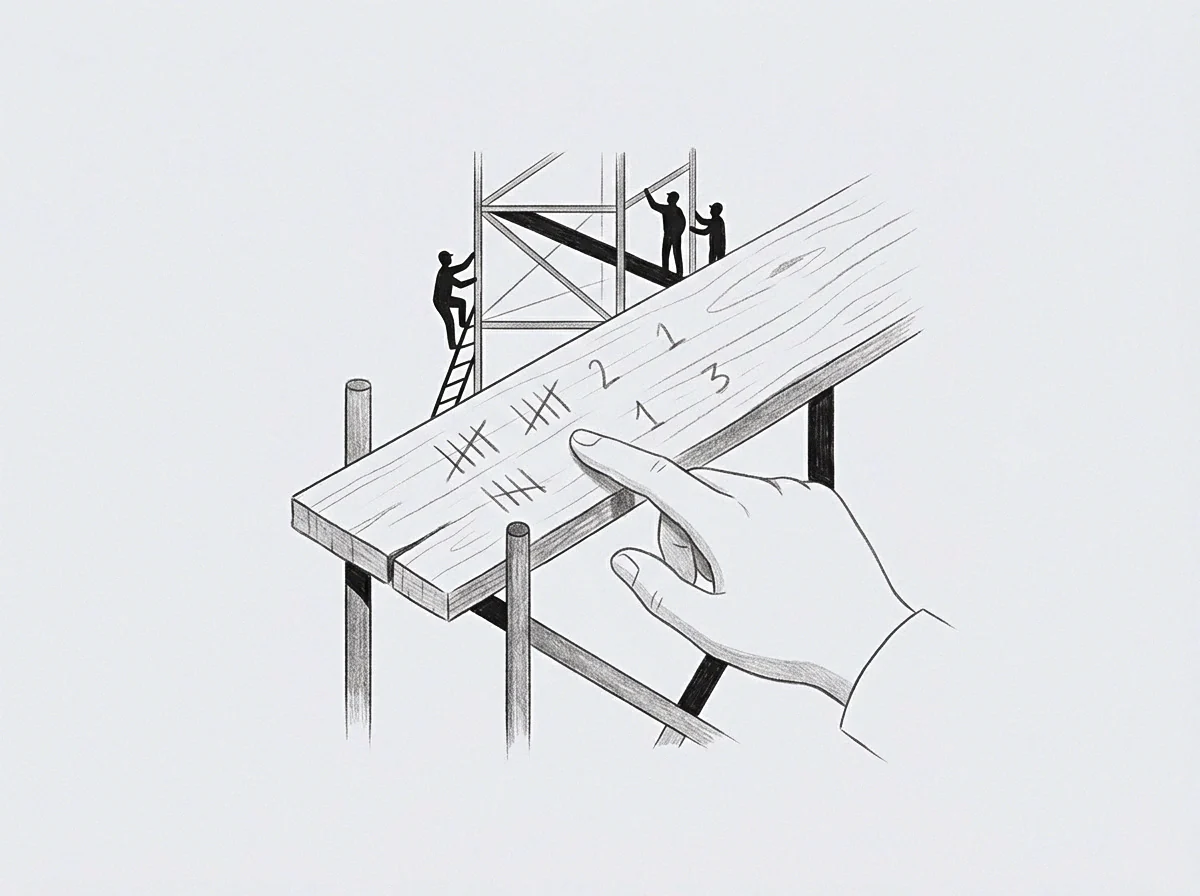
Table
Earned security is the physiological and psychological restructuring of an insecure internal working model in adulthood. This transformation occurs not through intellectual analysis alone, but through repeated, real-time relational experiences under active load. When an individual encounters high operational stress while linked to a non-collapsing, responsive peer, the brain experiences a profound discrepancy between expectation and outcome.
Where the primary template predicts abandonment, judgment, or overload, the actual experience delivers steady presence, shared burden, and relational continuity. This sensory discrepancy forces the neural architecture to construct a secondary working model capable of utilizing social baseline regulation.
The transition from a solitary baseline to earned security changes how an individual allocates metabolic resources across operational crisis points. The table below outlines how regulation operates across three distinct relational modes under operational stress.
| Regulation Mode | Metabolic Cost per Escalation | Receptor Slot Utilization | Systemic Failure Mode |
|---|---|---|---|
| Solitary Regulation | Maximum expenditure borne entirely by individual glucose and motor reserves | Completely closed; incoming bids for support register as operational demand | Abrupt physiological collapse, total withdrawal, or sudden system abandonment |
| Covert Contract Regulation | Variable cost; continuous covert monitoring of partner’s state creates hidden tax | Intermittently open; support accepted only if partner meets unspoken standards | Resentment escalation, passive conflict, and sudden operational renegotiation |
| Earned Co-Regulation | Discounted cost; shared threat processing lowers physiological reactivity | Fully open; incoming bids for presence register as immediate metabolic relief | Localized functional friction resolved through direct real-time communication |
Shifting from solitary regulation to earned co-regulation alters the baseline calculation of threat. In solitary regulation, the brain evaluates an incoming operational crisis by multiplying threat against one person’s remaining energy. In earned co-regulation, the brain factors social proximity into the initial equation, reducing perceived threat intensity before motor response pathways initiate.
The presence of a reliable partner acts as a real-time metabolic buffer.
Earned security forms when micro-discrepancies between expected rejection and actual presence accumulate over time.
The formation of a secondary template does not erase the primary backward model. During acute high-intensity stress or severe biological exhaustion, the primary template may reassert control, triggering defensive withdrawal or sudden self-reliance. The existence of the secondary template provides a reliable return path.
Once the brain has mapped the experience of being held under stress without structural failure, it can intentionally step out of solitary panic and re-engage shared baseline operations.
The transition requires explicit operational agreements that permit partners to offer real-time presence without triggering covert performance taxes.
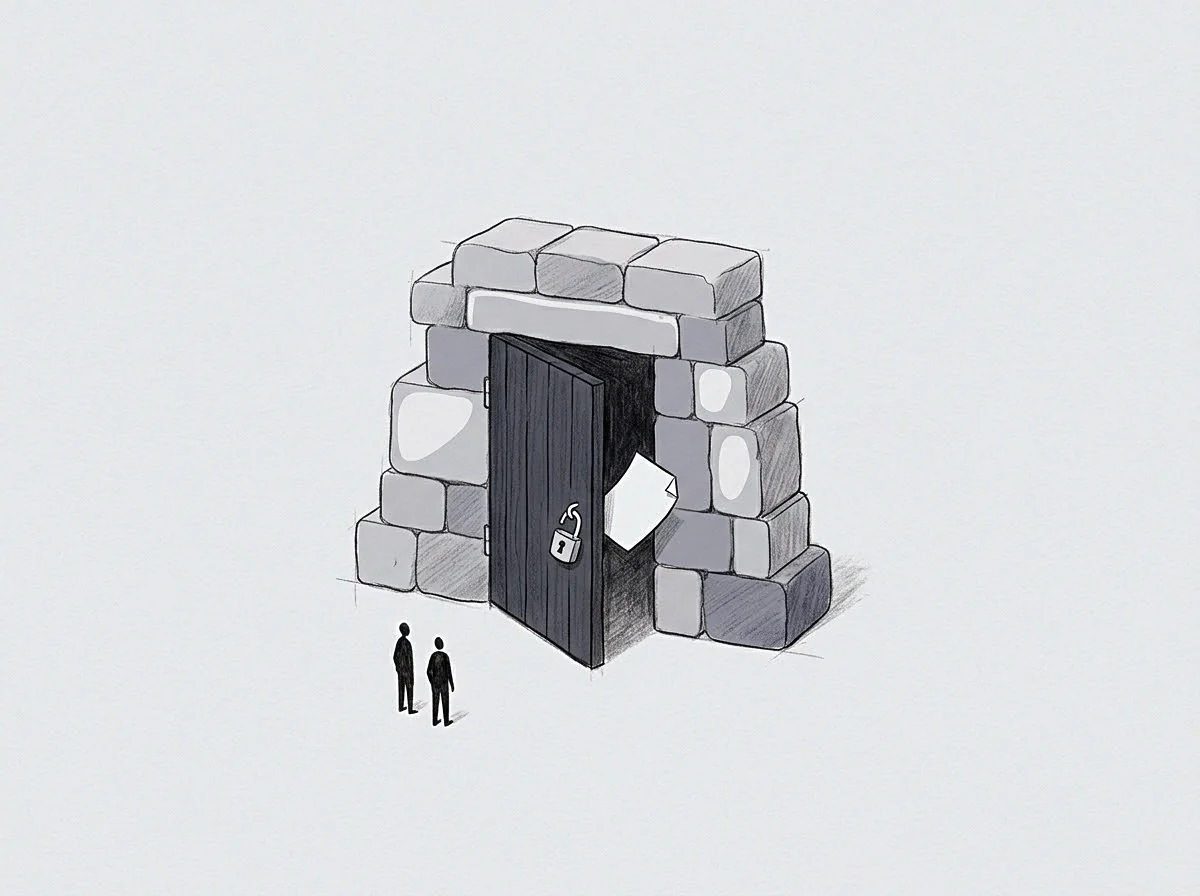
Friction
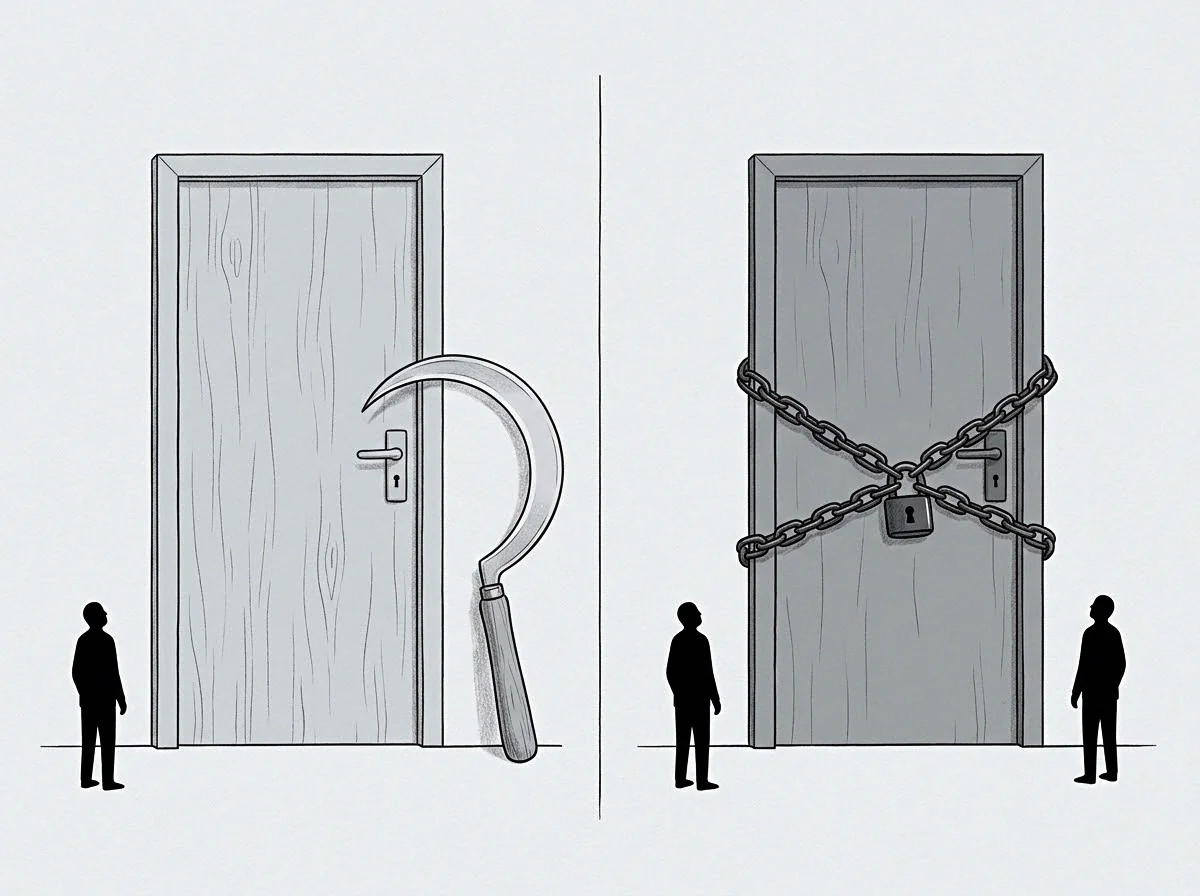
How Does Stress Force the Template to Update?
Stress acts as the essential catalyst for rebuilding an internal working model. Under low-demand conditions, an individual easily maintains a defensive posture, intellectualizing security while retaining total reliance on solitary regulation. High-demand operational environments collapse these intellectual defenses.
When workload, capital risk, or personal crisis exceeds solitary capacity, the individual reaches a point of structural impossibility. The primary working model fails to stabilize the system. Inside this operational friction, earned security becomes possible, provided a responsive partner remains present in the room.
The update process hinges on micro-contingency, a small, real-time moment of relational exposure during acute threat. The founder reveals a catastrophic metric; the partner stays steady instead of panicking. The operator admits a critical operational error; the team moves straight to systemic resolution without personal attacks.
The individual expresses somatic overwhelm; the partner sits alongside without demanding immediate emotional recovery. These brief, unscripted interactions provide the precise sensory data required to challenge the old predictive model.
Insight alone alters no somatic responses. A founder may understand their attachment history completely, yet heart rate spikes and muscle tension hardens the moment operational control slips. The secondary template takes root through repeated somatic confirmation.
The brain requires physical proof that vulnerability under load leads to shared containment rather than catastrophic exposure. Over months of shared operational strain, these micro-trials build new neural pathways that run parallel to the old self-reliant circuits.
- The individual exposes a genuine operational or emotional limit under active stress load.
- The responsive partner maintains physical presence and emotional stability without collapsing or taking over.
- The individual registers the absence of expected punishment, judgment, or abandonment.
- The nervous system experiences a measurable drop in physiological activation while in proximity.
- The brain logs the event, incrementally strengthening the secondary template for future threat environments.
Partner capacity forms a critical boundary. If the secondary party panics, judges, or becomes dysregulated during the exposure moment, the primary insecure model receives confirmation. The individual retreats deeper into solitary regulation, hardening against future bids for connection.
Rebuilding working models requires pairing with individuals who possess genuine emotional stability and sufficient operational headroom to absorb incoming variance without breaking.
What threshold of operational stress forces a self-reliant baseline to risk genuine exposure, and how many successful micro-trials are required before the secondary template becomes the default response path?

Notch
Consolidating earned security under stress yields a fundamental change in how individuals structure work, relationships, and operational boundaries. As the secondary working model becomes robust, the constant need for solitary vigilance recedes. The individual stops treating every operational challenge as a test of isolated endurance.
By learning to distribute cognitive and emotional load across a reliable social baseline, total allostatic load drops, restoring long-term strategic focus and physical resilience.
This shift transforms organizational leadership dynamics. Leaders operating from earned security build systems based on transparent capacity rather than heroic solitary effort. They set clear limits without defensive anger, accept help without feeling compromised, and permit operators to fail without treating failure as a personal threat.
The organization shifts from a network of isolated, over-extended anchors into a co-regulating system where load flows dynamically toward available headroom.
The final metric of earned security is the unforced capacity to accept presence when operational load is highest.
This structural change manifests in daily operational choices. The individual steps away from unnecessary control points, trusts qualified partners to carry critical sub-systems, and reserves energy for high-value decisions. When acute crises hit, the individual no longer retreats behind a wall of silent performance.
They communicate limits early, draw upon shared regulation, and maintain operational clarity through the center of the storm.
Rebuilding internal working models is an incremental, lifelong process of shifting operational reliance from isolated defense to a shared baseline economy. Old predictive maps remain dormant in the nervous system, ready to fire during extreme fatigue or unprecedented threat. The presence of an established secondary template ensures that solitary panic no longer holds a monopoly over human response under pressure.
Real-time presence during shared threat updates old internal models faster than years of isolated analysis.