
Setting Explicit Boundary Limits When Senior Control Friction Blocks Delegated Emergency Intervention
Explicit operational limits prevent executive control friction from stalling emergency intervention by binding senior authority to asynchronous retrospective review.
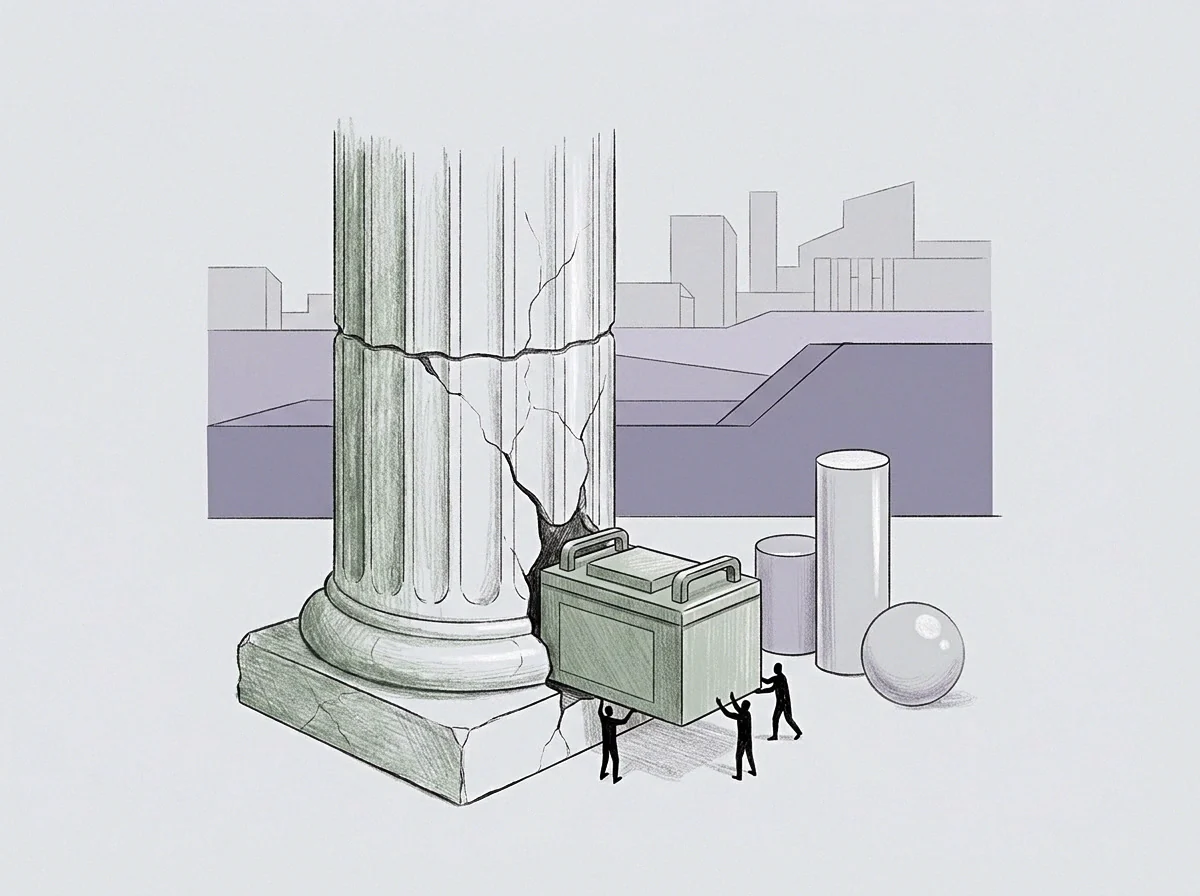
Wall
Production monitoring alarms sound at two in the morning across seventeen automated channels. A database cluster locks during database migration, dropping client requests across five enterprise accounts. An infrastructure operator begins the standard database failover sequence to isolate corrupt nodes and re-establish write traffic.
A message arrives from the principal investor, who holds fifty-one percent of company voting shares. The investor countermands the terminal command in real-time chat, ordering the engineer to delay the traffic shift until someone prints the complete query logs. The outage continues.
Every minute carries overhead. Production traffic drops to zero.
Senior control friction surfaces when executive authority intrudes upon rapid operational execution. The executive demands synchronous review during systemic collapse, mistaking personal presence for structural risk control. An incident responder forced to justify each shell command experiences cognitive load spikes that degrade technical judgment.
Working memory narrows under administrative confrontation. The operational seat empties while the technician composes explanatory memoranda for non-technical stakeholders during severe latency spikes.
Incident command authority functions effectively only when senior governance binds itself to post-incident review rather than live operational arbitration.
Administrative interference during outages degrades technical containment. When senior owners withhold intervention autonomy, responders hesitate before executing necessary remediation scripts. The delay compounds downstream database corruption, transforms a four-minute localized service degradation into a multi-hour global failure, and exhausts operational headroom across technical staff.
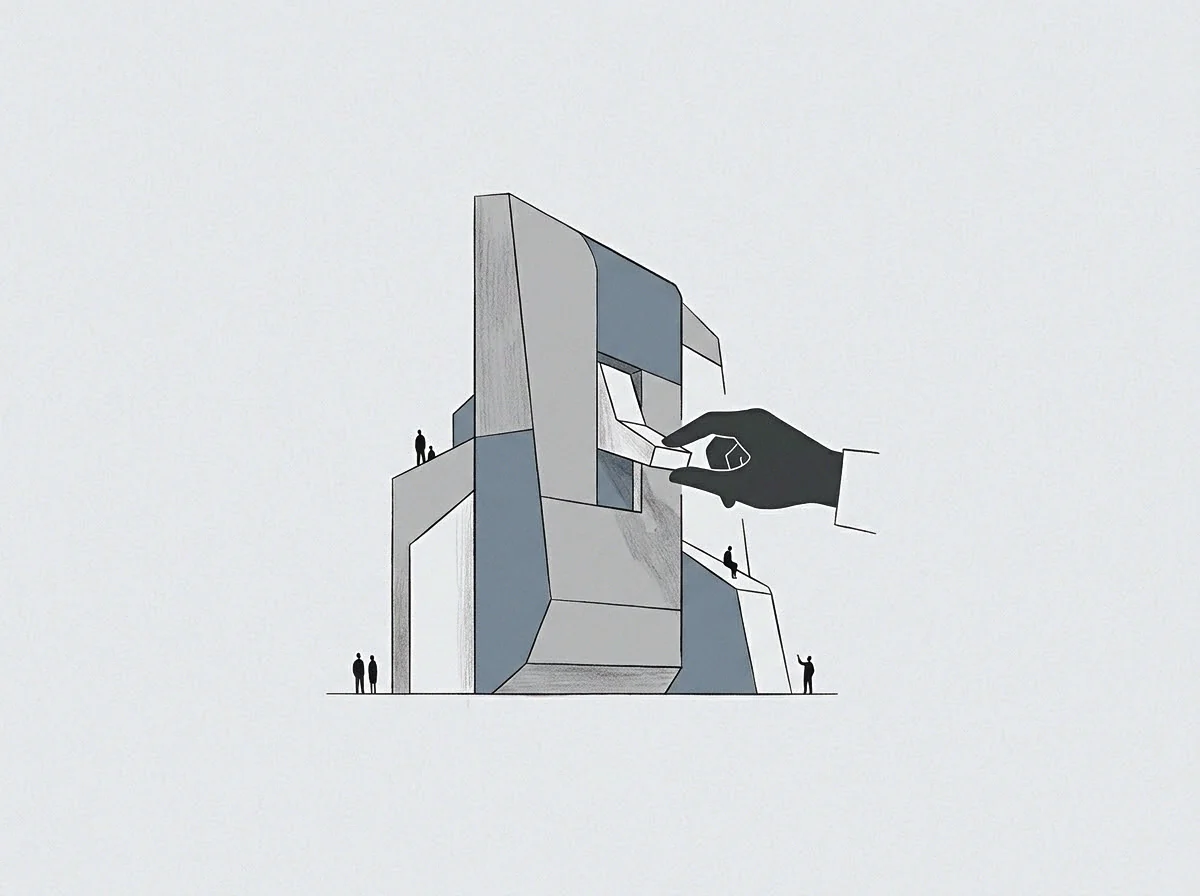
Relay

Transmission Gaps in Emergency Protocols
Execution lines stall when command authority remains ambiguous. In an unconstrained hierarchy, senior executives retain informal veto rights across technical actions regardless of subject domain competence. That informal authority creates organizational drag during critical incidents.
The junior operator resigns. Senior interference stalls remediation. Recovery stalled for three hours.
- Delegated operational discretion isolates containment execution from non-technical scrutiny by defining unambiguous operational scope before incidents occur.
- Synchronous sign-off gates destroy incident containment velocity because executive response latency exceeds the mean time to failure.
- Asynchronous governance audits shift administrative assessment to post-incident post-mortems, securing operational autonomy while maintaining ultimate managerial oversight.
A stated operational boundary protects incident response speed by eliminating executive consultation requirements during active failure states.
Stress physiology literature records how allostatic load accumulates through unresolved agency conflicts. A technician running an active incident holds four distinct diagnostic hypotheses simultaneously. Adding interpersonal friction with an equity holder fills the last cognitive slot.
Responders confronted by executive overreach exhibit elevated cortisol and alpha-amylase production, accompanied by marked cognitive fatigue and decreased error-detection capacity. The desk tracks this dynamic through measurable operational drag. The server pool stops responding.
Latency compounds across the stack.
The founder insists that every decision involving client revenue requires direct executive consent.

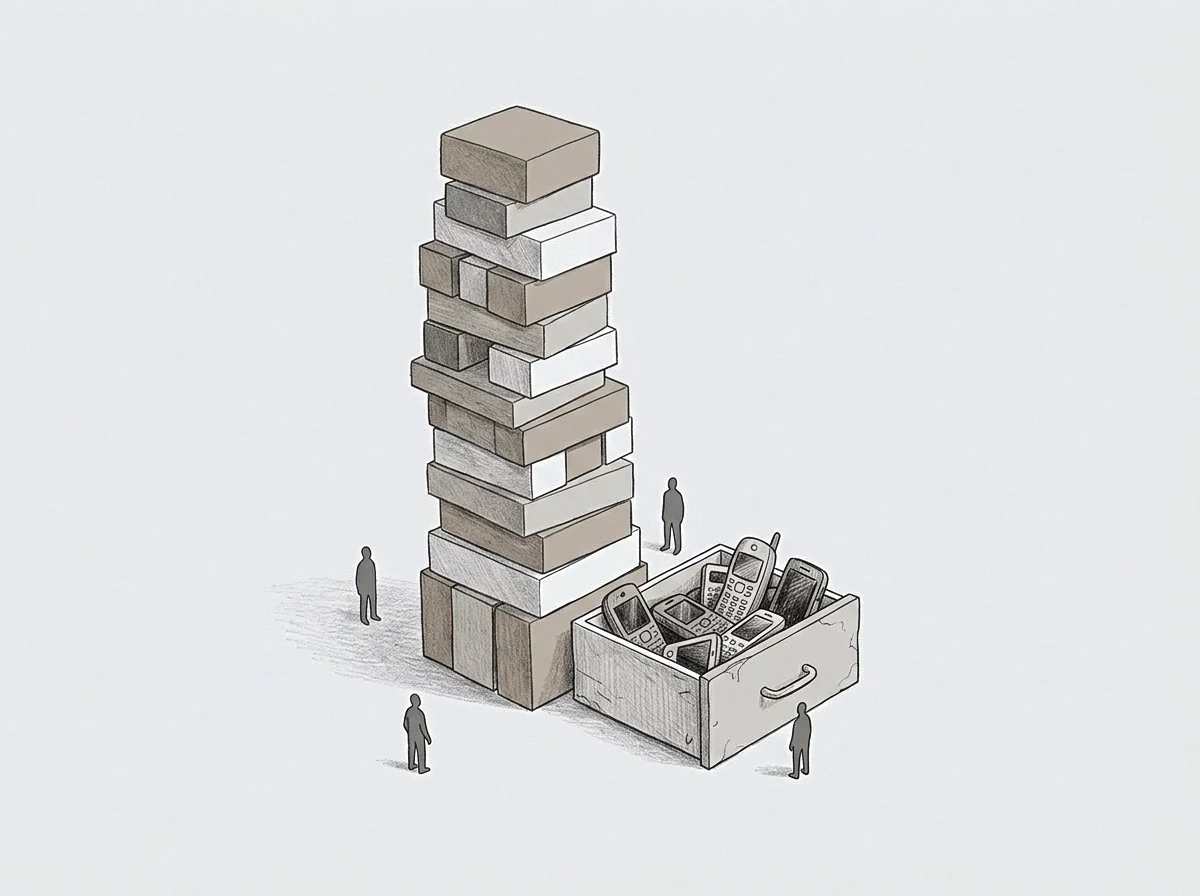
Clamp
Structural Containment of Administrative Interference
Operational contracts define boundaries that protect engineering response teams from real-time interference. Explicit limits pre-authorize technical remediations, establish clear budget thresholds for data loss, and remove senior veto capability during the containment window. The incident commander holds unilateral authority until system restoration reaches nominal operating benchmarks.
Authority collapsed during the outage. Friction breeds operational drift.
| Operational Dimension | Ad Hoc Senior Interruption Mode | Explicit Boundary Limit Mode |
|---|---|---|
| Command Authority | Fluid executive assertion based on equity stake | Delegated incident commander holds total operational control |
| Communication Path | Synchronous debate across executive management channels | Structured one-way status broadcasts at fixed time intervals |
| Intervention Velocity | Constrained by executive availability and literacy | Accelerated by preauthorized operational runbooks |
| Cognitive Load Burden | Concentrated on technical staff justifying immediate actions | Absorbed by pre-agreed systemic rules and protocols |
Take two engineering partners operating a payment routing infrastructure handling forty million dollars in monthly gross transaction volume. Assume the technical partner manages core cluster infrastructure while the senior commercial partner controls board voting rights. During a transaction gateway drop, the commercial partner enters the operations channel, halts automated traffic draining, and demands individual vendor contract reviews before approving failover routing.
The interruption locks the system in a failing loop for ninety minutes, inducing twenty-four thousand dollars in direct service level agreement penalties.
A team operates at peak containment efficiency when incident parameters determine actions rather than executive seniority.
Setting explicit limits involves pre-incident bilateral agreements that govern authority transfer during emergency declarations. The technical lead executes defined remediations without approval up to pre-agreed loss caps. The senior executive agrees to a complete operational embargo during incident severity states one and two, restricting executive activity to customer communications and regulatory filings.
The protocol enforces an unconditional thirty-minute operational isolation period upon declaration of high-severity incidents, barring executive intervention until technical containment completes.
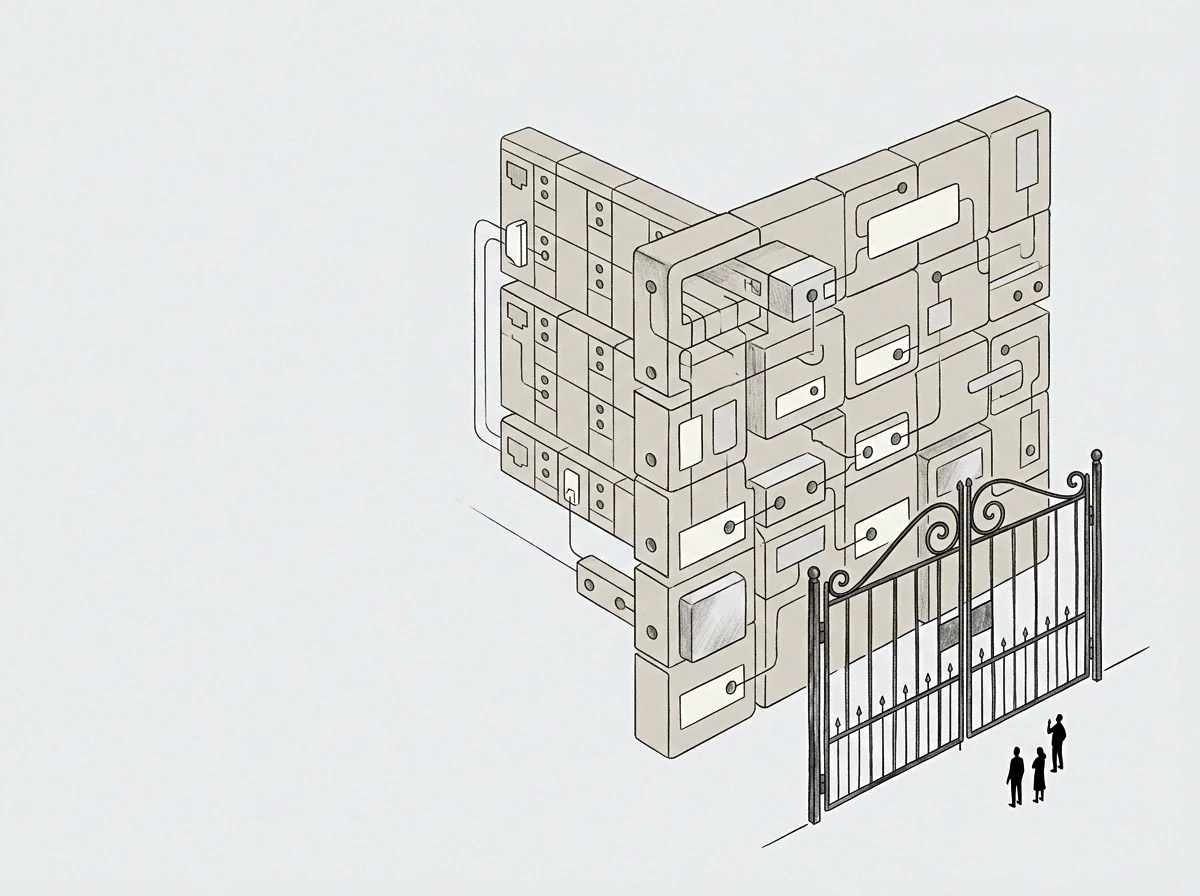
Drift
Systemic Degradation from Unbounded Authority
Prolonged organizational friction creates long-term structural decay. Engineers operating under continuous senior intervention develop learned helplessness, abandoning proactive diagnostic measures to wait for executive instructions. Systems accumulate technical entropy when operational maintenance waits for commercial sign-offs.
Command requires isolated authority. The silent partner objected. Unchecked interference multiplies incident losses.
Allostatic exhaustion empties engineering teams of operational headroom. When the boundary between technical triage and executive control breaks, senior staff members absorb unmetered emotional regulation for executive stakeholders. Experienced staff leave the enterprise.
New hires discover that stated documentation diverges from true decision-making mechanisms. What legal agreements or indemnity covenants adequately protect delegated incident commanders when emergency technical overrides produce commercial disputes with majority owners?