Meaning
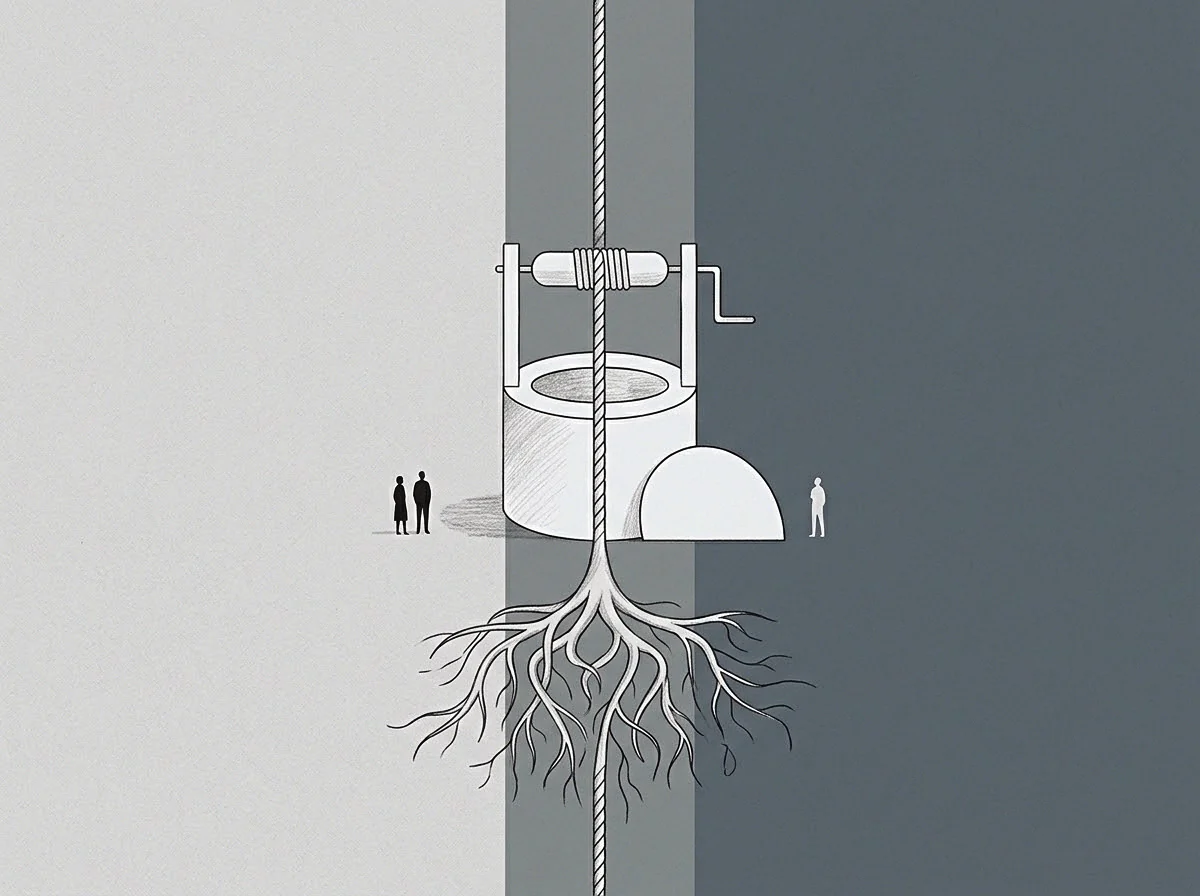
Operational isolation defines a distinct regulatory state where a founder separates internal decision cycles from external performance feedback to preserve cognitive bandwidth. This condition emerges when the requirements of the organization diverge from the capacity of the individual to process concurrent streams of information. By shielding executive attention from constant incoming pressure, the mechanism prevents a collapse in decision quality during periods of extreme volatility.
It acts as a structural buffer against the depletion of personal resources, ensuring that the necessary focus remains on high-leverage outcomes rather than transient events.
Buffer Mechanics
The practice relies on the deliberate partitioning of communication channels to restrict the flow of secondary data during intensive task execution. Founders establish these boundaries by setting explicit periods of non-responsiveness that prevent the accumulation of unmanaged information debt. This suspension of input allows the person to maintain a sustained state of output without the constant interruption of social or systemic noise.
Such a barrier functions as a self-imposed regulator that keeps the internal system from reaching a total saturation point.
Capacity Cost
Maintaining this state consumes substantial amounts of attention because the founder must monitor the environment for high-priority signals while suppressing low-priority alerts. The trade off involves a potential delay in the reception of minor updates in exchange for the stability of major strategic efforts. Prolonged reliance on this defensive posture risks the gradual atrophy of communication networks, as peers and subordinates adjust their own protocols to match the reduced availability.
Each hour spent behind the wall requires a calculated effort to reconnect with the broader flow of information, which adds to the total load on the nervous system.
Systemic Threshold
The validity of this practice ends when the frequency of critical incidents exceeds the capacity of the established shielding mechanism to categorize incoming data. If the interval between vital events drops below the time required for a full cognitive reset, the boundary between the internal and external environments breaks down. At this threshold, the attempt to manage attention through seclusion fails, and the person loses the ability to distinguish between noise and meaningful change.
A state of effective isolation creates a limit on how much complexity a single actor can integrate before the system demands an external adjustment to restore balance.