
Metabolic Costs Of Parasympathetic Down Regulation During Relational Reintegration
Re-entering relational proximity after solitary load triggers sudden parasympathetic withdrawal, forcing expensive metabolic expenditure to fuel unneeded vigilance.
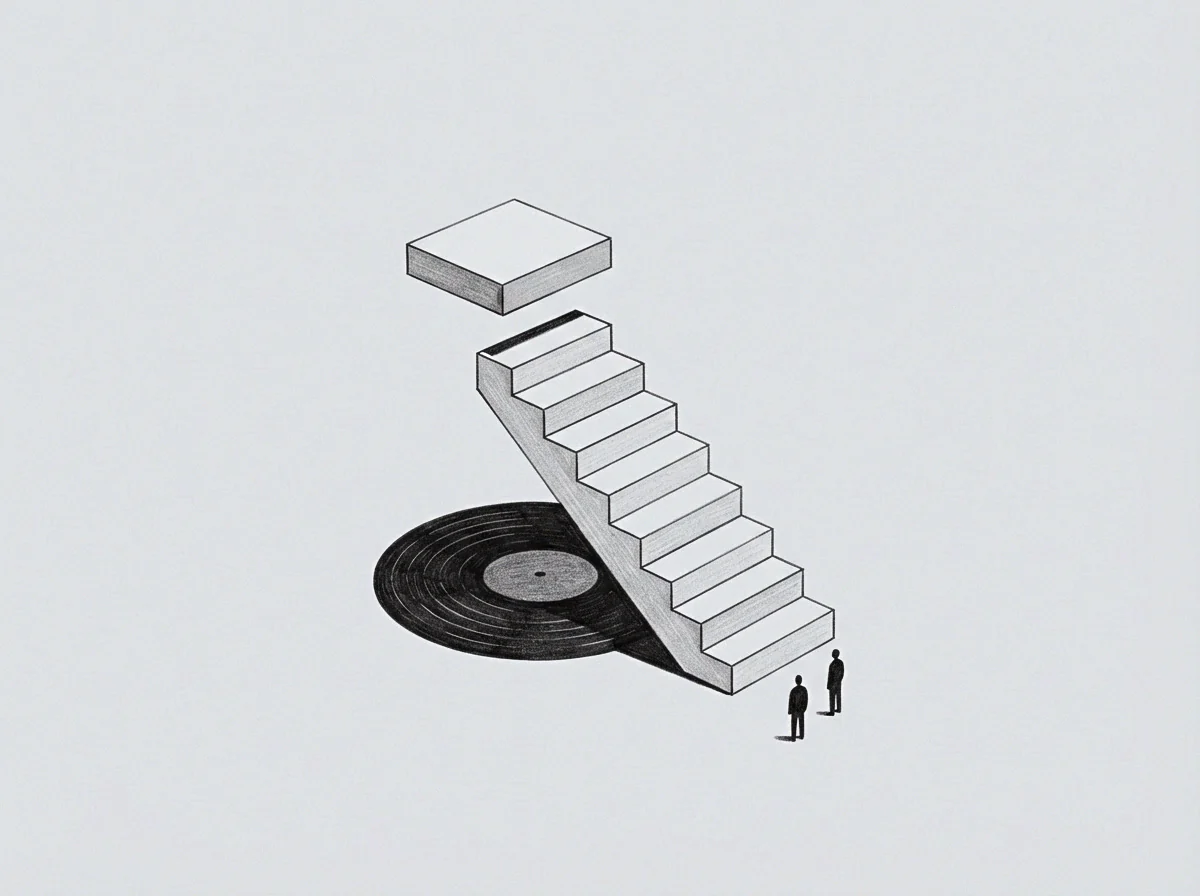
Valve
The phone screen goes dark at eleven at night, showing zero unread pings after eleven continuous hours of operational triage. The silence inside the house registers instantly as physical exposure. Instead of dropping metabolic expenditure, walking across the hallway into a shared living room initiates a rapid autonomic escalation.
The heart rate accelerates by ten to fifteen beats per minute before a single word is spoken. The chest wall tightens, peripheral arterioles constrict, and hepatic glucose enters the bloodstream to fuel an unexpected surge in vigilance. This abrupt expenditure reflects the withdrawal of the vagal brake, the myelinated parasympathetic motor pathway that rapidly regulates cardiac output during sustained task performance.
When an individual leaves an environment of unilateral operational control to face the ambiguous bids of an intimate partner, the autonomic nervous system treats the social encounter as a sudden escalation of systemic demand.
In classical autonomic physiology, the myelinated vagus nerve acts as an active suppressor of metabolic drain. Originating in the nucleus ambiguus, these high-velocity motor fibers terminate directly at the sinoatrial node of the heart, where tonic acetylcholine release restricts heart rate below the intrinsic pacemaker rhythm of roughly one hundred beats per minute. This inhibitory control allows a person to maintain behavioral stillness, focused attention, and visceral calm while handling complex solo tasks.
The vagal brake operates as an active, energy-conserving dampener on the sympathetic nervous system. Engaging the brake keeps the body operating at a modest baseline burn rate.
Sustained unilateral containment conditions the autonomic system to treat proximity as an unplanned expenditure.
Relational reintegration disrupts this isolated efficiency. Returning to proximity requires attunement to micro-expressions, prosodic shifts, and vocal inflections from another nervous system. For an individual who spent years functioning as an isolated social baseline, social cues trigger a reflexive down-regulation of parasympathetic outflow.
The nucleus ambiguus reduces cholinergic output to the sinoatrial node. Without the parasympathetic brake, intrinsic sympathetic tone accelerates cardiac output, elevating blood pressure and systemic vascular resistance within fractions of a second.

Autonomic Architecture Under Re-Entry
Vagal withdrawal serves an evolutionary purpose during acute physical emergency, freeing the heart for defensive action. During domestic contact, however, this withdrawal represents an expensive autonomic mismatch. The physiological system burns cellular fuel to defend against the presence of an allied observer.
The metabolic expenditure of this autonomic shift stems from three distinct physiological cascades:
- Cardiovascular acceleration increases myocardial oxygen consumption through rapid withdrawal of tonic muscarinic inhibition at the sinoatrial node. Cardiac tissue demands immediate adenosine triphosphate regeneration to sustain elevated stroke volume.
- Sympathoadrenal excitation triggers epinephrine and norepinephrine secretion into the systemic circulation, driving peripheral vasoconstriction and elevating mean arterial pressure. This vasoconstriction forces the left ventricle to pump against greater mechanical afterload.
- Hepatic glycogenolysis mobilizes circulating glucose through beta-adrenergic stimulation of hepatocytes, elevating serum fuel availability for skeletal muscles that remain stationary. Circulating glucose stays unoxidized by muscle beds, provoking an eventual compensatory insulin surge.
The subjective experience of exhaustion following domestic re-entry is biological. The body pays for interpersonal proximity at the same physiological rate it pays for active physical evasion. The partner sitting at the kitchen table reads the resulting rigidity as emotional hostility or cold withdrawal.
The body is running an internal sprint while sitting still on a chair.
Years spent managing isolated operational authority alter the baseline setpoint of the autonomic nervous system. The brain builds an internal model where personal vigilance provides the only reliable defense against disaster. In that physiological schema, an intimate partner does not arrive as an auxiliary regulator.
The partner arrives as an uncontrolled source of variance requiring immediate neural tracking. Holding the vagal brake down requires a perception of safety that the isolated operator lacks. Releasing the brake restores immediate alertness at the expense of high biological fuel consumption.
Re-entry takes on the posture of walking into an interrogation.
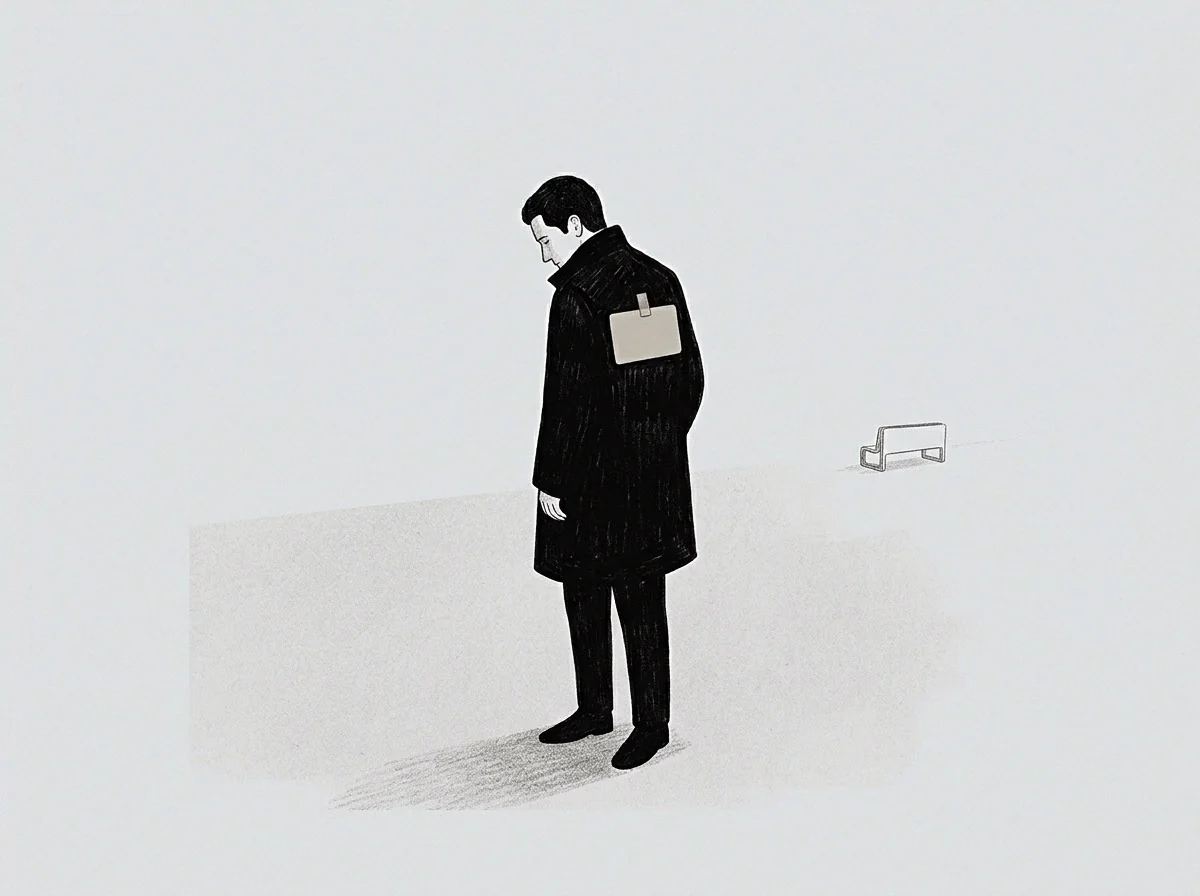
Fuel
Caloric reserves disappear rapidly when parasympathetic inhibition collapses during social proximity. Skeletal muscle tone stiffens across the trapezius, cervical spine, and diaphragm. This persistent sub-clinical motor preparation consumes adenosine triphosphate without producing functional locomotion.
The brain, representing two percent of total adult body mass, commands approximately twenty percent of resting metabolic expenditure under basal conditions. During states of persistent neurovisceral vigilance, cortical and subcortical demands expand this allocation significantly.
The prefrontal cortex requires continuous glucose perfusion to maintain top-down inhibition over the amygdala, anterior insula, and dorsal periaqueductal gray. When parasympathetic tone decreases, subcortical threat centers operate with reduced inhibition, flooding frontostriatal networks with bottom-up error signals. To maintain behavioral composure and prevent explosive affective reactions during intimate conversation, the ventromedial prefrontal cortex must burn additional glucose to enforce behavioral containment.
The executive system works overtime to keep the voice even, the gaze steady, and the shoulders dropped.
A tired nervous system burns glucose to maintain the appearance of composure.
Oxygen consumption metrics reflect this hidden biological price. Resting oxygen consumption in an adult averages three and a half milliliters of oxygen per kilogram of body mass per minute. When the myelinated vagal brake disengages while physical position remains fixed, oxygen uptake rises by twenty to thirty-five percent.
This metabolic leap matches the systemic cost of a brisk walking pace, yet the individual remains seated at a dinner table. Intracellular lactate accumulates in unexercised postural muscles, generating physical soreness and systemic lethargy within forty-five minutes of domestic presence.
Substrate Depletion and Endocrine Signaling
Glucocorticoid regulation changes markedly under prolonged autonomic down-regulation. Cortisol secretion follows a circadian rhythm governed by the hypothalamic-pituitary-adrenal axis, peaking shortly after waking and declining through the evening hours. When relational reintegration demands chronic sympathetic substitution for parasympathetic tone, cortisol output flattens.
Adrenocortical signaling overrides the natural evening nadir, preventing tissue recovery, cellular repair, and glycogen resynthesis.
Glycogen depletion inside hepatic tissue and skeletal fibers drives the intense, urgent hunger that many professionals report upon returning to a domestic environment. This ravenous appetite represents an endocrine response to rapid fuel mobilization rather than genuine nutritional deficit. The brain registers a steep drop in local prefrontal glucose concentrations, signaling hypothalamic feeding centers to seek high-glycemic substrates.
The individual consumes dense food late at night to replenish reserves liquidated by autonomic vigilance.
The metabolic divergence between authentic social safety and isolated vigilance appears clearly when comparing neurochemical and energetic profiles across typical states.
| Physiological Variable | Authentic Social Baseline | Compensatory Solo Regulation | Parasympathetic Withdrawal |
|---|---|---|---|
| Vagal Tone Index (High-Frequency HRV) | Elevated (75 to 110 ms²) | Moderate (30 to 50 ms²) | Suppressed (under 15 ms²) |
| Mean Heart Rate Above Resting Baseline | 0 to 3 beats per minute | 5 to 8 beats per minute | 12 to 22 beats per minute |
| Prefrontal Glucose Consumption | Low (distributed processing) | Elevated (active inhibition) | High (intense containment) |
| Serum Cortisol at 21:00 Hours | Basal nadir (under 3 µg/dL) | Mild elevation (5 to 8 µg/dL) | High elevation (10 to 16 µg/dL) |
| Postural Muscle Tone (Microvolts EMG) | Relaxed baseline (under 2 µV) | Mild tonic contraction (3 to 5 µV) | Rigid bracing (7 to 14 µV) |
| Values reflect established ranges across autonomic monitoring literature during sedentary social contact. | |||
The physiological divergence highlighted in the data clarifies why ordinary domestic routines feel exhausting after years of operating under load. When social baseline functioning is intact, proximity to an attached partner distributes the metabolic cost of environmental scanning across two nervous systems. The brain offloads risk assessment to the partner, heart rate decreases, and muscle tone relaxes.
For the person who internalised sole responsibility for stability, proximity produces the opposite outcome. The brain doubles its operational baseline to track both its own internal equilibrium and the unpredictable emotional state of the other person.
Consider two professionals sharing an evening meal after separate workdays. The first partner possesses an intact internal working model of co-regulation. Being in the room lowers this partner’s cardiovascular baseline, allowing digestion to proceed efficiently through splanchnic arterial dilation.
The second partner carries the backward template of the isolated operator, having spent years acting as the stabilizing foundation for teams, clients, and investors. This partner sits in the same room, yet splanchnic blood flow drops as blood shunts toward skeletal muscles. The meal sits heavy in the stomach.
The autonomic nervous system continues to act as if a predator is pacing outside the window, burning precious metabolic fuel simply to stay in the seat.
Persisting in this autonomic state converts relational contact into a potent driver of chronic metabolic debt.
Wire
Physical neural wiring sets the physical bounds for how fast an autonomic state can shift from threat containment to social receptivity. The human nervous system relies on the unmyelinated dorsal vagal complex, the sympathetic chain ganglia, and the myelinated ventral vagal system. Polyvagal theory identifies the ventral vagal complex as the latest evolutionary adaptation, uniquely capable of modulating heart rate with sub-second precision.
This system allows mammals to engage in facial communication, vocal turn-taking, and intimate touch without triggering sympathetic fight-flight reactions.
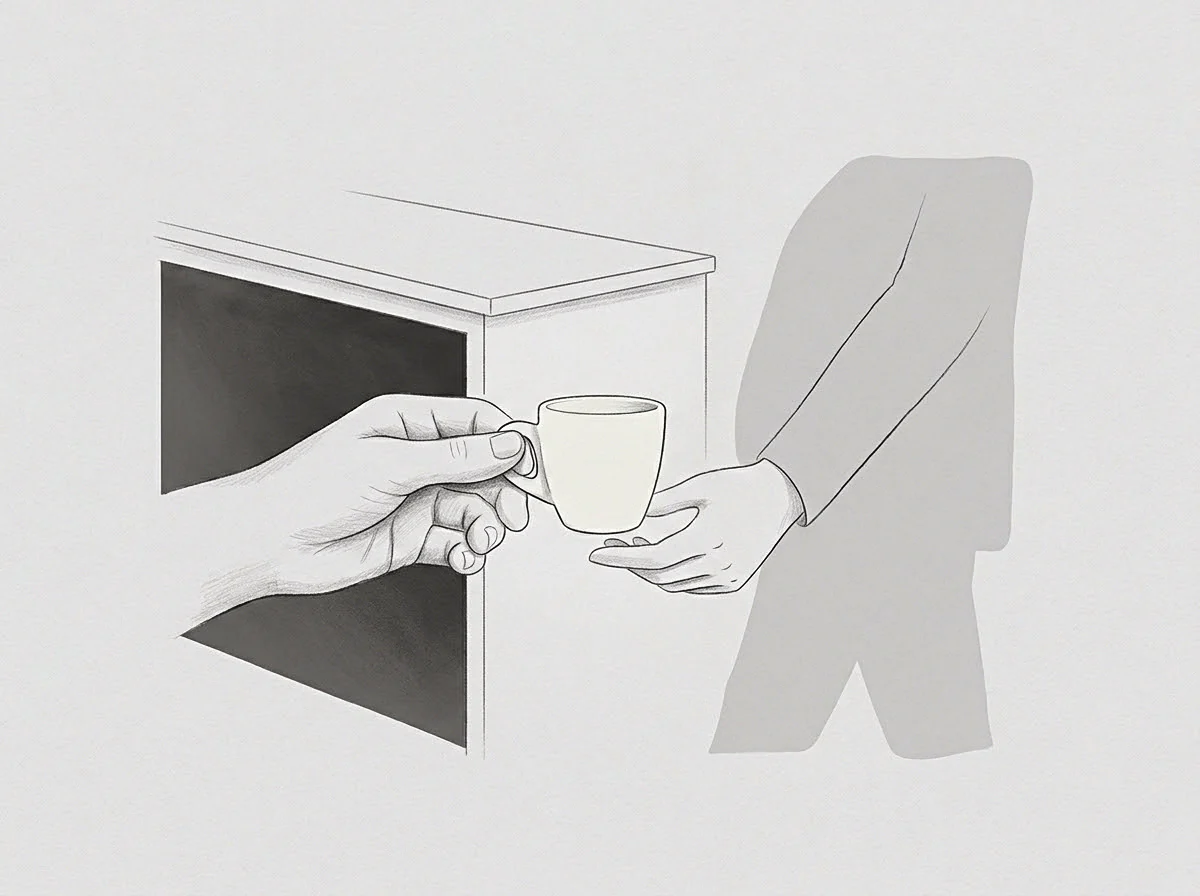
The ventral system requires continuous perceptual confirmation of safety to remain engaged. When an individual spends years in environments where safety depends on anticipation and vigilance, the ventral pathway atrophies functionally. The neuroceptive threshold shifts.
Afferent sensory signals from an intimate partner, such as a raised eyebrow, a pause before answering, or an unexpected sigh, bypass the slower cortical processing pathways. These signals land directly in the basolateral amygdala, which stimulates the paraventricular nucleus of the hypothalamus and triggers immediate sympathetic discharge.
Neuroception identifies threat based on past load rather than present danger.
The neural infrastructure behaves like an electrical circuit hardwired to default to maximum power output whenever resistance drops. In solitude, the operator manages external inputs through tight control over schedules, interfaces, and physical space. This strict containment keeps the sympathetic nervous system relatively stable.
Relational reintegration removes these artificial boundaries. The presence of another sovereign human mind introduces irreducible unpredictability, and the conditioned circuit treats that unpredictability as an existential operational hazard.
Conditioning of the Receptor Deficit
A specific developmental and vocational conditioning underpins this neural response. When an individual repeatedly occupies the baseline role for others, acting as the unshakeable source of stability during organizational or familial crises, their nervous system internalises a unidirectional model of regulation. They become proficient at providing a calming baseline for associates while completely disabling their own receptor capacity for receiving external calm.
The human brain normally constructs an internal working model featuring a responsive, soothing other. When distress occurs, the nervous system seeks proximity to that internalized figure or a living proxy to recruit parasympathetic support. For the backward-template operator, this architecture is reversed.
Distress triggers an internalised model of the self as the sole competent protector. The concept of being held, calmed, or regulated by someone else does not compute within the neural circuitry. The physical receptor slot for co-regulation has closed through years of disuse.
When an intimate partner offers genuine tenderness, physical comfort, or emotional presence, the operator’s nervous system does not recognize the input as relief. The offer lands as an anomaly. Processing an anomaly requires cognitive effort, attention, and sensory scrutiny.
The partner’s gentle touch on the forearm does not provoke a wave of parasympathetic relaxation. It triggers an immediate spike in galvanic skin response and a rapid pupil dilation, as the nervous system scans the novel input for hidden demands, covert obligations, or impending disruption.
A rule of thumb for this physiological state holds that an offer of unearned comfort will be experienced as an unexpected demand for vigilance.
Drift
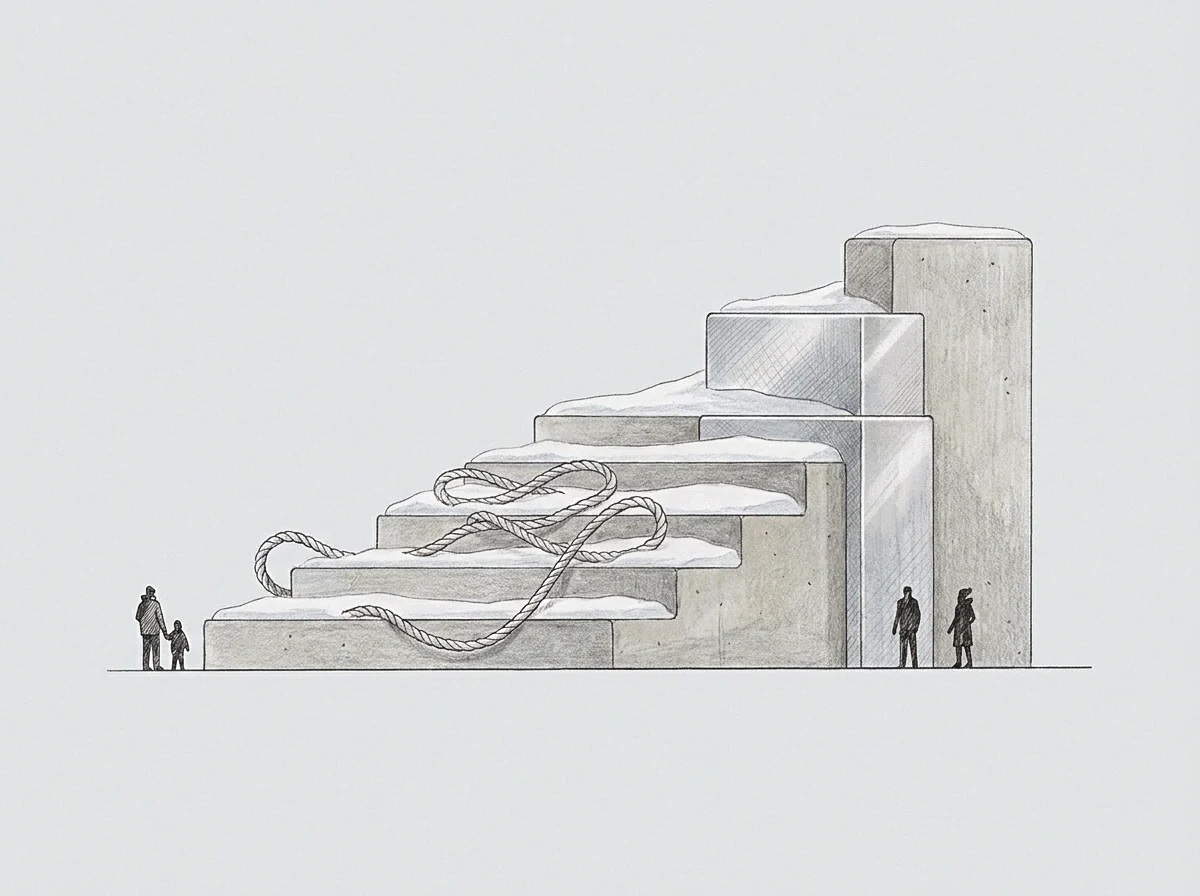
Autonomic states do not reset instantaneously when environmental conditions change. There is an enduring hysteresis, a physiological drift, between the termination of operational load and the recovery of parasympathetic dominance. A founder can close a laptop at six in the evening, but circulating catecholamines require hours to clear through hepatic and renal clearance pathways.
Beta-adrenergic receptor signaling on cardiac myocytes remains active long after the trigger disappears. The body continues to operate under high-stress metabolic conditions while the mind attempts to engage in domestic life.
This physiological lag creates acute frustration within relationships. The domestic partner expects immediate presence, warmth, and engagement the moment the workday ends or the desk is cleared. When the operator appears physically present but physiologically remote, the partner perceives deliberate emotional withholding.
The partner increases relational pressure, asking probing questions or expressing disappointment. This additional relational input hits an autonomic system already struggling to clear an internal neurochemical surge, pushing the operator into deeper sympathetic activation or sudden dorsal vagal collapse.

The Failure Modes of Re-Entry Lag
Left unmanaged, this physiological drift produces distinct failure patterns across relational partnerships:
- Affective misattribution occurs when the physical discomfort of catecholamine clearance is interpreted as dissatisfaction with the relationship itself. The operator misreads visceral tension as evidence that the partnership is fundamentally flawed.
- Premature withdrawal develops when the person retreats into isolation to regain control over their autonomic state. Solitude eliminates the unpredictable stimuli of the partner, restoring the cheap, artificial calm of the solo baseline.
- Defensive escalation manifests as sudden irritation over minor domestic disruptions, such as misplaced keys or unwashed dishes. The prefrontal cortex, depleted of glucose, fails to inhibit defensive outbursts against trivial household inconveniences.
The delta over time between cognitive awareness and autonomic adjustment remains a central challenge. Knowing that one is safe at home does not persuade the sinoatrial node to accept acetylcholine. Insight does not alter the firing rate of the sympathetic chain ganglia.
The autonomic nervous system speaks the slow language of repeated physical experience, respiratory mechanics, and peripheral sensory feedback. Telling a vigilant nervous system to relax is biologically inert; the system requires predictable physical conditions to gradually reinstate parasympathetic tone.
The field continues to debate whether chronic parasympathetic withdrawal during proximity causes permanent structural changes in cardiac autonomic control, or whether the system retains complete neuroplastic adaptability regardless of the duration of the operational period.
Shelf
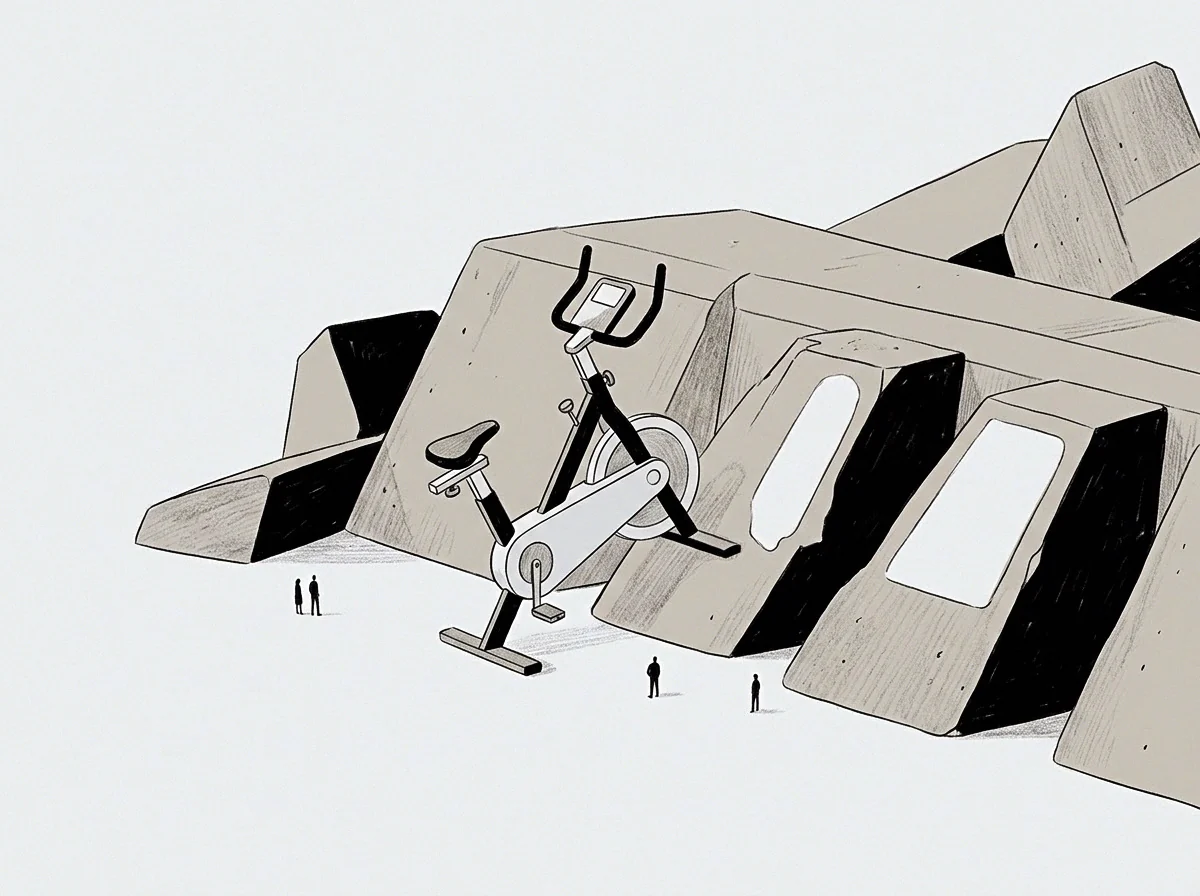
Re-establishing parasympathetic stability during relational reintegration requires treating autonomic regulation as an energetic reality governed by finite reserves. The person returning from prolonged periods of isolated leadership cannot jump directly into unstructured intimacy without paying a severe metabolic price. There must be an explicit transition shelf, a designated operational boundary between solo high-output environments and shared domestic spaces.
This shelf functions as a physical buffer where catecholamines clear and metabolic expenditure transitions back toward baseline levels.
The transition shelf does not involve intellectual reflection, relational debriefing, or processing the day’s stressors. Engaging in conversation during acute autonomic drift merely drains remaining prefrontal reserves. The transition shelf relies on low-demand physiological cues that signal absolute environmental safety to subcortical circuits.
Twenty minutes of quiet physical stillness, sustained diaphragmatic breathing with prolonged exhalations, or repetitive solitary physical tasks like walking home in silence allow the myelinated vagus nerve to re-engage the sinoatrial brake before the individual enters the domestic field.
A boundary protects the partnership by preventing a depleted nervous system from entering a room it cannot afford to occupy.
Establishing this physical buffer requires clear communication between partners. The operator states the boundary without apology: a requirement for thirty minutes of quiet physical decompression before engaging in household conversations. This stated limit prevents the domestic partner from misinterpreting autonomic quietude as personal rejection.
The limit transforms an ambiguous relational standoff into a predictable operational routine.
Building the Receptor Slot Through Earned Security
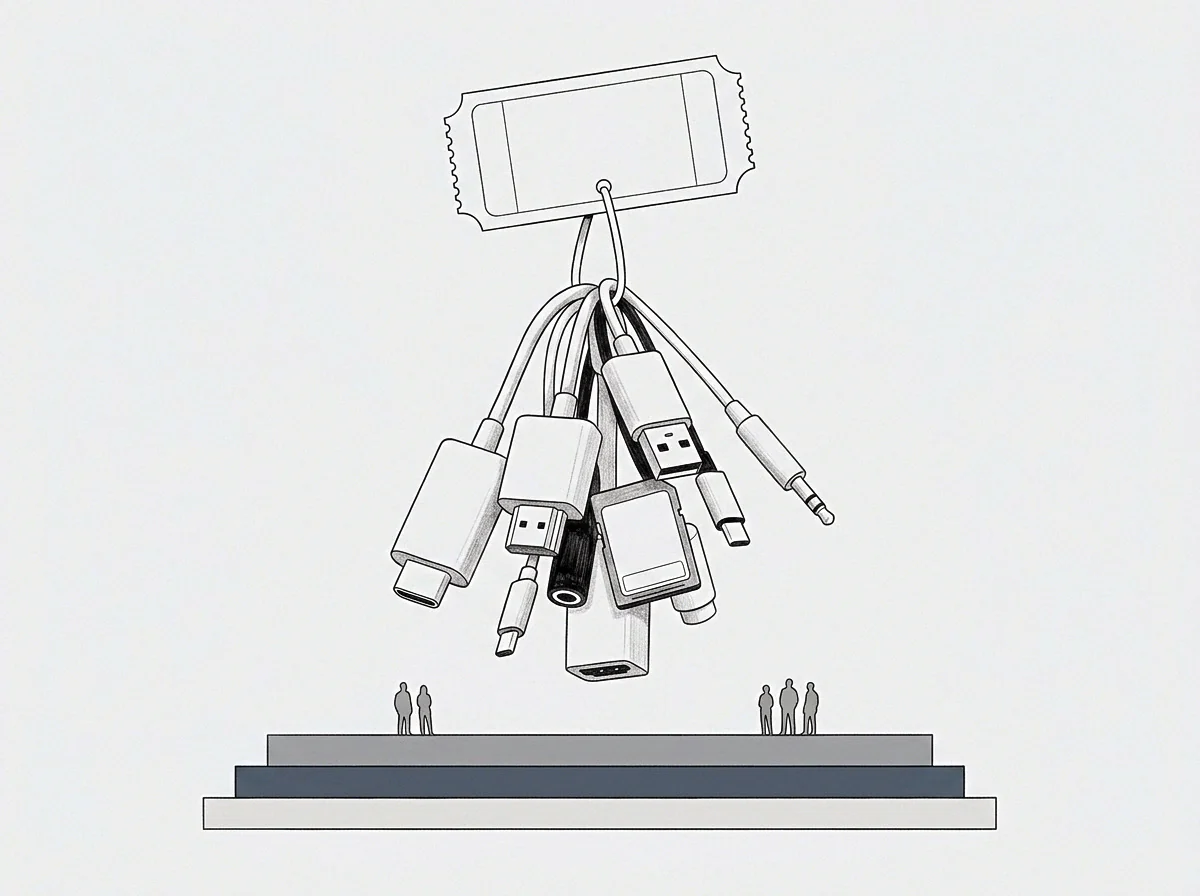
Updating the internal working model requires transitioning from understanding the mechanism to undergoing repeated actual experience. Earned security is the slow reconstruction of relational trust at the physiological level. It cannot be achieved through intellectual insight alone.
The isolated operator grows a new receptor slot for co-regulation through thousands of micro-experiences where proximity does not lead to exploitation, increased load, or unexpected operational demands.
The update path demands deliberate, structured exposure to low-stakes shared stillness. Sitting beside an intimate partner on a couch without speaking, without eye contact, and without an operational agenda allows the ventral vagal complex to test the environment. If the partner remains steady, calm, and undemanding, the operator’s basolateral amygdala gradually attenuates its alarm response.
The prefrontal cortex disengages its heavy glucose-burning inhibitory apparatus. The nucleus ambiguus increases acetylcholine output, and the heart slows naturally in the presence of another human being.
Over months of repeated, quiet exposure, the metabolic cost of domestic reintegration drops. The brain updates its neural baseline, shifting away from the exhausting belief that security requires solitary vigilance. The presence of the partner transforms from an unexpected energetic burden into a genuine source of physiological support.
The body finally learns that it can sit in a room with an ally, release the internal brake, and let down its guard without collapsing into exhaustion.
The agreed protocol dictates thirty minutes of unbroken quiet between the closing of the workspace and the first shared meal, and that single operational boundary preserves the peace of the household.