
Structural Determinants of Executive Allostatic Load Across Ambiguous Authority and Telemetry Configurations
Ambiguous operational authority combined with raw telemetry creates sustained allostatic load by forcing constant anticipatory regulation across open cognitive loops.
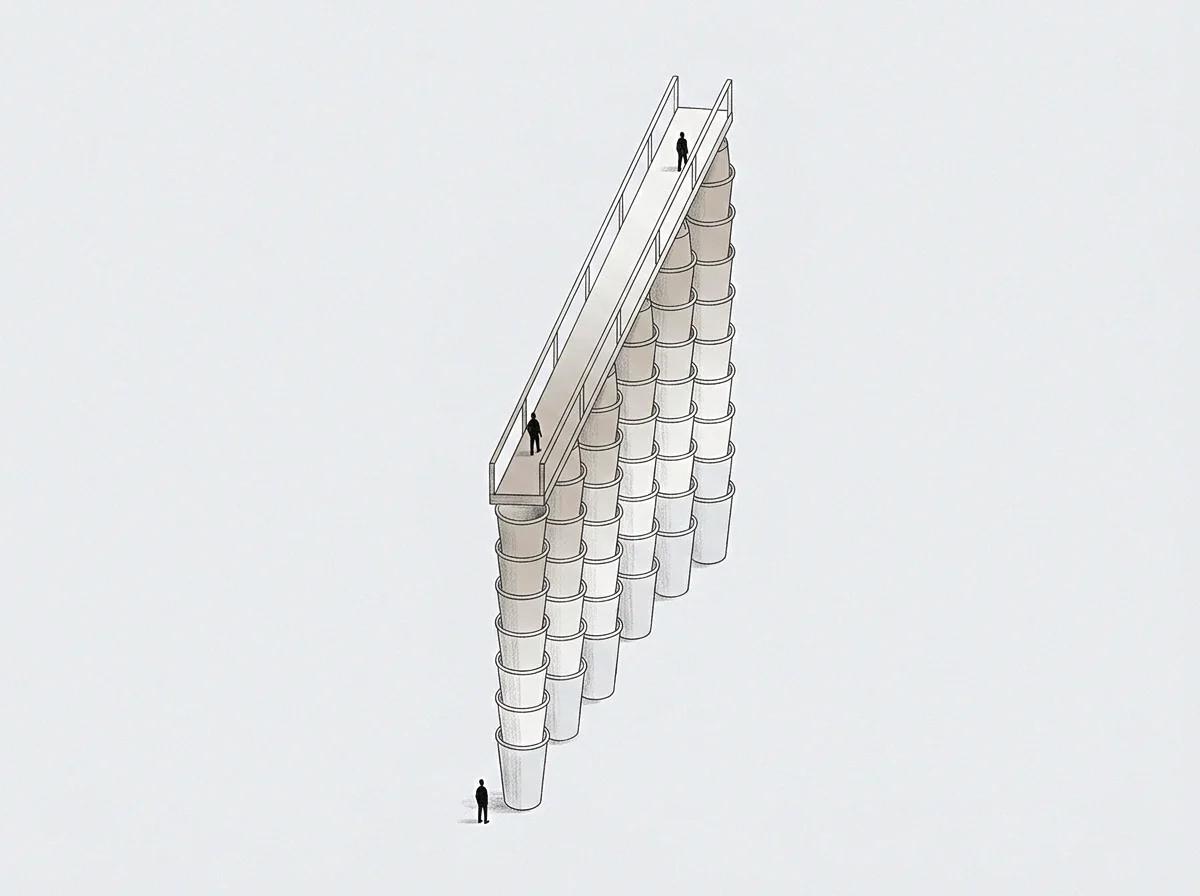
Frame
Four communication channels flash unread indicators at midnight on a dashboard showing elevated database latency. The founder holds ultimate accountability for the business, yet governance rules restrict direct intervention in infrastructure engineering. With no protocol specifying when an executive may initiate off-hours overrides, the situation demands constant monitoring without granting clear authority to act.
Uncertainty drains capacity. Physiological stress research shows that biological systems continually adjust their internal state when facing unresolved demands. This ongoing exertion is allostatic load—the cumulative wear caused by sustained regulatory mobilization.
Extended exposure to operational friction mobilizes metabolic energy, elevates baseline cardiovascular activity, and alters neuroendocrine output. When telemetry delivers persistent noise without distinct triggers for action, internal systems stay locked in a high-arousal baseline.
When operational telemetry signals continuous systemic deviation without granting clear direct authority to intervene, internal biological systems remain locked in high-arousal anticipatory regulation.
Incomplete authority imposes a constant tax. The executive watches incoming telemetry, gauging whether passive friction threatens core stability. Every ambiguous boundary forces repeated reassessment.
Instead of processing bounded, discrete events, the nervous system manages an unbroken stream of potential interruptions, turning routine telemetry into sustained physiological wear.
Adding an explicit override threshold to governance documents turns continuous, implicit monitoring into a discrete, bounded response protocol.

Circuit
Open communication loops tax cognitive capacity independently of execution complexity. A single open inquiry regarding product architecture consumes one active allocation slot within executive processing headroom. Ten concurrent un-gated communication loops exhaust available processing headroom entirely, stopping strategic initiation even when individual message density remains low.

Concurrency Limits and Open Loop Accumulation
Cognitive processing operates under a strict concurrency limit: the finite number of un-gated operational threads a person can hold at once. A thread is gated when its scope, target resolution date, and explicit handoff terms are set. An un-gated thread sits active in working memory, drawing background attention and periodic review.
Switching between un-gated threads drains energy long before concrete execution starts.

Where does incomplete telemetry elevate regulatory demand?
Telemetry design controls how operational data reaches executives. Systems built for maximum transparency often stream raw, unfiltered metrics across passive dashboards. These incomplete feeds flag anomalies without showing whether responsible teams are already working on a fix, leaving executives with an alert signal and no visibility into the actual response.
| Telemetry Mode | Authority Definition | Slot Consumption | Physiological Cost |
|---|---|---|---|
| Passive Unfiltered Stream | Ambiguous or Unstated | High concurrency overhead per alert | Sustained baseline cortisol elevation |
| Filtered Alert Routing | Delegated with Escalation Limits | Moderate slot utilization during spikes | Transient autonomic activation |
| Gated Milestone Summary | Explicit Boundary Clauses | Minimal baseline slot expenditure | Rapid autonomic recovery |
The total count of active threads matters more than task complexity. Capacity drops quickly. When telemetry systems broadcast raw friction without clarifying responsibility, the executive system assigns background processing capacity to every incoming data point.
Strategic planning halts because cognitive headroom remains fully occupied by ambient monitoring demands.
An un-gated channel lacking automated triage protocols consumes two allocation slots continuously regardless of message density.
Unbound monitoring across open operational channels exhausts cognitive headroom, causing delayed strategic execution and elevated baseline cortisol.
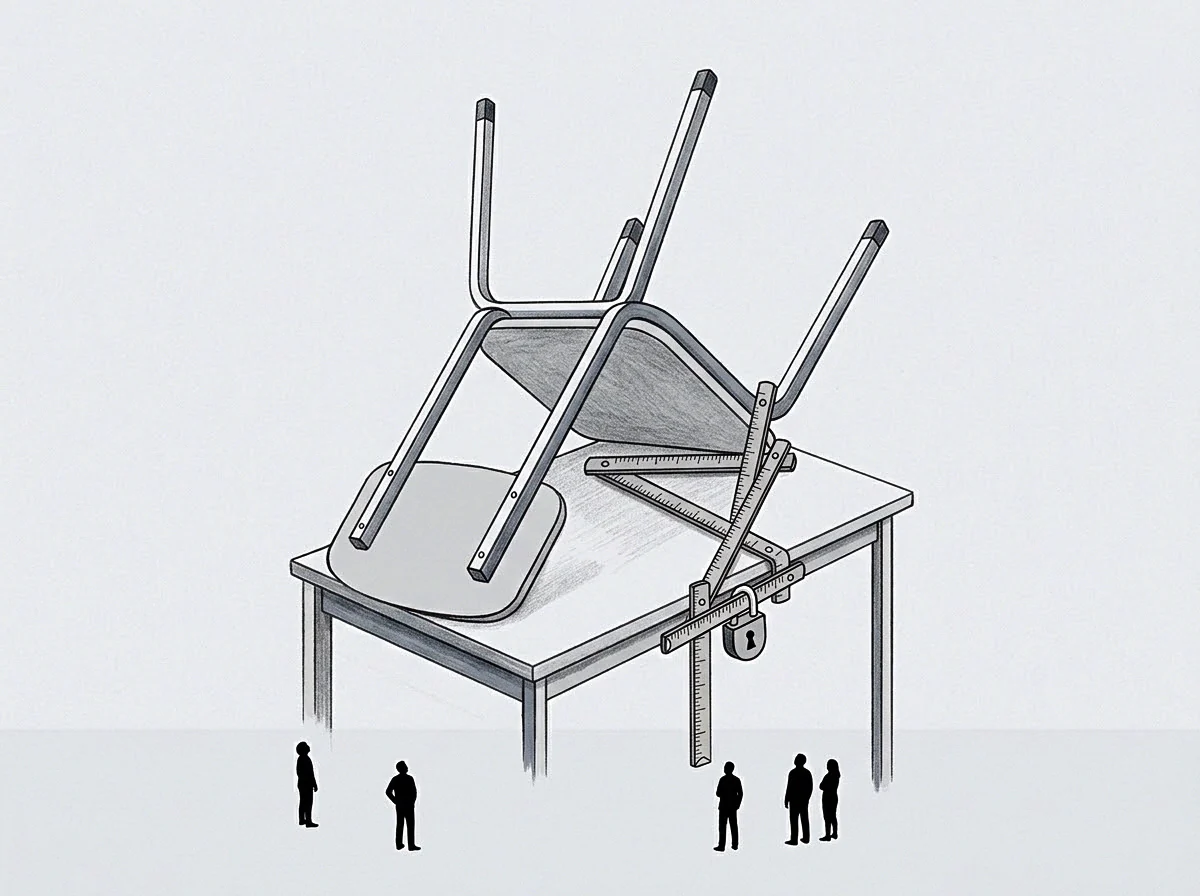
Buffer
Prolonged demand eventually forces energy conservation. An executive continues managing routine operations but loses the capacity for spontaneous strategic thought. Observers frequently mistake this protective biological response for psychological withdrawal or a lack of commitment.

Telemetry Noise and the Throttling Phenomenon
Under maximum allostatic load, this conservation takes the form of throttling—a physiological state where non-essential, self-initiated activity is curtailed to prevent metabolic exhaustion. Throttling differs from clinical depression in measurable ways: a throttled individual maintains high functional output on clear, structured routines while self-directed strategic planning drops to zero. The system preserves its remaining buffer by blocking new threads.
Telemetry noise reinforces throttling by forcing constant vigilance over incoming data. When authority boundaries are ambiguous, operational threads cannot be safely delegated. The system remains trapped between the impulse to monitor and the inability to intervene.

Distinguishing Throttled Capacity From Depressive Withdrawal
Organizations frequently misdiagnose executive throttling. Board members observe a decline in proactive strategic updates and infer a loss of leadership drive. They respond by increasing monitoring frequency and requesting additional status reports, introducing further un-gated threads into an already saturated system.
The executive absorbs incoming status queries without registering progress, as each query consumes remaining allocation slots. Without structural buffers, incoming operational noise continues to displace strategic allocation capacity.
A system running at absolute capacity suppresses spontaneous initiative to preserve baseline operational stability.
- Ambiguous Intervention Thresholds create continuous baseline monitoring demands without offering definitive resolution criteria.
- Asymmetric Telemetry Feeds expose operational friction without providing context on underlying team actions.
- Un-gated Escalation Channels allow direct unmonitored updates to bypass established triage buffers.
Total operational silence is easily misread as a complete loss of commitment.
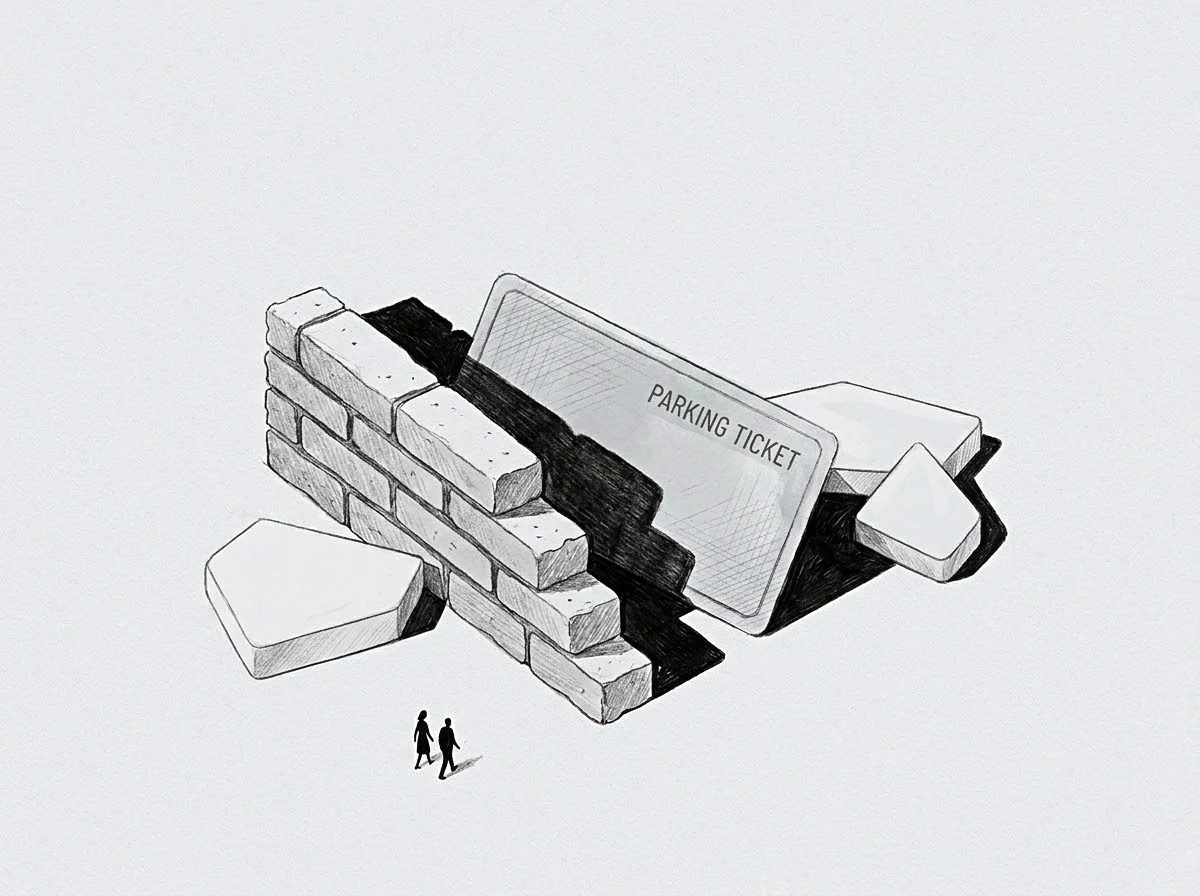
Gauge
Executive Allostatic load can be estimated through structural metrics rather than subjective emotional assessment. Tracking thread accumulation, alert frequency, and authority clarity provides an objective index of systemic wear.

Measuring Headroom and Incoming Systemic Demands
Available cognitive headroom measures the unused processing capacity remaining after accounting for all active open loops. Headroom decreases predictably as un-gated thread counts rise. High incoming load combined with low authority clarity accelerates headroom depletion, pushing executive systems toward sustained throttling.
Consider an operational setup where two founders manage an enterprise technology platform. Setup A operates with informal communication pathways, un-gated chat channels, and unstated authority boundaries regarding customer deployment decisions. The executive holding system stability responsibility receives average alert volumes of seventy alerts per day across five un-buffered communication tools.
Setup B implements automated triage routing, explicit dollar-value intervention limits, and fixed escalation timeframes. In Setup A, open thread concurrency reaches twenty-four continuous loops, driving high baseline cortisol and complete suppression of strategic initiatives. In Setup B, open thread concurrency stays below four gated loops, preserving operational headroom for proactive product development.
A parked line holding explicit resolution terms costs zero cognitive slots until the target timestamp arrives.
- Define Scope establishes clear boundaries for operational intervention.
- Fix Date assigns a specific temporal milestone for reassessment.
- State Terms clarifies explicit handoff conditions between roles.
Structural intervention replaces subjective emotional self-regulation with explicit system design rules. When operational parameters dictate exact escalation conditions, continuous passive monitoring ceases.
Whether organizations can construct automated telemetry gates without increasing the executive’s felt isolation remains an open empirical question.

Lever
Reducing allostatic load requires shifting from personal discipline strategies to structural system redesign. Executive wear stems from ambiguous authority and noisy telemetry configurations, not from insufficient personal resilience.

Structural Gating and Authority Realignment
Redesigning operational structures begins with implementing gated loops. Every incoming operational query must arrive with defined scope, a target review date, and clear decision terms. Un-gated messages receive immediate structural parking, removing them from active cognitive memory until the specified review window opens.
Telemetry feeds must undergo rigorous signal-to-noise filtering. Raw operational metrics belong at the execution tier, while the executive tier receives aggregated performance summaries tied directly to actionable authority boundaries. If a metric does not grant immediate intervention authority, it must be removed from executive dashboards.
Eliminating passive monitoring feeds frees critical processing slots, lowering baseline physiological arousal.
Structural authority alignment mandates defining exact financial, operational, and personnel intervention thresholds. Clarifying where executive authority ends and delegated operational execution begins protects executive capacity. Structural boundaries protecting executive headroom preserve operational capacity far more effectively than personal discipline.