
Tracking Cognitive Capacity Wear During Continuous Interpersonal Regulation
Continuous interpersonal regulation consumes prefrontal executive capacity, triggering protective system throttling that manifests as selective latency.

Valve
Eleven minutes before midnight, four distinct conversation windows remain active across two screens while an uncommitted operational summary sits untouched in a terminal window. An operator reads incoming transmissions from a co-founder whose anxiety escalated following an afternoon investor assembly, an engineer disputing code architecture, and an executive seeking reassurance regarding quarterly runway. Each incoming sentence demands calibration.
The recipient constructs sentences that absorb tension, alters punctuation to project stability, and suppresses immediate irritation to preserve collaborative cohesion. The uncommitted summary stays empty for another ninety minutes. That slot held panic.
Every interpersonal transaction involving an asymmetrical distribution of emotional stability extracts an exact operational toll. When an executive or technical lead functions as an informal stabilizing mechanism for colleagues, the central nervous system does not categorize the conversation as casual social contact. The prefrontal cortex allocates executive resources to monitor vocal modulation, linguistic valence, micro-expressions, and contextual threat assessment.
Self-monitoring operates continuously alongside cognitive evaluation of the underlying commercial difficulty. The body burns glucose and recruits attentional loops to prevent reciprocal panic, treating the colleague’s distress as an immediate system hazard.
The person managing three distressed callers across midnight absorbs somatic tension that leaves direct execution stalled by daybreak.
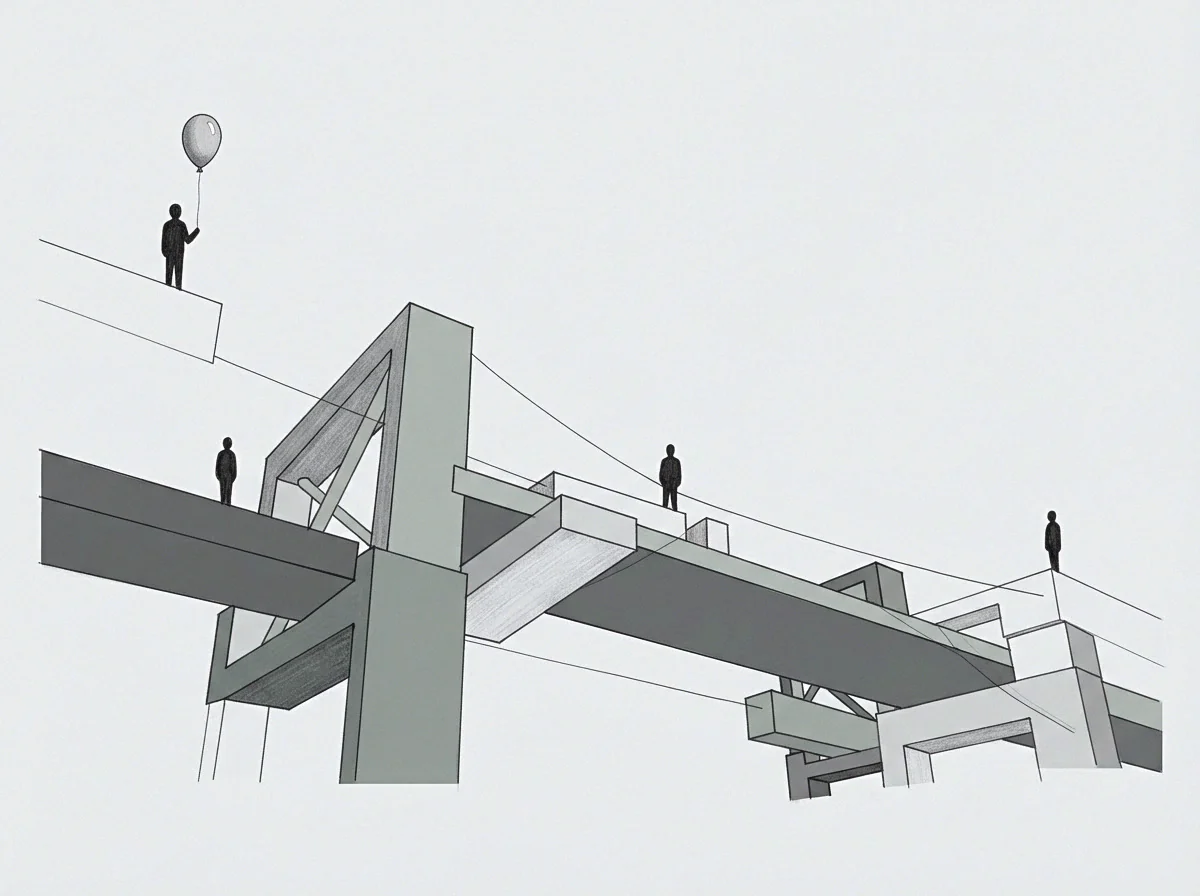
Somatic Expenditure During Live Stabilization
Sustained interpersonal modulation forces the autonomic nervous system into prolonged sympathetic activation while simultaneously demanding behavioral composure. Laboratory tracking of cardiac vagal tone reveals that social buffering activities suppress high-frequency heart rate variability. The human organism treats an unstable counterparty as an unpredictable environmental variable.
Cortisol secretion rises to sustain vigilance, while peripheral blood vessels constrict to prepare for physical confrontation or flight. Because professional conventions forbid physical retaliation or departure, the organism internalizes the pressure through muscular bracing and elevated arterial tension.
Executive function deteriorates under this physiological state. Working memory capacity shrinks as somatic loops monopolize the prefrontal network. Complex deductive reasoning slows down because metabolic priorities favor threat interpretation over abstract synthesis.
A person attempting to structure a debt facility while calming a panicked operational partner processes numerical relationships at half their typical speed. Errors in basic spreadsheets multiply. The administrative backlog deepens while the partner walks away calmed, having offloaded their dysregulation onto an available recipient.
Why could you not answer that simple query when everyone needed guidance?

Telemetry
Ambulatory monitoring equipment captures the physical signature of chronic relational mediation long before behavioral exhaustion registers on an executive calendar. Salivary alpha-amylase levels surge during contentious interpersonal alignments, signaling heightened sympathetic nervous system activity independent of physical exertion. When these interactions occur back-to-back across an eight-hour operating schedule, baseline markers fail to return to resting thresholds.
The endocrine system maintains an emergency posture throughout standard administrative routines.
Basal allostatic load accumulates through repeated activations of the hypothalamic-pituitary-adrenal axis that never fully terminate. Stress physiology literature establishes that physiological wear accelerates exponentially when interpersonal stabilization episodes lack clear operational boundaries. In controlled laboratory assessments of triadic interpersonal stress, high-frequency heart rate variability suppression correlates directly with task-induced cognitive errors on subsequent Stroop and N-back evaluations.
These specific findings rest on laboratory triadic stress tests involving healthy adult cohorts under acute observational scrutiny. The observed relationship would weaken if naturalistic ambulatory monitoring across extended operational periods demonstrated that basal autonomic recovery occurs independently of conversational volume or relational volatility.
Vagal suppression persists throughout interpersonal stabilization tasks whenever the actor anticipates an unannounced demand for reassurance.
Markers of Executive Depletion
Physical indicators of capacity loss manifest in predictable sequence across the working day. Eye-tracking data shows an involuntary narrowing of visual saccades during the fourth consecutive hour of contentious interpersonal negotiation. Blink frequency increases as the prefrontal cortex experiences glucose depletion.
Speech production becomes flatter, abandoning dynamic pitch modulation in favor of monotonic delivery. The organism reduces extraneous motor expenditures to protect vital metabolic functions.
Decision hygiene collapses under prolonged physiological monitoring demands. Individuals subjected to unbroken relational friction default to risk-averse, path-of-least-resistance outcomes on secondary operational questions. Complex operational roadmaps get delayed.
Vendor disputes receive perfunctory compromises simply to terminate active contact. Peripheral circulation drops quickly.
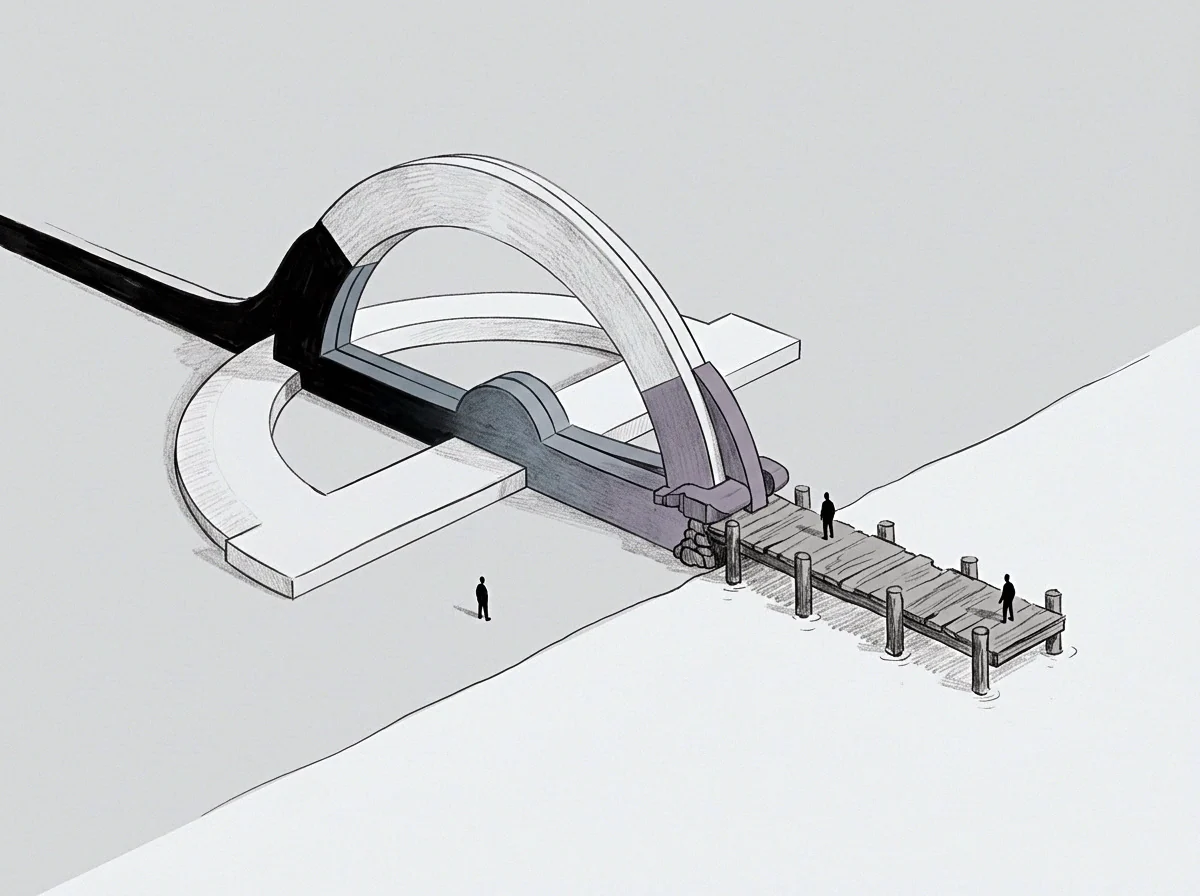
How Telemetric Drift Marks Chronic Regulatory Strain?
Serial measurements of resting biometric baselines expose the progressive degradation of cognitive reserve over quarters of continuous mediation. Nocturnal heart rate variability exhibits a downward trendline when an executive spends evening hours managing shareholder sentiment or leadership friction. Deep sleep duration diminishes as elevated core body temperatures resist circadian cooling cycles.
The brain fails to complete the glymphatic clearance processes that occur during slow-wave slumber. Morning cognitive velocity drops, requiring increased stimulant intake to achieve standard processing baselines.
The system enters a compensatory loop. Heightened daytime stimulants elevate basal sympathetic tone, which further degrades interpersonal tolerance during subsequent team interactions. An offhand remark by an associate triggers an exaggerated physiological threat response that requires conscious inhibition, consuming even greater quantities of glucose.
Executive capacity operates sequentially. That slot held friction.
Whether prolonged suppression of cardiac vagal tone during relational buffering causes irreversible structural alterations in prefrontal white matter tracts remains an open scientific question.

Dial
Operational communities frequently misinterpret defensive system throttling as depressive withdrawal or lack of commitment. When an overloaded leader stops replying to instant messages, cancels non-urgent bilateral syncs, or delivers monosyllabic directives, peers assume motivational collapse. Clinical diagnostics misapply depressive labels to these presentations because both conditions feature withdrawal, flat affect, and decreased social initiative.
The underlying physiological architectures remain fundamentally distinct.
A throttled organism retains task execution fidelity for high-priority operational objectives while systematically shedding peripheral relational demands. Rate limiting functions as an active biological defense mechanism designed to prevent systemic cardiovascular and neurological damage. The central nervous system dials down responsiveness to preserve vital cognitive functions.
Depressive states, conversely, present generalized motivational collapse across professional and self-directed domains alike.
A governor that slows processing speed preserves the machine, while total stoppage signals damaged components.
| Operational Dimension | Throttled System State | Depressive System State |
|---|---|---|
| High-Priority Execution | Sustained execution on isolated, high-leverage deliverables | Generalized operational paralysis across all responsibilities |
| Interpersonal Latency | Selective delays on conversational and non-urgent messaging | Uniform delay or total abandonment across all communication |
| Response to Clear Mandates | Rapid resumption of focus when operational ambiguity drops | Persistent inability to initiate action despite clear parameters |
| Recovery Velocity | Immediate bounce back following four uninterrupted days of silence | Prolonged, sluggish trajectory unresponsive to brief isolation |
| Affective Baseline | Controlled irritability masking deep cognitive exhaustion | Pervasive anhedonia combined with feelings of worthlessness |
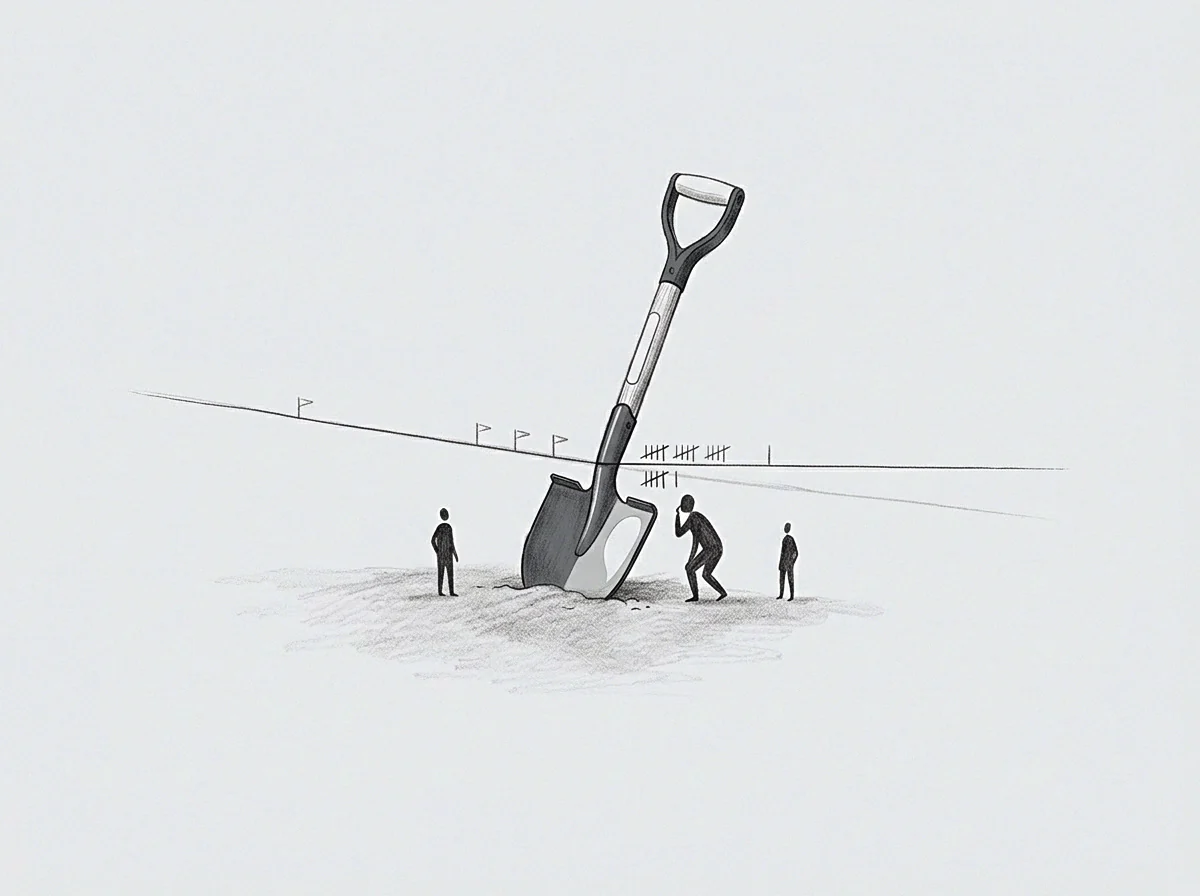
Diagnostic Criteria for Rate Limiting
Differentiating between protective throttling and clinical collapse requires evaluating behavior across structured tasks versus ambiguous interpersonal tasks. A throttled operator writes complex technical specifications with unimpaired precision when sequestered in a closed room. Give that same operator an open-ended grievance session with a disgruntled director, and executive performance disintegrates within twenty minutes.
Latency increases by design.
Depressive pathology shows no such selective preservation. It blunts performance across technical, strategic, and relational axes uniformly. Conflating protective throttling with psychological collapse causes organizations to prescribe talk-based therapeutic interventions that actually increase interpersonal demands on an already depleted regulatory apparatus.
The intervention accelerates the breakdown it aims to prevent.
Treating a protective system governor as an emotional illness invites destructive personnel reassignments, unnecessary corporate reorganizations, and irreversible commercial dissolution.
Circuit
Operational queues fail when asynchronous communication channels remain permanently unmetered. An open chat channel functions as an unregulated electrical connection directly wired into executive working memory. Every unread notification carries latent interpersonal friction, whether an implicit request for validation, an escalating disagreement between subordinates, or an anxious founder seeking reassurance.
The brain cannot differentiate between a live conversational encounter and a waiting text prompt; it reserves working memory buffers for both.
Mechanical relays in early telephonic crossbar switching exchanges handled message surges through mechanical step switches that physically disconnected incoming lines once exchange banks reached thermal thresholds. Modern organizational design lacks physical cutoffs. The individual executive serves as an uninsulated conductor absorbing unbounded conversational voltage until internal fuses vaporize.
Stopping this depletion demands structural transformation of communication architectures from open lines into gated transactional exchanges.
- Synchronous Windows restrict interpersonal consultations to two designated ninety-minute operational blocks per working day.
- Written Summaries replace exploratory verbal alignment sessions with three-hundred-word structured briefings stating exact decisions requested.
- Terminal Directives clarify that missing messages during deep execution intervals signals scheduled capacity protection rather than negligence.
- Decoupled Channels separate critical production alerts from interpersonal sentiment tracking, preventing emotional demands from polluting technical workflows.
Execution of these boundaries immediately liberates cognitive bandwidth. When an operator converts five ungated discussions into scheduled, time-limited decision checkpoints, the continuous drain on prefrontal resources ceases. The background vigilance circuit terminates.
Working memory returns to baseline capacity, enabling sustained engagement with analytical architecture, capital allocations, and product design. The queue fills rapidly. That slot held strategy.
A time-bound availability restriction converts unmetered emotional demands into scheduled operational exchanges.
Validation Across Operational Literature
Industrial ergonomics research documents how communication fragmentation destroys complex project throughput. Studies examining interruptions in software engineering and air traffic control indicate that restoring contextual depth following an emotional conversation consumes twenty-four minutes of secondary cognitive alignment. The switching penalty rises significantly when the interruption involves interpersonal conflict or emotional stabilization.
These assertions derive from empirical workplace evaluations of white-collar knowledge workers in high-concurrency environments. The findings would require substantial revision if emerging naturalistic studies in fully asynchronous corporate models demonstrate that unstructured micro-interactions produce negligible cognitive wear when participants maintain complete spatial autonomy.
The insertion of an explicit response SLA into partner agreements changes the baseline expectation of immediate relational availability into a predictable, batch-processed operational exchange.
Breach
Withdrawing interpersonal buffering destabilizes the surrounding organizational ecosystem. When an operator stops acting as the emotional damper for colleagues, the raw volatility of the enterprise surfaces immediately. Founders accustomed to receiving real-time soothing during capital volatility experience the sudden silence as personal betrayal or active hostility.
They escalate communication frequency, employ emotional manipulation, or question the operator’s dedication to commercial objectives.
This pushback represents the predictable response of a dependent system encountering a functional limit. Relational partners do not willingly absorb their own emotional volatility when an unmetered recipient has historically processed it free of charge. The recipient must anticipate an acute phase of heightened interpersonal conflict during the transition to gated communication.
Silence carries high friction.
The Cost of Reclaiming Cognitive Bandwidth
Establishing operational boundaries carries real commercial and professional consequences. Panicked co-founders may retaliate by withholding material project updates. Sensitive team members may resign, claiming that the company culture has turned cold or transactional.
Some institutional investors may misread the refusal to hold late-night reassurance calls as executive disengagement, sparking friction at governance tables.
Existing literature in occupational sociology offers thin longitudinal data detailing exactly how commercial partnerships re-equilibrate once an unstated emotional buffering arrangement terminates abruptly outside clinical settings. Under this empirical uncertainty, a prudent operator assumes that structural boundary enforcement will cause temporary operational turbulence, budgeting social capital and administrative buffers to absorb the shock rather than abandoning the intervention.
Physical fatigue accumulates quietly. The line stayed cold. When an unmetered mediator closes the valve, the collective pressure must find alternative vents across the structural hull of the organization.
An operator who absorbs everyone else’s emotional storm eventually lacks the capacity to steer the vessel through its own.
A vessel that permits unlimited water across its bulkheads inevitably sinks beneath the weight it refused to deflect.