
Interpersonal Baseline Capacity Restoration After Extended Founder Stress
Extended operational overload converts social proximity from a regulatory subsidy into an incoming load, requiring repeated safe experience to rebuild baseline capacity.
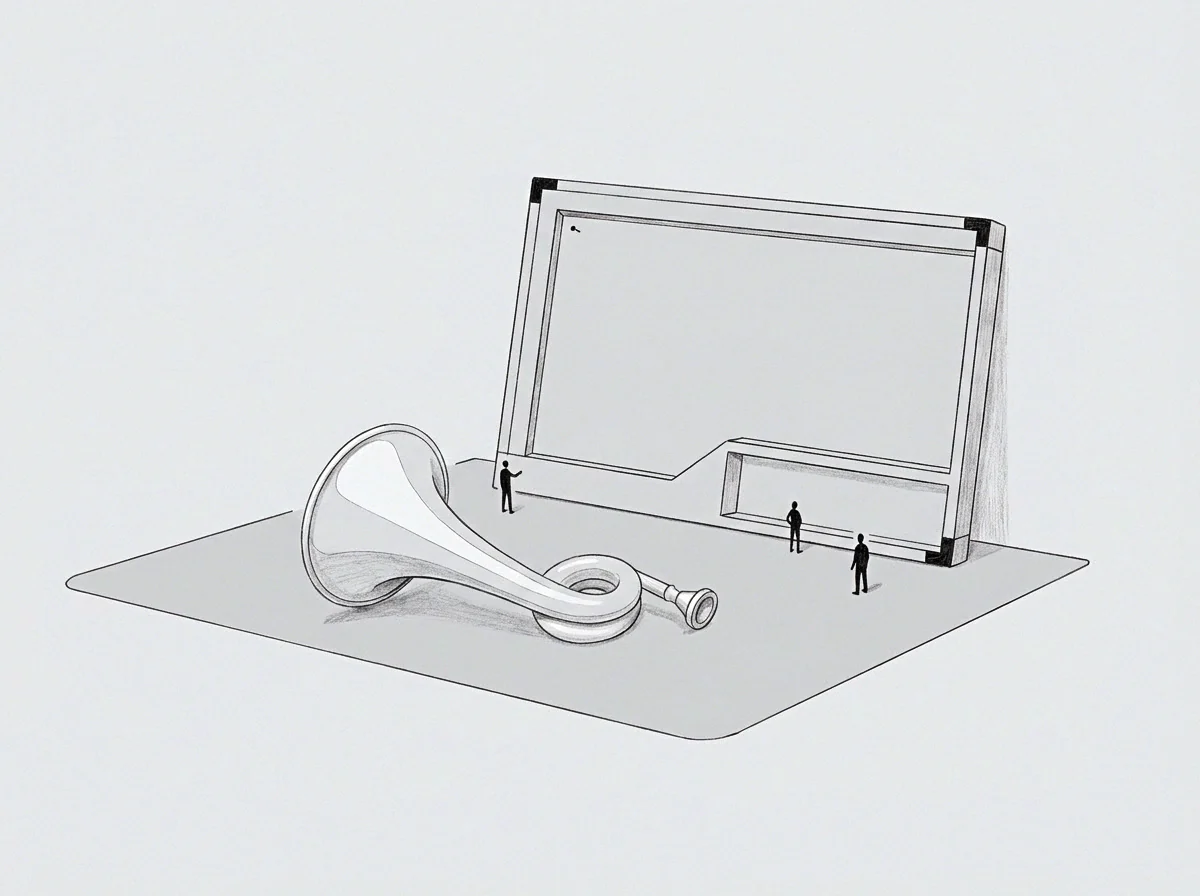
Throttling
Four unread messages sit on a screen at eleven at night, each asking for an answer that requires emotional presence. The person sitting in the quiet room has spent twelve hours managing equity partners, supply constraints, and payroll deadlines. A partner enters the room, sets down a glass of water, and stays silently by the desk.
Under standard conditions, physical proximity reduces autonomic arousal and lowers metabolic expenditure. In this room, heart rate climbs and the jaw tightens. The offer of closeness registers as another demand on an already saturated concurrency limit.
Social baseline theory demonstrates that the human brain evolved to treat proximity to reliable conspecifics as the default, energy-efficient baseline. When someone operates as the primary regulatory source for an entire organization over several years, the nervous system adapts by suppressing the expectation of external support. The brain constructs a severe threat budget, reallocating resources away from relational processing and toward constant vigilance.
When extended operational load exceeds neural capacity, incoming social signals shift from metabolic discounts into immediate energy demands.
The transition occurs without conscious choice. An individual who spends years absorbing investor anxiety and operational volatility develops an inverted regulatory response. Physical proximity, tone of voice, and gentle inquiry are processed by the dorsal vagal complex as signals requiring immediate cognitive assessment.
Rather than lowering the metabolic expense of maintaining homeostatic balance, another person’s presence forces the brain to evaluate relational expectations, compute communication strategies, and monitor personal boundaries.
The autonomic nervous system caps its social availability to protect core operational functions. When this limit is reached, the capacity to offer co-regulation to family members, partners, or close peers collapses completely. The person remains physically present but functionally inaccessible, operating behind a protective wall of autonomic neutrality.
“The room feels completely empty even when two people sit side by side.”

Notch
A sharp boundary separates temporary exhaustion from a fundamental shift in baseline relational capacity. In acute fatigue, a night of rest restores the willingness to engage with a partner or colleague. When operational pressure remains elevated across multiple years, the autonomic nervous system resets its resting point.
The brain increases its ongoing estimate of environmental threat, treating relational engagement as an expensive luxury rather than a primary source of recovery.
This biological shift alters how the individual responds to social contact across four distinct operational modes:
- Suppressed Co-Regulation occurs when the nervous system actively resists biological synchrony with a partner, treating shared physiological states as an unpredictable variable that threatens core stability.
- Vigilant Compartmentalization leads an operator to convert every conversation into a structured task, eliminating open-ended relational space to preserve remaining attentional bandwidth.
- Proximity Aversion develops when non-verbal physical presence triggers a sympathetic surge, forcing the individual to seek physical isolation to achieve autonomic balance.
- Attentional Throttling limits the processing of emotional nuance in others, reducing complex interpersonal signals to simple binary categories of operational threat or compliance.
Under standard conditions, proximity to a trusted individual provides a proximity discount, lowering cardiovascular exertion and cortisol output during acute difficulty. When the regulatory template has been inverted by prolonged overload, that reduction vanishes. The brain handles every social interaction at full computational cost.
Unstated relational expectations billed against an exhausted nervous system trigger protective isolation rather than shared recovery.
Ignoring this autonomic shift leads to the systematic dissolution of primary relationships as emotional distance converts into permanent relational disengagement.
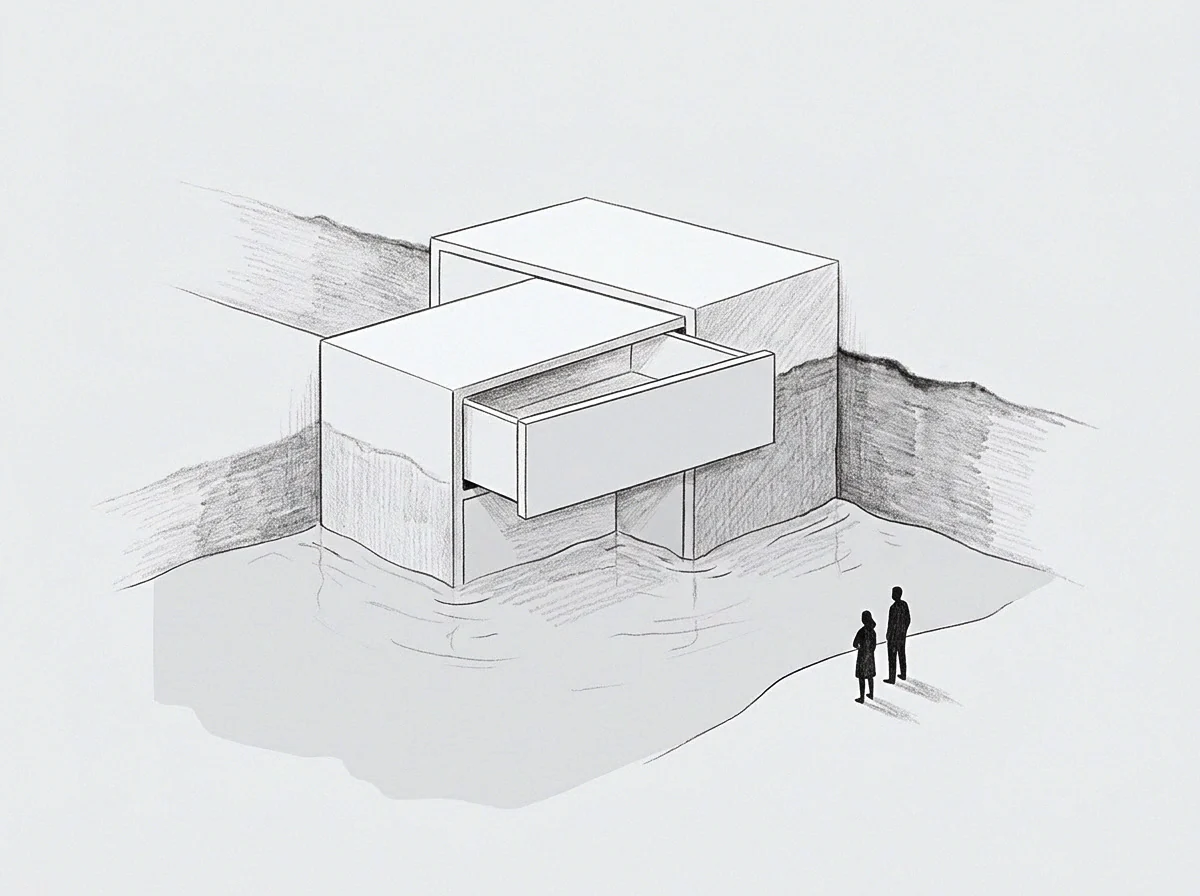
Vault
The architecture of self-containment forms when an individual habitually operates as the sole source of stability for an entire organization. In this state, the internal working model assigns all regulatory duty to the self. The brain internalizes a picture of the world where others consume calm but never supply it.
When a supportive partner offers presence, the individual lacks the internal receptor slot needed to process and integrate that input.

Where Does the Capacity Receptor Fail Under Stress?
A person who ran the regulatory cycle backwards for years learned to associate safety with absolute self-reliance. For this individual, being held or supported feels structurally identical to surrendering operational control. The offer of care becomes an anomaly that the threat system must neutralize.
The escalation from initial commitment to relational shutdown follows a clear physiological sequence:
- An operational crisis forces the individual into continuous high-arousal self-regulation without recovery intervals.
- The individual assumes full regulatory responsibility for colleagues and investors, suppressing personal distress signals to maintain institutional stability.
- Primary relational partners attempt to offer support, but the input is misread as an additional emotional obligation requiring management.
- The operator withdraws into absolute self-containment, closing off all channels of shared regulation to prevent autonomic overload.
The regulator template built during prolonged operational threat operates on a single premise: stability is generated internally or it does not exist. When a partner attempts to co-regulate with someone operating on this template, the gesture fails to land.
A regulator accustomed to bearing all operational weight treats incoming care as an administrative load.
A nervous system trained to hold every load will read open hands as an additional weight to carry.
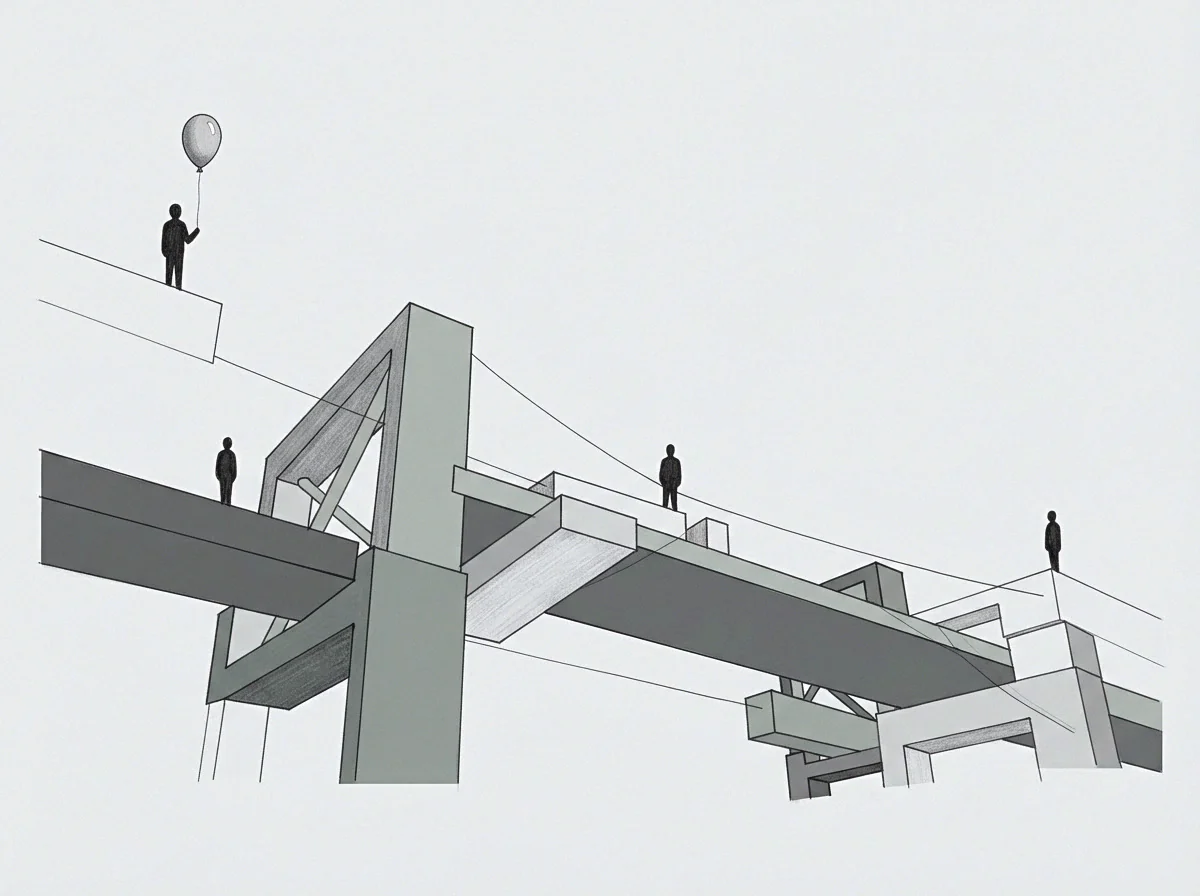
Delta
Rebuilding relational capacity requires distinguishing between acute coping behaviors and structural updates to autonomic baseline parameters. A person may take a two-week sabbatical and return with reduced cortisol levels, yet maintain the exact same inverted regulator template. The true measure of restoration lies in the reduction of metabolic expenditure during unscripted social contact.
Take two operators who spent four years scaling ventures under identical capital constraints. Assume the first operator relies entirely on isolated retreats to reset, while the second engages in structured, low-demand physical co-regulation with a partner for thirty minutes daily.
| Operational State | Metabolic Cost of Proximity | Autonomic Response to Unscripted Contact | Capacity for Shared Presence |
|---|---|---|---|
| Uncalibrated Overload | High (proximity treated as incoming demand) | Sympathetic elevation with elevated cardiovascular strain | Severely restricted to task-oriented interaction |
| Acute Isolation Coping | Moderate (temporary relief during physical separation) | Vagal suppression upon re-entry to relational space | Transient and collapses under minor friction |
| Restored Baseline Capacity | Low (proximity functions as regulatory discount) | Ventral vagal activation with lowered heart rate | Sustained ability to co-regulate under active stress |
The contrast between temporary coping and structural restoration reveals the physical nature of relational headroom.
The primary indicator of restored social capacity is a quiet nervous system in the presence of an unscripted person.
When an operator establishes an explicit non-demand proximity protocol, the nervous system begins to re-categorize shared physical space from a high-cost workplace into a low-cost regulatory sanctuary.
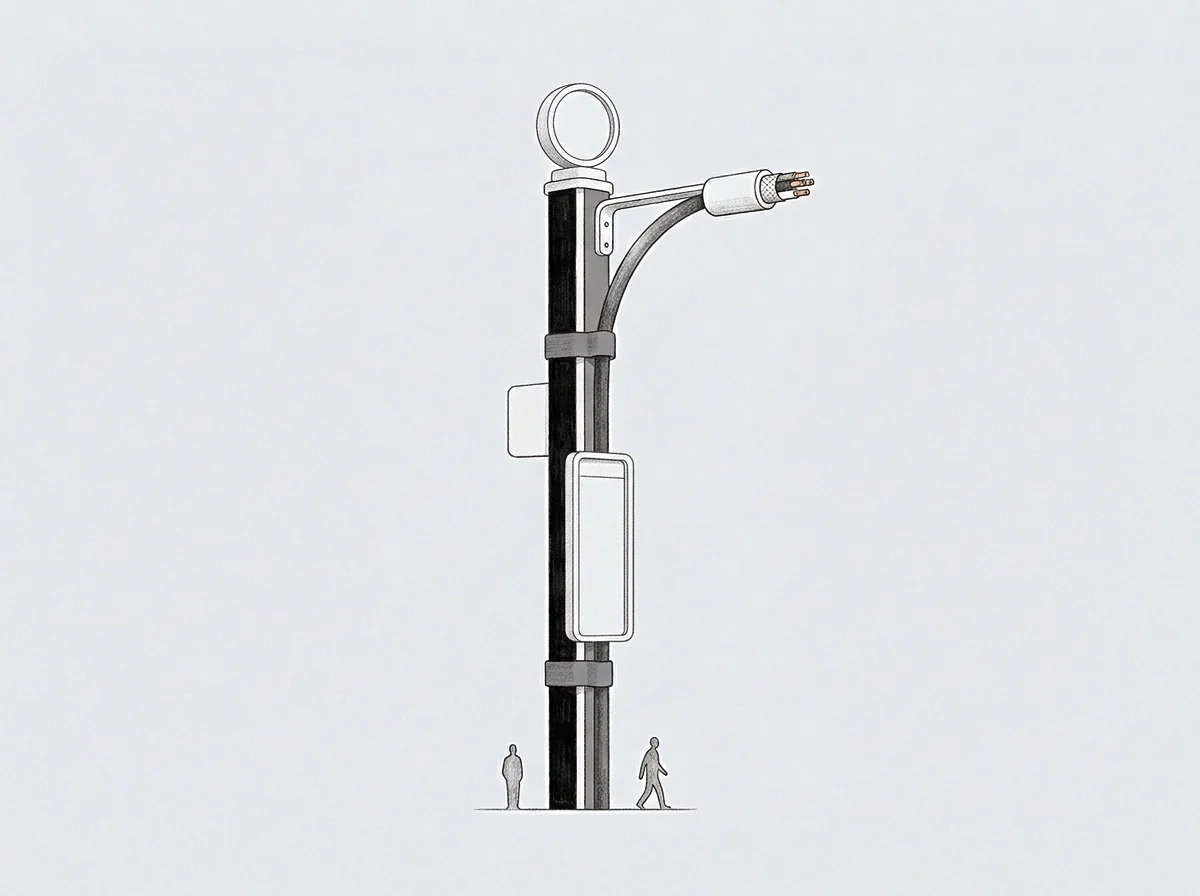
Update
Restoring baseline capacity is an experiential process rather than an intellectual achievement. A person cannot think their way into a lower resting heart rate or analyze an internal working model into earned security. The autonomic nervous system updates its threat budget exclusively through repeated, actual experiences of safety in physical proximity.
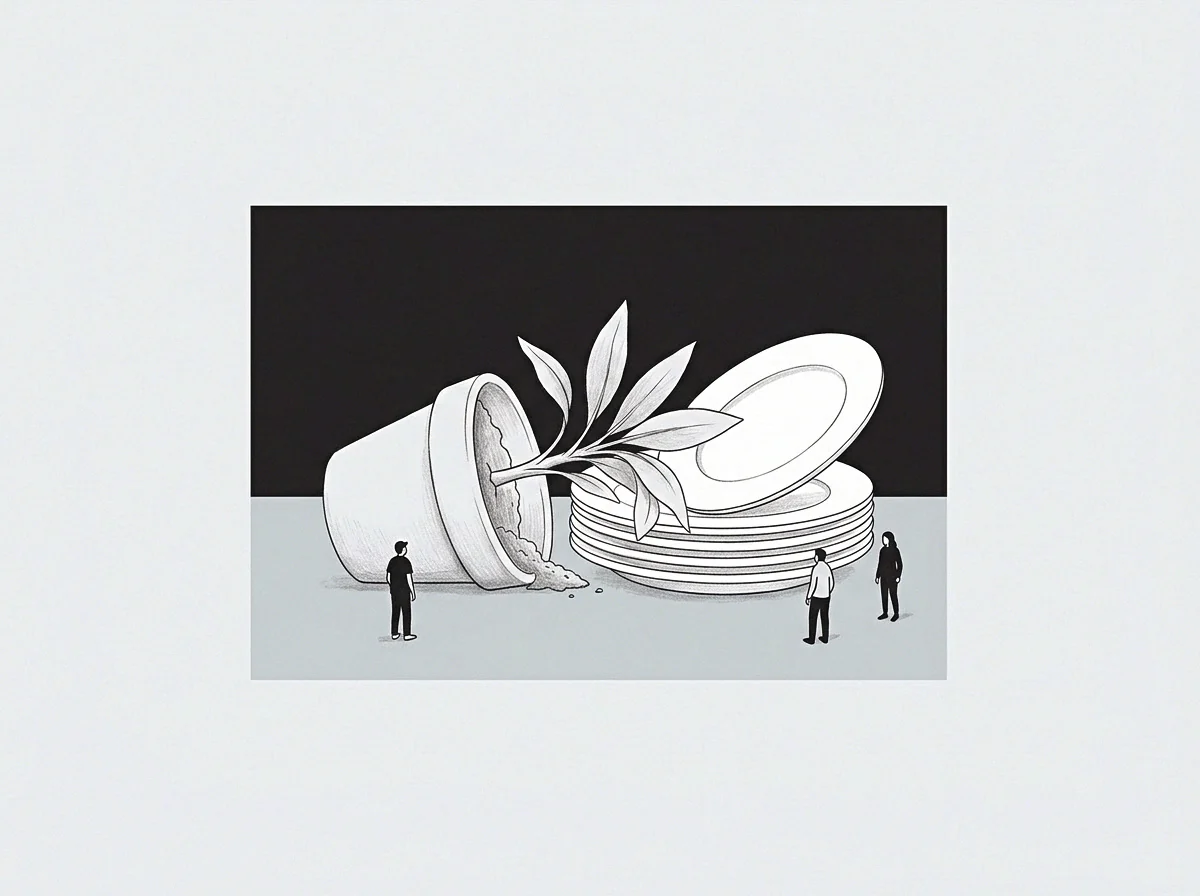
Rebuilding the Receptor Slot Through Low-Demand Contact
The update path requires structured exposure to low-demand physical presence. This involves sitting in the same room with a trusted partner without the requirement for verbal communication, problem-solving, or emotional performance. By eliminating the demand for output, the nervous system accumulates data proving that social proximity does not inevitably lead to energy depletion.
Over months of consistent exposure, the brain gradually re-opens the receptor slot for borrowed regulation. The individual learns to allow a partner’s stable physiological state to lower their own autonomic arousal. The underlying template remains active, but a secondary template emerges alongside it.
The systemic shift from self-reliant containment to a shared regulatory baseline marks the end of chronic allostatic strain, allowing the operator to hold operational complexity without forfeiting human connection.