
Tracking Diurnal Cortisol Rhythms In Sustained High Demand Operations
Diurnal cortisol tracking maps hypothalamic-pituitary-adrenal axis wear by measuring morning awakening surges and evening nadir suppression across high-demand work blocks.
Vial
Four synthetic swabs sit in plastic collection tubes on an office desk at midnight after an eighteen-hour operational shift. The person in the seat has maintained continuous decision authority since dawn, tracking team outputs while managing urgent external demands. Self-reported energy ratings remain flat, yet internal biological clocks continue to log the cumulative exposure to unresolved stress.
Standard blood draws measure total hormone levels, but bound fractions attached to corticosteroid-binding globulin do not reflect the instant physiological load acting on tissue. Salivary collection isolates the unbound steroid fraction that diffuses freely into oral fluids, providing a direct measurement of active endocrine pressure without triggering a needle-stick stress response that skews the data point.
Sampling Protocol Mechanics
Salivary cortisol measures unbound, biologically active steroid hormone circulating through capillaries into acinar cells. Passive drool or synthetic swab collection captured at specific diurnal landmarks exposes the underlying hypothalamic-pituitary-adrenal axis rhythm. High-demand operations degrade measurement precision when operators collect samples at irregular intervals relative to waking time.
A sample taken twenty minutes late misplaces the peak awakening surge, leading to an incorrect diagnosis of neuroendocrine flattening. Salivary assay protocols demand accurate time stamping alongside strict avoidance of food, caffeine, and tooth brushing for thirty minutes prior to sampling.
Salivary unbound cortisol reflects free hormone levels. Direct tissue exposure dictates biological response. Sampling accuracy depends on strict compliance with timing protocols.
In field settings, passive drool collection tubes stored in portable cooling units protect sample integrity across multi-day operations. Laboratory analysis utilizes liquid chromatography coupled with tandem mass spectrometry to yield precise quantitative readings of free steroid concentrations down to nanomolar levels.
Timing Controls for Awakening Spikes
The surge in adrenal output occurring within forty-five minutes of morning consciousness forms the Cortisol Awakening Response. This sudden elevation mobilizes energy reserves, raises blood glucose, and prepares the brain for anticipated executive demands. Light exposure sets the central clock.
Immediate exposure to bright light upon waking amplifies the morning spike, whereas remaining in dim light dampens the surge. Operators undergoing chronic strain often display a diminished morning peak, indicating reduced central drive from the suprachiasmatic nucleus.
The morning spike signals metabolic readiness. Sleep loss blunts the awakening response. Establishing a reliable baseline requires sampling immediately upon eye-opening, followed by exact collections at fifteen, thirty, and forty-five minutes post-waking.
Omitting the eye-opening baseline makes distinguishing between a genuine awakening response and a delayed diurnal peak impossible. Operational tracking systems that mandate digital timestamps for sample collection eliminate human recording errors in high-demand environments.
The inclusion of strict timing logs changes an ambiguous morning elevation into a precise index of central circadian synchronization.

Curve
Human neuroendocrine function follows a distinct twenty-four-hour rhythm dictated by the suprachiasmatic nucleus. In healthy individuals, hormone production reaches its absolute maximum shortly after waking, drops steeply throughout the morning, slows its decline through the afternoon, and reaches a minimum nadir near midnight. Sustained high-demand operations disrupt this trajectory by introducing continuous cognitive loads, night-shift duty cycles, and unpredictable acute stressors that force the adrenal glands to secrete extra steroid pulses outside the normal master-clock schedule.
Diurnal Dynamics Under Sustained Demand
Healthy endocrine profiles exhibit a steep drop in steroid concentration between morning peak and midnight trough. A steep slope reflects high system resilience, rapid recovery from acute challenges, and intact negative feedback sensitivity within the hypothalamus and pituitary gland. Sustained operational stress alters this geometry, causing the diurnal profile to flatten across consecutive weeks of continuous execution.
- Blunted awakening response indicates reduced adrenal reactivity upon waking, leaving the operator with diminished morning drive and impaired cognitive readiness for complex tasks.
- Elevated evening nadir reflects persistent nocturnal adrenal activity, preventing physiological down-regulation and delaying restorative slow-wave sleep cycles.
- Inverted diurnal gradient features morning steroid levels lower than late-afternoon levels, signifying severe circadian mis-alignment under shift-work conditions.
- Phase-shifted peak timing delays the peak concentration by hours past waking, resulting in prolonged morning grogginess followed by hyper-arousal late at night.
A blunted morning spike occurring alongside elevated nighttime secretion signals the onset of systemic circadian strain.
Tracking the diurnal slope over time reveals early signs of wear long before subjective ratings of fatigue manifest. Operators routinely report feeling fully functional while their diurnal slope angle steadily decreases across a four-week operational sprint. The loss of slope angle indicates that the central nervous system is losing its ability to shut down steroid production during rest windows.
Phase Shifts and Operational Jet Lag
Extended work blocks beyond sixteen hours alter hypothalamic-pituitary-adrenal axis feedback sensitivity. Night duty alters hypothalamic signalling. When operators work through traditional sleep windows under bright artificial lighting, the suprachiasmatic nucleus suppresses melatonin while maintaining continuous signals to the adrenal cortex.
This situation creates operational jet lag, where the central circadian clock and peripheral organ rhythms desynchronize without any geographic travel.
Late meetings delay the nocturnal decline. The baseline shifts under persistent load. Continuous night operations displace the peak corticosteroid window, shifting maximum glucose mobilization into hours traditionally reserved for tissue repair.
Over multiple weeks, this temporal displacement alters metabolic homeostasis, impairs peripheral insulin sensitivity, and increases total allostatic load across the organism.
Operating under an unrecognised flattened diurnal rhythm leads to impaired glucose regulation, executive memory degradation, and prolonged autonomic recovery windows.
Desk
Workstation environments in active ventures subject operators to uninterrupted streams of ambiguous operational feedback. Sitting at a primary workstation with unread notifications, pending financial commitments, and live operational incidents maintains low-grade autonomic arousal. The brain perceives unclosed operational loops as persistent environmental threats, prompting the paraventricular nucleus of the hypothalamus to maintain continuous corticotropin-releasing hormone drive.

Thread Concurrency and Sympathetic Drive
Open operational loops trigger continuous cognitive load that prevents normal hypothalamic downregulation. Each ungated project thread acts as a persistent stimulus, keeping sympathetic tone elevated and preventing the parasympathetic shift required for normal diurnal decline. High thread counts sustain sympathetic tone.
The total number of open communication channels correlates directly with late-afternoon steroid secretion rates.
| Biological Parameter | Acute Activation State | Chronic Flattened State |
|---|---|---|
| Awakening Response Amplitude | Elevated thirty to sixty percent above baseline | Blunted or absent within thirty minutes post-waking |
| Diurnal Slope Angle | Steep decline from morning peak to midnight nadir | Flat trajectory across entire sixteen-hour waking window |
| Midnight Nadir Concentration | Suppressed below two nanomoles per liter | Elevated above six nanomoles per liter |
| Glucocorticoid Receptor Sensitivity | High central and peripheral receptor responsiveness | Downregulated central resistance from chronic exposure |
| Autonomic Recovery Speed | Rapid parasympathetic rebound post-task completion | Delayed recovery with persistent nocturnal tachycardia |
Holding five open threads past midnight raises nocturnal salivary cortisol concentrations above baseline physiological recovery thresholds.
Unread messages hold open cognitive loops. The system operates at its limit. Managing four active communication platforms simultaneously while directing core operational decisions consumes executive capacity and maintains adrenal activation regardless of physical posture or workstation ergonomics.

Cognitive Load as an Endocrine Driver
Decision capacity declines when circulating glucocorticoid concentrations remain elevated across late evening working blocks. High glucocorticoid levels binding to hippocampal and prefrontal cortex receptors impair working memory retrieval, contextual risk assessment, and emotional regulation. Acute activation mobilizes glucose stores quickly.
Chronic elevation, however, saturates central receptors, producing cognitive rigidity and an inability to shift attention away from minor operational friction points.
Operators attempting to solve strategic problems during late-night hours work against their own neurobiology. Cortisol elevation at midnight impairs prefrontal cortex executive control, favoring automated, risk-averse, or habitual decision patterns. Structuring work environments to restrict complex cognitive processing after dusk preserves central nervous system headroom for morning strategic demands.
The operational partner notes that constant availability has replaced strategic execution while response speed continues to decline.
Trough
Midnight saliva collection captures the lowest point of adrenal steroid output in healthy physiology. This evening nadir permits immune system recalibration, protein synthesis, memory consolidation, and deep tissue restoration. When operational demands force midnight levels to stay elevated, these vital maintenance processes are truncated, accelerating biological wear across metabolic, cardiovascular, and neurological systems.

Does Nocturnal Elevation Signal Imminent System Breakdown?
High late-night hormone levels disrupt deep slow-wave sleep and blunt growth hormone release. Sleep architecture breaks down when circulating steroid concentrations remain above baseline thresholds during the first third of the nocturnal sleep cycle. Operators experience frequent micro-arousals, reduced stage-three slow-wave sleep, and fragmented rapid eye movement periods, leaving them unrefreshed upon waking despite spending eight hours in bed.
- Persistent sympathetic activation drives late-afternoon steroid secretion above basal rates.
- Hypothalamic glucocorticoid receptors downregulate to protect neuronal tissue from excessive exposure.
- Morning awakening response dampens as pituitary adrenocorticotropic hormone output declines.
- Circadian output flattens into hypocortisolemic burnout where baseline production fails to meet metabolic demand.
An operator running at neuroendocrine ceiling performs standard tasks while internal physiological reserves operate near depletion.
The evening nadir protects sleeping tissue. Sustained failure to reach a true nocturnal nadir creates long-term physiological vulnerability. Continuous night exposure alters metabolic pathways, driving visceral fat accumulation, systemic low-grade inflammation, and persistent muscle catabolism.

Hypocortisolism and Exhaustion Dynamics
Low basal morning output combined with systemic resistance creates profound physiological fatigue misread as poor motivation. Hypocortisolism occurs when chronic over-stimulation exhausts the signaling sensitivity of the hypothalamic-pituitary-adrenal axis, resulting in abnormally low cortisol production throughout the day. Low morning peak indicates adrenal exhaustion.
In this depleted state, the body struggles to mobilize glucose, regulate blood pressure, or manage minor inflammatory responses. Operators suffering from hypocortisolism report extreme difficulty initiating action in the morning, reliance on heavy stimulant intake to achieve basic focus, and prolonged physical exhaustion after minimal exertion. This state represents neuroendocrine exhaustion, where the physiological buffer protecting the individual from chronic stress has completely eroded.
Whether systemic receptor sensitivity recovers automatically once night work ceases remains an open inquiry in operational physiology.
Margin
Restoring endocrine diurnal variation in high-demand environments demands structural constraints on incoming work threads. Biological systems require dedicated recovery windows to reset central circadian rhythms and restore receptor sensitivity. Without active intervention, sustained operational demands systematically collapse the diurnal slope, locking the operator into chronic high-load states that compromise both long-term health and operational execution.
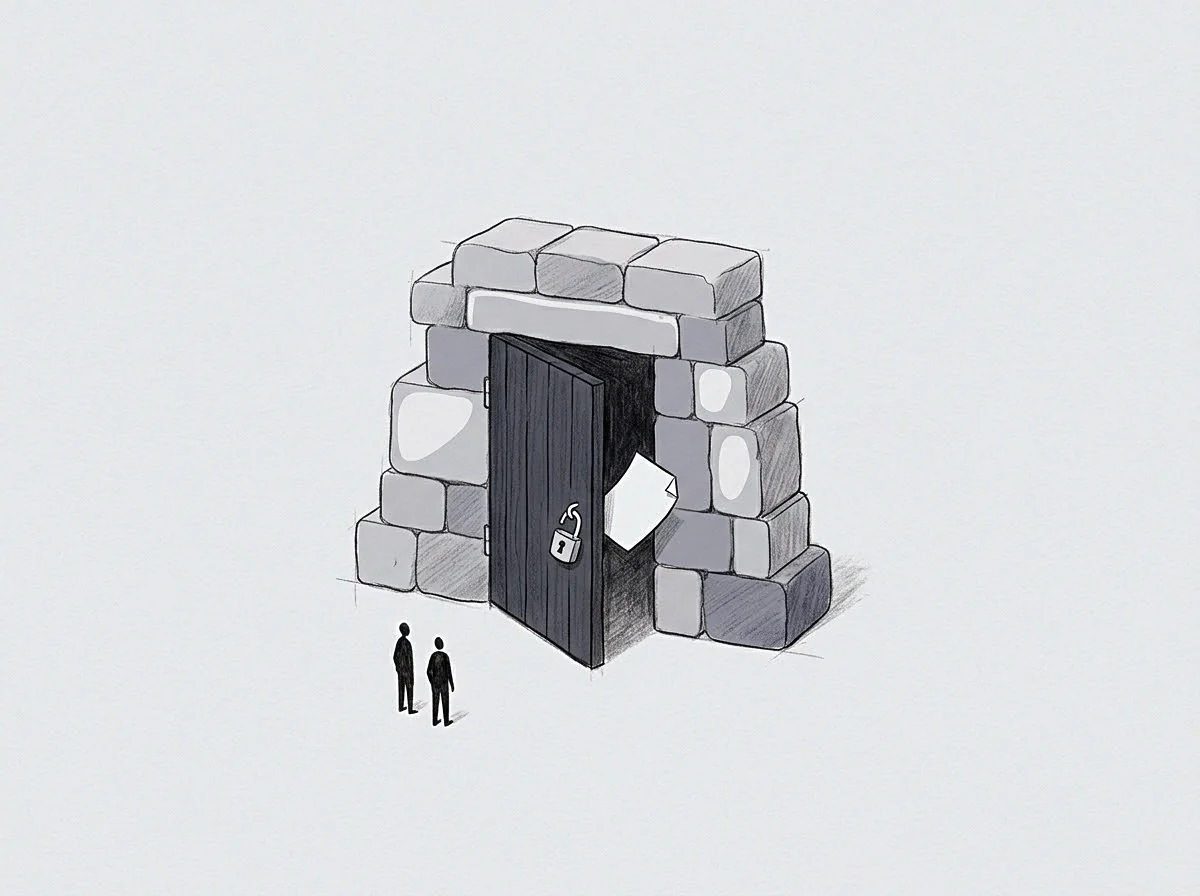
Gating Threads to Protect Endocrine Slopes
Imposing hard calendar boundaries on late-evening communications lowers nocturnal adrenal stimulation. The operator must turn open, ungated operational loops into structured, gated commitments with explicit boundaries. Gating a thread requires assigning a defined scope, a fixed resolution date, and clear operational terms, allowing the central nervous system to park the issue and cease active threat monitoring.
Gating incoming communication loops before early evening protects the circadian downward slope regardless of daily task volume.
Recovery gates restore diurnal slope angle. Parking open loops before dusk allows the evening cortisol nadir to establish naturally. Operators who institute a strict freeze on incoming asynchronous messages two hours before sleep show rapid improvements in nocturnal hormone clearance and sleep architecture parameters.

Structural Buffers for Operational Capacity
Dedicated non-work windows allow central circadian pacemakers to re-establish physiological nadir levels. Building structural headroom into operational schedules protects against unexpected acute crises flattening the diurnal curve. Headroom functions as a biological buffer, ensuring that sudden surges in workload do not permanently push the operator past their allostatic capacity limit.
Systemic resilience relies on matching operational load to neuroendocrine capacity. Implementing mandatory recovery windows, enforcing strict communication cut-offs, and monitoring diurnal biomarkers transform high-demand operations from unsustainable sprints into durable, high-performing systems. Protecting the diurnal cortisol slope ensures that critical decision-makers preserve executive function, strategic clarity, and physical health across prolonged high-demand deployments.
Parking unresolved operational decisions at dusk protects midnight steroid suppression and preserves morning peak capacity.