
Glucocorticoid Receptor Resistance in High Demand Operations
Persistent cortisol exposure downregulates glucocorticoid receptor expression, unbraking proinflammatory gene transcription and causing deep executive fatigue.
Notch
Target tissue responsiveness depends on functional receptor sites rather than circulating ligand volume alone. When an operational environment demands continuous cognitive and emotional output across months, adrenal cortisol production rises to sustain wakefulness, blood glucose, and vascular tone. This prolonged elevation subjects peripheral and central tissues to constant glucocorticoid stimulation.
Over time, target cells adapt by lowering the density and sensitivity of intracellular glucocorticoid receptors, producing glucocorticoid receptor desensitization.
Hormone Volume Versus Signal Transduction
During acute stress, adrenal cortisol release reins in inflammatory cytokines by binding nuclear receptors. Once formed, the active hormone-receptor complex moves into the nucleus, binding glucocorticoid response elements on DNA to transrepress proinflammatory transcription factors like nuclear factor kappa B. Sustained operational pressure alters this homeostatic balance. Continuous adrenal stimulation keeps circulating hormone levels elevated, yet cellular responses plateau and ultimately drop.
The cell protects its metabolic machinery by curbing receptor synthesis, breaking down existing receptor proteins, and reducing ligand affinity.
Glucocorticoid receptor downregulation occurs when persistent ligand saturation shifts cellular transcription toward non-binding protein isoforms.
Isoform Shift and Receptor Downregulation
Prolonged operational activation alters the balance between functional alpha proteins and non-binding beta variants. Human cells generate two primary glucocorticoid receptor splice variants: glucocorticoid receptor alpha, which binds cortisol to carry out signal transduction, and glucocorticoid receptor beta, which lacks the ligand-binding domain entirely. Under persistent stress, cells upregulate glucocorticoid receptor beta, which acts as a dominant-negative inhibitor by heterodimerizing with alpha receptors and blocking their access to DNA response elements.
The organism maintains elevated circulating hormone concentrations while target tissues experience severe intracellular steroid deprivation.
This functional disconnection shifts systemic regulation. Sensing weak glucocorticoid signaling in peripheral tissues, the brain dials down central negative feedback at the hypothalamus and pituitary gland. Adrenal glands then receive continuous ACTH stimulation, which drives steroid output higher still.
The system enters a self-reinforcing loop: elevated hormone concentrations deepen cellular resistance, preventing any central shutdown of the stress response. Ultimately, the ratio of functional alpha receptors to dominant-negative beta isoforms determines whether circulating cortisol suppresses inflammation or accelerates tissue desensitization.

Floor
Healthy endocrine regulation shows a sharp diurnal curve, peaking shortly after waking and dropping near zero around midnight. Sustained high-demand environments flatten this curve. Because nocturnal cortisol stays elevated, tissue exposure turns continuous rather than pulsatile.
Pulsatile exposure is required for receptor resensitization; steady saturation leaves receptor complexes inactive or degraded.
The baseline floor rises as a result. Instead of recovering during sleep, the neuroendocrine system carries daytime activation through the night. Elevated evening cortisol fractures slow-wave sleep, impairing growth hormone secretion and normal tissue repair.
Without a nocturnal cortisol trough, glucocorticoid receptors fail to recycle back to the cell surface, locking tissues into structural desensitization.
| Physiological Metric | Acute Stress Response | Habituated High-Demand State | Receptor-Resistant State |
|---|---|---|---|
| Diurnal Cortisol Profile | Steep slope with clear morning peak and nocturnal trough | Elevated baseline with preserved diurnal amplitude | Flattened profile with sustained elevated nocturnal floor |
| Glucocorticoid Receptor Sensitivity | High nuclear translocation and transcript suppression | Moderate binding affinity with minor receptor downregulation | Severe alpha variant downregulation and elevated beta variant ratio |
| Systemic Inflammatory Markers | Transient rise followed by rapid cortisol-mediated suppression | Low-grade intermittent interleukin elevation | Unchecked nuclear factor activation with chronic systemic interleukin elevation |
| Executive Task Switching Latency | Minimal impact with fast cognitive baseline recovery | Moderate latency managed through elevated effort | Severe switching delay with marked prefrontal processing degradation |
| Data reflects physiological changes measured across high-demand leadership populations under chronic allostatic strain. | |||
The loss of diurnal amplitude resets baseline parameters across peripheral organ systems. Muscle tissue takes up glucose less effectively, vascular endothelium shows blunted nitric oxide relaxation, and immune circuits lose their circadian cues. Treating physiological desensitization as a motivational lapse typically prompts managers to increase operational pressure, accelerating endocrine exhaustion and systemic failure.

Spill
When cellular glucocorticoid receptors downregulate, the primary chemical brake on nuclear factor kappa B disappears. Under ordinary conditions, cortisol signaling keeps immune cells from releasing dangerous quantities of inflammatory mediators. In a receptor-resistant state, immune cells behave as though cortisol were absent, even while bathed in high circulating concentrations.
Proinflammatory gene networks remain active around the clock, causing systemic inflammatory spillover.
Proinflammatory Transcription Escape
Unchecked transcription of nuclear factor kappa B continuously releases interleukin six and tumor necrosis factor into circulation. These cytokines cross the blood-brain barrier through saturable transport systems and vagal afferents. Inside the central nervous system, they activate microglia across the hippocampus, amygdala, and prefrontal cortex.
The resulting neuroinflammation impairs synaptic plasticity, lowers brain-derived neurotrophic factor levels, and alters monoamine metabolism. Dopamine synthesis drops, depressing reward sensitivity and goal-directed effort.
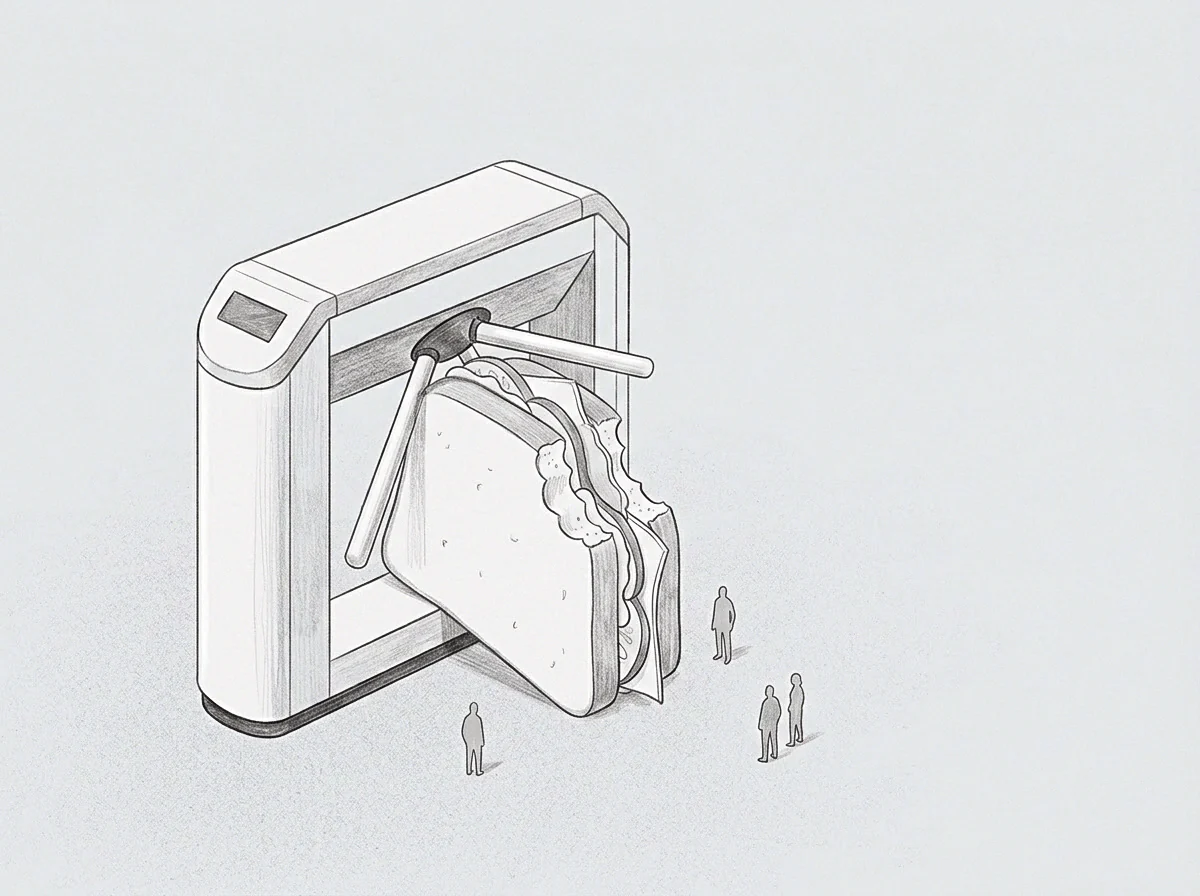
Uninhibited transcription of nuclear factor kappa B drives systemic cytokine elevation whenever steroid signaling fails at the nuclear membrane.
Does Cortisol Elevation Match Cellular Signal Processing?
Circulating serum steroid measurements often mislead clinical assessments during long periods of operational stress. A high cortisol level can signify either active anti-inflammatory control or total tissue resistance. Evaluating actual signaling requires measuring downstream transcriptional products, such as peripheral blood mononuclear cell cytokine output during a dexamethasone challenge.
If dexamethasone fails to suppress interleukin production in vitro, tissue resistance is present regardless of circulating hormone volume.
- Escalated Baseline Neuroinflammation shifts prefrontal firing rates, degrading strategic analysis while leaving threat responses intact.
- Glucocorticoid Signal Blunting lifts the metabolic check on inflammatory cascades, driving persistent somatic lethargy despite elevated hormone levels.
- Circadian Amplitude Flattening erodes deep sleep architecture and disrupts nightly restorative processes.
- Prefrontal Cortex Desensitization raises working memory switching costs, turning routine decisions into prolonged cognitive delays.
This neuroimmune cascade produces a distinct behavioral profile frequently confused with burnout or fading ambition. The operator exhibits delayed spatial processing, slower decision speed under uncertainty, and reduced cognitive flexibility. From the outside, the person in the seat can appear detached or indifferent, even when facing tight deadlines and heavy workloads.
Cost
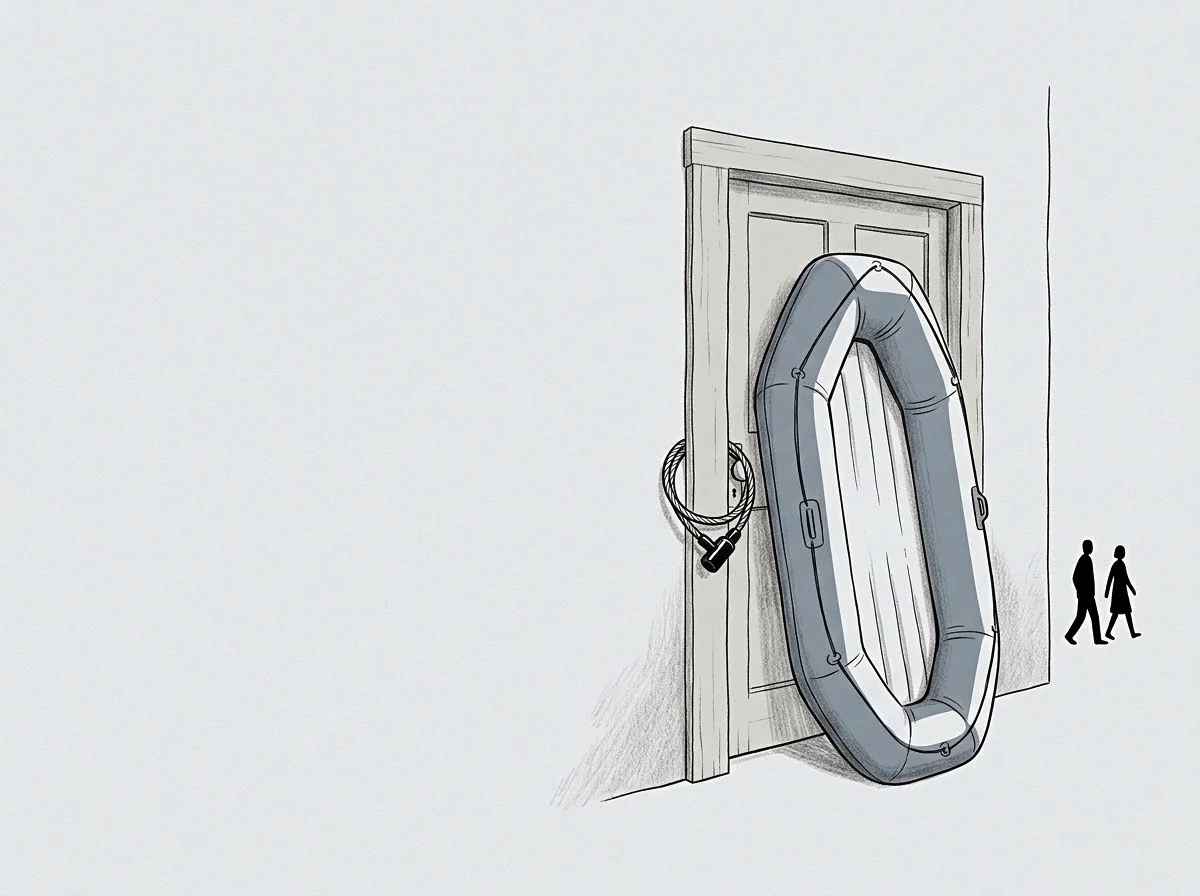
Prolonged neuroimmune activation impairs prefrontal network connections, shrinking working memory capacity and slowing processing speed. Tasks that once required minimal attention begin drawing heavily on cognitive reserves. As glucocorticoid receptors desensitize, the prefrontal cortex struggles to dampen amygdala activity.
Processing shifts toward hypervigilance, and the nervous system treats routine operational variances as critical threats.
Consider an operational team running an emergency release campaign across nine consecutive weeks. The lead operator manages four direct execution channels, holds final approval on technical deployments, and monitors incoming alerts across sixteen hours per day. By week six, sustained hormone saturation downregulates receptor density.
The lead operator works the same schedule, but processing latency triples. Drafting a standard briefing takes forty minutes instead of ten. Routine trade-off decisions trigger acute physiological distress because the prefrontal cortex can no longer quiet amygdala signaling.
High operational concurrency converts routine cognitive tasks into severe metabolic drains when neuroimmune signaling remains elevated.
Under these conditions, open operational loops extract a heavy metabolic price in cognitive energy. An open loop represents an active task lacking explicit scope, deadband limits, or clear handoff terms. Each unresolved item forces the prefrontal cortex to maintain active neural representations, burning glucose and sustaining neuroendocrine drive.
Throughput is throttled as an involuntary protective mechanism, shielding neural tissue from metabolic exhaustion and excitotoxic injury.
- Ungated Communication Channels flood executive attention with unscheduled inputs, maintaining continuous fight-or-flight signaling across sixteen consecutive hours.
- Unbounded Operational Concurrency multiplies active tracking loops, keeping systemic hormone concentrations at saturation levels.
- Absence of Stated Term Boundaries prevents scheduled physiological recovery windows, forcing endocrine pathways into sustained compensatory strain.
- Misattribution of Somatic Exhaustion prompts increased effort, accelerating receptor downregulation through forced stimulation.
When leadership misinterprets this throttled state as disengagement or poor work ethic, the default response is to demand greater commitment or assign mindset reframing exercises. That approach simply piles more demand onto a saturated system. The added load forces further adrenal output against resistant receptors, worsening cellular desensitization and widening the gap between physiological capacity and operational demands.
Whether prefrontal receptor sensitivity can recover without a full withdrawal from operational duties remains an open empirical question.
Beam
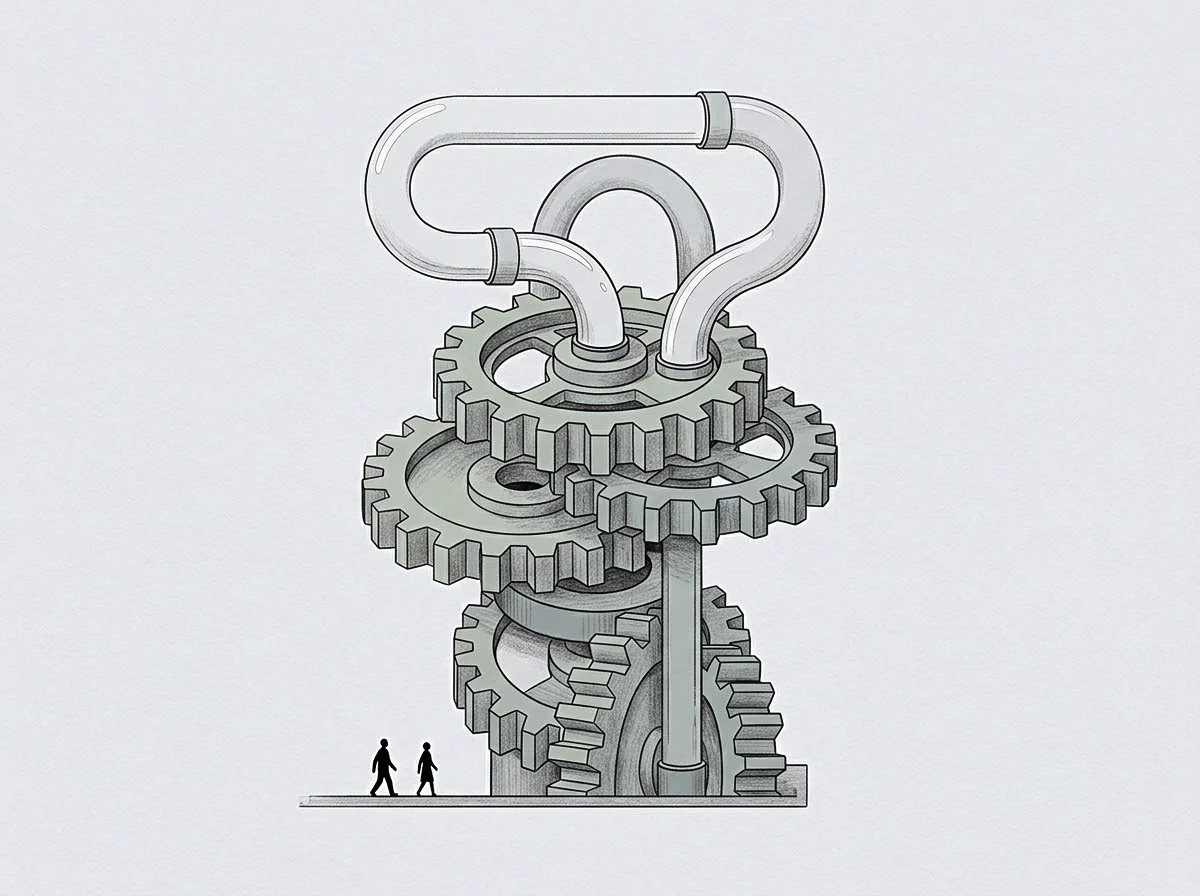
Restoring physiological responsiveness requires a structural drop in incoming signal volume rather than psychological framing adjustments. Receptor resensitization depends on intervals where baseline cortisol falls low enough for cells to clear degraded receptor complexes and synthesize new glucocorticoid receptor alpha proteins. This process cannot proceed while operational concurrency stays above the biological threshold.
Concurrency Limits and Loop Closure
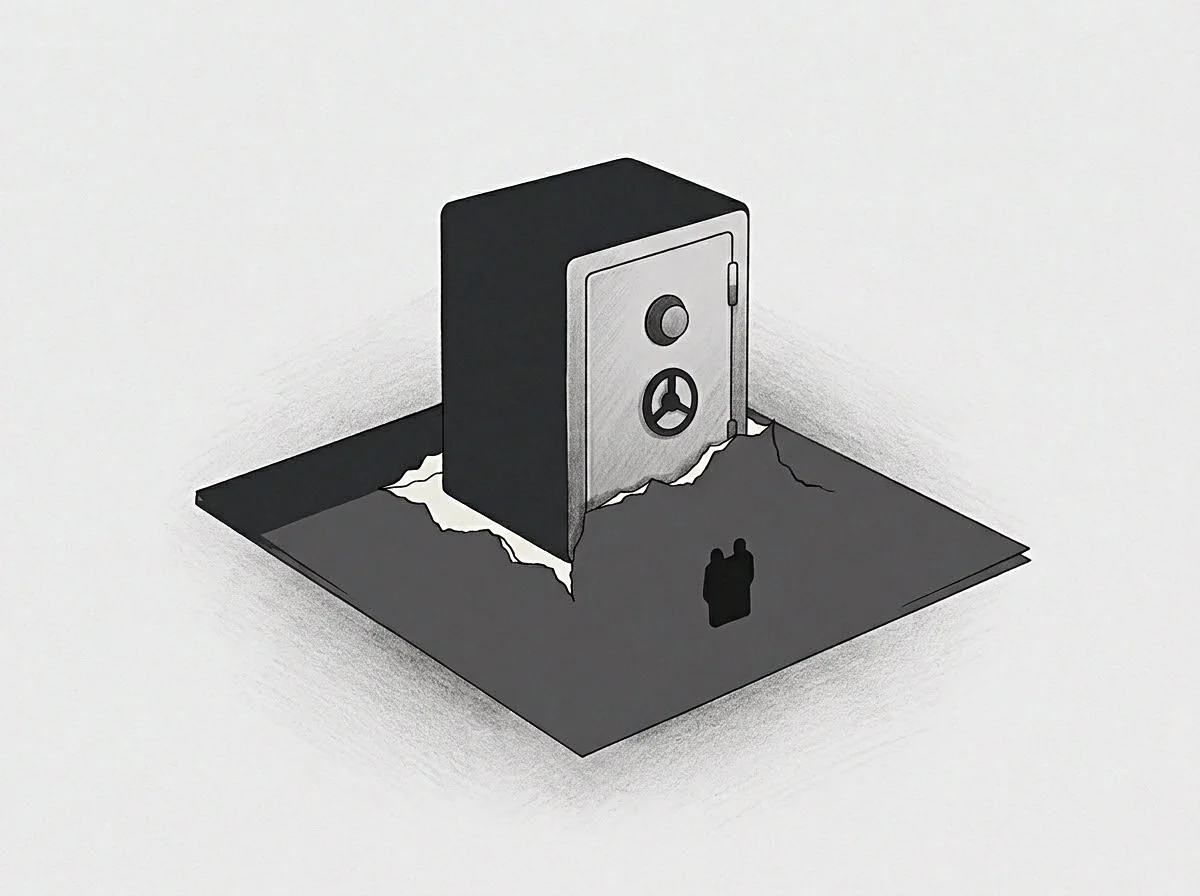
Managing operational strain requires hard limits on concurrent decisions across an organization. A concurrency limit sets the maximum number of open operational loops an operator may handle at one time. Capping concurrency frees up working memory and lowers steady adrenal stimulation.
Once an operational loop receives explicit terms, bounded scope, and a defined execution window, the prefrontal cortex no longer maintains active vigilance over it. Gated loops cease drawing continuous attention, allowing nocturnal cortisol levels to decline and receptors to recover.
Receptor sensitivity recovers only after structural gates reduce total incoming regulatory inputs below cellular saturation thresholds.

Restoring Receptor Sensitivity Through Load Shedding
Downregulated ligand sites regain binding affinity only after extended intervals of low systemic alarm. Structural load shedding requires eliminating non-essential decision paths, enforcing strict asynchronous communication windows, and delegating operational domains fully without recurring check-ins. Lowering baseline regulatory demand rebuilds the diurnal cortisol curve, reduces the nocturnal floor, and allows glucocorticoid receptor alpha expression to normalize.
Gating structural demand restores cellular responsiveness far more reliably than attempting cognitive reframing under persistent load.