
Vagal Brake Efficiency and Allostatic Overload in Core Executive Teams
Cardiac vagal control buffers executive teams against chronic regulatory demand, while allostatic overload suppresses this brake and triggers operational shutdown.

Drain
Four unresolved commercial offers sit open on a desktop monitor at midnight. An executive reads the same paragraph three times without registering the contractual terms. The heart rate stays elevated at ninety beats per minute while sitting still in an office chair.
The physiological engine runs hot because the internal neurological brake has disengaged. Parasympathetic inhibition via the vagus nerve normally slows the heart rhythm, calms systemic arousal, and restores cognitive bandwidth between high-pressure demands. When chronic operational pressure stays active without recovery windows, this neurological regulation fails.
The signal drops.
Polyvagal research using continuous electrocardiogram tracking of respiratory sinus arrhythmia demonstrates that myelinated ventral vagal fibers directly modulate the sinoatrial node of the heart. This rapid cardiac regulation operates as a dynamic brake. Releasing the brake allows immediate sympathetic arousal for urgent decision-making, while re-engaging the brake restores calm baseline functioning once the acute challenge passes.
In high-stakes core leadership teams, continuous decision demand suppresses this regulatory system over extended periods. The cardiac pacemaker remains unbuffered, exposing tissue to uninterrupted sympathetic tone.
Unbounded regulatory demand depletes myelinated vagus activity, forcing the cardiac pacemaker into unbuffered sympathetic escalation.
Allostatic load accumulates through this persistent physiological mobilization. Allostasis names the process through which the body maintains stability through physiological change. When environmental demand remains permanently elevated, the cumulative wear on cardiovascular, metabolic, and neural systems creates allostatic overload.
Executive teams experiencing allostatic overload display impaired cognitive control, reduced emotional flexibility, and compromised operational judgment. Capacity collapses early.
Systemic depletion alters the neurological baseline of leadership teams. The prefrontal cortex relies on robust cardiac vagal tone to support executive functions such as working memory, attentional shifting, and response inhibition. As vagal brake efficiency diminishes, executive team members transition from strategic evaluation to reactive risk mitigation.
Unresolved commercial commitments consume cognitive slots, leaving zero reserve capacity for sudden market shifts. Autonomic recovery takes time. Failing to restore parasympathetic inhibition converts temporary high-pressure output into permanent cardiovascular and metabolic damage across the entire executive core.

Table
Physiological states within an executive group dictate processing speed, social reception, and decision thresholds. A team operating under optimal parasympathetic regulation processes incoming commercial data efficiently, maintains nuanced communication, and retains strategic flexibility. As chronic stress accumulates, autonomic regulation shifts through distinct physiological stages.
Identifying these operational states requires measuring specific biomarkers alongside observable leadership behaviors.

Autonomic State Metrics and Operational Capacity
Continuous physiological tracking reveals distinct functional shifts as stress exposure accumulates. The table below details four distinct autonomic regulation states observed in executive team environments, mapping physiological metrics to operational impacts.
| Autonomic State | Cardiac Vagal Marker | Operational Behavior | Executive Capacity |
|---|---|---|---|
| Ventral Vagal Engagement | High RMSSD (above 50 ms) | Flexible communication, collaborative problem solving | Full working memory, strategic horizon active |
| Sympathetic Hyper-Arousal | Low RMSSD, elevated heart rate | Urgent decision-making, reactive task management | Narrowed focus, immediate horizon dominance |
| Dorsal Vagal Throttling | Suppressed RSA, blunted heart rate variability | Withdrawal, reduced verbal output, delayed response | Defensive processing, minimal reserve slots |
| Allostatic Collapse | Chronically low HRV, elevated basal cortisol | Systemic execution failure, emotional detachment | Operational paralysis, severe cognitive degradation |
When an executive team transitions from sympathetic arousal to dorsal vagal throttling, the change is frequently misread as strategic disengagement or apathy. Throttling acts as an internal protective mechanism against total systemic failure. The body intentionally reduces metabolic expenditure and operational output to preserve essential biological functions under extreme stress.
Open loops accumulate fast.
When heart rate variability drops below individual physiological baselines, active working memory slots collapse to immediate survival tasks.
Longitudinal workplace cohorts tracked using multi-system allostatic index measures show that neuroendocrine elevated cortisol and suppressed catecholamine regulation correlate directly with operational delays in senior teams. This biomarker profile demonstrates that persistent high-demand environments exhaust adrenal reserves, altering baseline cardiac regulation. The pacemaker accelerates.
A measured heart rate variability drop below forty milliseconds changes the operational authorization of an executive, shifting authority from individual discretion to mandatory consensus protocols.

Threshold
When continuous regulatory demands exceed physiological recovery capacity, systemic functioning undergoes structural changes. Executive teams operating past their physiological threshold can no longer maintain baseline social engagement or rapid cognitive adaptability. The internal regulatory brake loses traction, leaving the team vulnerable to sudden operational stalls.
Unstated limits bill late.

Why Does Parasympathetic Recovery Collapse Under Unbounded Channels?
Continuous tracking of cardiac dynamics shows that unhedged operational obligations keep sympathetic arousal perpetually active. Every open line of inquiry, unresolved financial negotiation, or unstated personnel conflict occupies a dedicated neurological slot. The brain registers open operational commitments as active physical threats, maintaining sympathetic tone and blocking parasympathetic re-engagement.
Throttling protects the tissue.
The total volume of active projects matters less than the count of ungated operational channels. A complex project with clear scope, strict deadlines, and explicit terms consumes minimal autonomic reserve. Conversely, an ill-defined strategic initiative without explicit boundaries holds the vagal brake open continuously.
Vagal tone measures headroom. Executive teams carrying multiple unbounded channels exhaust their cardiac vagal reserves rapidly, leading to systemic performance degradation.
Co-regulation across an executive team holds only as long as one member retains sufficient parasympathetic headroom to damp incoming arousal.

Arrangement Comparison Under Chronic Stress
To analyze the impact of structural limits, examine two executive pairs managing identical commercial pressures over twelve months. Assume both leadership teams face volatile market conditions, strict investor demands, and high operational complexity.
The first executive pair operates without explicit channel limits or structural recovery protocols. The chief executive officer and chief technology officer remain accessible across all communication channels twenty-four hours a day. Unresolved decisions sit open overnight.
Over six months, both leaders show a forty percent reduction in high-frequency heart rate variability. Decision velocity slows, inter-personal tension increases, and strategic initiatives stall due to cognitive exhaustion. Slot capacity stays filled.
The second executive pair implements strict channel limits and explicit operational gates. All strategic channels carry defined scopes, fixed review dates, and clear decision criteria. Unscheduled operational messages after seven in the evening are restricted.
Biometric tracking shows sustained heart rate variability within optimal baselines throughout the twelve-month period. Decision velocity remains high, and strategic execution continues uninterrupted despite external market volatility. Headroom determines response.
Systemic failure modes in executive teams operating under chronic allostatic load follow predictable biological patterns:
- Hyper-Reactive Decision Loops Executive members respond to minor operational fluctuations with immediate, unbuffered structural shifts, escalating systemic volatility.
- Cognitive Horizon Contraction Strategic planning horizons shrink from multi-year execution plans to immediate daily operational fires, eliminating long-term value creation.
- Co-Regulation Breakdowns Interpersonal communication transitions from collaborative alignment to defensive posturing, destroying psychological safety and alignment.
- Involuntary Biological Shutdown Team members experience sudden physical or psychological exhaustion, forcing abrupt departures from key operational seats.
The body keeps record. Strategic planning becomes secondary when basic autonomic stability fails across the leadership core. The strategic vision remains completely sound, but immediate daily execution feels physically impossible to initiate.

Circuit
Executive interaction relies upon real-time physiological feedback loops between individual nervous systems. In a functioning core team, an autonomically stable member provides a co-regulatory anchor for surrounding colleagues. Social baseline theory demonstrates that proximity to a calm, physiologically regulated individual reduces the neural and metabolic cost of individual self-regulation.
Co-regulation fails quietly.

Autonomic Contagion and Co-Regulation Limits
When one individual experiences acute sympathetic elevation, surrounding team members show corresponding heart rate acceleration. This biological phenomenon operates below conscious awareness through vocal tone, facial expression, and posture. In an executive group where all members suffer vagal brake suppression, co-regulation transforms into autonomic contagion.
Sympathetic arousal bounces between members, compounding individual stress wear and accelerating overall system exhaustion.
The laboratory quantification of co-regulation thresholds within senior executive groups remains incomplete. Existing physiological studies confirm that stress contagion occurs rapidly in closed group settings, but the precise point where co-regulation flips to mutual autonomic destabilization depends on individual baseline vagal tone and team historical safety. Under high uncertainty, teams must rely on explicit operational structures rather than assumed biological resilience.
A quiet partner during high-stakes decisions often reflects autonomic throttling rather than agreement or strategic detachment.

Structural Interventions for Autonomic Preservation
Implementing targeted operational gates prevents unbuffered stress accumulation across core leadership teams. The sequence below outlines five structural interventions designed to protect vagal brake efficiency:
- Establish strict operational windows for asynchronous decision communication, preventing continuous off-hours sympathetic activation.
- Cap the maximum number of active, ungated strategic initiatives per executive seat to match physical working memory constraints.
- Define explicit decision deadlines for all open commercial inquiries to eliminate perpetual background cognitive processing.
- Schedule mandatory daily offline recovery blocks to allow cardiac parasympathetic re-engagement and heart rate stabilization.
- Institute clear authority delegations that allow junior operators to resolve minor operational disruptions without escalating to executive channels.
The cardiac output shifts. Suppression wears the sinus. Implementing structural gates reduces background regulatory demand, allowing team members to restore autonomic headroom during active operations.
Executive co-regulation functions only when at least one member maintains uncompromised parasympathetic headroom.

Clutch
Re-establishing parasympathetic regulation within an executive group requires specific structural changes to operational workflows. Just as mechanical governors in high-pressure naval engine rooms automatically bleed excess steam to prevent cataclysmic thermal runoff, corporate leadership structures require automated operational valves that shed cognitive load before physiological limits break. Protecting vagal brake efficiency is a concrete architectural requirement for sustained organizational performance.
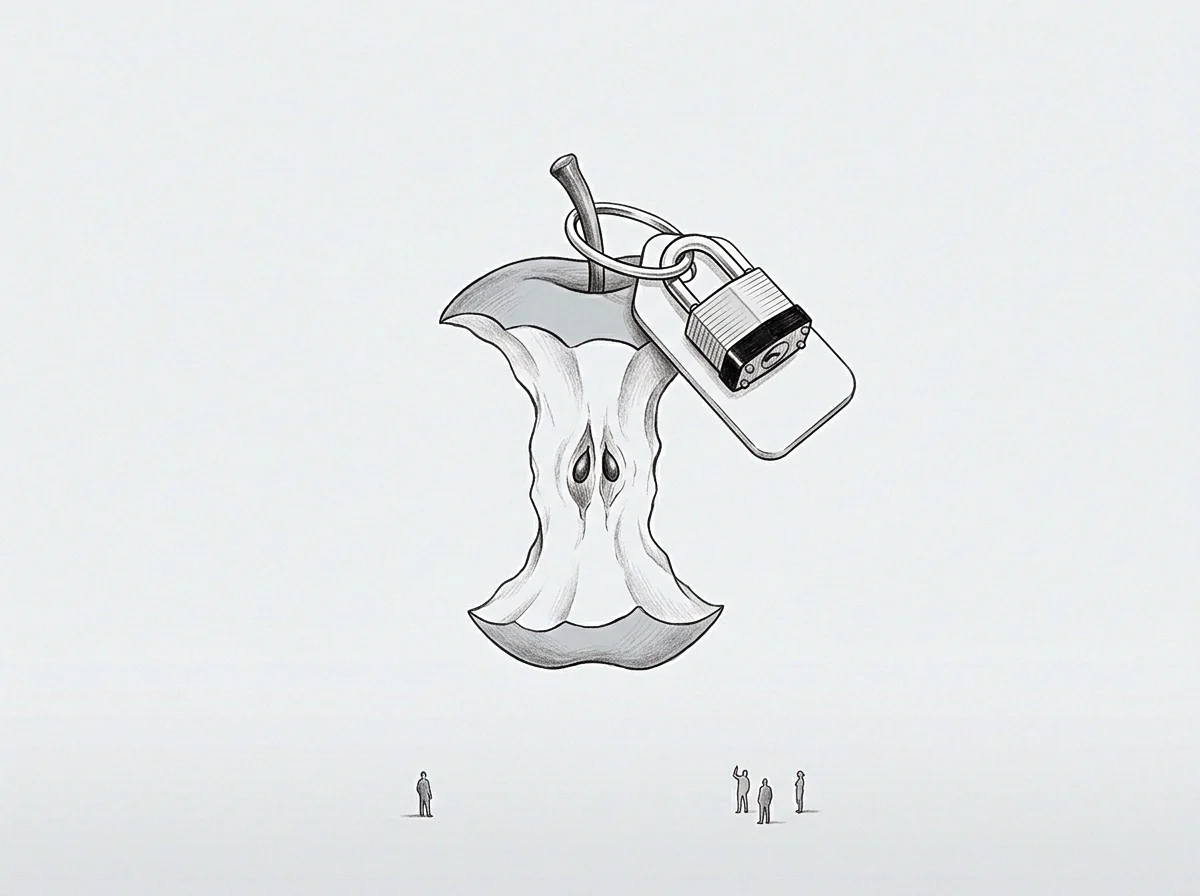
Restoring Parasympathetic Headroom
Operational modifications convert unhedged commitments into bounded tasks with fixed deadlines. When an executive team explicitly defines project scopes, caps active communication streams, and enforces structured recovery periods, autonomic strain drops. Cardiac vagal control recovers, restoring prefrontal executive functioning and critical decision accuracy.
Clear limits protect capacity.
When allostatic overload is mitigated, core executive teams regain the capacity for strategic foresight, creative problem solving, and effective inter-personal co-regulation. The shift from survival-driven reactivity to deliberate, long-term execution secures both organizational stability and executive longevity. The question remains whether executive teams can intentionally design structural operational gates before physiological wear forces involuntary shutdown.