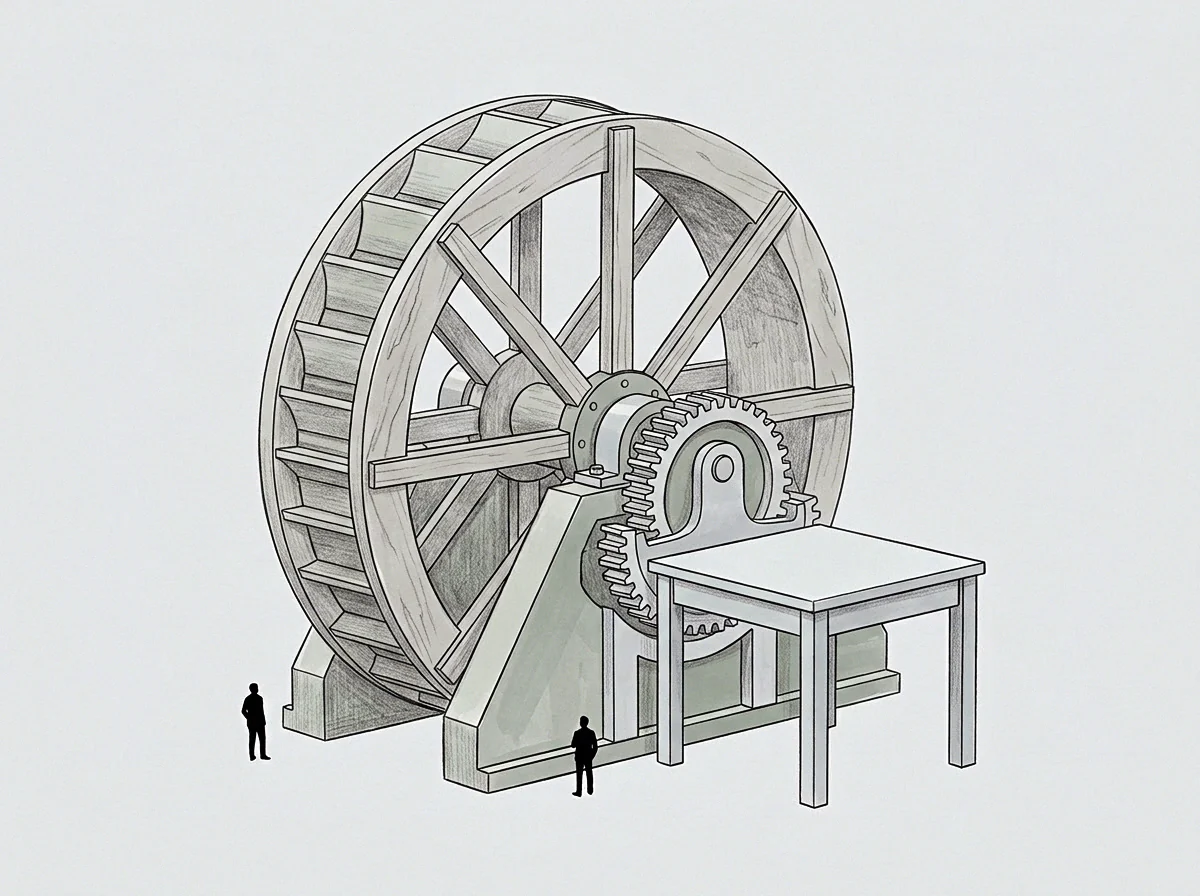
Meaning
Physiological reserve margins define the uncommitted processing volume available to an organism before regulatory adjustments must shift from routine metabolic clearance to emergency compensation. Within self-directed enterprise oversight, active headroom represents the gap between an operator’s sustained attentional throughput and the ceiling where autonomic arousal alters working memory. It governs the immediate absorption of volatility without displacing long-term systemic stability.
The boundary where the construct stops holding occurs when acute metabolic reserves deplete entirely, converting flexible reserve into compulsory biological triage.
Metabolic Friction
Cognitive control networks draw continuously upon vascular glucose delivery and prefrontal glycogen stores during complex arbitration. When active headroom contracts, the neural cost of updating priorities rises, which drives an involuntary recruitment of subcortical threat circuits to sustain wakefulness. Sympathetic tone increases to force alertness across extended periods.
This compensatory adrenergic drive substitutes raw vigilance for baseline metabolic slack, accelerating allostatic load accumulation across successive quarters.
Throttling Threshold
Regulatory triage initiates the moment unallocated operational slack drops to zero. As active headroom disappears beneath persistent context-switching, executive processing deliberately sheds low-salience sensory inputs to conserve remaining vigilance. Working memory contracts its intake window.
Strategic synthesis yields to immediate defensive heuristics, curtailing the operator’s capacity to evaluate subtle organizational risks before structural decay becomes visible.
Reserve Restoration
Structural replenishment requires prolonged decoupling from task-monitoring stimuli rather than simple inactivity. Biological recovery occurs only when the nervous system ceases anticipating incoming operational pings, permitting the down-regulation of hypothalamic-pituitary-adrenal activity. Autonomic tone shifts from sympathetic dominance back to parasympathetic baseline control.
Unscheduled intervals without evaluative exposure rebuild active headroom by restoring neuroendocrine sensitivity before subsequent demand cycles begin.