
How Hidden Relational Maintenance Depletes Senior Leadership Strategic Headroom
Covert emotional buffering for senior colleagues consumes prefrontal working memory, reducing executive bandwidth required for long range strategic allocation.
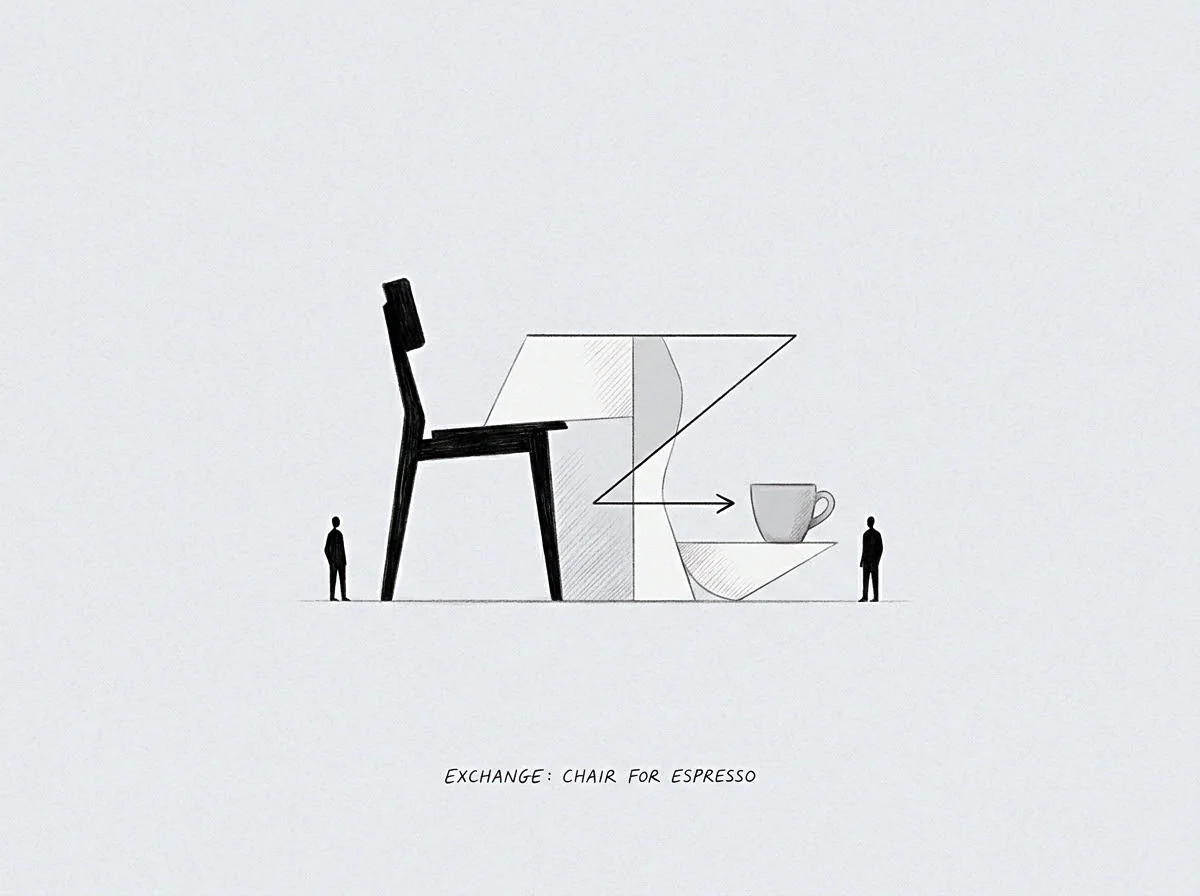
Floor
Late on a Tuesday evening, a senior vice president spends ninety minutes on an encrypted messaging app mediating a dispute between two department heads. Neither has filed a formal grievance, and no metric tracks the intervention. On the executive’s private calendar, the block was marked as focus time for long-range growth planning.
By midnight, the friction has quieted, but the executive’s capacity to review three-year capital allocations for the upcoming board session is gone. The work shifts into early morning hours.
Organizational structures track formal outputs, billable hours, and project milestones while missing the exertion spent managing co-founders, reassuring peers, and absorbing institutional anxiety. When senior leaders continuously cushion interpersonal friction, mental energy goes to emotional stabilization instead of market evaluation. Strategic capacity drops as bandwidth drains.
The reserved time vanishes.
Executive reviews evaluate deliverables while overlooking the effort required to keep leadership aligned. As internal friction rises, working memory shifts from strategic positioning to monitoring tension. Unresolved conflict, unclear partnerships, and volatile peers create constant background distraction.
The brain processes social risk through the same neural pathways it uses for operational emergencies, consuming steady energy to maintain working cohesion under uncertainty.
This strain builds over time.
| Variable | Visible Strategic Mandates | Hidden Relational Maintenance |
|---|---|---|
| Tracking Visibility | Explicit OKRs, board updates, budget lines | Unrecorded messaging threads, private debriefs |
| Cognitive Load Type | Targeted prefrontal analysis, deliberate synthesis | Continuous threat monitoring, affective regulation |
| Interruption Cadence | Scheduled review cycles and set syncs | Asynchronous, unpredictable real-time pings |
| Strategic Capacity Impact | Consumes allocated operational slots | Erodes overall cognitive headroom continuously |
Relational maintenance acts as an unmeasured tax on operations. An executive absorbing peer anxiety may prevent immediate conflict, but the effort remains absent from resource planning. The organization sees strategic output slow down without recognizing the friction driving the delay.
Leadership expects a steady presence available to settle ongoing interpersonal disputes.
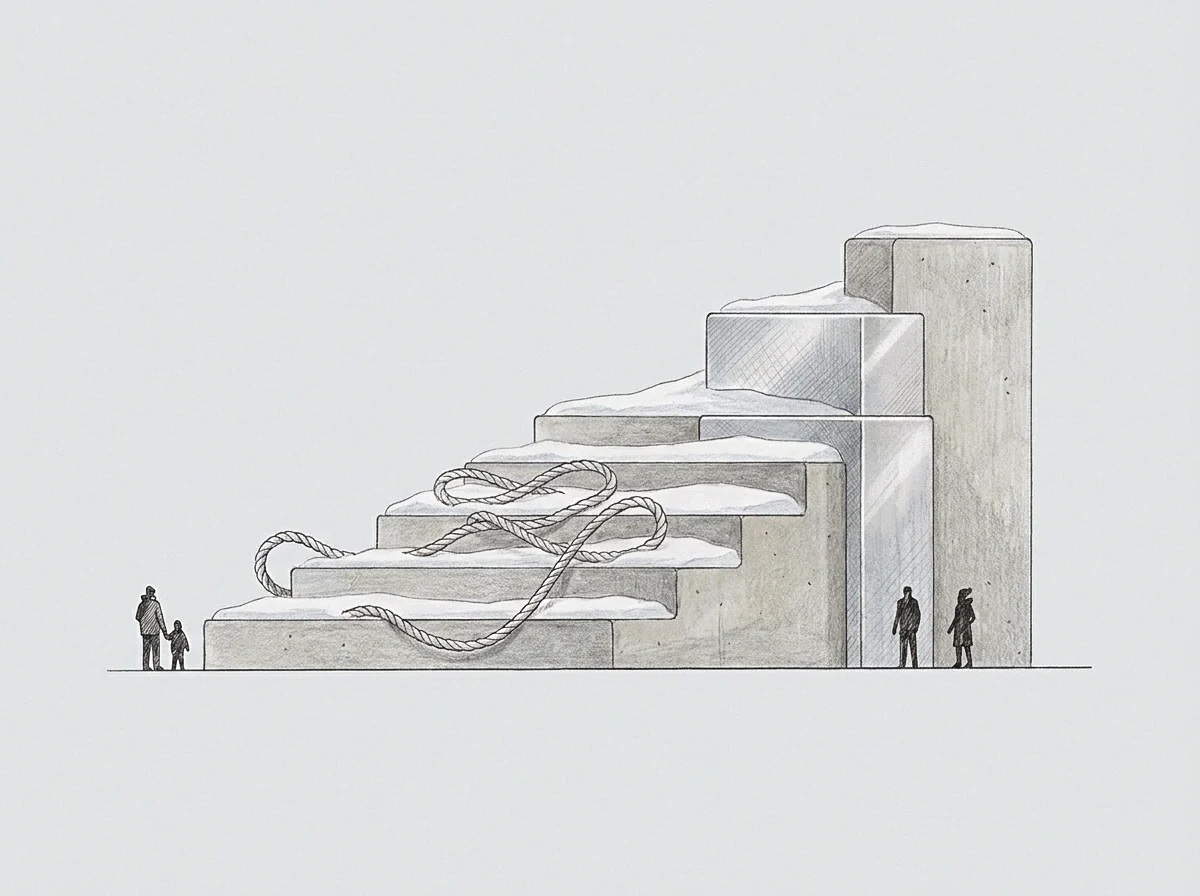
Slot
Working memory faces strict cognitive limits. The brain handles a limited set of active variables at one time, making prefrontal capacity the primary constraint in complex planning. Holding several unresolved interpersonal issues in mind consumes capacity that would otherwise go toward strategic planning.
Allostatic load refers to the physiological wear from prolonged regulatory demands. In corporate leadership, this appears as elevated cortisol and nervous system activation driven by constant social risk. Regulating one’s own responses while managing an anxious co-founder requires steady neuroendocrine effort.
Over time, this state reduces prefrontal flexibility and increases stress reactivity.
Chronic relational regulation consumes executive working memory whenever open interaction loops remain ungated by temporal boundaries.
Ungated access amplifies mental fatigue. When communication channels stay open continuously, incoming messages interrupt deep focus. A leader modeling a five-year business valuation while handling urgent messages from an operational head experiences heavy task-switching overhead.
Rebuilding strategic focus after an emotional interruption can take up to twenty minutes.
Focus breaks under these interruptions.

Does Interpersonal Soothing Deplete Strategic Capacity?
The cumulative effect of continuous relational mediation shows clear operational patterns across senior teams:
- Unbound executive availability creates an expectation of constant access for direct reports, breaking up blocks of focused work.
- Covert mediation loops consume mental bandwidth during hours intended for long-range planning.
- Asymmetric interpersonal buffering leaves one leader managing overall balance while peers focus on narrow operational tasks.
Available headroom contracts quickly.
Consider an arrangement where two co-founders split authority without clear boundaries. Founder A focuses on product architecture, while Founder B handles investor anxiety, executive friction, and team turnover. If Founder B spends three hours a day managing conflict across six team leads, that totals roughly two hundred hours in a quarter absorbed by social friction, equal to two full months of focus spent on team stabilization.
The working hours end with little strategic progress.
Relying continuously on unrecorded conflict mediation reduces executive work to short-term triage.

Friction
Friction among senior leaders rarely stems from clear strategic disagreements. It usually comes from unstated expectations and implicit agreements. When executives rely on unspoken assumptions about support or status, minor operational changes create friction, forcing leaders to spend time analyzing shifts in tone, delayed messages, or meeting posture.
Unstated expectations build ongoing cognitive friction. An executive who absorbs volatile behavior from a colleague without establishing clear boundaries often expects the balance to adjust later. When behavior remains unchanged, the leader expends additional effort managing the resulting tension, further reducing mental capacity.
Unstated interpersonal expectations convert routine operational drift into recurring relational renegotiation.
These interruptions disrupt core attention.
High-consequence environments like flight decks or naval bridges use strict protocols instead of informal signals. Teams rely on standardized phrasing, explicit status checks, and mandatory callbacks to eliminate ambiguity. This discipline protects attention during critical maneuvers by removing the need to interpret subtext.
Corporate executive teams often rely on loose, socially ambiguous interactions that increase mental overhead.
Relational buffering also hides structural flaws. When an executive steps in to resolve communication gaps between conflicting department heads, the organization avoids fixing the underlying overlap. The intervention cushions operational defects while wearing down the leader managing the gap.
Establishing clear parameters converts an open-ended dynamic into a scheduled review.
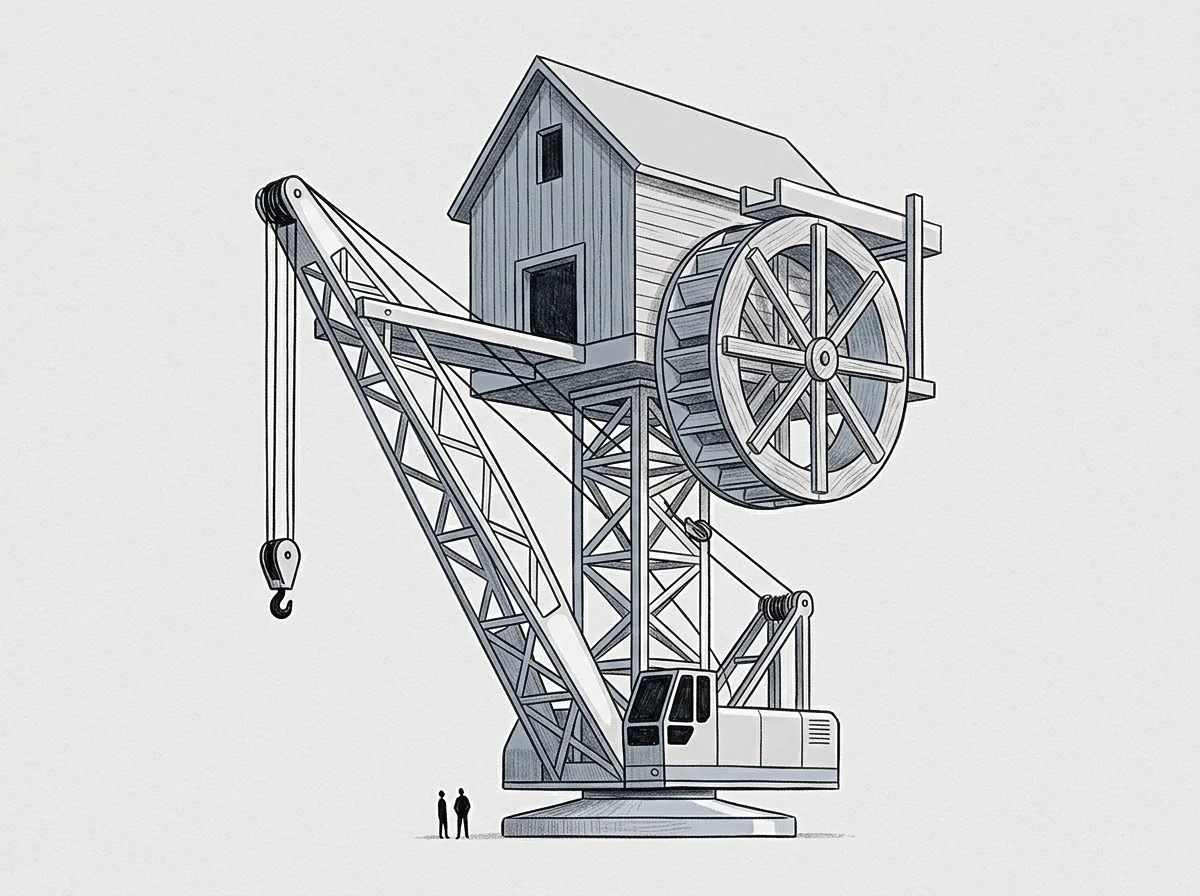
Ceiling
When chronic demands exhaust prefrontal capacity, senior executives reach cognitive throttling, a protective response where the nervous system limits high-energy processing to prevent breakdown. This state differs from depression or a loss of commitment. A throttled leader handles routine operations adequately but struggles with complex synthesis, long-range foresight, and strategic planning.
Mental energy drains continuously.
Organizations often misread throttled executives as disengaged. Board members see a leader who maintains standard operational reports but stops introducing ambitious initiatives, leading the company to assume the executive has lost drive or reached a limit. In practice, the executive’s bandwidth is fully consumed by the effort needed to keep the leadership team functioning.
A system running at its regulatory boundary surrenders strategic synthesis long before routine execution breaks.
Research in social baseline theory indicates that structured social support reduces the metabolic cost of emotional regulation. Experiments tracking neural threat responses show that clear social structure lowers prefrontal strain during stress. When structure gives way to ambiguity and unstated expectations, routine operations require higher energy expenditure.
These findings, based on neuroimaging and physiological tracking in healthy adults under stress, demonstrate that clear relational frameworks reduce strain and preserve working memory for complex tasks.
The cognitive limit remains in place.
Whether organizations can track regulatory load before executive depletion occurs remains an open question.

Headroom
Restoring strategic capacity requires turning open-ended interactions into structured, time-bounded processes. Leaders cannot remove relational needs within senior teams, but they can set limits that protect focus blocks from constant interruption. Preserving mental bandwidth requires clear boundaries around availability, authority, and communication channels.
Communication channels remain quiet.
Gated communication structures protect strategic capacity without removing interpersonal support.
A systematic transition from continuous buffering to structured governance follows specific operational steps:
- Define fixed time slots for interpersonal debriefs to prevent ad-hoc interruptions during focus windows.
- Shift open chat channels into asynchronous briefing documents with explicit decision thresholds.
- Clarify role boundaries among executive peers to remove overlapping jurisdictions that require continuous mediation.
- Defer non-critical discussions to scheduled operational reviews instead of responding to real-time pings.
Structured communication restores mental headroom.
When an executive sets firm limits on availability, colleagues initially interpret the shift as withdrawal. The organization often resists as people attempt to regain open access. Maintaining these boundaries through the adjustment forces the surrounding team to build internal reliance and self-regulation.
The resulting quiet provides operational clarity.
Clear boundaries turn continuous emotional friction into predictable structural alignment.