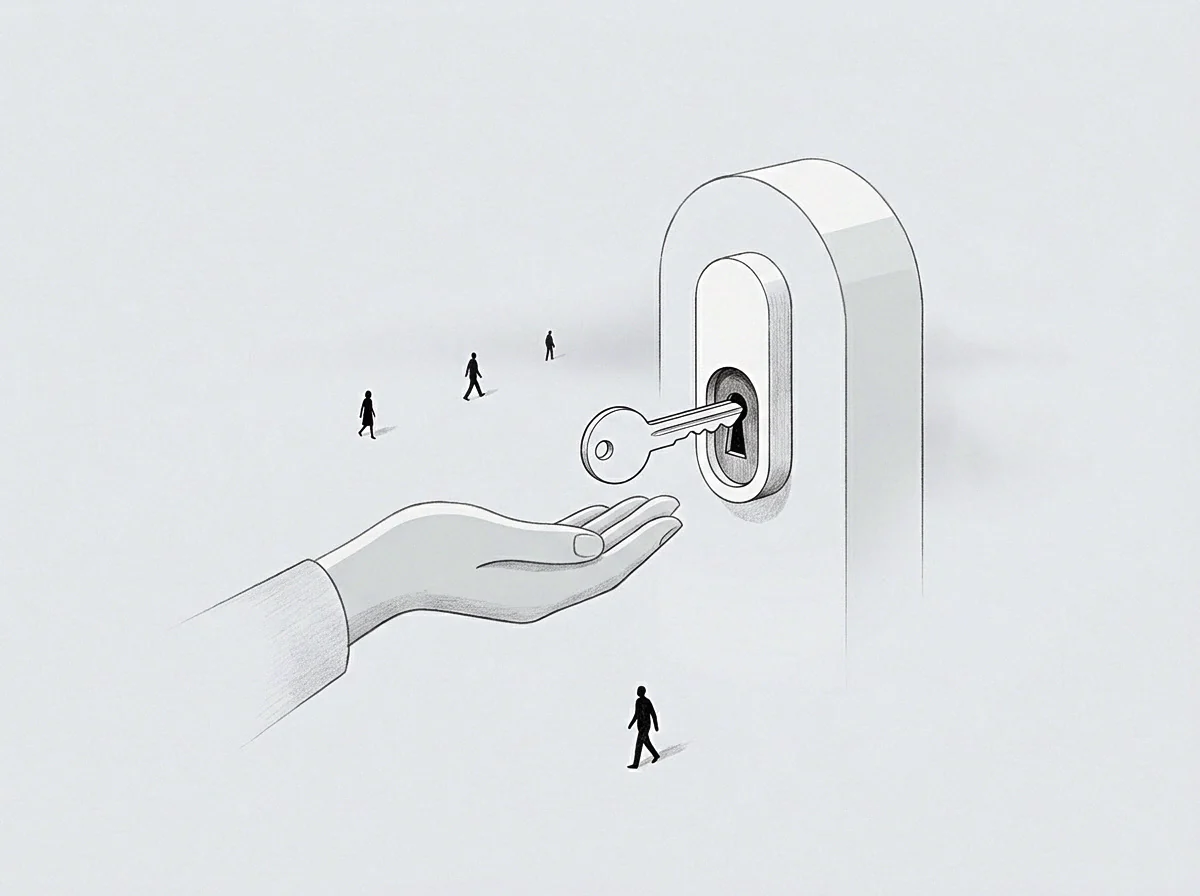
Meaning
A maximum threshold for simultaneous cognitive or operational tasks defines the point where a system stops accepting new inputs to protect current processing. An active thread limit establishes the ceiling for concurrent demands on a founder who has transitioned into a regulatory or oversight role. This boundary prevents the fragmentation of attention across too many open files.
When the number of active projects exceeds this capacity, the quality of oversight drops.
Attention Constraint
The attention constraint of the active thread limit dictates how many live issues a person tracks before context switching costs degrade performance. Managing multiple streams including legal compliance, board relations, product strategy and hiring drives this count. Each transition between these streams consumes energy.
Operational Threshold
An operational threshold governs the pause in new commitments once a person reaches the active thread limit. If the ceiling is hit, a founder must close one thread before opening another. This mechanism functions as a circuit breaker.
It ensures that the cost in hours for any single task remains sustainable.
Systemic Safety
Stability depends on respecting boundaries to avoid total system failure. Crossing the active thread limit leads to throttling where responses slow down. Staying below the threshold maintains the speed of the ping.