Meaning
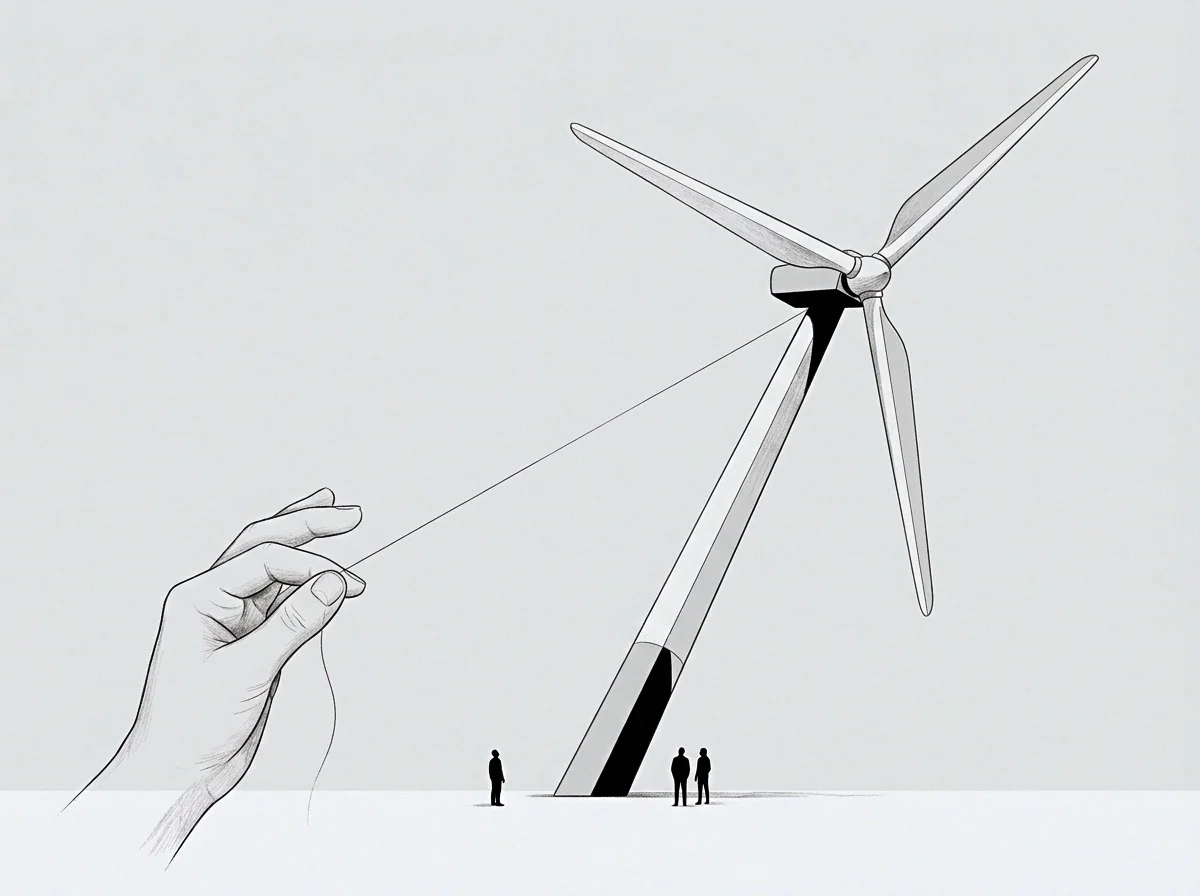
Biological control systems damp or amplify autonomic arousal to keep behavioral output compatible with external task demands. In human social baselines, affect modulation maintains physiological stability by shifting energy toward attentional control during volatile interactions. Founders who operate after exit frequently provide this regulatory buffer for subsequent ventures without an explicit mandate.
The process terminates where autonomic activation overwhelms cortical feedback loops, causing involuntary fight or flight adaptations.
Physiological Expenditure
Sustained inhibition of autonomic spikes consumes metabolic fuel within the prefrontal cortex. When affect modulation runs continuously across multiple unvetted operational crises, sympathetic tone remains elevated while parasympathetic recovery fails. The resulting state is an unremitting baseline expenditure of nervous capacity.
Throttling interactions limits this drain before physiological depletion forces systemic withdrawal.
Relational Transmission
Proximity to an unperturbed participant alters the cardiac and respiratory rhythms of an agitated counterpart. This borrowed regulation allows junior executives to borrow the stability of an experienced founder during acute disputes. The stabilizing party absorbs somatic tension without venting it back into the immediate social environment.
Over time, the informal duty of affect modulation becomes an unpriced operational subsidy.
Containment Threshold
Behavioral coherence breaks down when somatic input exceeds the bandwidth of inhibitory pathways. At this boundary, affect modulation shifts into sudden behavioral avoidance or erratic intervention. Such failure occurs not from a lack of commitment, but from raw neurobiological exhaustion.
The limit of nervous stabilization is reached whenever external demand outpaces metabolic recovery.