Meaning
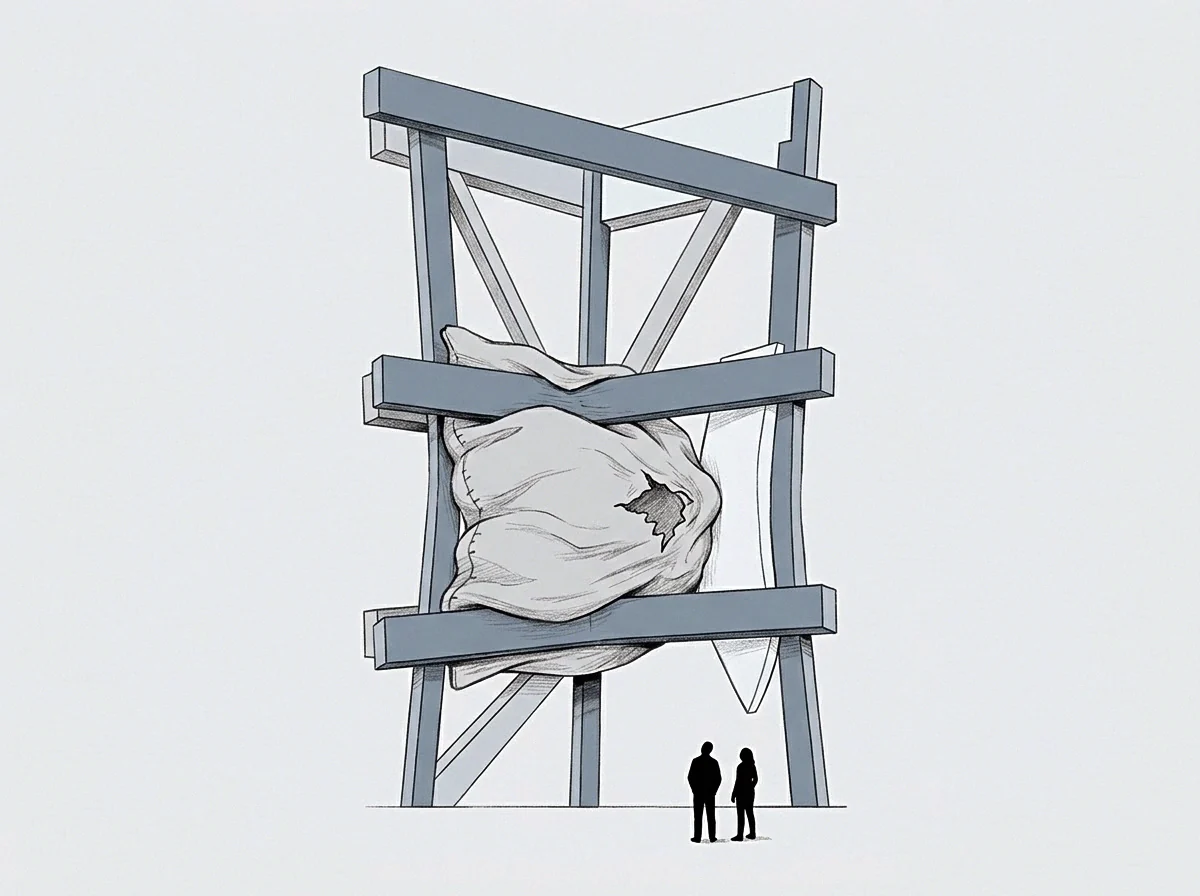
A diagnostic error in organizational leadership occurs when the physiological and emotional exhaustion of a founder is misidentified as a failure of strategic vision or capability. In high-pressure transitions, affective failure misdiagnosis arises when the board or the individual interprets natural allostatic depletion as an intellectual inability to scale the company. This error leads to premature exits or unnecessary strategic pivots that ignore the underlying physiological fatigue of the decision maker.
Clinical Vulnerability
Physical exhaustion alters cognitive appraisal, skewing how a leader evaluates day-to-day business struggles. Executive decision-making suffers when cortisol levels remain elevated for several months, which creates a false perception of structural ruin. Founders under this load frequently misread their own depletion as a lack of passion for the venture.
Systemic Consequence
Severe organizational disruption follows when a board misinterprets this state as a leadership deficit. They may replace a capable leader with an external executive, incurring recruitment costs and strategic misalignment. Such intervention fails to solve the root problem because it treats a physiological limit as a lack of skill.
Preventive Protocol
Systemic recovery requires structured rest and objective third-party assessment before any major governance changes are finalized. Regular physiological baseline tracking can help boards differentiate between actual strategic misalignment and temporary exhaustion. This practice secures long-term organizational stability.