
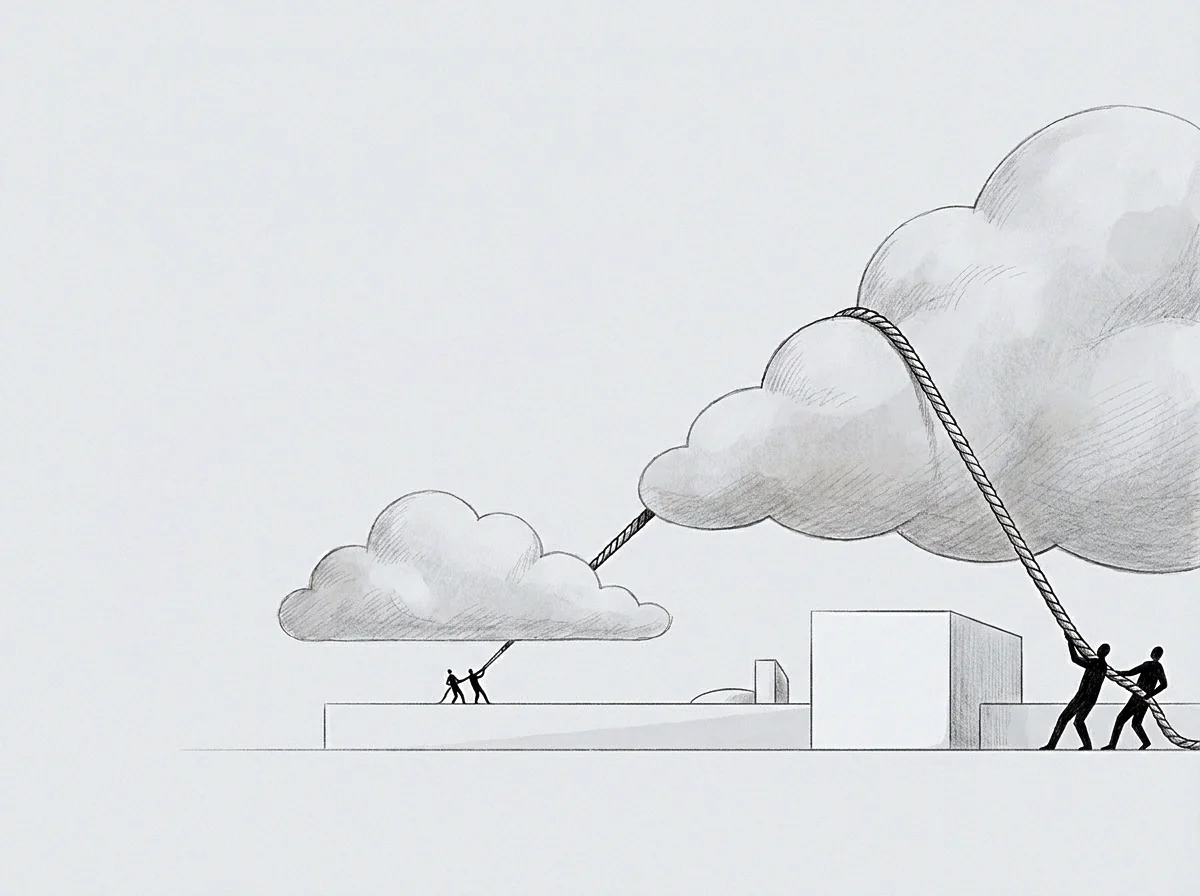
Managing Allostatic Load And Concurrency Limits In High-Pressure Enterprise Seats
Allostatic load accumulates when unclosed operational loops exceed cognitive concurrency limits, triggering autonomic throttling to protect biological stability.
Allostatic load accumulates when unclosed operational loops exceed cognitive concurrency limits, triggering autonomic throttling to protect biological stability.

Physiological stress downregulation reduces volitional capacity to protect neuroendocrine systems under unclosed executive load.
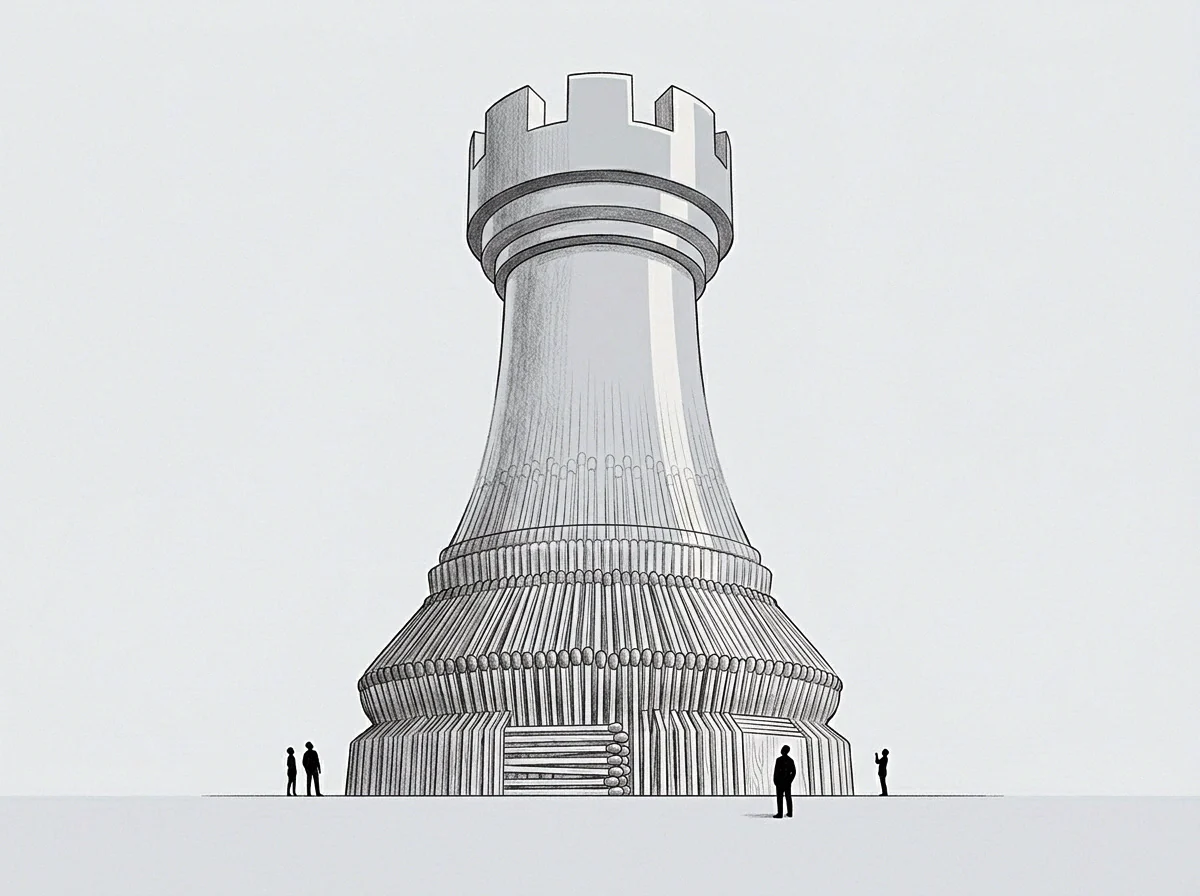
Solitary threat monitoring forces continuous autonomic elevation, whereas social baseline proximity distributes regulation costs across trusted counterparties.

Asynchronous governance gates fail when open review loops exceed executive working memory capacity, forcing biological throttling and organizational delay.

Chronic executive demand elevates allostatic load, triggering autonomic throttling that suppresses cognitive headroom to preserve baseline physiological integrity.

Prefrontal loop saturation occurs when active executive working memory slots fill with ungated operational threads, throttling cognitive performance.

Executive teams operate on legible structural limits and unspoken relational contracts, transferring operational stress onto personal capacity until explicit terms set walls.

Executive baseline regulation operates as a metabolic threat economy where proximity to a steady presence reduces neural load and preserves capacity.

Executive capacity allocation under peak allostatic load requires down-regulating novel cognitive input to protect core procedural execution from total regulatory failure.

Relational maintenance demands consume executive bandwidth through chronic coregulation, elevating allostatic load until structural availability gates bound open interpersonal threads.

Delegation gates shorten executive autonomic latency by setting explicit financial and operational boundaries that close open cognitive loops.
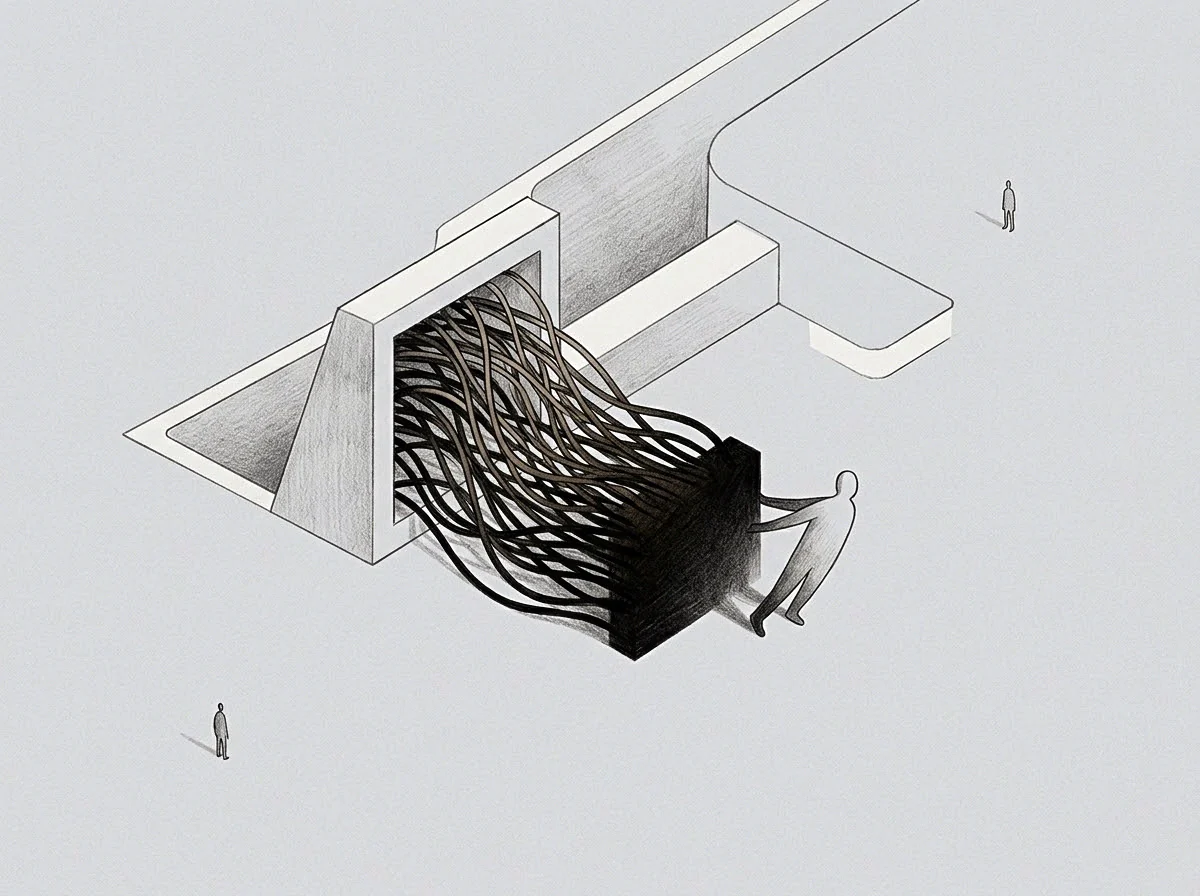
Sustained high command load suppresses nocturnal parasympathetic activation, blunting cardiac dipping metrics and causing chronic autonomic wear.
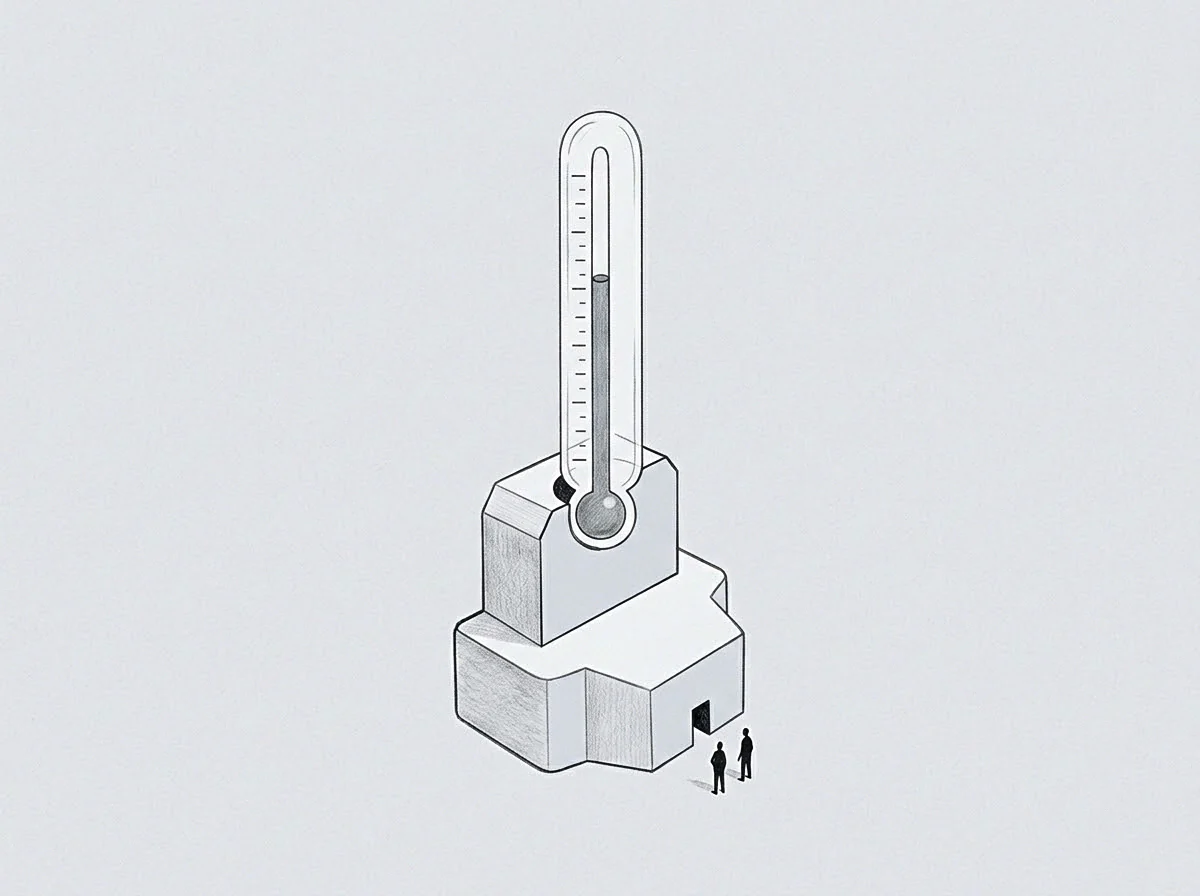
Solitary allostatic containment elevates metabolic expenditure by forcing continuous self-regulation without the biological cost reduction of shared presence.
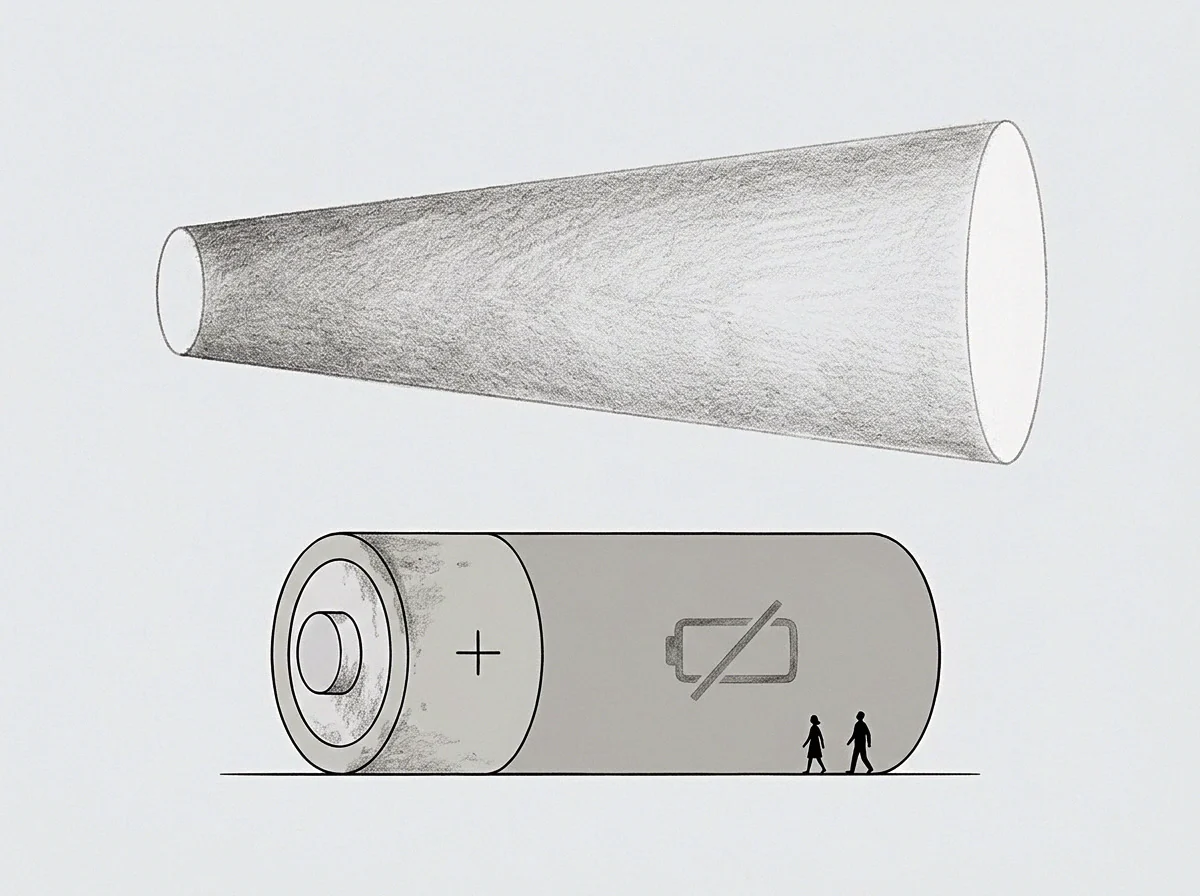
Artificial response latency preserves central executive attention by converting real time triggers into batch tasks during high cognitive load.
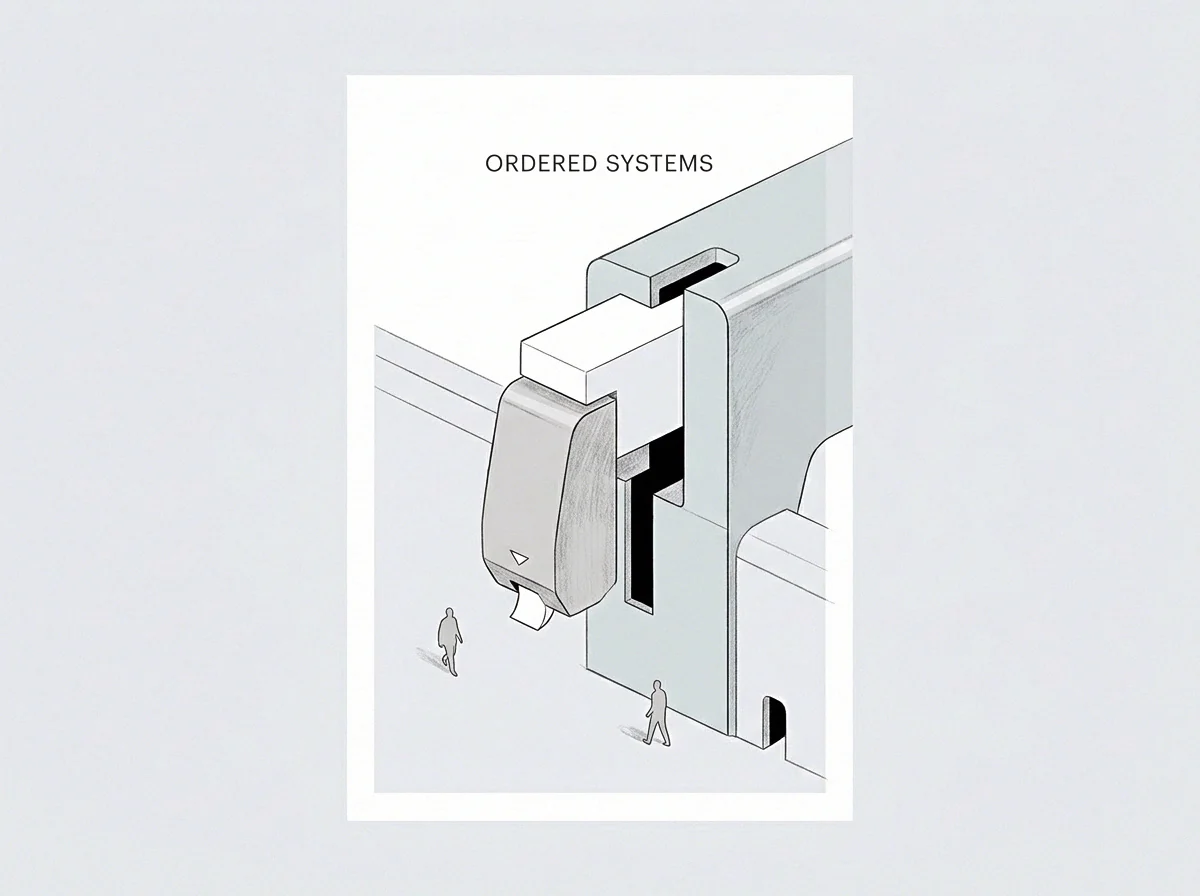
Solo hypervigilance maintains high metabolic regulation costs until repeated somatic micro-exchanges build an internal receptor slot for mutual co-regulation.

Executive autonomic dysregulation under ungated demands truncates planning horizons and systematically skews capital allocation toward short-term loss avoidance.

Allostatic load escalates when executive teams rely on a single leader for regulation, which alters metabolic budgeting until explicit operational limits distribute threat processing.
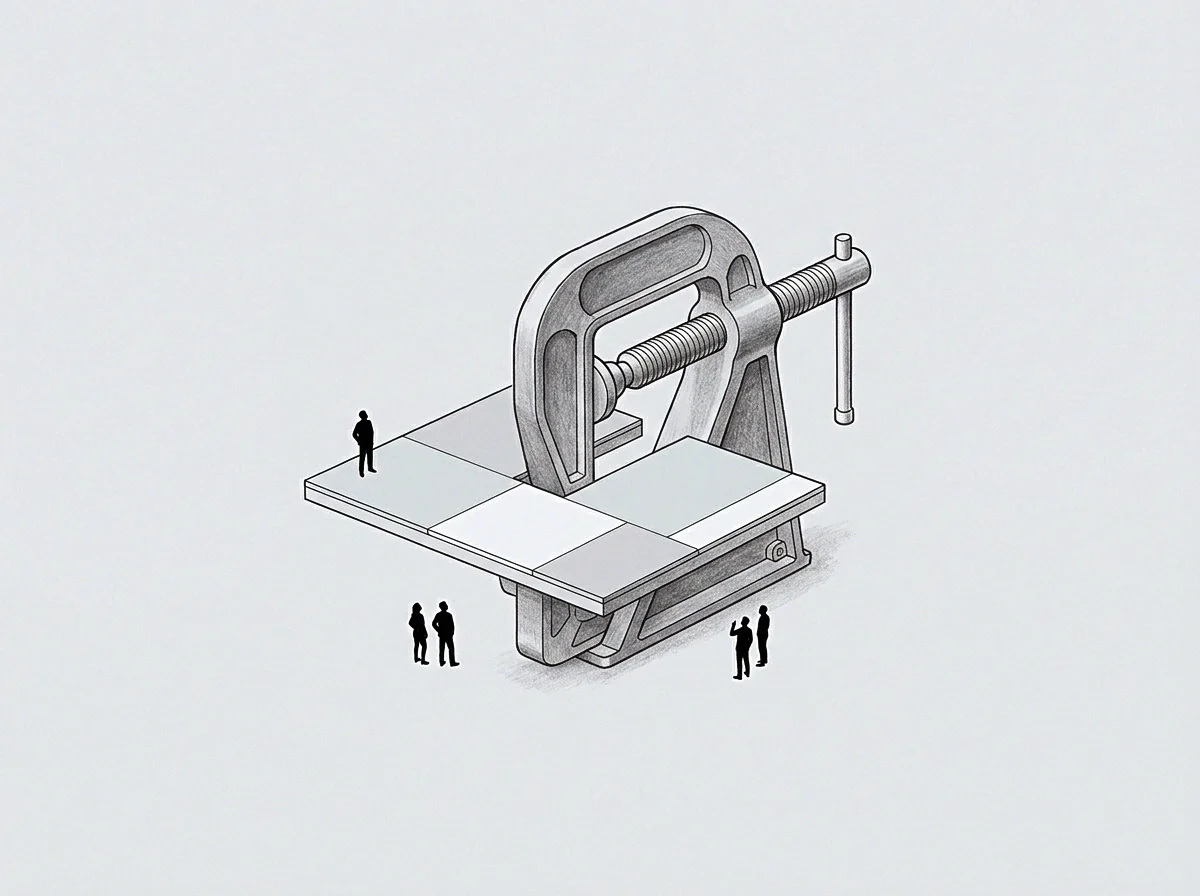
Structural delegation gates eliminate ambient executive vigilance by establishing explicit variance boundaries, enabling rapid parasympathetic reactivation after acute operational stress.

High-growth corporate systems collapse when individual operational capacity replaces explicit governance terms to absorb continuous transactional throughput.

Stated priority limits keep operational requests out of executive headroom by converting personal availability into explicit, system-enforced boundaries.

Stated operational terms convert active evaluation into passive rule execution, preserving executive cognitive headroom by preventing continuous real-time load transfer.
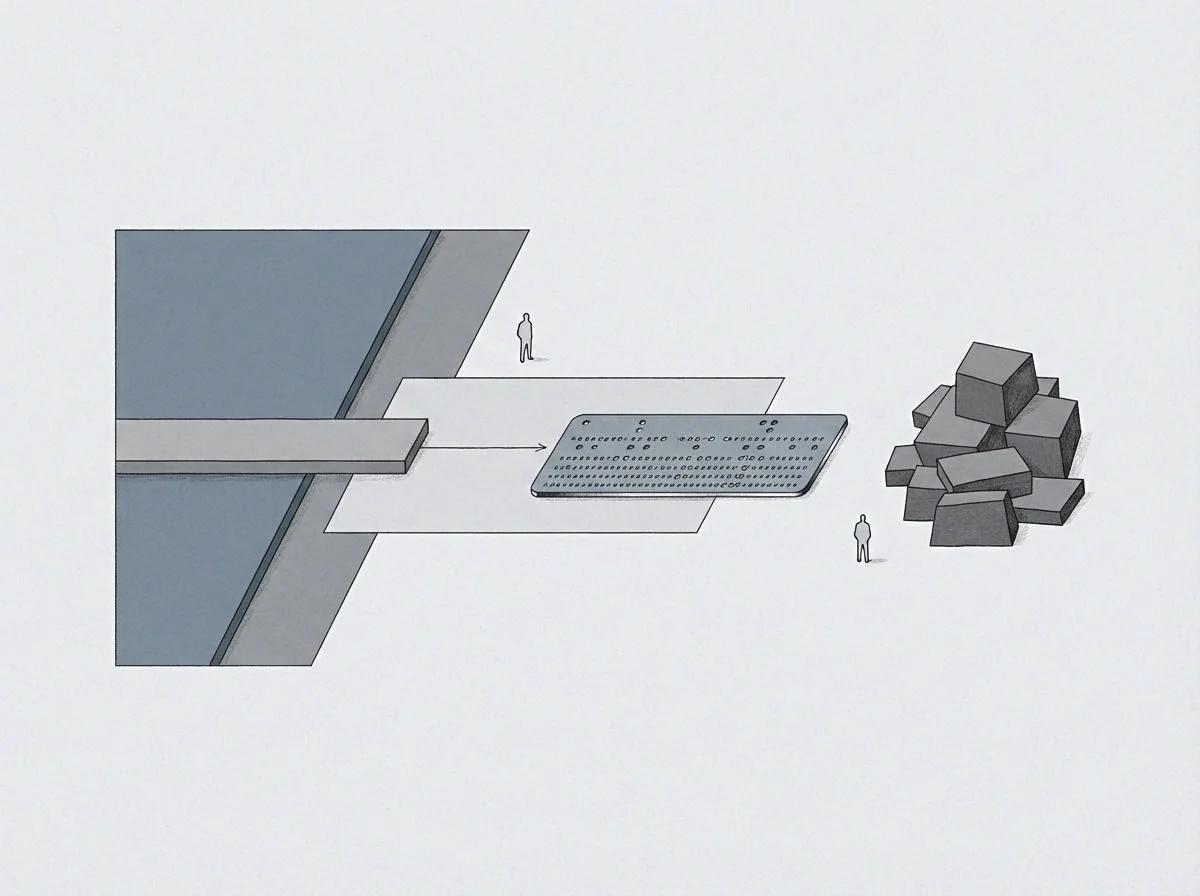
Isolated leaders absorbing peripheral threat without reciprocal regulation incur high metabolic costs that exhaust prefrontal capacity and autonomic headroom.
The terms are written where they belong. Each field holds three desks, and every entry a desk writes raises the terms it uses, each term given a meaning, a mechanism and the places it appears. The record on these pages stays first person and hand made; the fields grow the nomenclature.