Meaning
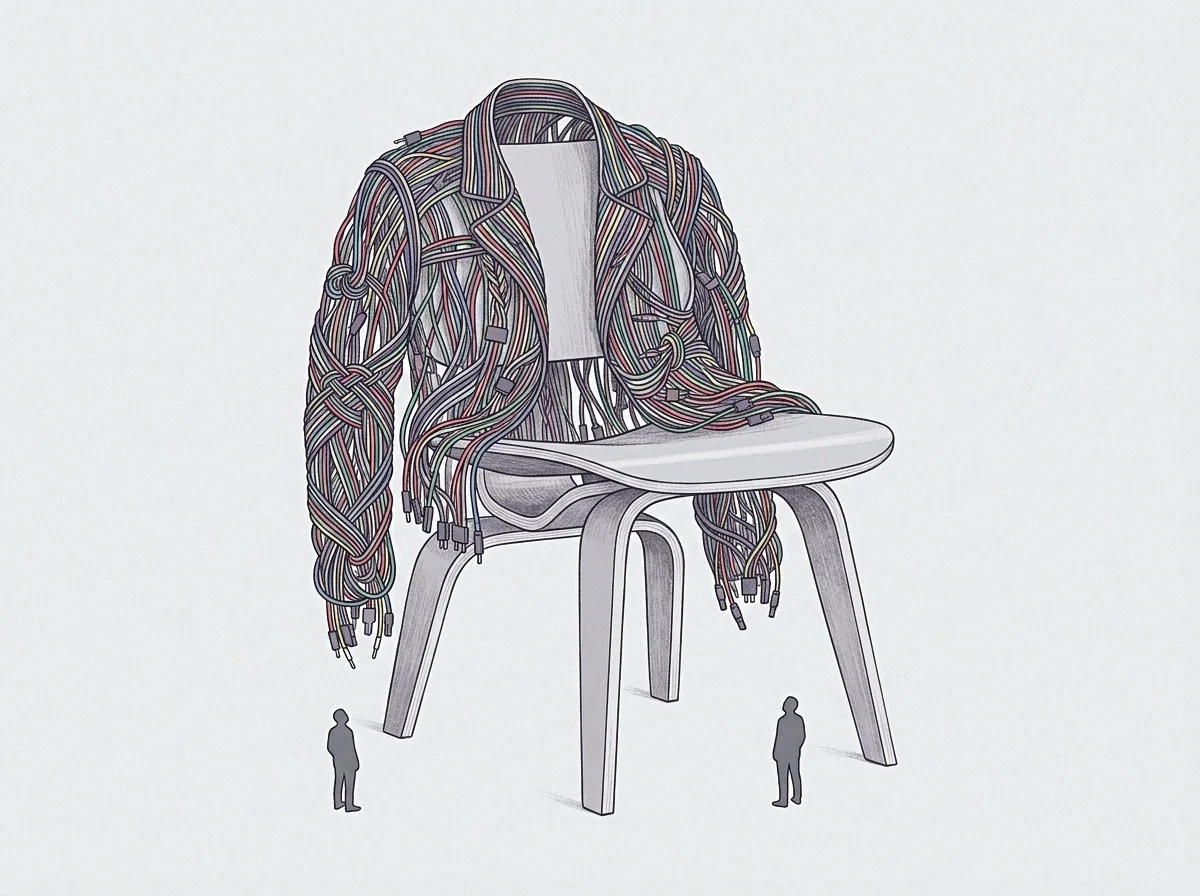
Neural processing delay denotes the time or mental capacity required for the brain to reorient between two distinct sets of information. Cognitive switching cost quantifies the efficiency loss occurring when a person moves from a focused task to an unrelated objective. This phenomenon interrupts the flow of sustained attention, requiring the retrieval of new context and the suppression of prior data.
Processing Penalty
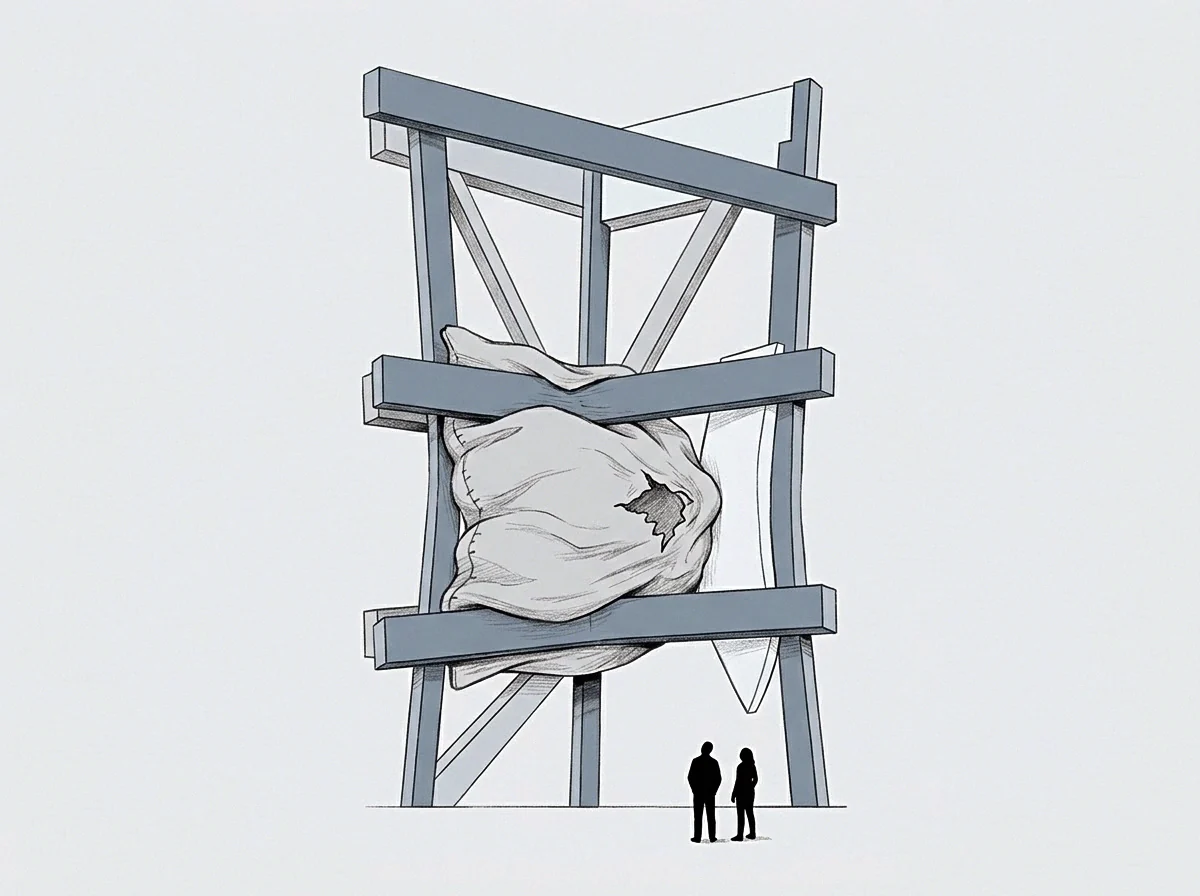
Performance drops occur during the transition period because the brain lacks the biological capacity to process multiple high-load tasks simultaneously. Each shift demands the clearance of the previous working memory workspace and the activation of new neural pathways. These pauses aggregate over long periods, reducing the total available capacity for complex problem solving.
Frequent jumps between fragmented responsibilities exacerbate the drain on energy, leading to a measurable decline in output quality.
Capacity Limit
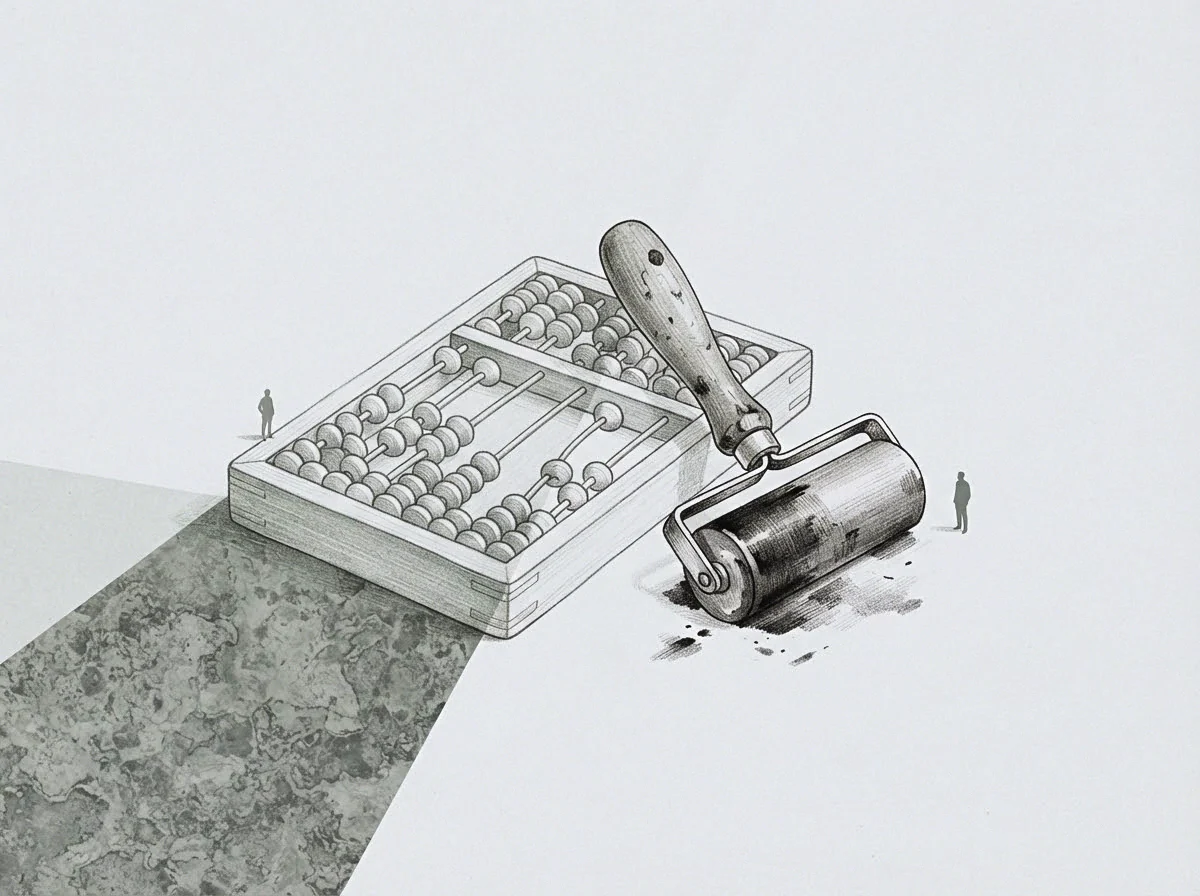
Sustained focus operates on a finite resource model where the volume of total attention acts as a hard ceiling. Individuals manage this load by grouping similar tasks together, thereby minimizing the frequency of transitions and the resulting tax on bandwidth. Strategic isolation of deep work intervals preserves the neural stability necessary for high-level operations.
Such practices ensure that the brain avoids the excessive overhead associated with rapid-fire context swapping.
Structural Outcome
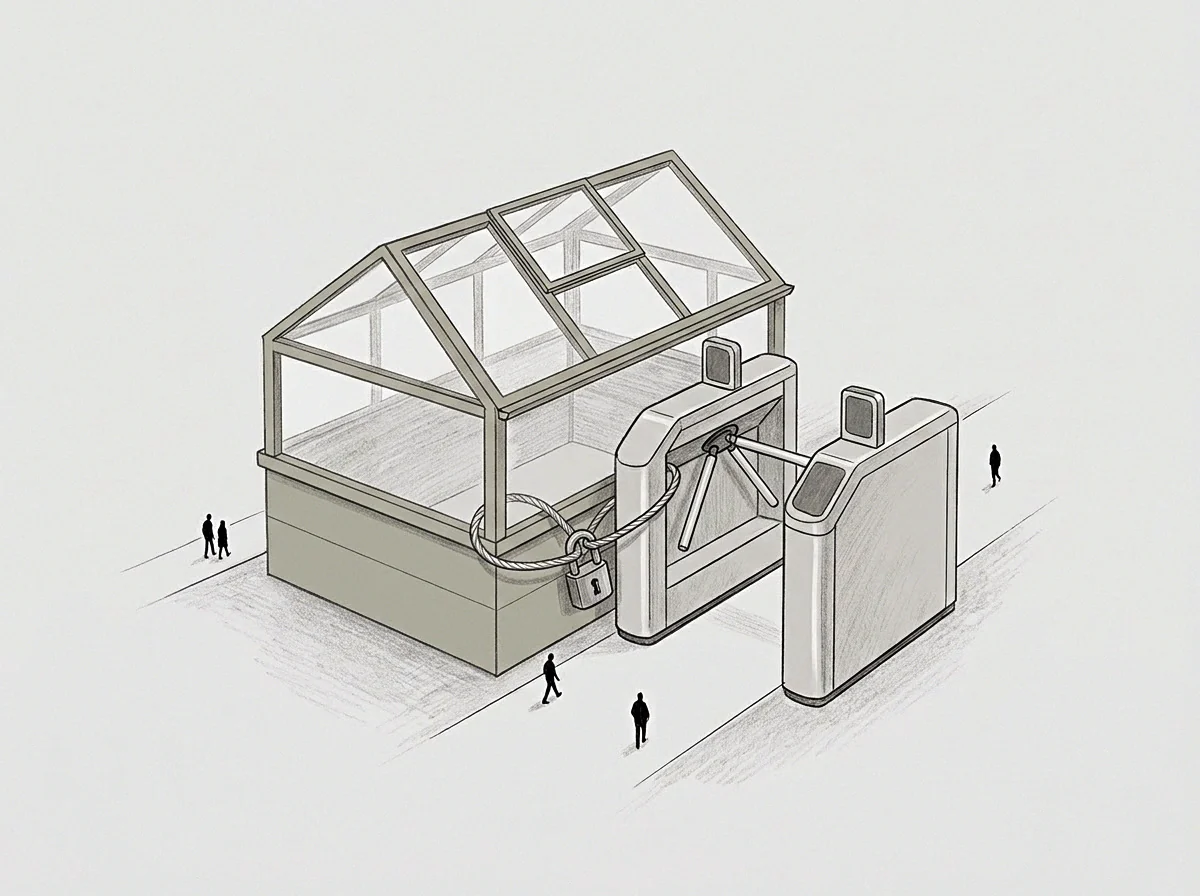
Persistent multitasking creates a constant state of low-level depletion that prevents the deep engagement required for foundational tasks. Consistent task isolation allows for longer durations of focused attention, shifting the allocation of energy from transition overhead to actual execution. This efficiency gain provides a buffer against the fatigue that defines the standard work environment.
Internal regulation of task density holds the potential to increase the quality of output across all hours of operation.