Meaning
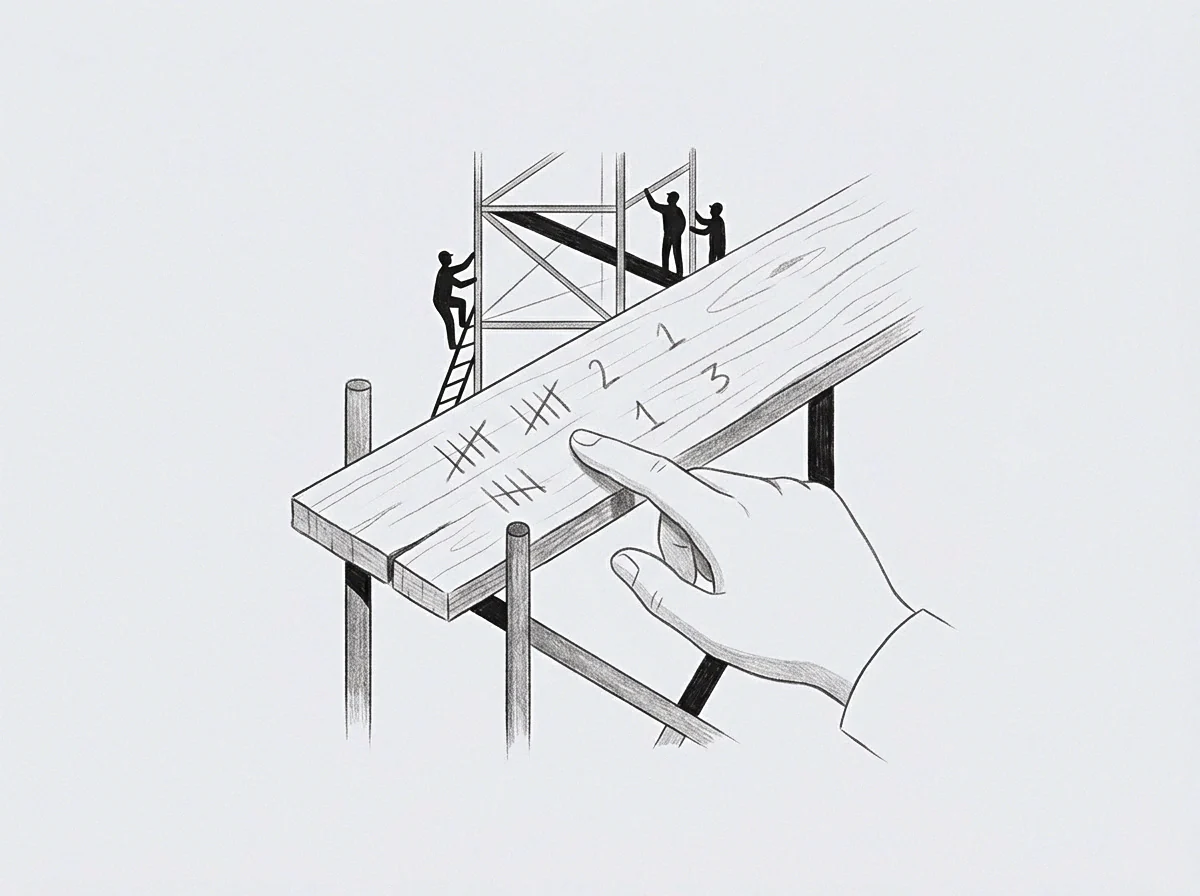
Physiological and mental reserves define the baseline volume of adaptation that an individual can deploy against prolonged operational friction. The aggregate limit of these reserves is known as allostatic capacity, representing the total buffer against burnout. The depletion of this resource occurs when stressors accumulate faster than recovery processes can replenish them.
Sustained Pressure
Environmental stressors and constant decision making deplete internal reserves during prolonged periods of business growth. Under these conditions, allostatic capacity determines how long a founder can operate without functional degradation. High demands require constant physiological adaptation.
When the demands exceed the available buffer, executive function begins to deteriorate. The cost is paid in reduced attention and decision fatigue.
Performance Cost
Cognitive performance declines measurably when the protective adaptive buffer is exhausted. A depleted allostatic capacity leads to slower processing times and a higher frequency of errors in routine assessments. Leadership teams often experience reduced working memory and emotional volatility.
This state increases the hours required to complete standard administrative tasks. The organization eventually feels the deficit through delayed strategic choices.
System Limit
Recovery intervals are necessary to restore the physiological baseline after periods of intense work. Without deliberate pauses, the remaining allostatic capacity drops to a level where even minor difficulties trigger severe stress responses. Sustainable leadership requires a structured approach to rest and task delegation.
Long-term corporate viability relies on maintaining this physiological buffer. Active preservation of adaptive capacity secures the organization against sudden executive absence by preventing cognitive exhaustion before it occurs.