Meaning
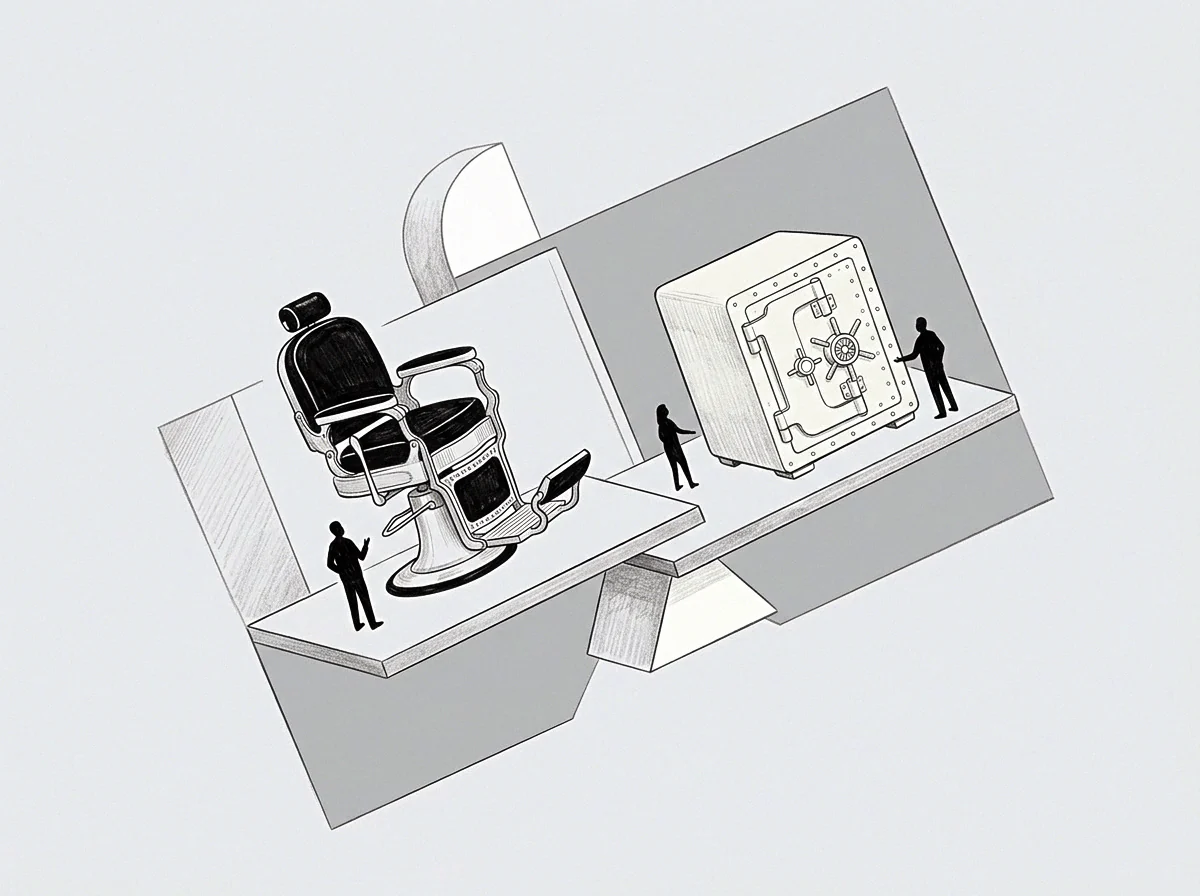
Structural divergence describes an operational condition where regulatory strain flows in one direction between an organisation and an individual without reciprocal distribution. Under asymmetric load transfer, an executive nervous system absorbs operational shocks and ambient friction generated across distributed operating units because institutional buffers are absent. Personal somatic capacity becomes an unpriced buffer for collective instability.
Biological processing limits eventually force an unannounced reduction in operational throughput.
Directional Bias
Unilateral absorption occurs when surrounding personnel export unresolved ambiguity upward while expecting dampening responses in return. Early venture architecture routinely channels operational volatility toward a single node that supplies affective stabilisation to investors and staff. In asymmetric load transfer, that central node functions as an open terminal that receives disordered inputs and emits coherent directives.
Prolonged exposure to this one-way transmission extracts a continuous expense in metabolic energy and executive attention. The individual cannot reverse this movement without threatening organizational confidence. Systemic dependency deepens as long as the central node converts organizational panic into structured execution.
Physiological Penalty
Neuroendocrine strain accumulates rapidly when somatic reserves compensate for missing organizational protocols. Autonomic activation remains elevated during protracted periods of asymmetric load transfer, which disrupts nocturnal cardiac restoration and degrades cognitive recovery cycles. The bodily expense registers as depleted stamina and acute executive fatigue.
Attentional bandwidth contracts under this continuous biological taxation. Decision quality deteriorates as nervous system resources shift toward basic survival maintenance.
Structural Boundary
Formal delegation defines the perimeter where ambient volatility stops shifting onto an individual. Institutional stabilization takes over when asymmetric load transfer is replaced by operational redundancy and defined escalation protocols. Without such organizational mechanisms, the dynamic persists until somatic exhaustion forces immediate disengagement.