Meaning
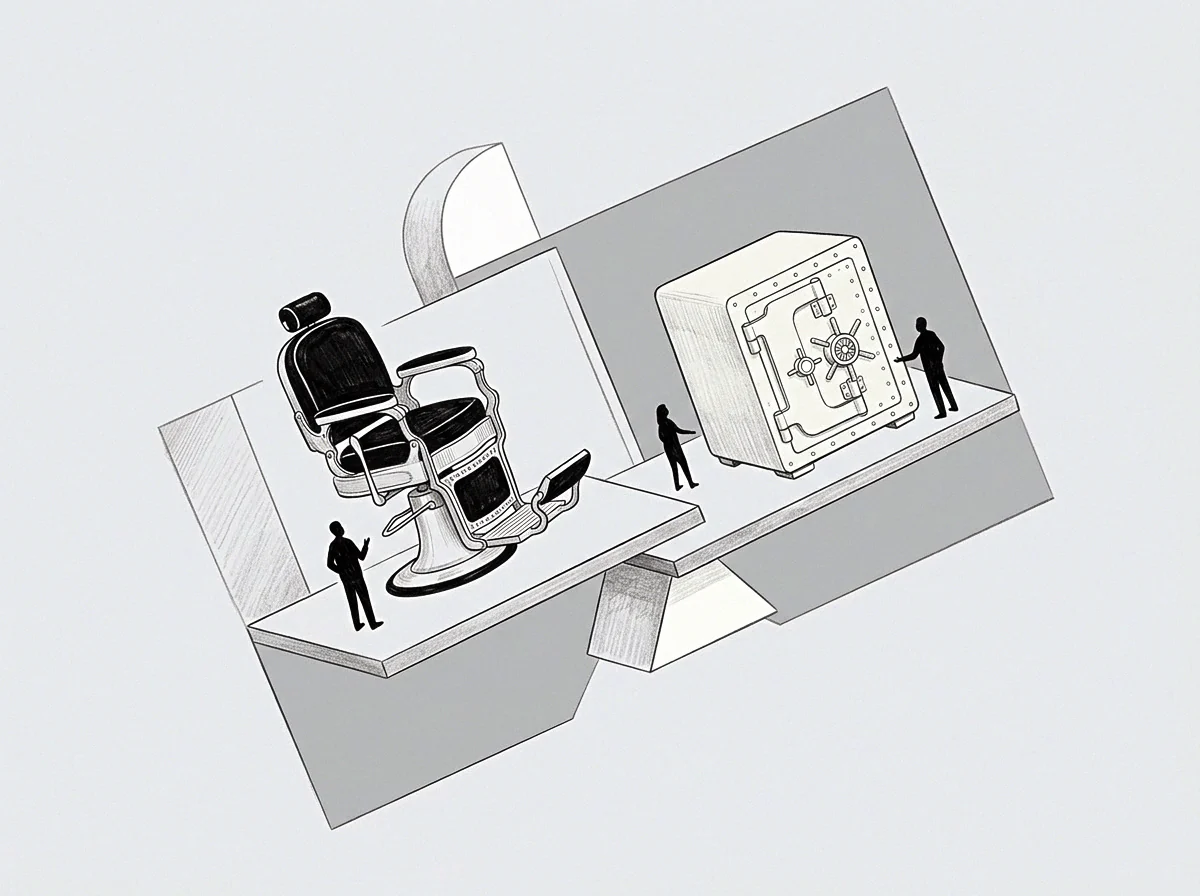
Relational transference frameworks describe the unconscious displacement of primary familial attachment dynamics onto professional workplace relationships. In early enterprise structures, a secondary attachment model emerges when employees view founders as parental figures responsible for emotional security and moral validation. Unconscious expectations shift professional accountability toward profound psychological dependency.
The operational boundary between commercial employment and surrogate family disintegrates under this model.
Surrogate Dynamic
Paternalistic enterprise cultures unintentionally encourage team members to seek emotional reassurance and identity confirmation from company founders. Through the secondary attachment model, subordinates project deep needs for safety, unconditional approval and psychological containment onto executive leadership. Founders frequently reinforce this dynamic early on, conflating familial devotion with company loyalty to secure extraordinary output from undercompensated teams.
However, this dynamic extracts a debilitating toll on executive regulatory capacity over time. Leaders find themselves managing interpersonal peer rivalries and intense betrayal reactions whenever commercial realities demand organizational restructuring. The founder becomes trapped in an exhausting parental role, unable to enforce commercial standards without triggering intense abandonment distress.
What began as communal devotion degrades into an unsustainable emotional obligation.
Psychological Transference
Affective boundary confusion warps commercial contracts into emotional bonds, generating severe operational friction during performance management. Within a secondary attachment model, routine managerial critiques are experienced as parental rejection, causing disproportionate defensiveness or emotional withdrawal among team members. Founders face intense resentment when corporate priorities require actions that conflict with parental caretaking.
Operational clarity suffers as interpersonal fragility paralyzes objective executive evaluation.
Contractual Reality
Commercial employment boundaries inevitably shatter surrogate relational expectations during corporate restructuring or capital reallocation. A secondary attachment model collapses whenever economic constraints force workforce reductions, abruptly exposing the stark commercial basis of the enterprise. True organizational maturation requires replacing familial illusions with clear contractual partnerships.