Meaning
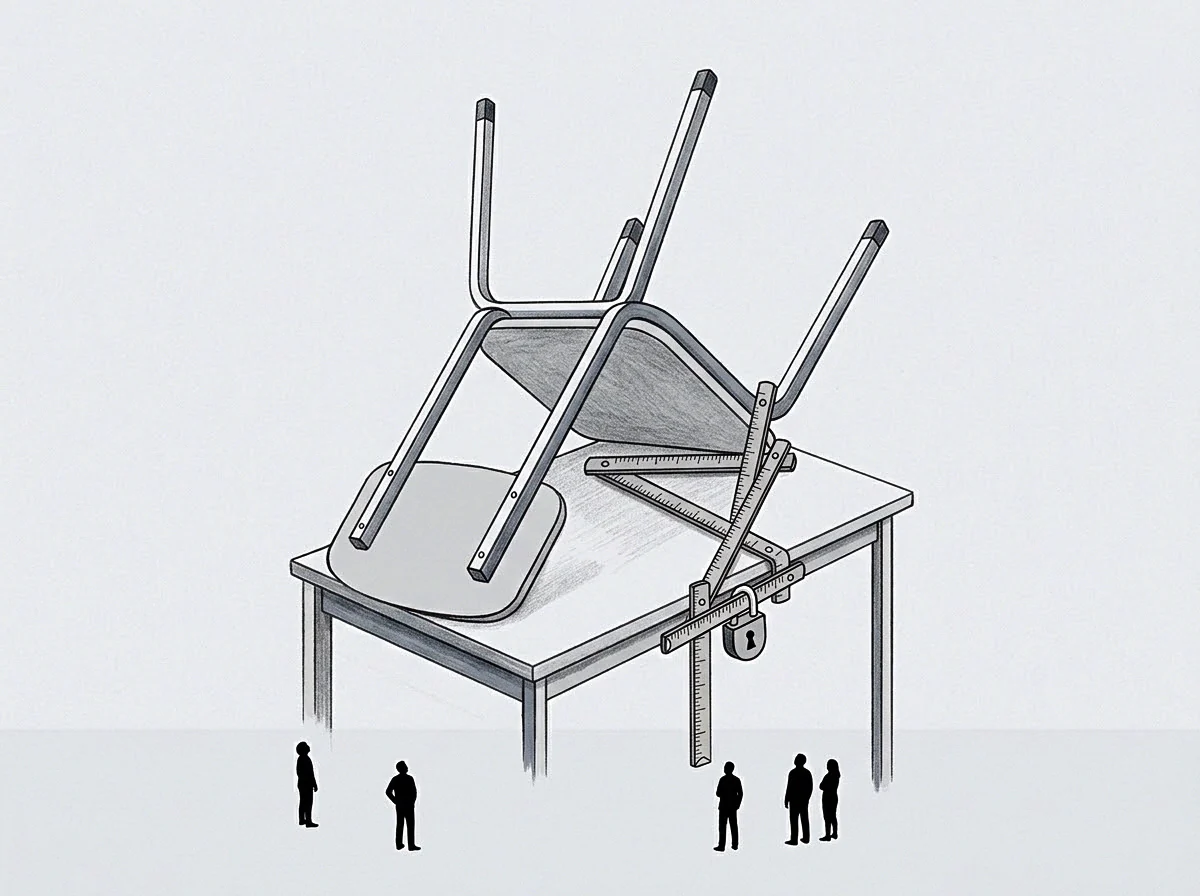
A metric of communication delay measures the interval between a non-blocking query and its receipt of a response. For a founder operating under a distributed governance framework, asynchronous ping latency describes the time that elapses before an inactive partner or board member returns a non-blocking check-in. This lag often reflects the secondary priority assigned to the venture by busy oversight figures.
It costs the operator attention and mental energy as they hold unresolved issues in cognitive reserve.
Operational Friction
Delays in communication slow the cycle of non-critical alignment but do not halt active production. When a founder receives delayed answers to routine status requests, the delay imposes a silent cognitive cost. The operator continues to execute core tasks while tracking the open loop of unanswered inquiries.
This persistent tracking reduces the executive capacity available for strategic decisions.
Structural Boundary
The metric applies only to routine or non-blocking queries rather than emergency communications that require immediate escalation. When a critical issue arises, different protocols override the typical delay structures. A threshold of seven days often separates normal friction from a complete communication breakdown.
Strategic Consequence
Long wait times cause founders to bypass official channels or make decisions independently to maintain momentum. This independent action creates a disconnect between the active operators and the passive board. Consequently, the organization risks misalignment when major strategic pivots occur without full consensus.