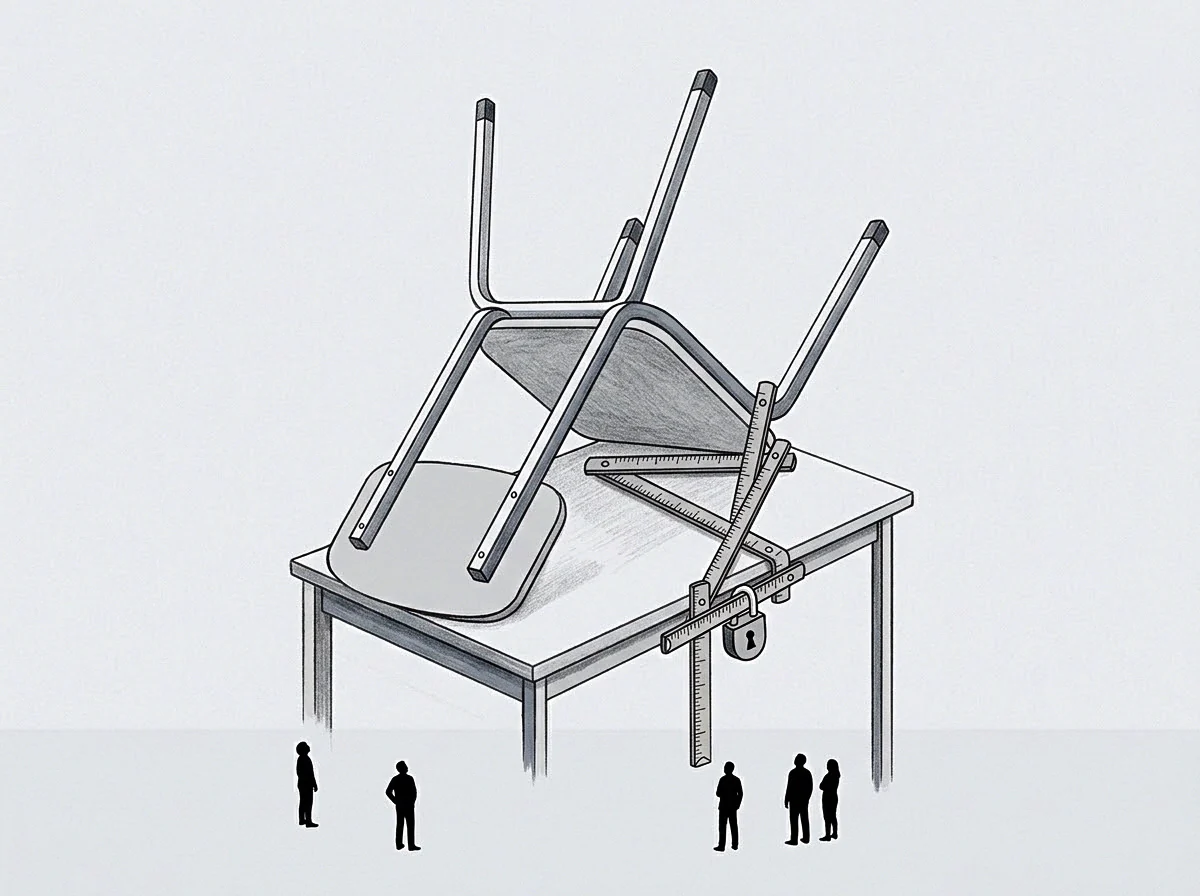
Meaning
A physiological constraint defines the maximum amount of cognitive and emotional workload an individual can sustain before executive function begins to degrade. In the context of post-transition leadership, capacity limitation represents the point at which a founder can no longer process strategic inputs or manage interpersonal relationships effectively. This threshold dictates how many active projects the leader can oversee simultaneously.
It acts as an absolute ceiling on personal productivity during high-stress periods.
Load Factor
Operating near the absolute limit of cognitive resources increases the frequency of decision errors and administrative oversights. The leader spends more energy managing stress than executing work. This allostatic load reduces the founder’s ability to tolerate ambiguity and resolve complex team conflicts.
Over time, the sustained pressure leads to physical fatigue that compromises executive performance.
Operational Boundary
The constraint does not refer to temporary fatigue but to the systemic exhaustion of an individual’s self-regulatory resources. Temporary exhaustion recovers with rest, whereas systemic depletion requires structural changes to the founder’s daily duties. The limit holds regardless of motivation or the financial incentives associated with the role.
Strategic Mitigation
Delegating authority remains the primary mechanism for preventing executive burnout. When a leader shares the cognitive load with a trusted team, the individual operates below the danger threshold. This delegation preserves high-level analytical ability for critical long-term decisions.