Meaning
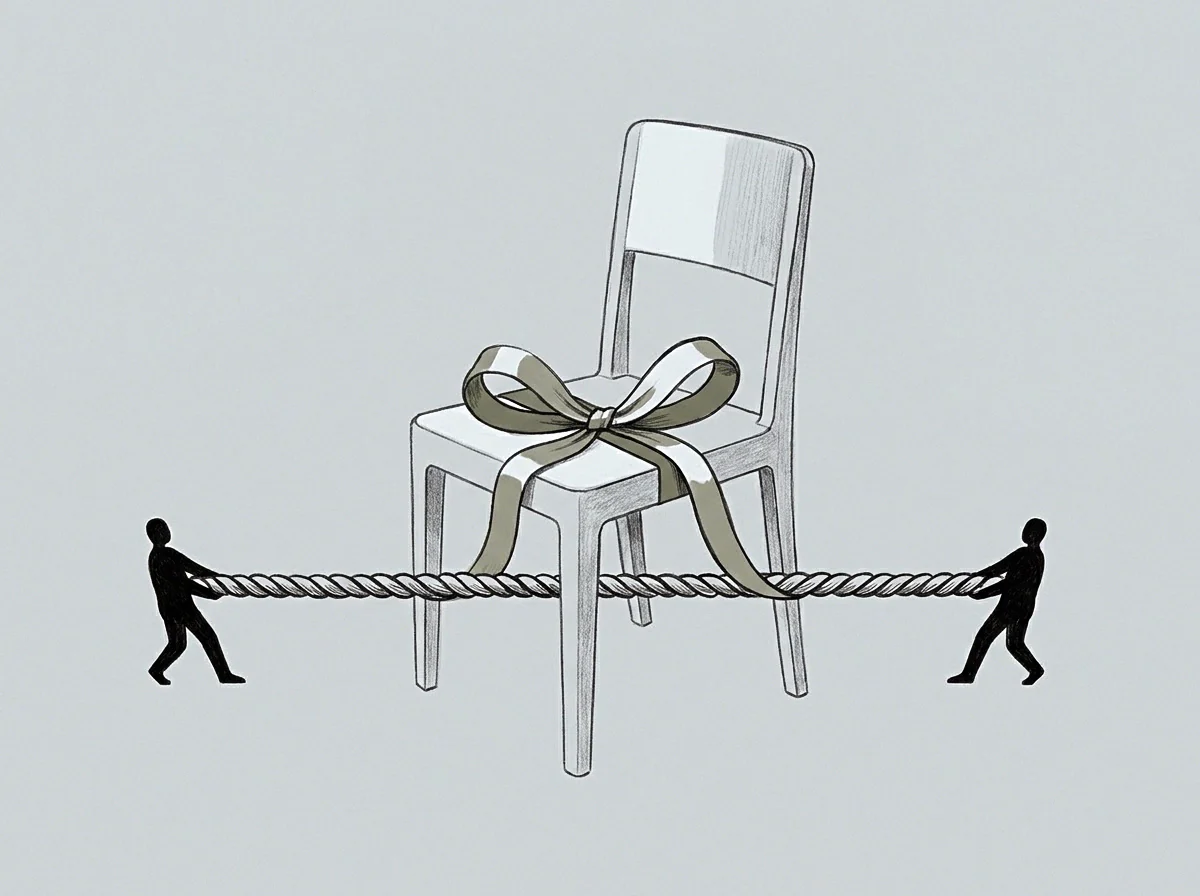
Mental state where thoughts from a prior task persist after a transition. Founders experience attention residue when jumping between board meetings and deep operational work. This condition reduces executive function because the brain remains partially anchored to the previous context.
It governs the efficiency of task switching and ceases to affect performance only after a complete mental reset or a period of rest.
Cognition Drain
Cognitive resources are depleted when the mind cannot fully disengage. It costs the individual roughly twenty minutes of peak efficiency per context switch. If a founder shifts through many disparate domains in a morning, the accumulated lag prevents reaching a high state of performance.
The mind continues to process the old problem even while the person attempts to address a new one. This hidden activity drains the energy available for the current priority and creates a feeling of being stretched thin.
Performance Cap
Mental capacity has a hard limit that becomes visible during high-speed transitions. Regulation of this state requires intentional buffers. Without these, the load accumulates until the individual cannot process new information with full fidelity.
Recovery Protocol
Deliberate actions help release the mental grip of the previous task. Strategies to mitigate attention residue include finishing a task completely before moving on or writing down primary pending items. These actions facilitate a cleaner break.