
Structural Latency Protocols For Preserving Depleted Central Executive Attention
Artificial response latency preserves central executive attention by converting real time triggers into batch tasks during high cognitive load.

Channel
Four notification windows remain active on a desktop at midnight. An operator reads a third urgent inquiry regarding routine vendor pricing while executive reserves stand near zero. Twelve hours of continuous operational triage have consumed the prefrontal workspace.
Each incoming ping creates an immediate demand for evaluation, classification, and response selection.
Synchronous communication channels treat human cognitive capacity as an infinite buffer. When a channel delivers messages instantaneously, it forces the receiving brain into continuous interrupt cycles. The central executive system, responsible for working memory updating, task inhibition, and cognitive flexibility, incurs a switching cost with every intrusion.
This operational cost accumulates regardless of whether the incoming message requires a complex decision or a simple acknowledgement.

Synchronous Demand and Executive Exhaustion
Central executive attention operates under strict neurobiological limits. Allostatic load accumulates when the central executive experiences relentless demand without recovery intervals. The human brain cannot maintain continuous top-down attentional control across extended periods.
High cognitive friction occurs when an operator attempts to maintain deep analytical focus while monitoring live communication streams.
A continuous stream of incoming pings exhausts executive headroom long before physical energy fails.
Continuous real-time intake degrades the quality of executive control. When incoming signals arrive faster than the prefrontal cortex can clear working memory, the system resorts to heuristic shortcuts. Impulsive decision making replaces structured analysis.
Operational errors rise as attentional capacity declines.

The Real Time Impulse Loop
Real time channels establish an implicit expectation of immediate throughput. Counterparties transmit pings whenever an internal query arises, transferring their cognitive load onto the operator. Real time demand fragments working memory.
The receiver absorbs this load, sacrificing long term strategic focus to clear short term queue pressure.
Unmanaged real time intake forces decisions into low capacity states, accelerating structural errors across capital allocation decisions.

Clock
Deterministic time delays act as a protective barrier between incoming signals and central executive reserves. Inserting structural latency into operational communication loops breaks the real time interrupt cycle. Structural latency protocols impose forced waiting periods before incoming messages land in the active executive queue.
Control systems theory demonstrates that feedback loops require dampening mechanisms to prevent destabilization. Human executive control functions under identical constraints. When an operational system operates without response delay, small incoming spikes create compounding operational chaos.
A structural clock introduces explicit buffers, allowing incoming tasks to accumulate into discrete, predictable batches.

Deterministic Delays in Response Systems
A structural latency protocol establishes predetermined time windows for incoming signal processing. The operator does not process pings as they arrive. Messages enter a staging area where they remain untouched until a designated processing window opens.
Operational stability depends on the predictability of these intake windows. Counterparties adapt to predictable response rhythms once the protocol operates consistently. When an incoming message encounters a deterministic latency barrier, the sender reorganizes their own workflow rather than relying on instantaneous external resolution.
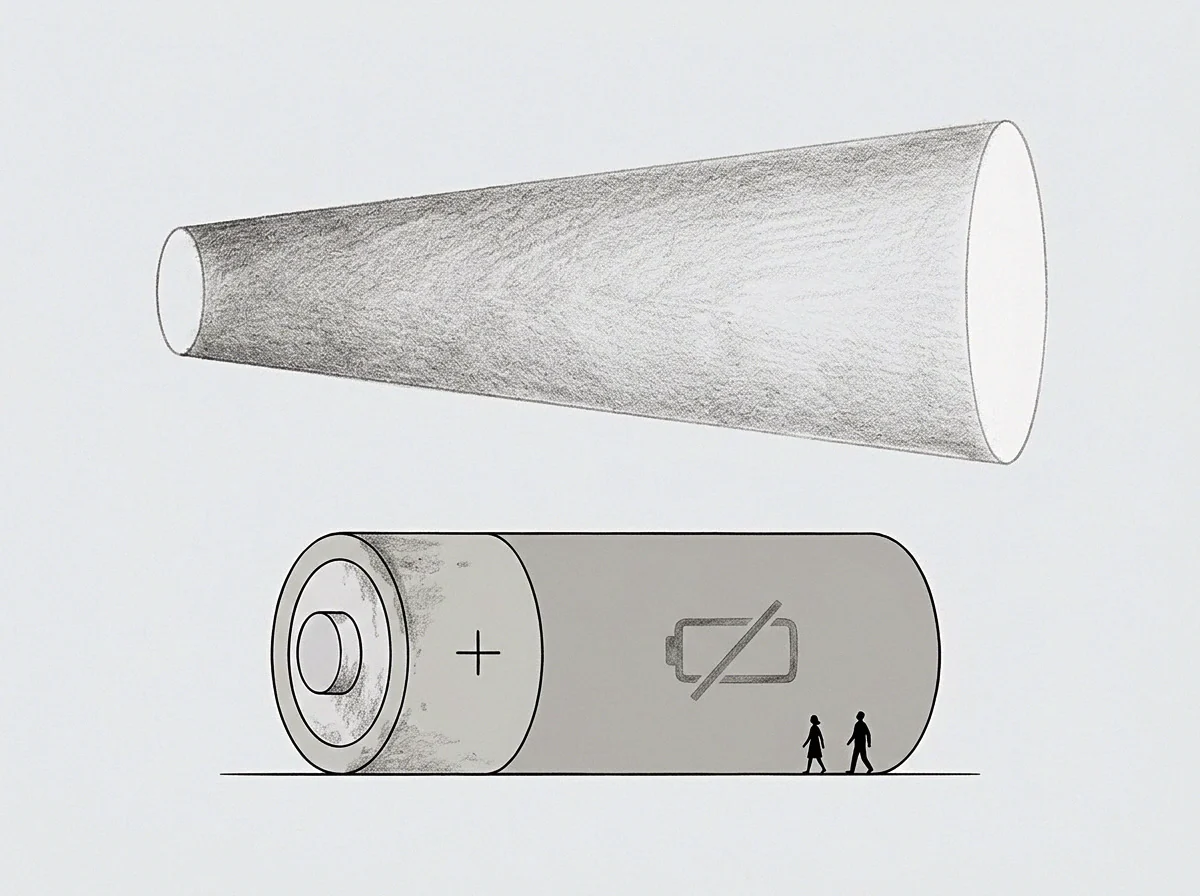
A fixed four hour delay inserted into client queues restores working memory depth whenever allostatic load hits ceiling.
State Gated Execution Limits
State gated execution limits prevent cognitive processing during periods of executive depletion. Operational actions require adequate working memory headroom. When physiological or cognitive variables indicate exhausted headroom, the structural latency protocol extends response windows automatically.
The following failure modes emerge when artificial latency protocols are absent from an operational structure:
- Attention fragmentation creates rapid context shifts that deplete working memory reserves within two hours of operational activity.
- Reactive decision bias favors immediate emotional relief over long term strategic clarity during high load operational states.
- Suboptimal queue processing allows external urgency to dictate priority order regardless of actual strategic impact.
- Unbounded counterparty load encourages external actors to transmit incomplete queries directly into active workspace queues.
Automated delay rules enforce these boundaries without requiring real time decision making from the operator. The protocol operates as an external system constraint. By removing the decision to delay from the depleted mind, the protocol prevents impulse responses during low state intervals.
Batching executive intakes during low cognitive reserves preserves strategic clarity across operational shocks.

Margin
Quantifying working memory preservation reveals the direct efficiency gains of structural latency. Context switching overhead consumes up to forty percent of effective executive capacity when switching occurs between unstructured operational tasks. Structural latency protocols limit context switches to fixed hourly intervals, preserving capacity for high value cognitive tasks.
Asynchronous transfer protocols convert continuous intake streams into batched processing blocks. The system clears incoming items during structured operational windows rather than handling items continuously across the day.

Quantifying Working Memory Preservation
Operational performance varies substantially based on the communication latency model enforced within an organization. Measuring executive attention expenditure across different protocols shows substantial differences in operational sustainability.
| Protocol Type | Switching Overhead per Hour | Expectation Drift | Capacity Recovery Rate |
|---|---|---|---|
| Real Time Reactive | 38 Minutes | High Continuous Expansion | Low Baseline Decay |
| Informal Batching | 19 Minutes | Moderate Unpredictable Spikes | Moderate Intermediate Reserve |
| Structural Latency Protocol | 6 Minutes | Low Deterministic Bounded | High Rapid Baseline Recovery |
The operational data demonstrates that unstructured batching fails to match the stability of explicit structural latency protocols. Informal batching leaves room for discretion, which breaks down under high stress conditions. Explicit structural constraints maintain operational margins even when internal discipline fails.
Stated intake windows reduce cognitive context shifts by half during active deployment cycles.

Asynchronous Transfer Protocols
Asynchronous transfer protocols require clear boundary definition to prevent counterparty intrusion. The system converts synchronous expectations into asynchronous commitments through explicit operational terms. Communication shifts from live exchange to structured documentation.
By requiring incoming queries to arrive through standardized forms with explicit mandatory fields, the protocol filters out low clarity communication before it reaches central executive attention.
The introduction of an explicit seventy two hour intake clause converts incoming operational demands into scheduled batch tasks.

Filter
Managing stakeholder expectations requires clear signaling regarding operational intake latencies. Counterparties often push against structural delays when first encountering them. The system absorbs this friction through explicit communication terms rather than individual negotiation.

Does Artificial Delay Damage Stakeholder Trust?
Stakeholder trust depends on response predictability rather than instantaneous throughput. Unpredictable fast responses create higher systemic friction than predictable delayed responses. When an operator responds in five minutes during one hour and five hours during the next, counterparties experience uncertainty.
Implementing artificial response latency follows a sequential deployment path across active communication infrastructure:
- Establish fixed daily intake windows across all external communication channels.
- Automate initial acknowledgement pings carrying explicit latency expectations.
- Route urgent operational triggers to automated validation and escalation protocols.
- Execute decision batches exclusively within designated high capacity executive windows.
External parties adjust their operational cadence to match the published latency schedule. The system establishes a baseline rhythm that protects executive headroom while maintaining operational delivery standards.
Stated response intervals alter counterparty behavior faster than private discipline.

Managing Counterparty Push Back
Counterparties attempting to bypass structural latency often frame their requests as immediate emergencies. The filter protocol evaluates incoming requests against standardized operational criteria before allowing queue escalation. Most operational queries resolve without executive intervention when subjected to mandatory structural delays.
Communication feels deliberate, structured, and predictable despite the longer response cycles.

Floor
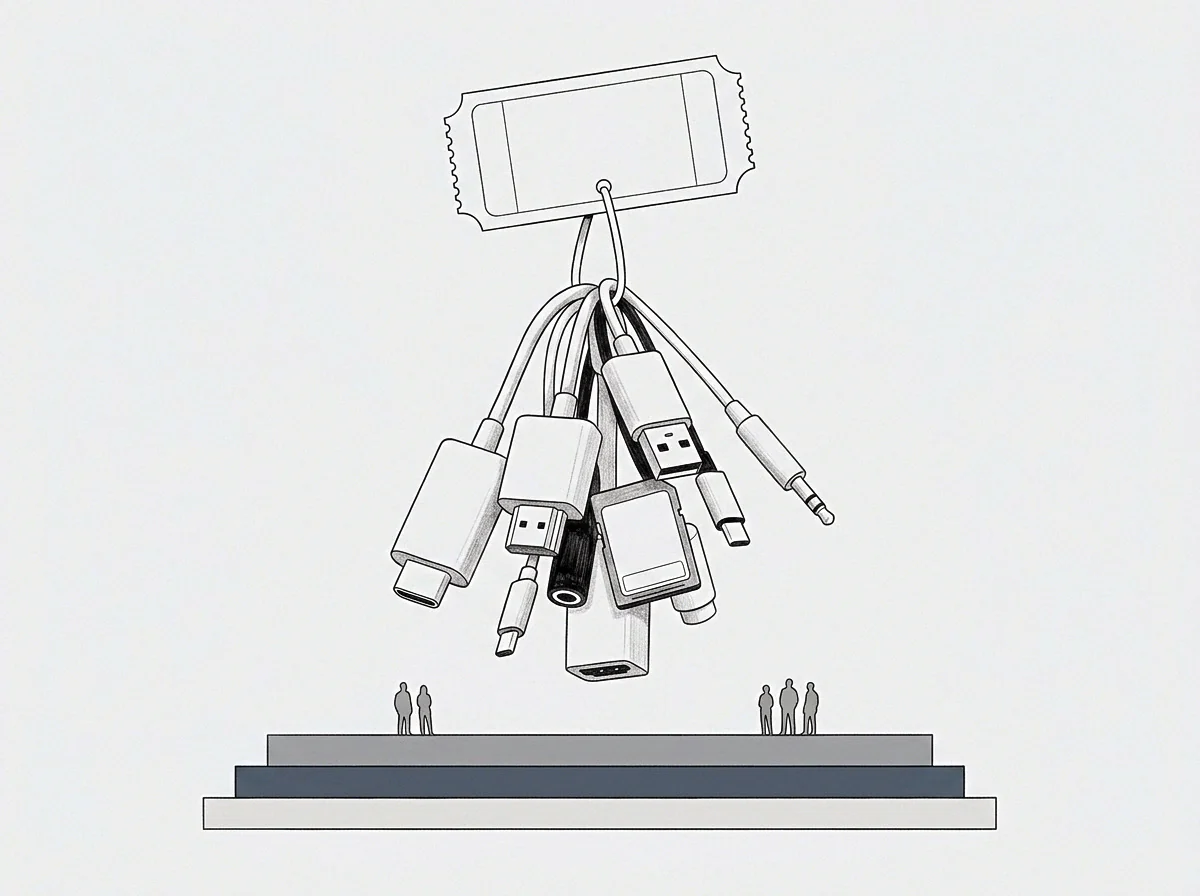
Preserving central executive attention under scale requires non negotiable baseline capacity standards. As an enterprise expands, operational noise increases exponentially. Without hard structural latency protocols, executive attention becomes entirely absorbed by reactive intake.
Establishing a capacity floor ensures that executive reserves never fall below the threshold required for critical strategic governance. Structural latency protocols act as the primary defense mechanism against total cognitive depletion.
Preserving Executive Reserve Under Scale
Scale increases the volume of incoming operational dependencies. When organizational complexity doubles, potential communication pathways multiply. Maintaining direct real time availability in a scaling organization guarantees executive exhaustion.
Structural latency enforces decoupling between operational growth and executive cognitive load.

The Minimum Capacity Standard
The minimum capacity standard defines the floor below which executive function must not fall. When operational monitoring indicates reaching this reserve floor, the protocol triggers automated intake throttling; non critical communication channels pause automatically and processing delays extend to maximum permitted limits until executive reserves recover.
Holding executive headroom demands structural boundaries. Internal effort alone fails under sustained load. When capacity reaches its lower threshold, system latency remains the primary instrument that prevents central attention collapse.