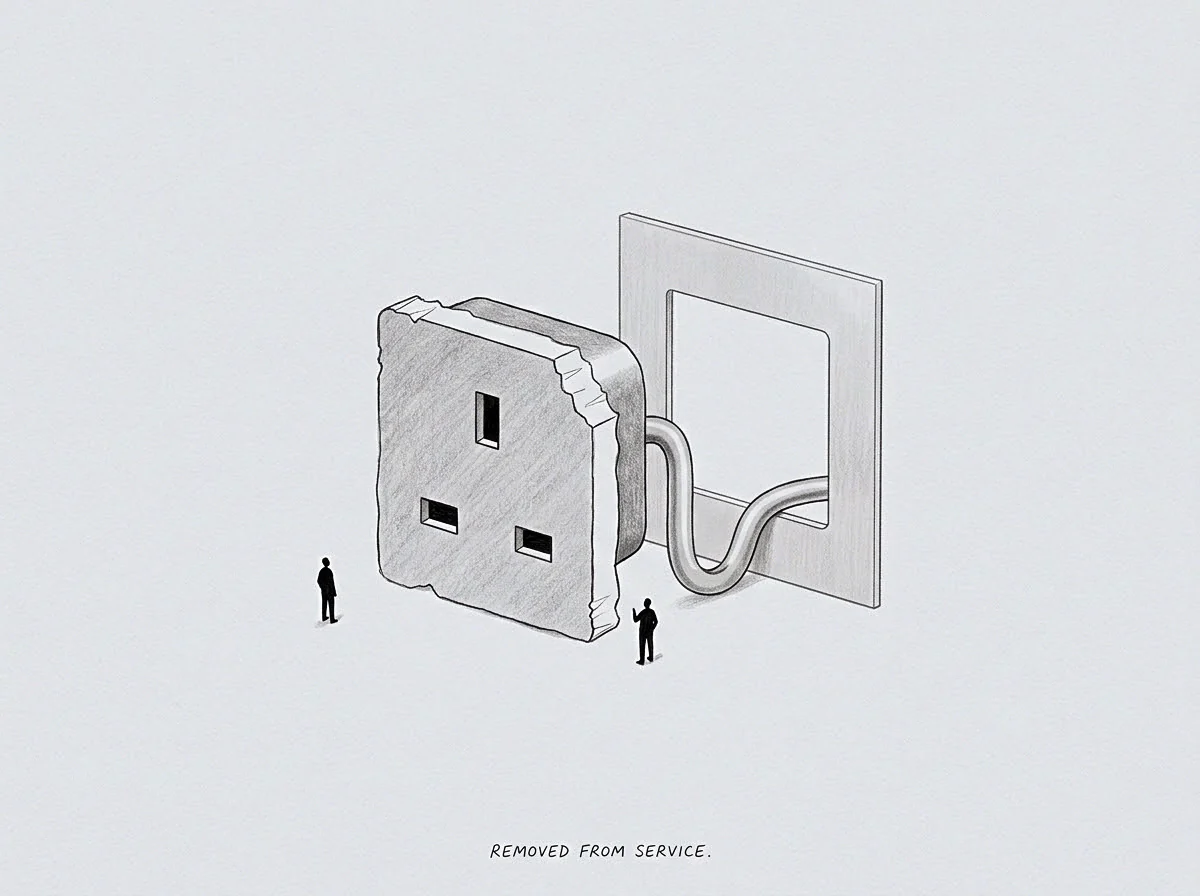
Meaning
Physiological downregulation mechanisms suppress high-energy somatic responses when prolonged exposure to operational stress threatens structural exhaustion. During extended post-founding tenure, autonomic nervous system throttling limits cardiac output elevation and vascular reactivity to prevent tissue damage under chronic workload. Controlled physiological damping reduces acute peak exertion to preserve baseline cardiovascular function.
The regulation operates automatically across nervous tissue without conscious executive intervention.
Regulatory Baseline
Neurological homeostatic systems alter baseline reactivity thresholds after repeated exposure to sustained high-stakes decision pressures. Extended strain forces autonomic nervous system throttling to shift the nervous system into a lowered functional ceiling, decreasing baseline heart rate variability while blunting parasympathetic recovery signals. The resulting state restricts physical energy expenditure during routine operational demands.
This shift safeguards systemic physiological integrity at the expense of peak explosive responsiveness.
Capacity Suppression
Biological protection mechanisms restrict the maximum available effort an individual can apply to sudden crisis resolution. When autonomic nervous system throttling engages, neuromuscular recruitment speeds drop and cognitive processing speed degrades noticeably. An individual operating under this involuntary constraint experiences persistent physical lethargy alongside delayed emotional processing during negotiations.
Operational output becomes bounded by biological suppression rather than external necessity. The physiological cap reduces short-term throughput to prevent complete systemic failure.
Systemic Recovery
Restoration of full physiological dynamic range requires extended reduction of continuous threat perception and workload volume. Because autonomic nervous system throttling persists until biological indicators confirm a sustained reduction in operational burden, standard short breaks fail to reset baseline neurological sensitivity. Recovery depends on prolonged periods where active stress inputs remain below threshold levels.
Normal autonomic responsiveness returns only after prolonged physiological stabilization.