Meaning
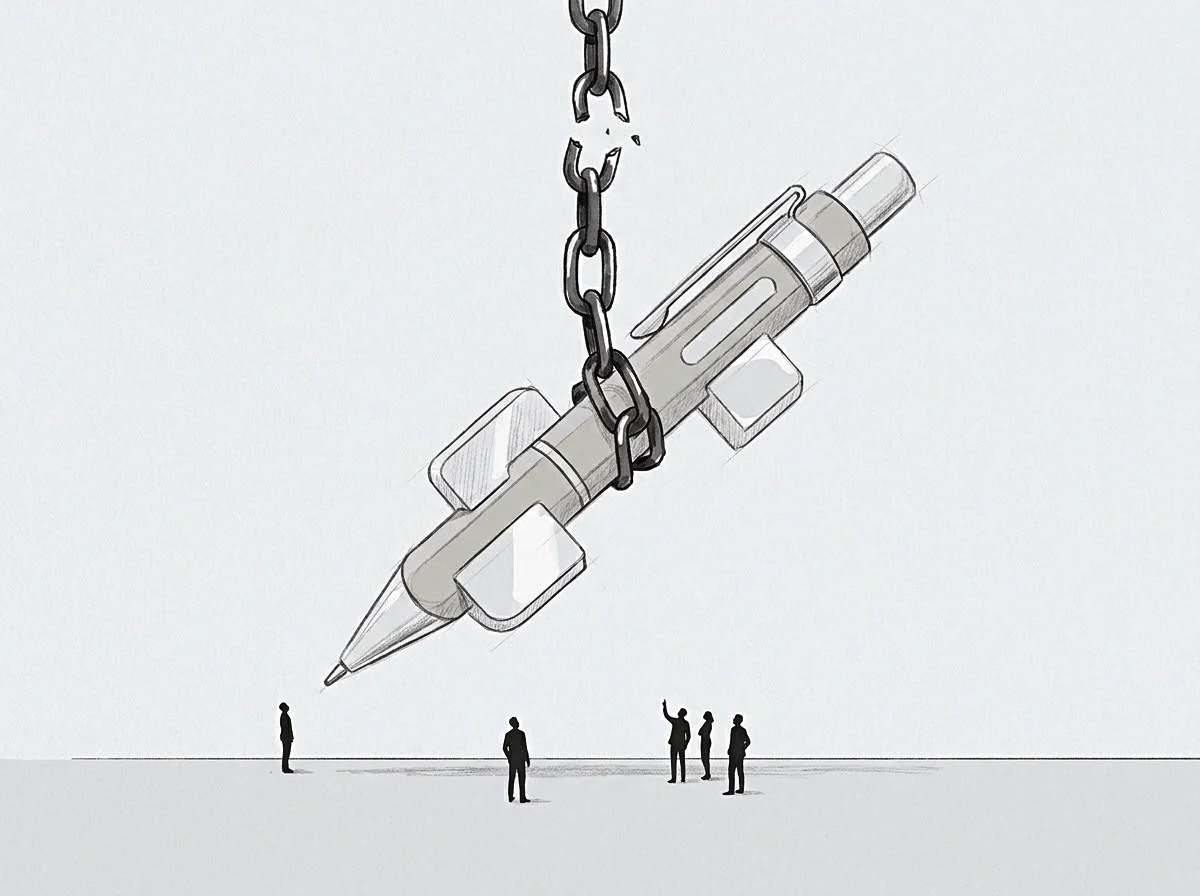
A structural framework describes the tendency of previous operational habits to dictate current self-regulation even when the original context has vanished. The backward regulatory template functions as a ghost architecture within an individual’s decision making process. This mechanism ensures that old survival strategies continue to draw on limited cognitive resources long after the threat has passed.
It stops being useful when the environment changes but the internal ruleset remains static, forcing the person to navigate new terrain with an old map.
Historical Weight
Previous roles often leave a lasting imprint on how a person monitors their own performance. The backward regulatory template draws heavily from the hierarchical structures and reporting requirements of earlier career stages. These patterns require attention to maintain.
If a person spent years in a high-compliance environment, the weight of those internalised rules persists.
Operational Friction
Internalised rules from the past create a drag on current activities. Using a backward regulatory template often results in the misapplication of rigorous oversight to tasks that require rapid iteration. This mismatch costs hours of unnecessary administrative effort.
The load is felt as a constant need to justify actions to an absent authority.
Persistence Effect
The duration of this state depends on the depth of the original imprint. While a backward regulatory template can provide a sense of order, it eventually limits the capacity to adapt to new regulatory demands. Over time the rigid nature of these past templates leads to a systemic exhaustion of the ability to self-regulate effectively.