
Long-Term Neuroendocrine Recovery Limits In Operators Returning To Dyadic Regulatory Environments After Isolation
Extended isolation recalibrates the central nervous system to treat dyadic proximity as a metabolic load rather than a co-regulatory buffer.
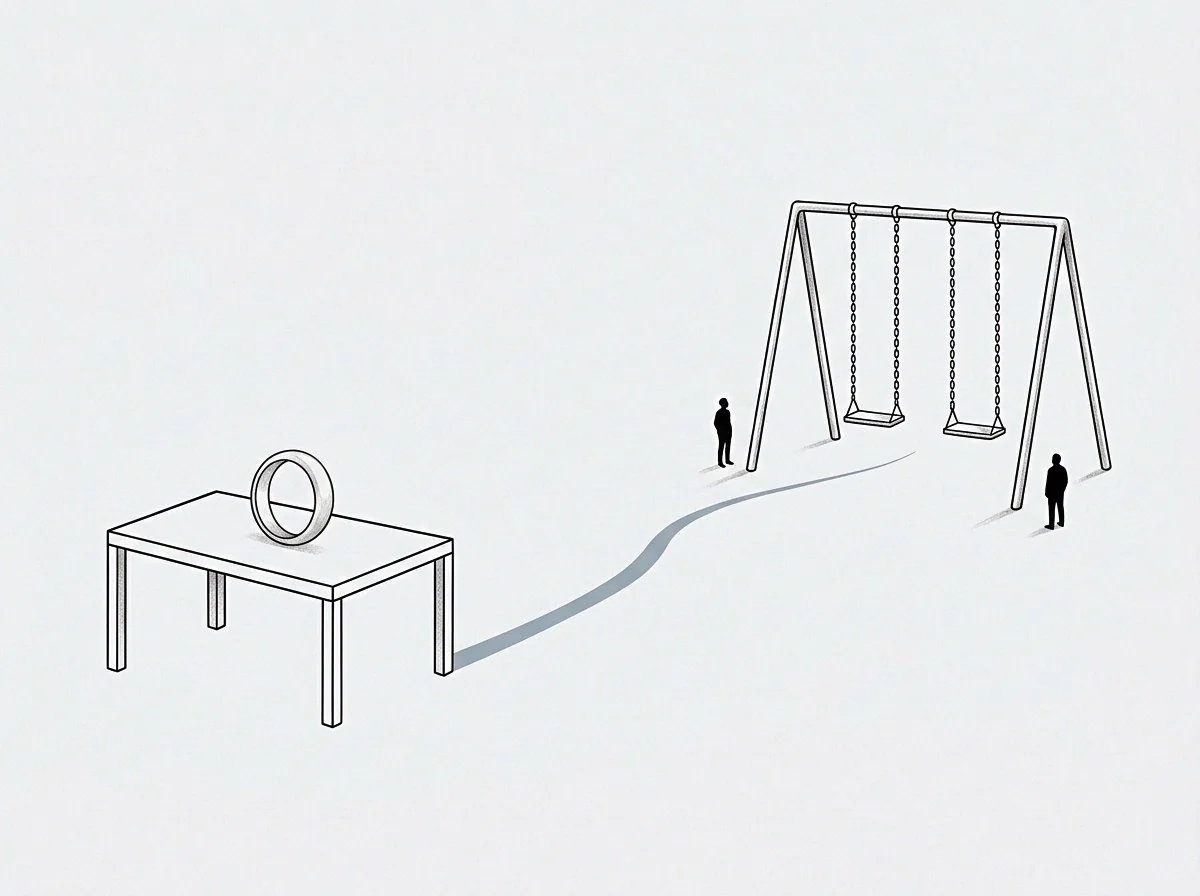
Threshold
Extended operational isolation shifts neural activity from shared regulation toward solitary conservation. When an operator undergoes severe operational cycles without a secondary baseline, the hypothalamic-pituitary-adrenal axis recalibrates, treating self-regulation as the sole survival posture. Social baseline theory demonstrates that the human central nervous system relies on the physical presence of a familiar, responsive partner as a primary energy conservation mechanism.
Proximity reduces the metabolic expenditure needed to monitor threat, modulate arousal, and maintain autonomic tonus. Long periods of severe operational isolation reverse this baseline condition. The brain manages threat entirely through internal resources, constructing a persistent neuroendocrine architecture designed to function without external physiological support.

Allostatic recalibration under sustained solo load
Continuous solitary load alters glucocorticoid dynamics and autonomic reactivity. Under typical conditions, dyadic co-regulation buffers systemic responses to stress through micro-attunements in tone, gesture, and vocal rhythm. During prolonged isolation, the brain suppresses these expectation pathways to conserve metabolic resources.
Glucocorticoid receptor sensitivity downregulates in central regulatory structures, while baseline sympathetic tone remains elevated to handle unbuffered ambient volatility.
The metabolic cost of threat monitoring drops only when the central nervous system registers a proximity partner as physiologically reliable.
This neuroendocrine posture creates structural inertia that persists well after physical isolation ends. The physiological system remains set for solo threat management, continuing to register elevated nocturnal cortisol levels and reduced heart rate variability. Concluding the isolation period does not automatically return the operator to a low-stress state.
The underlying regulatory template continues to run its solitary survival budget, processing environmental signals through complete operational self-reliance.
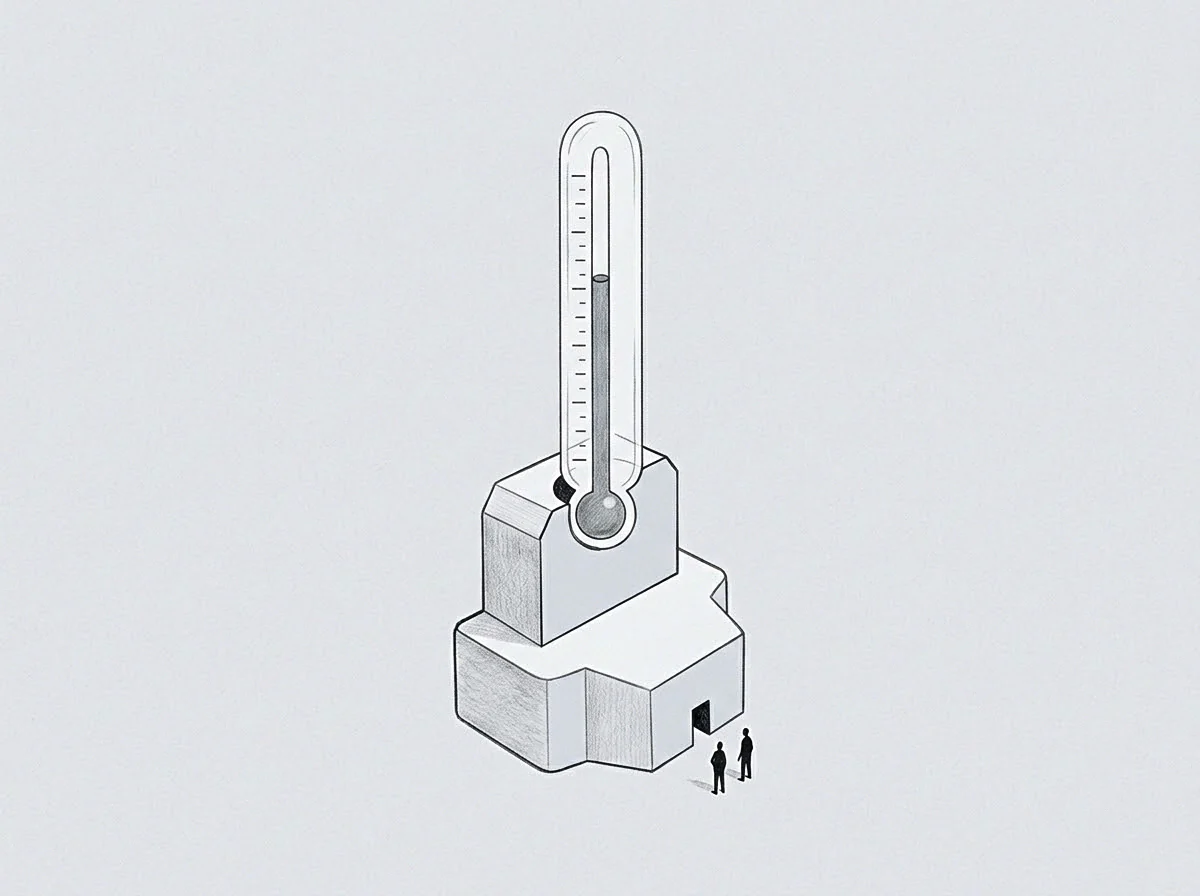
Autonomic tuning in the absence of co-regulatory buffering
Vagal nerve regulation adapts to long solo assignments by narrowing baseline arousal bands. Ventral vagal complex activation, which supports social engagement and physiological calm near familiar partners, downregulates through disuse. Consequently, sympathetic arousal becomes the primary driver for impulse control and focus.
The operator maintains focus through continuous endogenously driven effort rather than through the passive calm afforded by social presence. This state of persistent tonic arousal consumes metabolic reserves rapidly, limiting the systemic capacity available for emotional nuance or dyadic attunement.
Systemic recovery remains delayed when an operator re-enters dyadic environments without accounting for this recalibration. Expecting immediate physiological alignment with a partner produces acute neural friction. The solo-calibrated baseline processes relational cues as additional sensory inputs requiring active management rather than co-regulatory relief.
Operating on a solo regulatory template while living in a high-contact environment increases allostatic load rather than reducing it.

Vault
Systemic adaptation to long solo execution locks the neuroendocrine system into defensive containment. Within this physiological state, glucocorticoid secretion patterns flatten, suppressing the natural diurnal variance required for energetic flexibility. The central nervous system filters relational contact through threat-assessment pathways.
A partner’s attempt at comforting presence registers at the brainstem level as an ambiguous sensory disruption that requires active monitoring.
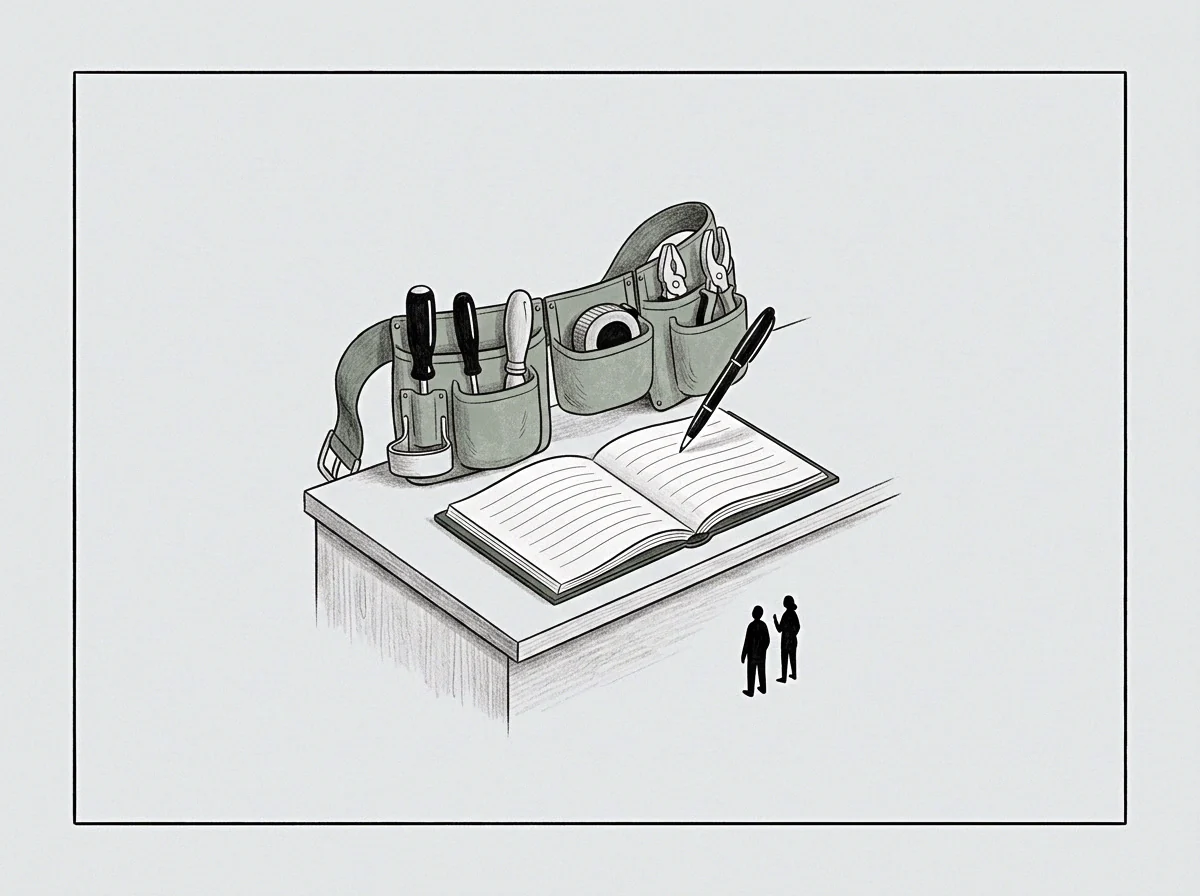
Receptor dynamics and the mechanics of proximity threat
Oxytocin receptor densities in the basolateral amygdala and anterior cingulate cortex decline when relational signaling is absent over extended periods. This downregulation alters how the brain processes physical proximity. In a functional dyadic environment, oxytocin binding dampens amygdalar output, suppressing sympathetic nervous system activity and signaling safety.
When long isolation reduces receptor availability, incoming relational signals fail to engage this dampening cascade. The physical presence of another person produces an unbuffered surge in autonomic arousal, elevating blood pressure and triggering subcortical avoidance responses.
The internal working model of the operator settles on a template where safety requires absolute self-containment. Interpersonal signals that typically induce relaxation are categorized as metabolic liabilities. The brain assesses that processing another person’s emotional state, body language, and vocal cues consumes more energy than the system has available.
The operator stays in a posture of continuous self-monitoring, where even silent companionship induces measurable physiological strain.
- Allostatic Throttling occurs when the neuroendocrine axis deliberately suppresses recovery processes to maintain operational readiness under continuous low-grade threat perceptions.
- Ventral Vagal Suppression manifests as a persistent inability to engage involuntary facial micro-expressions and vocal prosody shifts during relational contact.
- Glucocorticoid Flattening reflects the loss of sharp morning cortisol spikes and steep evening drops, indicating severe systemic inflexibility in energy management.
- Attunement Resistance represents the specific neurobiological refusal to synchronize cardiac and respiratory rhythms with a primary dyadic partner.
A limit stated before systemic exhaustion preserves the structural capacity needed to rebuild regulatory elasticity.
This state of internal containment continues until the neuroendocrine architecture receives consistent, low-demand signals over extended timeframes. Forcing immediate dyadic intimacy bypasses the biological steps necessary for receptor re-expression. The operator cannot simply choose to accept comfort; the underlying neural machinery must gradually re-learn that proximity does not represent an uncompensated energy drain.
Interventions that fail to account for these physiological limits consistently lead to acute autonomic overload and functional withdrawal.
The margin between operational efficiency and long-term neuroendocrine rigidity is narrow. Operators who excel at solo execution frequently construct systemic containment so complete that returning to shared regulatory spaces causes deep physical exhaustion. The brain maintains its solitary defense posture absent clear evidence that the environment has permanently changed.
The metabolic cost of this physiological containment is drawn directly from the operator’s energy reserves, reducing capacity that would otherwise support cognitive clarity, cellular repair, and emotional availability.
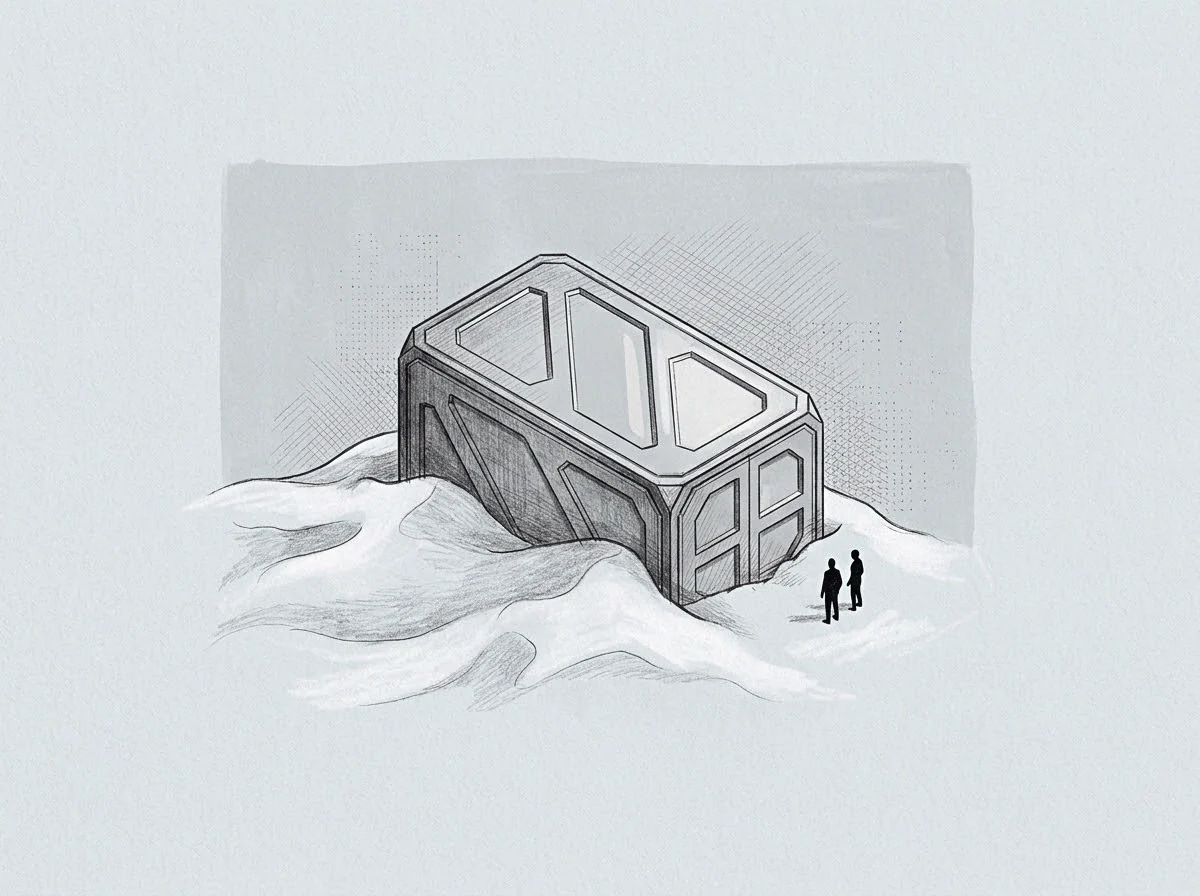
Reentry
Transitioning from prolonged isolation directly into an active dyadic regulatory space causes an immediate neuroendocrine mismatch. The partner in the dyad typically operates on a baseline expectation of mutual physiological relief, anticipating that shared presence will lower stress for both individuals. The returning operator carries an internal regulatory system calibrated to treat external inputs as demands rather than resources.
The collision between these opposing neurobiological states determines whether the environment supports genuine recovery or accelerates systemic breakdown.
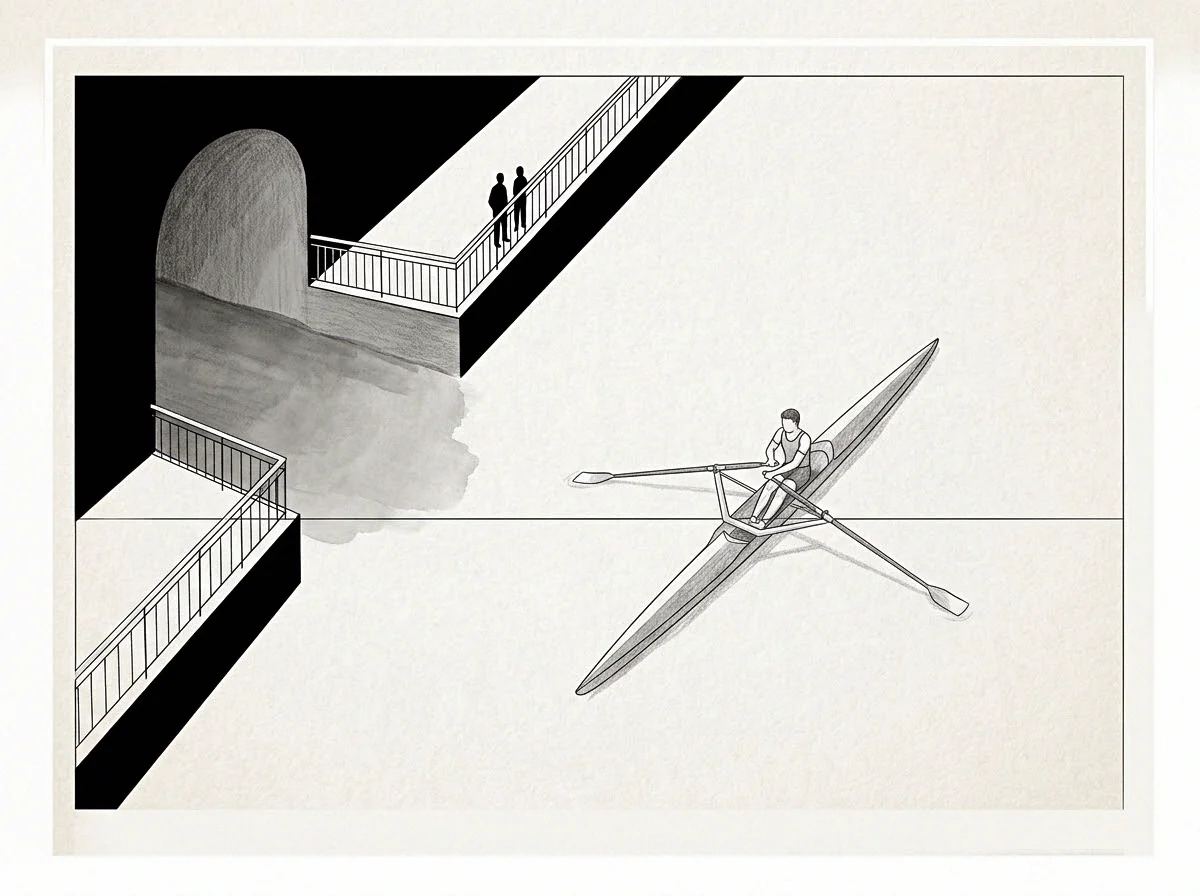
Dyadic regulatory profiles under structural shift
Comparing the physiological mechanisms of a solo operational state against a functional co-regulatory baseline illustrates the specific tension points that emerge during transition.
| Physiological Metric | Solo Operational Calibration | Dyadic Co-Regulatory Baseline |
|---|---|---|
| HPA Axis Reactivity | Hyper-reactive to ambient sensory changes; high tonic glucocorticoid output. | Buffered by social presence; baseline cortisol regulated via shared threat monitoring. |
| Autonomic Tone | Sympathetic dominance with low parasympathetic heart rate variability. | Ventral vagal dominance with high heart rate variability during proximity. |
| Neuropeptide Processing | Downregulated central oxytocin and vasopressin receptor sensitivity. | Active oxytocin signaling suppressing amygdalar output during contact. |
| Metabolic Budgeting | High energy expenditure for continuous solo threat evaluation. | Low energy expenditure via shared environmental monitoring and mutual relief. |
When these two profiles interact in close physical proximity, the operator’s physiological response frequently catches both parties unprepared. The partner’s physical presence triggers a transient surge in sympathetic arousal for the operator. The operator’s brain treats relational bids, vocal variations, and physical touch as data points that require active decoding and evaluation.
Energy spent maintaining this relational vigilance prevents the operator from reaching rest.
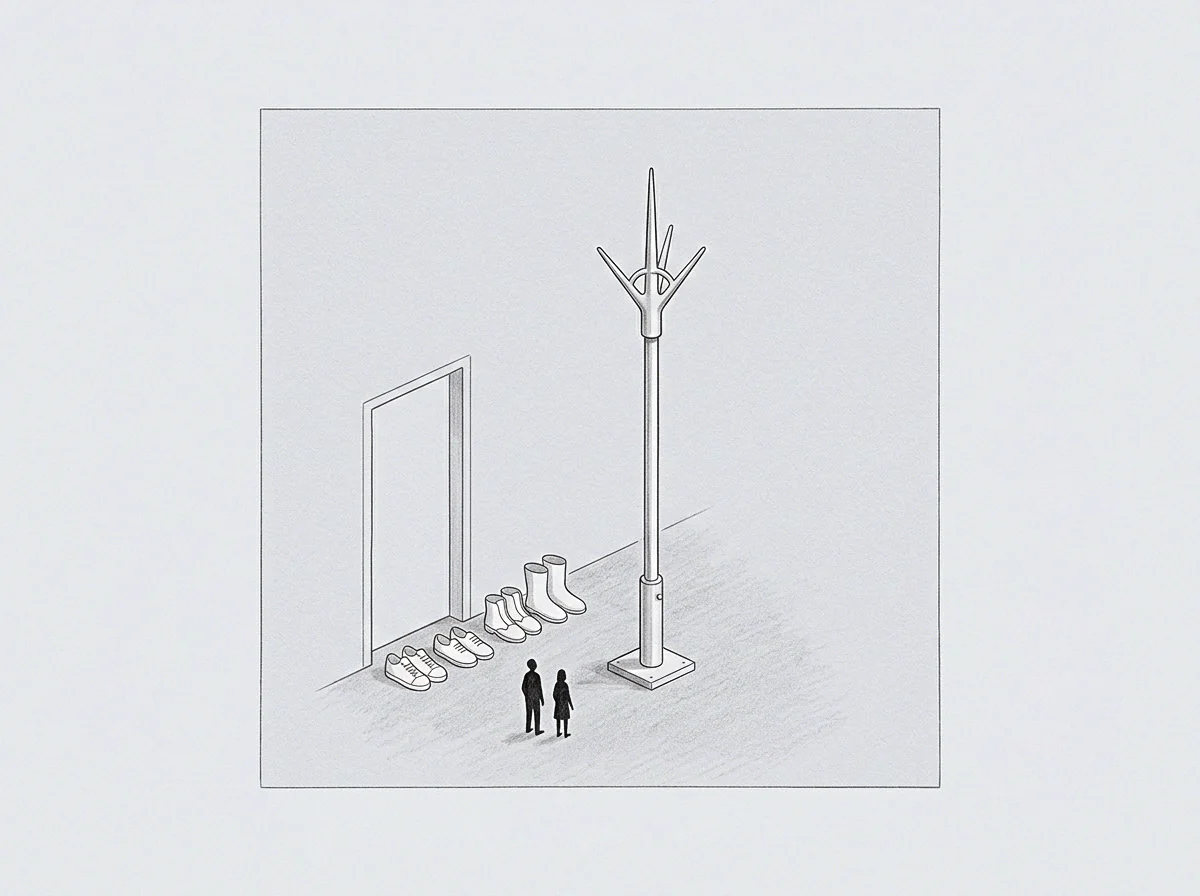
Can Dyadic Co-Regulation Overwrite Solo Calibration?
Re-establishing joint regulatory pathways depends on the pace and intensity of relational exposure. Direct attempts to restore immediate high-level intimacy usually fail because they exceed the capacity of downregulated neuroendocrine receptors. Updating the baseline requires Titrated Regulatory Exposure, introducing physical presence without demanding active engagement or emotional processing from the operator.
Passive co-presence, such as sharing a room while working on separate tasks, allows the central nervous system to register safety without triggering defensive sympathetic spikes.
A regulatory environment demands energy whenever presence requires active emotional management.
The partner’s regulatory system also carries a substantial load during this adjustment. When bids for connection meet autonomic stiffness or cognitive distance, the partner’s brain registers a lack of reciprocity, increasing their own sympathetic arousal and relational bids. This creates a feedback cycle where both individuals incur elevated metabolic costs while trying to pull the other toward their respective baseline postures.
Breaking this cycle requires treating the initial recovery period as a low-demand physiological recalibration rather than an immediate return to relational normalcy. The physical arrangement must allow for partial withdrawal without penalty. When the operator can titrate proximity according to internal physiological capacity, the central nervous system gradually downregulates defensive monitoring.
Over time, passive, unthreatening proximity allows oxytocin receptor sensitivity to recover, enabling genuine co-regulation to resume.
The operator is physically present in the room but remains isolated within the solo regulatory state.

Mismatch
Long-term neuroendocrine recovery limits become clear when an operator attempts to maintain high operational output while meeting the relational demands of a dyad. The central nervous system cannot run opposing regulatory templates at full capacity simultaneously. Sustaining the hyper-vigilant posture required for solo operational survival while attempting the flexible attunement needed for dyadic co-regulation leads to rapid allostatic overload.
While often misattributed to executive burnout or emotional detachment, the underlying mechanism is neurobiological.

Mechanisms of persistent systemic exhaustion
The neuroendocrine system encounters an absolute boundary when glucocorticoid receptor downregulation coincides with sustained sympathetic activation. In this state, the body loses the ability to utilize endogenous cortisol for inflammation control and metabolic regulation. The operator experiences systemic fatigue combined with hyper-arousal, where physical rest fails to yield cellular restoration.
The brain remains on high alert while physical reserves are insufficient to sustain the posture.
- The central nervous system categorizes all relational interactions as work because each interaction requires conscious autonomic override.
- Baseline parasympathetic tone drops below the threshold required to initiate deep sleep cycles, preventing nocturnal neuroendocrine reset.
- Endocrine signaling pathways become insensitive to homeostatic feedback loops, maintaining elevated baseline stress responses regardless of external safety.
- The operational capacity of the dyad degrades as both parties expend excessive energy attempting to bridge the physiological gap.
Recovery is constrained by the routine micro-strains of daily relational life. Small disruptions, emotional conversations, or sudden demands for attunement trigger disproportionate autonomic responses in the operator. Lacking regulatory margin, the system responds with sharp irritation or complete emotional withdrawal, defensive efforts by an exhausted nervous system attempting to limit further energy loss.
Systemic capacity determines the maximum complexity of relational inputs a nervous system can integrate.
Restoring elasticity to a compromised neuroendocrine axis requires structural adjustment rather than brief periods of rest. Time off spent in high-demand relational settings often increases exhaustion because the operator remains exposed to constant regulatory demands. Biological recovery requires titrating operational load and relational intensity simultaneously, providing the central nervous system with prolonged exposure to low-input environments.
The recovery process follows a timeline set by cellular and neuroplastic turnover rather than conscious intent. Glucocorticoid receptor resensitization and ventral vagal pathway restoration require months of consistent, low-demand conditions. Expecting rapid recovery simply because operational pressures have temporarily eased misjudges stress physiology.
The neuroendocrine system updates its safety parameters slowly, requiring predictable, non-threatening experiences before dismantling its defensive posture.
Presence without demand allows the baseline to settle faster than forced interaction.
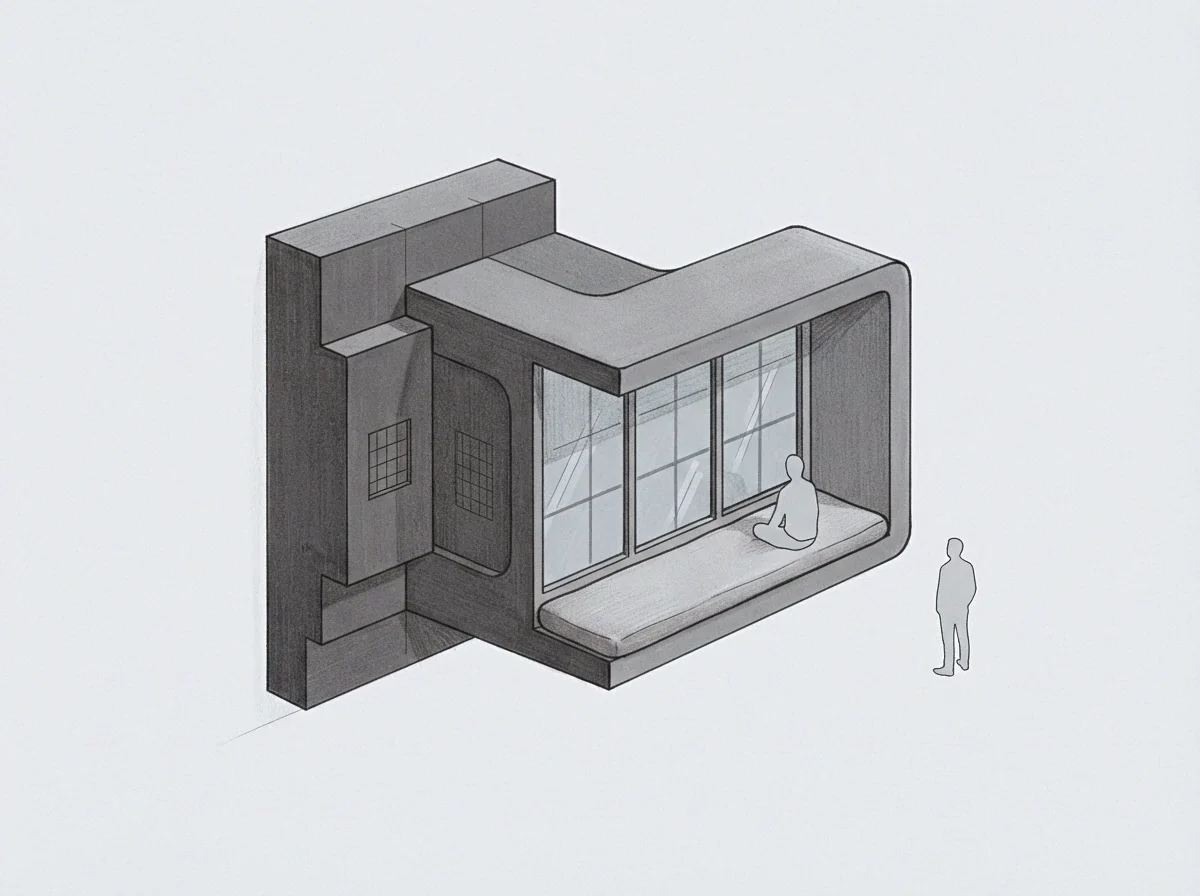
Margin
Establishing neuroendocrine margin requires an operator to build a secondary regulatory template alongside the solo operational template. This secondary template develops through repeated physical experience rather than cognitive understanding. Knowledge of social baseline theory alone does not update a downregulated oxytocin receptor network.
The update requires structured, low-intensity exposure to dyadic safety over extended periods, establishing earned security at the physiological level.

The structural construction of earned security
Earned security develops when the nervous system repeatedly experiences proximity that results in a net reduction in metabolic cost. The operator must encounter situations where presence with a dyadic partner explicitly decreases the energy needed to manage the environment. This transition begins with small micro-attunements: shared silent spaces, predictable non-demanding touch, and steady responses to autonomic withdrawal.
These interactions demonstrate to the brainstem that proximity no longer threatens metabolic integrity.
The operator’s internal working model shifts from a solo-only template to a dual-mode template. In operational environments, the system activates necessary sympathetic arousal and solo threat monitoring. Upon returning to the dyadic environment, it recognizes familiar safety signals, allowing ventral vagal complex activation to lower the physiological cost of regulation.
This flexibility indicates neuroendocrine recovery.
The ceiling on recovery depends on the total volume of historical allostatic load the system has carried. Operators who spent years in continuous, high-intensity operational isolation may retain permanent changes in baseline reactivity. For these individuals, a full return to an unconditioned co-regulatory state is biologically unrealistic.
The practical objective is managing the systemic boundary effectively, recognizing when operational capacity is spent, and structuring the dyadic environment to minimize physiological friction.
Building long-term margin requires protecting the titrating space. Both the operator and the partner must recognize that full relational attunement cannot be sustained continuously during high-load operational cycles. Stating clear limits regarding availability, solitude, and physical proximity prevents energy depletion across the dyad.
The dyad recovers not by forcing immediate intimacy, but by operating within the biological constraints of the neuroendocrine system.
What biological ceiling governs the absolute rate of glucocorticoid receptor re-expression in operators returning to high-demand dyads after years of continuous operational isolation?