
Restoring Autonomic Safety After High Stress Isolation
Autonomic safety after high-stress isolation requires repeated low-demand physical proximity to downregulate chronic sympathetic vigilance.
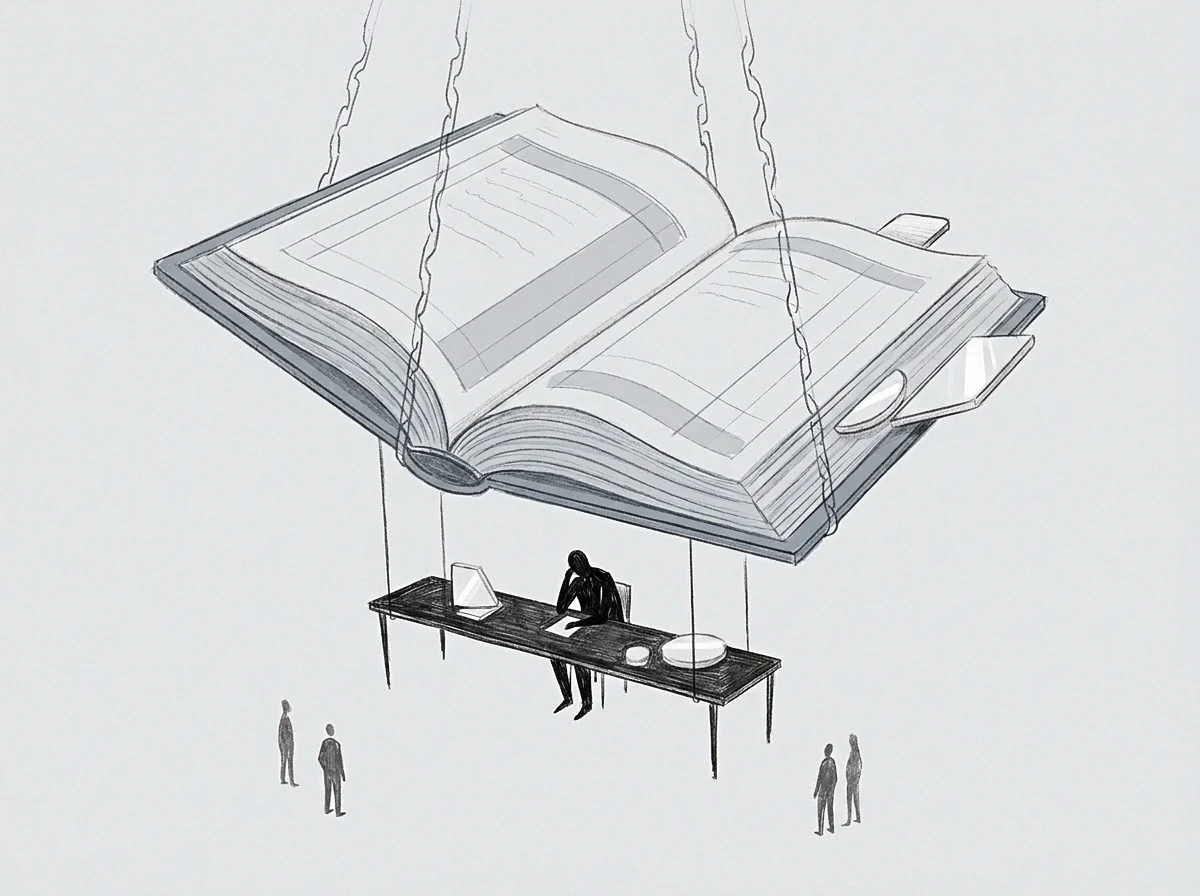
Vigilance
Solitary command under extended threat forces the central nervous system to manage every operational variable without external biological support. Operating without a reliable peer or co-regulator causes the mammalian brain to reallocate glucose, alter sympathetic baseline tone, and suppress restorative parasympathetic activity. This shift reflects an evolutionary adaptation to isolation: without a trusted social baseline, environmental monitoring cannot pause.
The human brain treats social contact as the default metabolic condition. Removing that contact during high operational stakes forces the brain to recalculate the expenditure required to survive. Every potential hazard must be tracked individually rather than distributed across a collective perceptual field, causing cortisol secretion to flatten into a high plateau while heart rate variability drops.
Prolonged isolation under operational pressure recalibrates the autonomic set point toward perpetual sympathetic readiness.
Isolation forces solitary metabolic accounting. When operational pressure finally ceases, this heightened autonomic state does not dissolve on command. The physiological infrastructure of alarm remains active because the brain has not received the specific somatic cues that confirm safety.
An individual sitting alone in a quiet room often experiences racing cognition, muscular tension, and fragmented sleep, interpreting these symptoms as personal failure rather than the predictable consequence of an overburdened nervous system.
Metabolic Consequences Of Solitary Threat Management
Extended solitary responsibility converts acute emergency responses into systemic baselines. The hypothalamic-pituitary-adrenal axis sustains elevated systemic output, releasing glucocorticoids that alter peripheral tissue sensitivity and immune response profiles. Under normal conditions, social proximity suppresses amygdala reactivity during acute challenge.
In isolation, the unbuffered amygdala maintains uninterrupted sympathetic outflow. Over months of unshared liability, peripheral vascular resistance climbs while digestive and cellular repair processes decelerate.
Unshared burdens double metabolic expenditure. A founder managing payroll shortages, technical failures, or enterprise survival alone experiences every event as a direct demand on personal biology. The autonomic nervous system lacks the dampening provided by a shared gaze, an aligned posture, or an empathetic voice.
Operating continuously in this state produces an exhaustion marked by an inability to settle rather than a simple need for sleep, leaving the individual locked in defensive arousal after the threat ends without biological resolution.

Desk
The immediate physical environment of operational isolation becomes conditioned to threat. Furniture, screens, lighting, and hardware accumulate associative autonomic triggers through thousands of hours of high-arousal problem solving. An operator stepping into an office after months of solitary strain immediately shows elevated peripheral vasoconstriction and altered breathing patterns, as the body prepares for crisis before cognitive evaluation begins.
Environmental deconditioning requires deliberate disruption of these physical spaces. The central nervous system binds survival vigilance to specific sensory inputs: the chime of incoming notifications, the posture of sitting before monitors, and the artificial luminescence of midnight workspaces.
Habitual work surfaces retain the somatic cues of operational defense long after active danger subsides.
Physical disengagement from these environments initiates autonomic decompression, though initial attempts often provoke paradoxical agitation. Three distinct physiological manifestations regularly appear when an operator abruptly leaves solitary command:
- Sympathetic backfire manifests when the sudden removal of pressing stressors deprives the nervous system of external focal points, leaving unspent catecholamines circulating through peripheral tissues without an operational channel.
- Sensory exhaustion surfaces as an extreme intolerance for auditory, visual, or interpersonal inputs, reflecting an overloaded nervous system defending its remaining attentional capacity against further stimulation.
- Somatic collapse arrives as profound motor fatigue, deep muscular aches, and unyielding lethargy once the dorsal vagal complex forces metabolic conservation upon an overextended system.
Decompressing the immediate workspace requires changing physical layouts, altering sensory defaults, and establishing strict operational boundaries that prevent professional obligations from penetrating physical spaces designated for restorative rest. Removing electronic communication devices from resting areas enforces an operational curfew that insulates the sleeping body from nocturnal adrenaline surges.
Debt
Allostatic accumulation represents the biological sum of unshared operational friction over time. The body does not absorb systemic strain without registering physical depreciation across cardiovascular, neuroendocrine, and metabolic pathways. When high-threat problems are resolved entirely alone, the organism expends significantly more cellular energy than when identical challenges are managed alongside trusted peers.
Social baseline theory demonstrates that physical proximity to dependable humans measurably decreases neural threat perception. Conversely, solitary problem solving forces the individual to fund the entire bioenergetic requirement from private physiological accounts. The autonomic nervous system measures distance.
Solitary threat management extracts twice the bioenergetic fuel compared to collaborative load sharing.
The physical divergence between solitary and socially buffered operational states appears across multiple physiological markers:
| Autonomic Metric | Solitary Operational State | Social Baseline State |
|---|---|---|
| Hypothalamic-Pituitary-Adrenal Output | Sustained cortisol elevation with flattened diurnal slope | Pulsatile cortisol response with rapid post-stress clearance |
| Heart Rate Variability | Suppressed high-frequency band indicating vagal withdrawal | Preserved high-frequency power indicating active vagal brake |
| Amygdala Activation Threshold | Sensitized trigger with prolonged recovery latency | Dampened reactivity under identical objective threat |
| Peripheral Vascular Resistance | Sustained vasoconstriction maintaining elevated baseline pressure | Transient arterial constriction clearing quickly upon resolution |
Reversing this biological imbalance requires understanding that solitary endurance creates a physiological deficit that cognitive rationalization cannot resolve. The central nervous system requires verifiable sensory evidence of safety before releasing its defensive stance. Outwardly, a passing crisis suggests normal functioning should return immediately, yet physiological debt remains accumulated behind the resolution.
Contact
Re-establishing interpersonal connection after severe operational isolation presents immediate physiological hurdles. An individual adapted to total self-reliance interprets incoming social overtures as potential demands on depleted metabolic reserves. A friendly inquiry, an offer of assistance, or an invitation to collaborate can paradoxically trigger sympathetic defense or dorsal vagal withdrawal, as engagement is perceived as an obligation to perform or protect.
When silence registers as ambiguity, the internal regulatory template has inverted: the individual functions as a stabilizing baseline for others while lacking an open internal receptor to receive regulation from their environment. True restoration demands uncoupling contact from performance. Low-demand physical proximity allows the nervous system to sample the safety of another presence without defending against social evaluation.
A backwards regulatory template treats social proximity as an operational expenditure rather than a source of replenishment.
When reintroducing interpersonal contact, specific environmental conditions support the gradual reactivation of the ventral vagal social engagement system:
- Parallel presence establishes physical proximity without conversational demand, allowing autonomic systems to attune while keeping communicative exertion at zero.
- Non-evaluative interaction removes performance metrics from the shared environment, preventing the hyper-vigilant brain from categorizing the engagement as an operational trial.
- Shared physical cadence introduces synchronized low-intensity motor activities such as walking, which mechanically downregulates sympathetic tone through rhythmic bilateral movement.
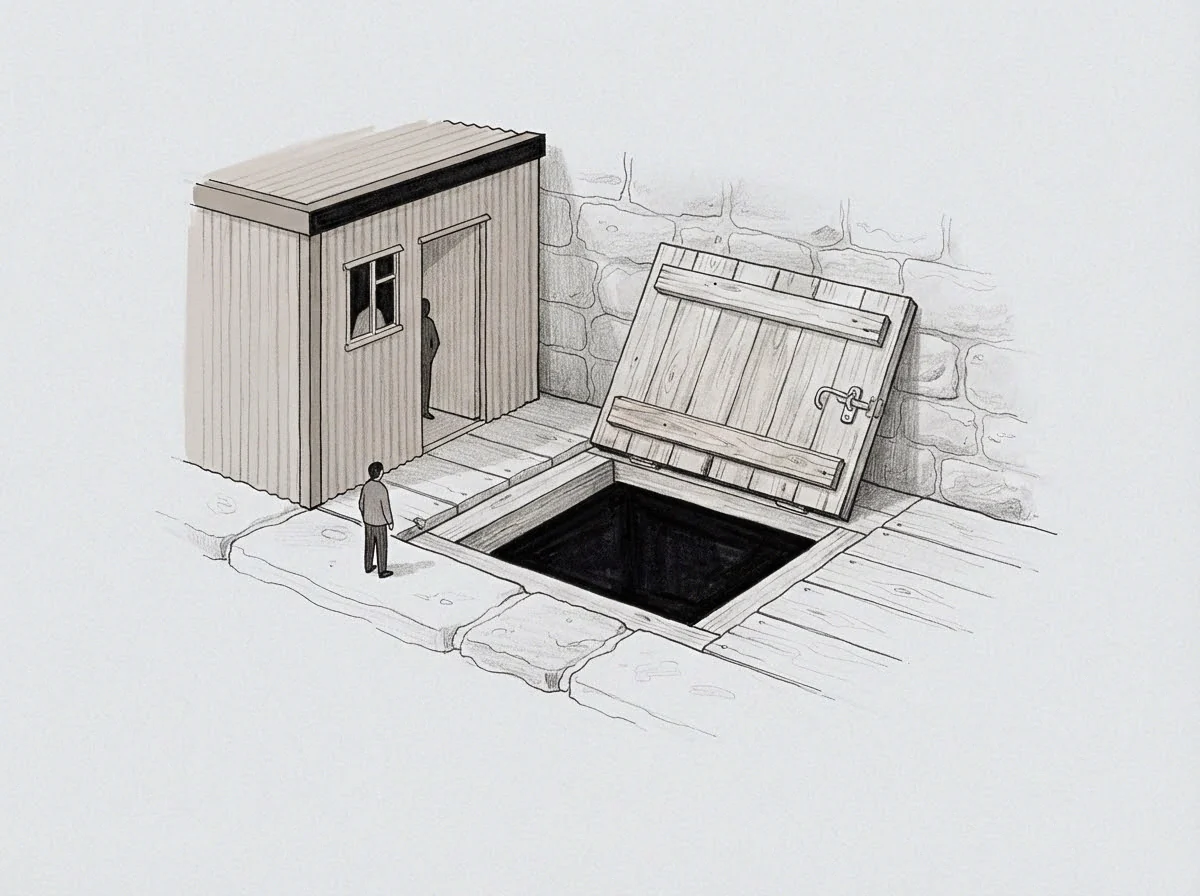
Can Autonomic Equilibrium Return Without Proximity?
Solo self-regulation techniques such as breath pacing, meditation, and physical exercise yield measurable autonomic benefits, yet they operate entirely within a solitary accounting framework. An individual using deliberate respiratory patterns dampens sympathetic arousal through conscious motor control, funding the entire effort from internal attentional stores. While these practices lower systemic arousal temporarily, they cannot replace the metabolic economy of a trusted social baseline.
Biological safety remains fundamentally interpersonal for a social mammal, and whether a solitary human can fully recalibrate allostatic equilibrium while isolated from reciprocal social proximity remains an open question in affective neuroscience.
Pace
Calibrating the rate of autonomic recovery demands deliberate friction against the impulse to accelerate reintegration. An operator emerging from months of high-stress solitary command routinely mistakes transient periods of low arousal for durable recovery, immediately committing to fresh operational obligations. This cycle produces sharp secondary collapses when the underlying autonomic architecture proves incapable of supporting the renewed burden.
Nervous systems rebuild regulatory capacity slowly, through repeated micro-exposures to non-threatening environments and dependable human presence. The ventral vagal complex, responsible for flexible social engagement and cardiac deceleration, strengthens only through cumulative somatic confirmation that defensive vigilance is no longer required. Forcing rapid social or professional immersion triggers reflex survival adaptations, locking the individual back into rigid defensive postures.
Restoring autonomic safety requires measuring capacity by somatic stability rather than intellectual ambition. When an operator tracks physical recovery through heart rate recovery times, digestive ease, and uninterrupted nocturnal rest, the pace of operational re-entry aligns with biological reality. The path of physiological restoration advances only as quickly as the body feels safe enough to stand down.