Meaning
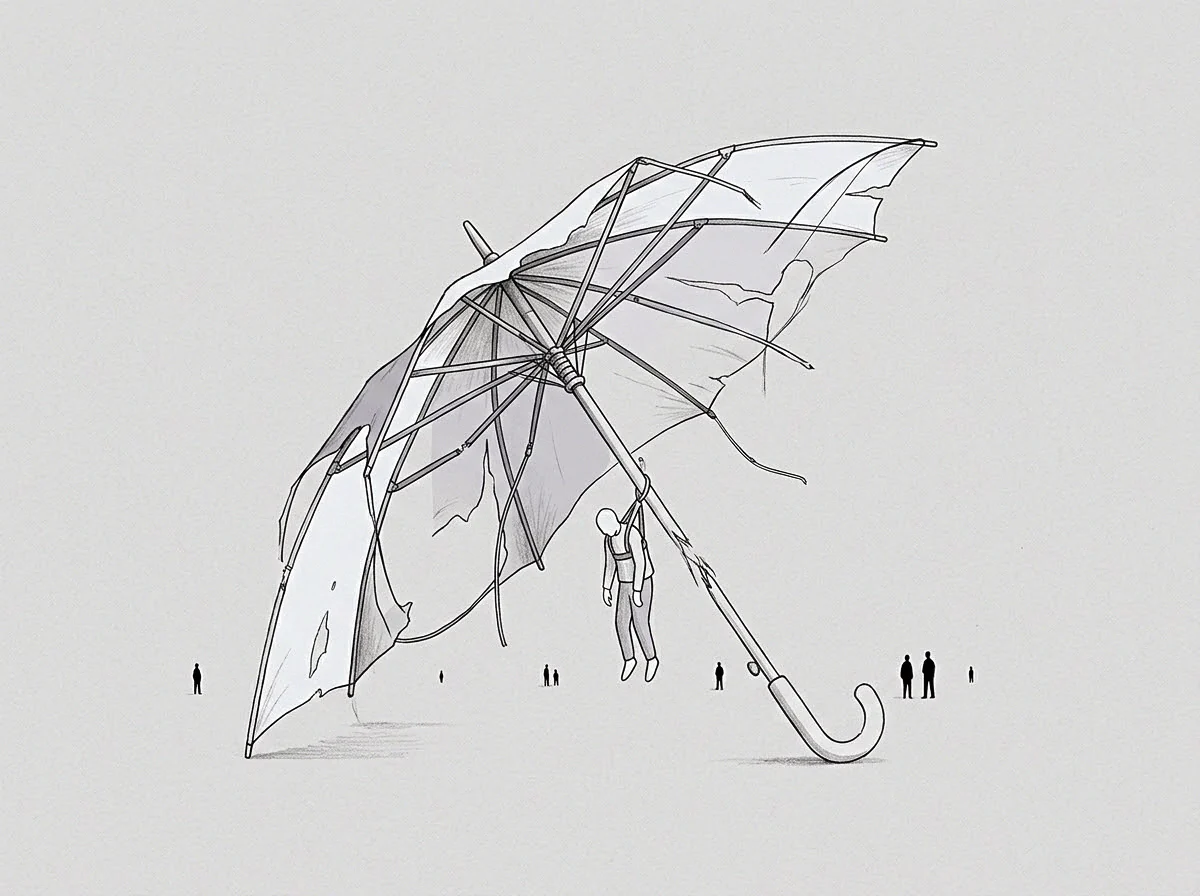
The cumulative physical and mental deterioration caused by chronic stress represents the long-term cost of sustained operational leadership. This slow decay of adaptive reserves, termed systemic wear, occurs when the body’s recovery periods are consistently insufficient to match the demands placed on it. It leads to a gradual decline in overall health and executive capability.
Operational Cost
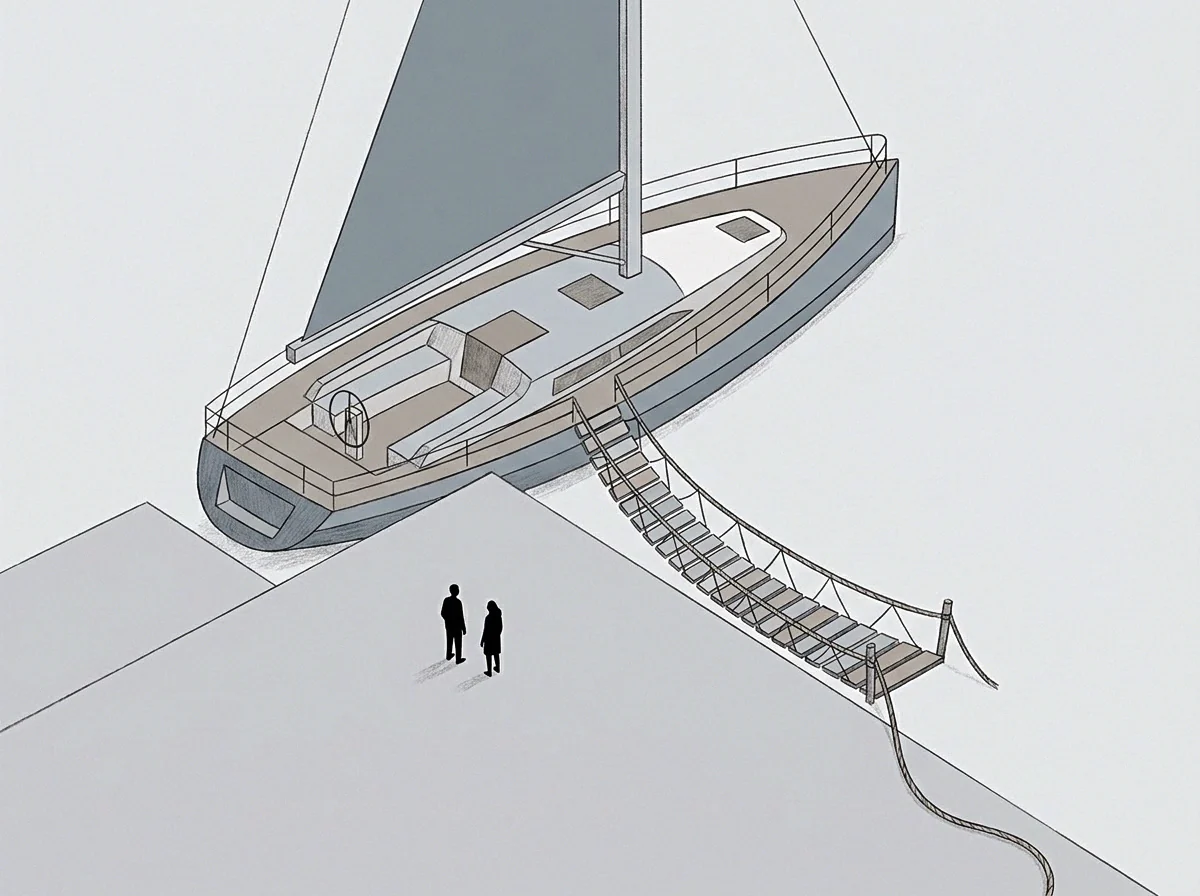
Sustained long-term deterioration carries the primary cost of permanent performance decline. As the damage accumulates, the executive requires more effort to achieve the same results, leaving fewer resources for strategic innovation. This reduction in efficiency eventually forces a scaling back of responsibilities or a complete exit from operational roles.
Systemic Impact
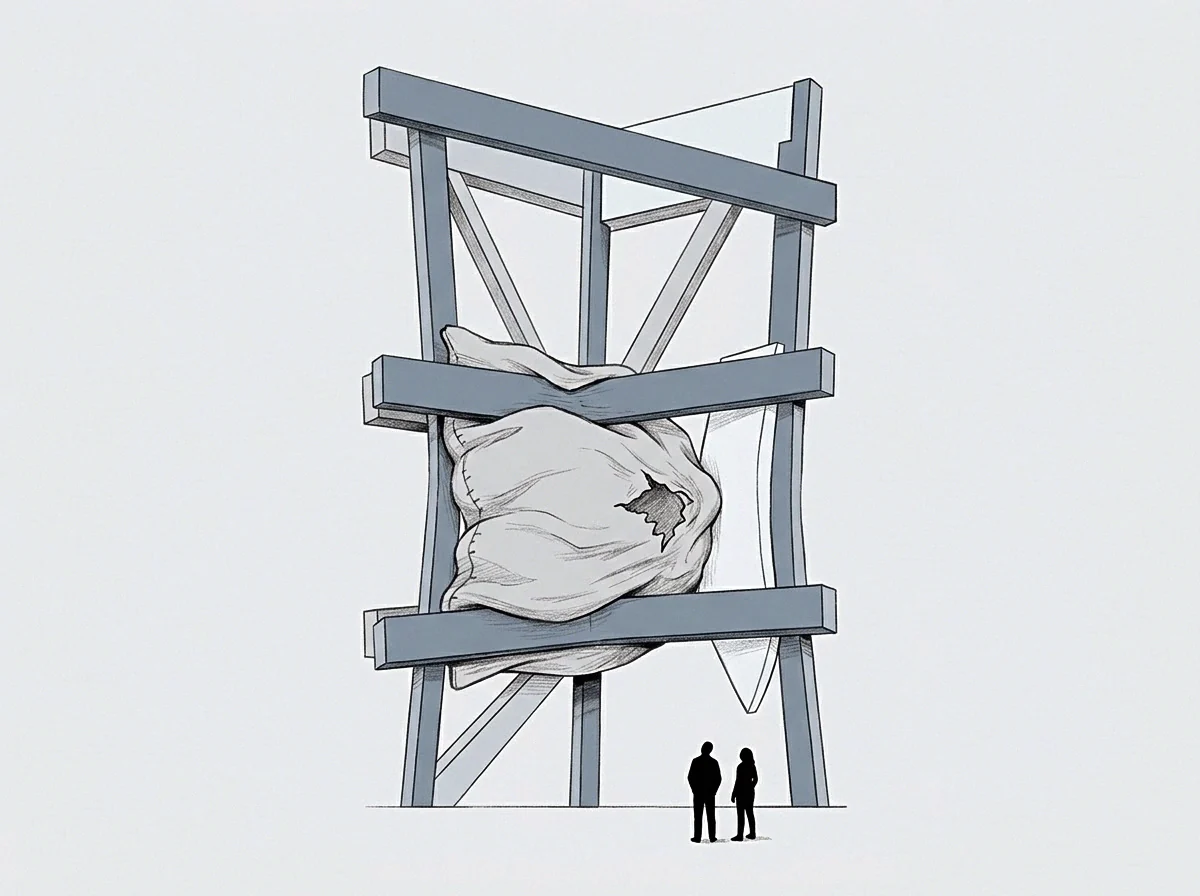
On a biological level, the continuous strain damages the cardiovascular and immune systems. This vulnerability results in more frequent illnesses and slower recovery times from minor physical setbacks. The persistent high-stress environment also impairs sleep quality and cognitive processing speed, creating a self-reinforcing cycle where the individual becomes increasingly unable to handle the daily demands of their position.
Over time, this makes the business itself more fragile.
Boundary Condition
This deterioration cannot be reversed by short vacations or temporary breaks. It requires long-term lifestyle changes and a permanent restructuring of the individual’s workload to allow the body to slowly rebuild its baseline resilience over months or years.