Meaning
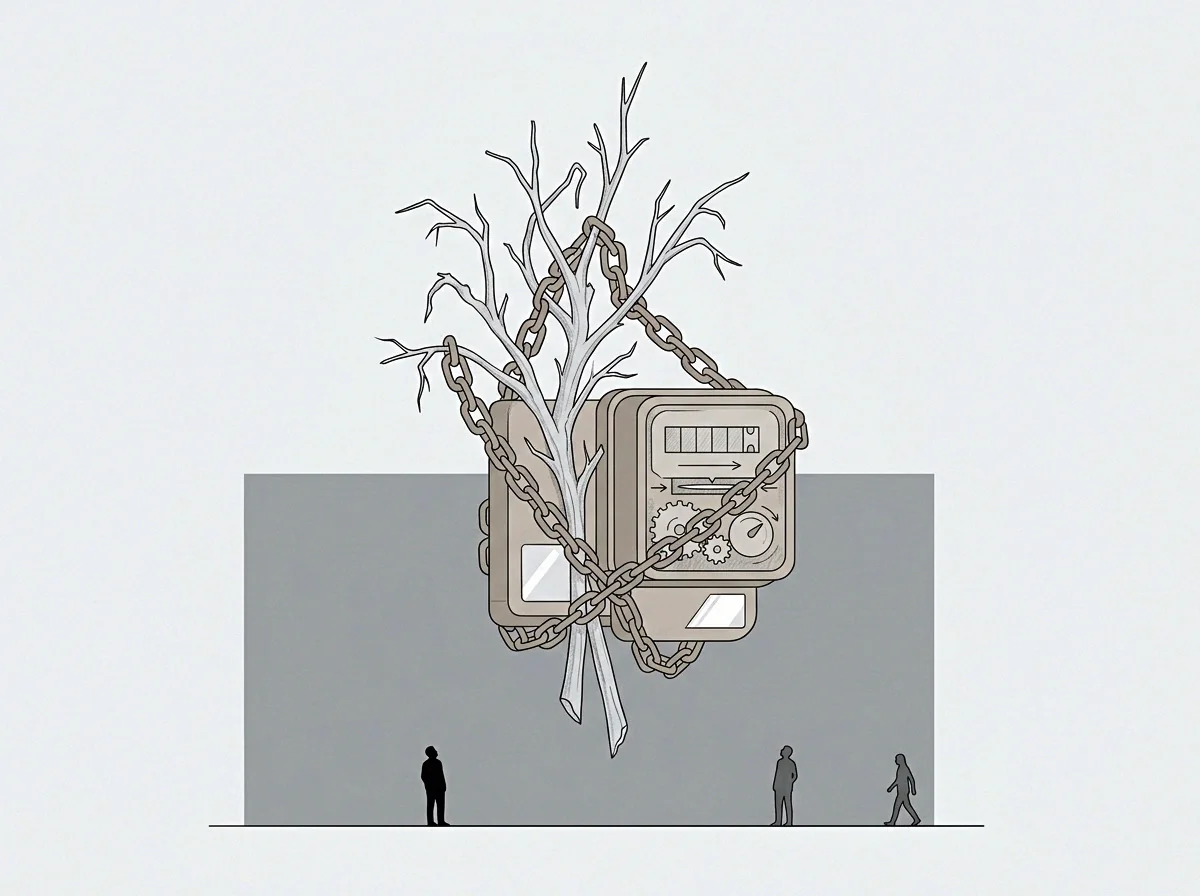
Standard configurations and protocols constitute the minimum level of protection required to maintain the integrity of a system against known vulnerabilities. When a person adopts baseline security, they establish a floor for risk management that permits the allocation of attention to higher level tasks. This standard defines the point where general protection ends and specialized defense begins.
Minimum Standard
Technical requirements for maintaining this floor include encrypted communication channels and strict access controls. Adherence to baseline security ensures that basic threats do not consume the limited energy a founder possesses for strategic decisions.
Resource Cost
Sustaining these protections requires a constant expenditure of attention and financial capital. While the initial setup is heavy, the ongoing maintenance of baseline security functions as a predictable tax on organizational capacity. It forces a trade off between speed and safety that remains constant throughout the life of the firm.
Application Boundary
Protections reach their limit when faced with novel exploits or targeted social engineering that bypasses standard filters. Because baseline security focuses on known patterns, it provides no defense against zero day attacks or internal sabotage where the attacker already holds valid credentials. The boundary of its utility is marked by the transition from automated monitoring to manual intervention when the cost of a breach outweighs the cost of total system lockdown.
Baseline security remains a static defense in a dynamic environment.