Meaning
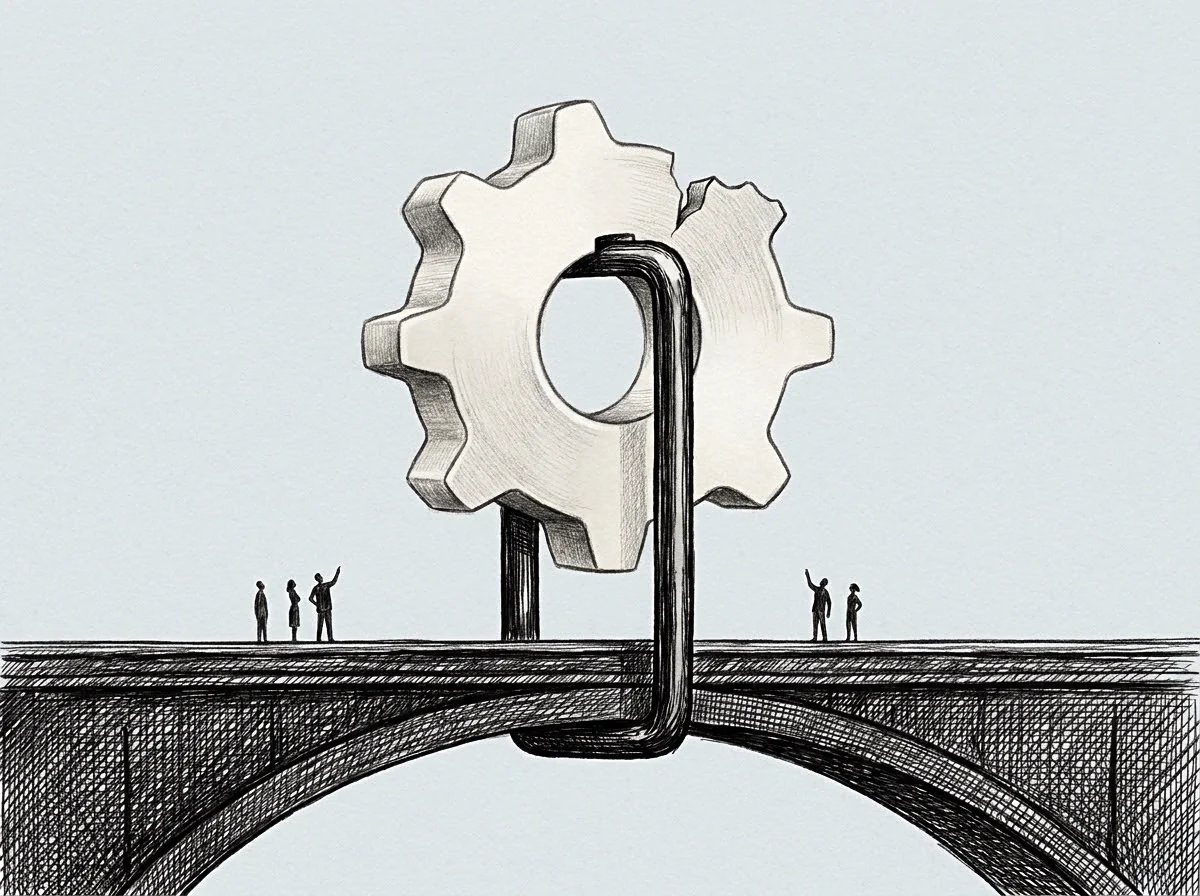
A probability distribution characterized by two distinct peaks where outcomes tend toward extreme success or complete failure. Founders facing bimodal risk must operate in an environment where the most likely results sit at the edges of the curve. This distribution renders traditional middle-ground hedging strategies ineffective because the system does not favor a moderate path.
Allocation Stress
Operating within this framework requires a high degree of psychological and financial resilience to withstand the lack of incremental progress. Because bimodal risk removes the safety of the mean, every decision carries the weight of a binary outcome. A founder spends extensive energy managing the tension between total loss and maximum gain.
This state forces a continuous recalibration of the social baseline to ensure the person remains functional during long periods of uncertainty.
Mitigation Strategy
Structural responses for this specific risk profile involve the creation of hard limits that prevent a single failure from terminating the entire project. The practice of building structural fences allows a practitioner to engage with extreme variables without exposing their total capacity to a single event. It requires a disciplined approach to capital deployment where the potential for a zero result is accepted as a baseline condition of the activity.
By acknowledging the absence of a bell curve, the individual can focus on surviving the troughs between the peaks.
Attention Cost
Hours spent analyzing low-probability but high-impact events define the load of the role. This cognitive burden persists even when no active crisis is present.