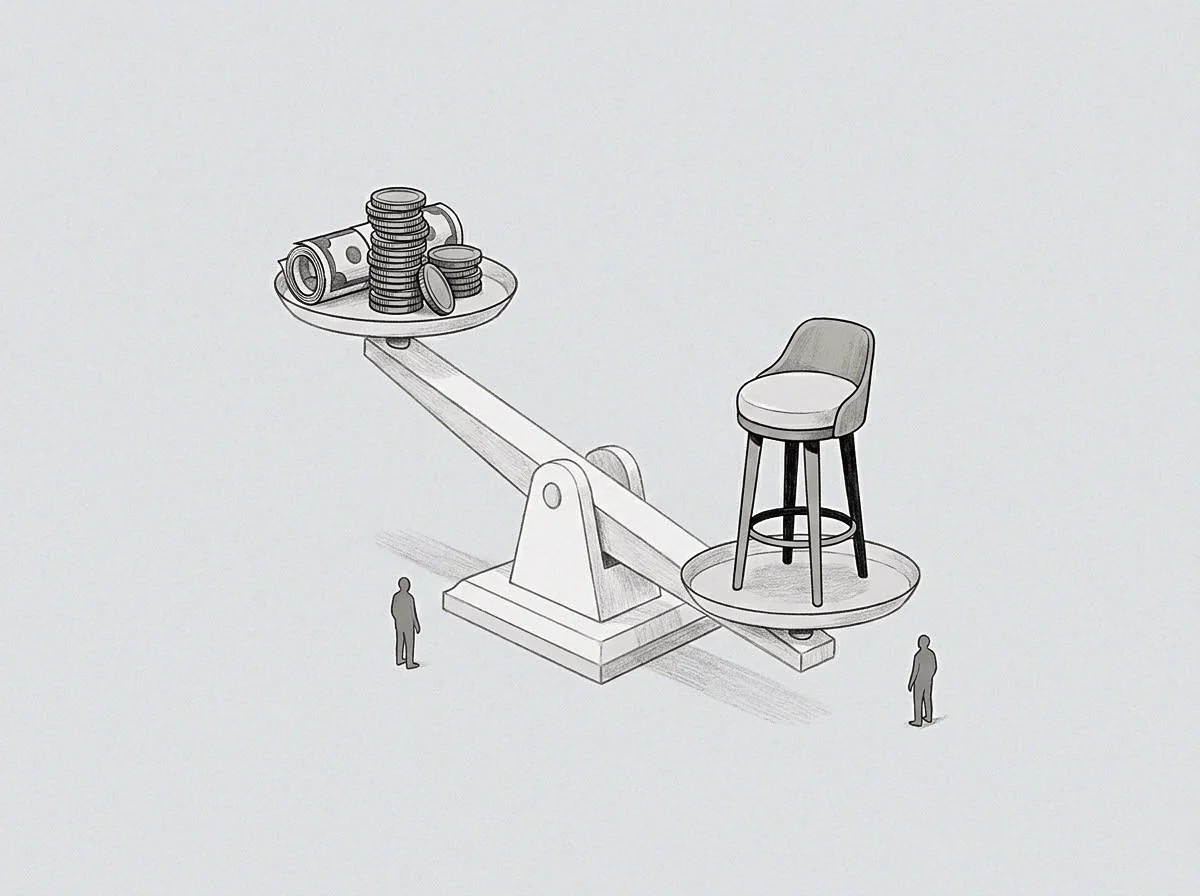
Meaning
Physiological wear and tear is the direct result of prolonged states of heightened alertness during corporate crises. The biological cost of vigilance measures the neuroendocrine and cardiovascular burden borne by an individual who must remain constantly prepared for operational threats. Chronic preparedness drains systemic energy and reduces executive performance over time.
Systemic Depletion
Autonomic stress responses remain active when an individual expects negative surprises from partners or regulators. Under these conditions, the biological cost of vigilance accumulates because the body cannot return to its baseline rest state. The sustained energy expenditure reduces the executive capacity for long-term strategic planning, forcing the operator to focus only on immediate crises.
Over weeks or months, this leads to chronic sleep disruption, executive fatigue, and immune system suppression.
Performance Limit
Critical decision-making capacity decreases rapidly when the physical nervous system is forced into continuous activation. High-stakes negotiations require cognitive flexibility that is unavailable under intense allostatic load. Impulsive choices often result from this neural fatigue.
Recovery Method
Scheduled periods of complete operational disconnect are required to reverse the physical impact of prolonged alertness. When an executive delegates all decision-making authority for a fixed period, the body can finally disengage from the threat-response cycle. This intervention resets the baseline of the central nervous system.