Meaning
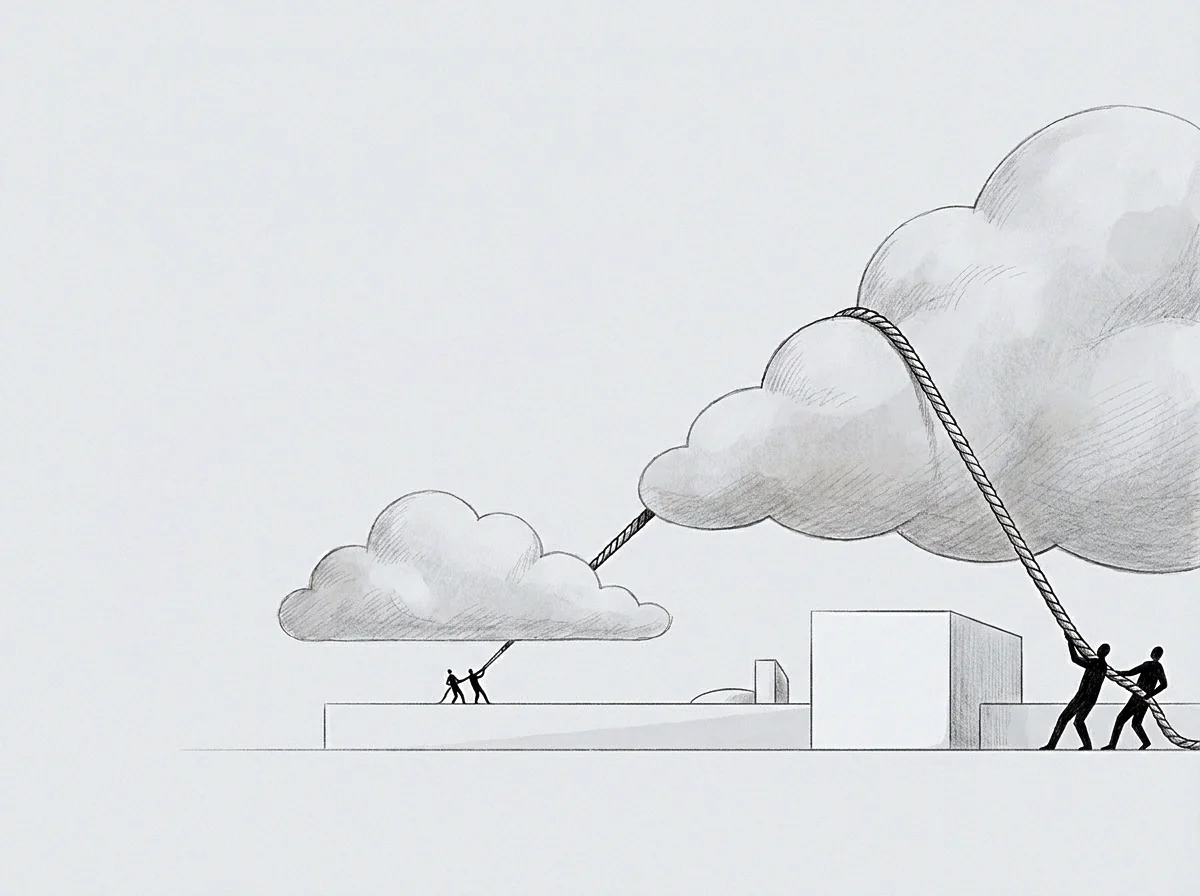
A structural process establishes limits between professional obligations and personal capacity to preserve long-term operational viability. The act of boundary definition involves identifying the specific points where external demands must be rejected to protect internal resources. It creates a predictable environment for both the leader and the organization.
By clarifying what is and is not within the scope of a role, the practitioner reduces the friction of daily decision making. This application stops being effective when the boundaries are not communicated or lack consequences for violation.
Spatial Separation
Physical environments dedicated to specific types of work help reinforce the mental state required for those tasks. When boundary definition includes the separation of home and office, the brain more easily transitions out of a high-arousal state. This reduces the total hours spent in a state of professional readiness.
Relational Constraint
Interactions with stakeholders follow a set of rules that govern availability and the depth of involvement. If a boundary is crossed, the individual must reassert the limit immediately to prevent the behavior from becoming a new standard. Maintaining these constraints costs attention in the short term but saves measurable energy over months.
Integrity Maintenance
Preservation of the self requires a consistent application of rules across different contexts and pressures. Boundary definition ensures that the person remains a distinct entity from the organization they built. Without this distinction, the founder risks total identification with the company performance.