Meaning
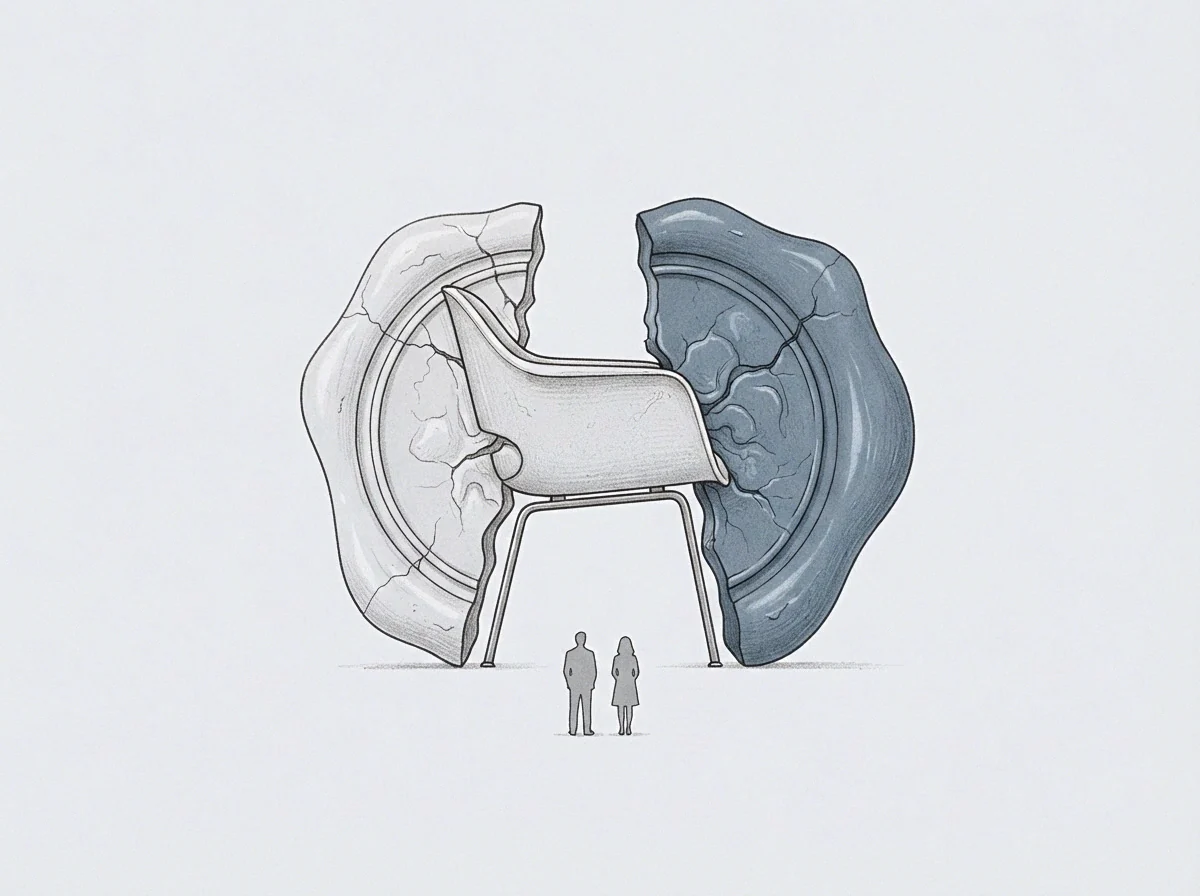
Boundary friction is the degree of resistance occurring at the interface between the operational domain of a post-founding entity and the personal capacity of its principal actor. This boundary friction measures the cognitive and structural drain imposed when professional requirements overlap with the regulatory needs of the individual. It governs the transition from systemic demands to personal maintenance, setting a hard limit on the amount of attention a single role can sustain before performance degrades.
Cognitive Load
The intensity of this resistance fluctuates according to the alignment between the actor and the established architecture of the organization. When the structure dictates rigid protocols, boundary friction consumes available hours and reduces the focus required for complex decision-making. High levels of this interference deplete the capacity of the actor to regulate their own state, forcing a withdrawal from external demands to restore personal equilibrium.
Regulatory Mechanism
Formal structures dictate how often these internal resets occur and whether the actor maintains a buffer zone to manage the influx of operational tasks. Boundary friction acts as a governor that forces an pause when the system imposes more weight than the individual physiological baseline can support. Practitioners regulate this by defining clear zones for separation, which effectively shifts the cost of operation from internal capacity to external system design.
Structural Consequence
Performance remains stable as long as the organization respects the ceiling of the individual. When the systemic load exceeds this threshold, boundary friction causes a sudden drop in output because the actor can no longer bridge the gap between competing professional and personal inputs. Constant exposure to this condition forces the individual to adopt defensive behaviors to avoid total capacity collapse.