Meaning
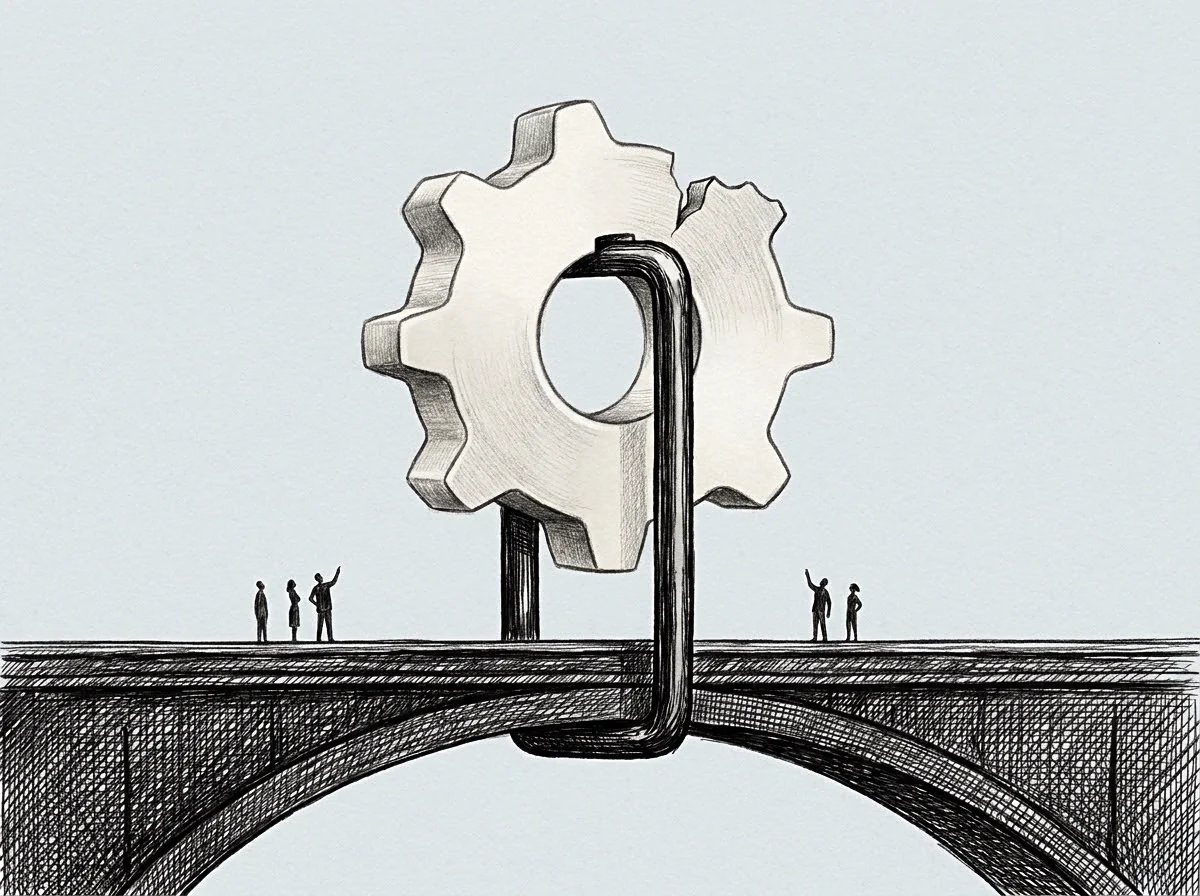
Capacity regulation constitutes the systematic imposition of upper limits on professional output or response time to preserve individual attention reserves. This bounded availability manages the depletion of cognitive energy by explicitly restricting the hours or channels through which a founder remains reachable. It functions as an allostatic control mechanism, preventing the physiological exhaustion that occurs when environmental demands exceed the recuperative capability of the person in the role.
Temporal Boundary
Scheduled windows for task engagement define the primary structural constraints for these individuals. Practitioners set periods for deep work by closing communication pathways to external inputs during specific cycles. This practice guards the high-order executive function necessary for complex decision making from the fragmented attention caused by constant incoming requests.
Such limits hold valid as long as the underlying agreement regarding expectations between the founder and external stakeholders remains clear.
Capacity Regulation
Cognitive load determines the necessity for these enforced limits. Total demand on an individual manifests as a combination of active problem solving and the anticipation of incoming interruptions. Adopting a restricted communication protocol allows for the predictable allocation of focus to high-priority objectives.
Output quality stabilizes when the person avoids the rapid task switching associated with perpetual connectivity.
Resource Management
Economic efficiency improves when the person prevents the hidden costs of over-extension. Prolonged periods without cognitive downtime eventually force a decline in analytical rigor and decision accuracy. Organizations gain stability because the individual maintains a consistent pace of work rather than moving between intense bursts and complete depletion.
Bounded availability acts as a stabilizer that preserves the long-term utility of the founder as a functioning asset.