Meaning
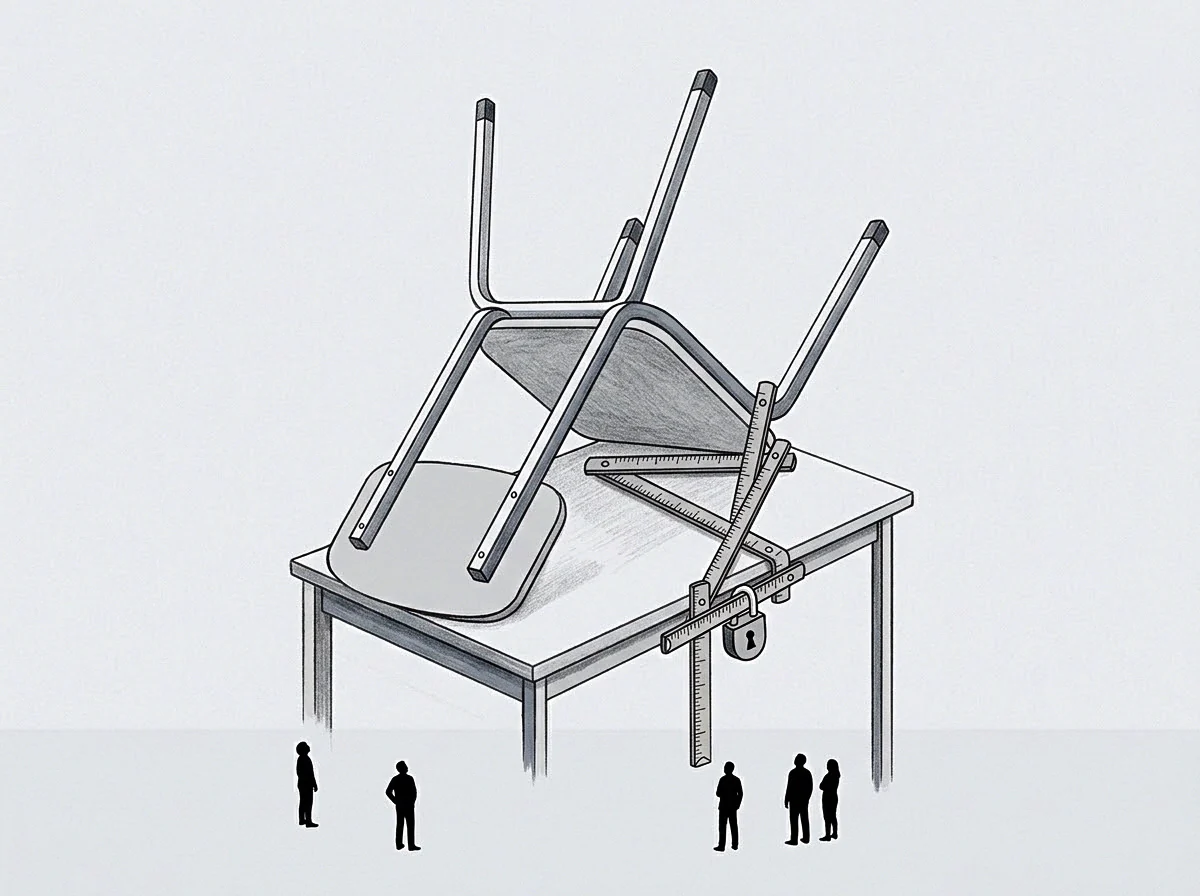
A transition protocol defines the structured transfer of specific executive responsibilities within a fixed temporal limit. During a bounded handover, the outgoing leader relinquishes authority over a designated business unit to a successor while remaining available solely for defined advisory tasks. This mechanism prevents the lingering founder from interfering with new leadership.
It establishes clear boundaries that protect the successor from oversight creep.
Organizational Cost
Relinquishing operational control demands a high level of discipline from a former leader who is accustomed to direct execution. The active effort required to remain passive during a successor’s transition drains cognitive energy. This process requires the outgoing executive to filter all communication through the new leader rather than contacting staff directly.
Consequently, the transition consumes significant attention even as the formal workload decreases.
Operational Boundary
The handover protocol terminates once the pre-arranged time window expires, regardless of whether the successor has mastered every duty. This rigid end date forces both parties to prioritize critical knowledge transfer over minor operational details. If unresolved issues remain at the deadline, the new leader assumes full responsibility and the former leader departs entirely.
Functional Outcome
Successful transitions establish a clear division of labor that minimizes organizational confusion during leadership changes. Employees adapt faster when they observe a clean break in the reporting structure. This clarity accelerates the integration of the incoming executive.