Meaning
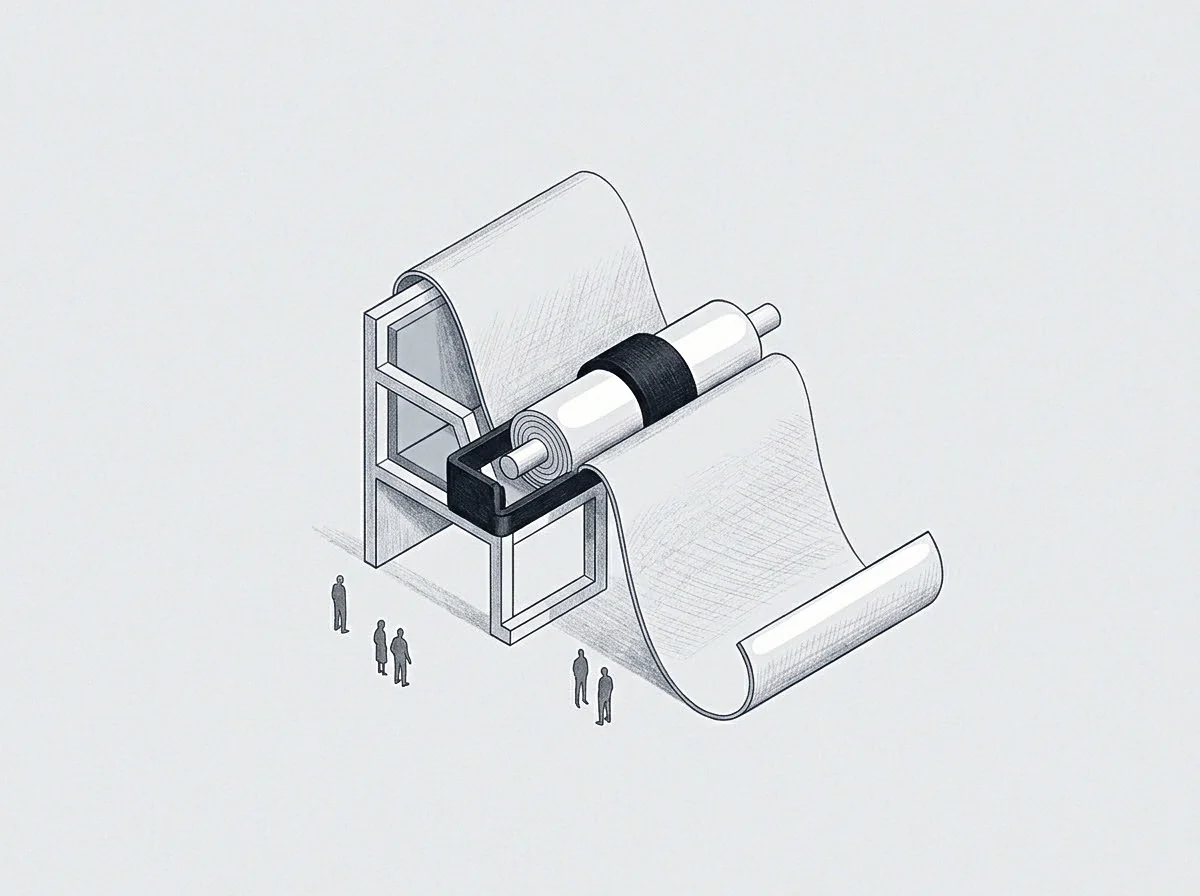
The divergence of parallel development streams from the primary codebase line increases the difficulty of subsequent integration. This divergence occurs when developers work on isolated tasks for extended periods without merging their changes back to the main branch. In version control, branch drift represents the accumulated differences in file structure, logic, and dependencies between the separate branch and the main line.
It measures the growing gap that must eventually be closed through manual coordination or automated tools.
Divergence Mechanism
Developers often choose to work in isolation to avoid interrupting their colleagues during complex feature builds. As they write code, the main branch continues to receive updates from other team members, widening the gap. This process of branch drift accelerates when team communication is low or when multiple files are modified simultaneously.
The resulting differences can affect database schemas, utility functions, and core configuration files.
Development Penalty
Resolving these structural differences demands intensive cognitive attention and hours of manual labor from the engineering staff. When the time comes to merge, the developer must sit with colleagues to resolve conflicting code lines one by one. This penalty reduces the velocity of the entire department and introduces the risk of regressions.
It converts what should be a routine administrative action into a high-risk event.
Mitigation Limit
Frequent synchronization with the main branch limits the growth of these differences but requires continuous developer attention. Once the main codebase undergoes a complete restructure, the branch drift becomes too severe to resolve.