Meaning
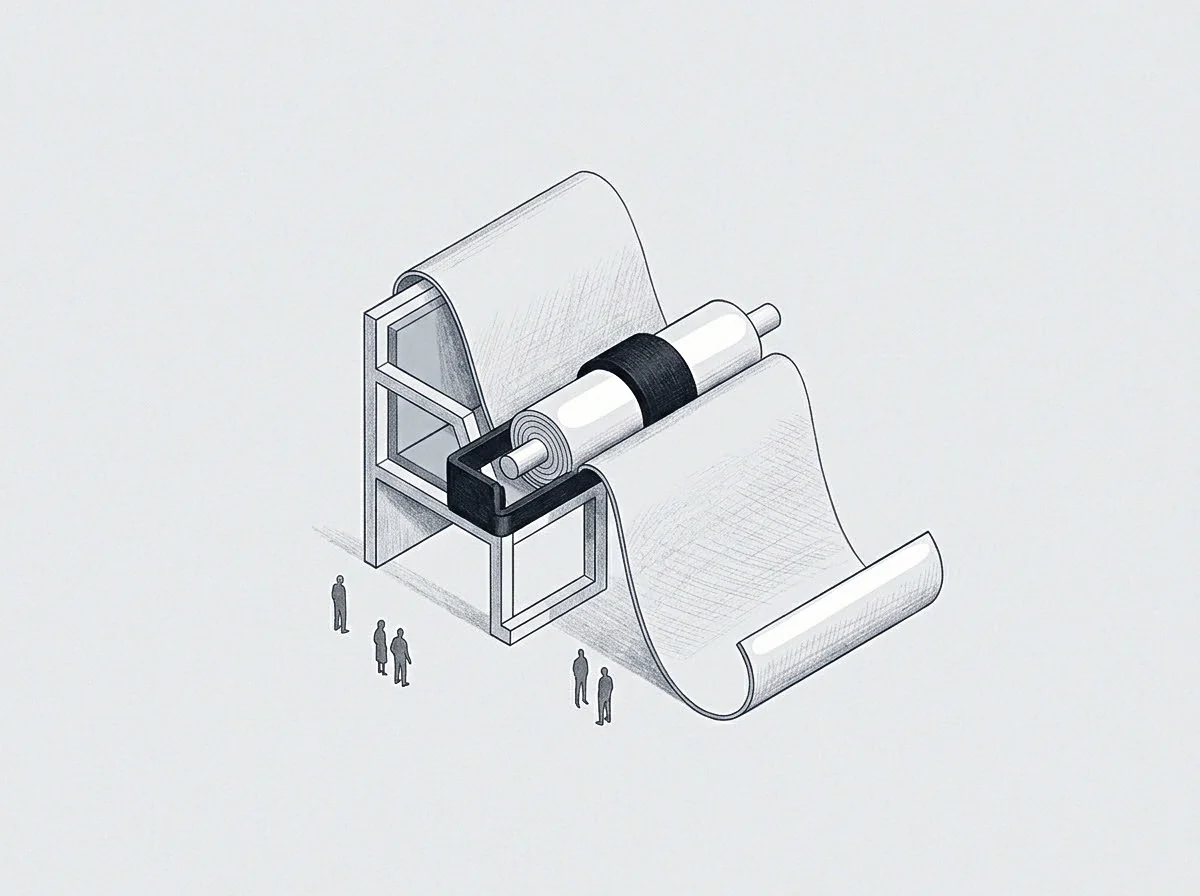
The primary sequence of code commits from which a software application is compiled and deployed to customers is the central line of development. This main branch remains in a deployable state through continuous automated testing and integration. In trunk-based development, the release trunk is the single source of truth for the entire engineering department.
It coordinates the contributions of all developers and ensures that new code does not disrupt the existing production environment.
Deployment Workflow
Code must pass a series of automated checks before it can be merged into this central development line. Once merged, the release trunk becomes the basis for the next production deployment, meaning any error introduced here can affect all users. This workflow encourages developers to submit small, frequent updates that are easy to test and revert if necessary.
It reduces the risk of large, catastrophic deployment failures by keeping changes incremental.
Maintenance Responsibility
Keeping the central development line stable requires a dedicated effort from the release engineering team. These specialists monitor the automated testing pipelines and quickly revert any changes that cause failures. This responsibility demands constant attention and a willingness to stop other development work when the main line is broken.
The cost of this maintenance is a necessary investment to ensure the continuous availability of the deployment pipeline.
Operational Limit
Enforcing a single line of release works efficiently for web applications but becomes difficult for distributed desktop software. When a company must support multiple old versions simultaneously, the single release trunk is no longer sufficient.