Meaning
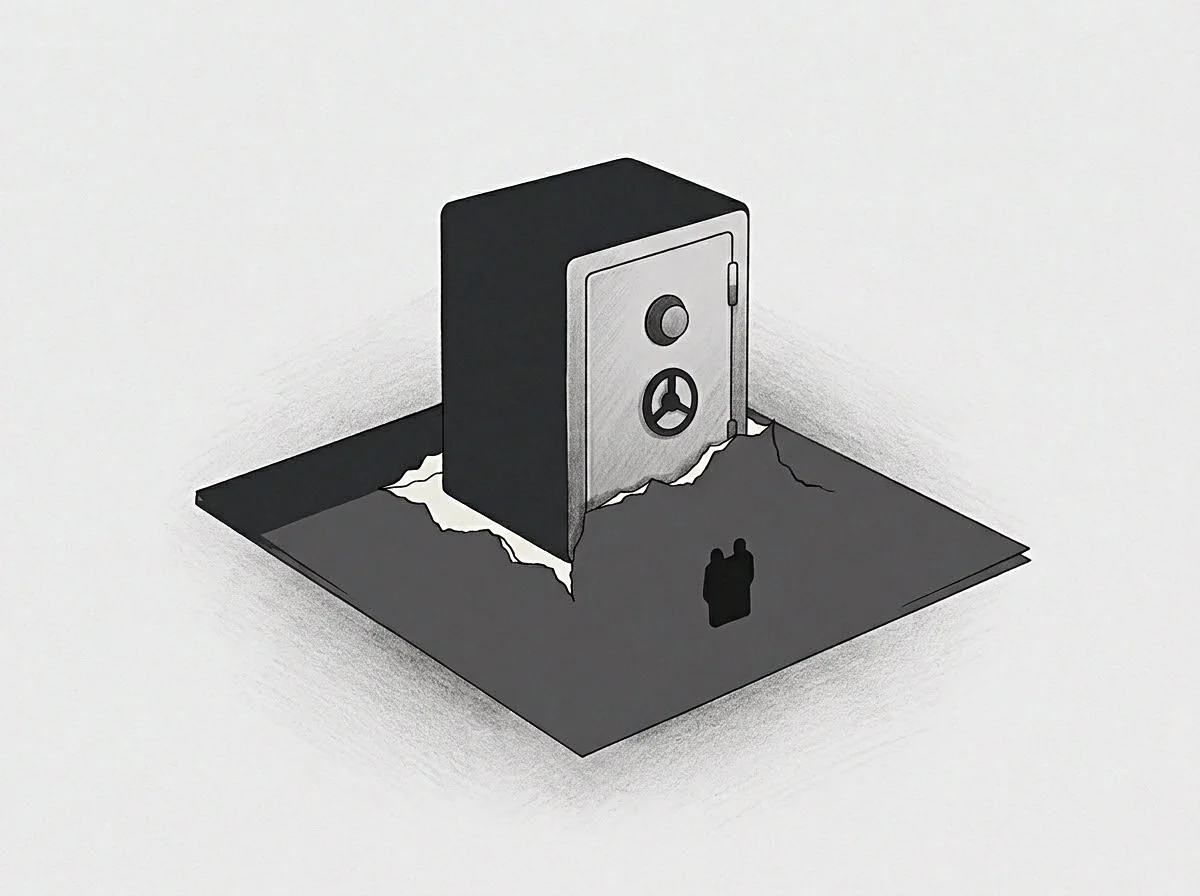
Resource levels for cognitive and emotional regulation decline as a result of sustained mental effort and decision making. This process of capacity depletion occurs when the rate of energy expenditure exceeds the rate of recovery over a given period. It affects the ability to resist impulses while maintaining focus on complex dynamics.
Once the available reserves are exhausted, the quality of decision making drops significantly and the individual becomes prone to heuristic based errors.
Recovery Requirement
Physiological and psychological recovery is the only mechanism for restoring depleted reserves. A strict recovery requirement involves total withdrawal from high demand tasks to allow the nervous system to return to its baseline. Without this interval, the depletion becomes cumulative and eventually leads to a total failure of the regulatory system.
High performing individuals often ignore this necessity until the costs become visible in their performance.
System Strain
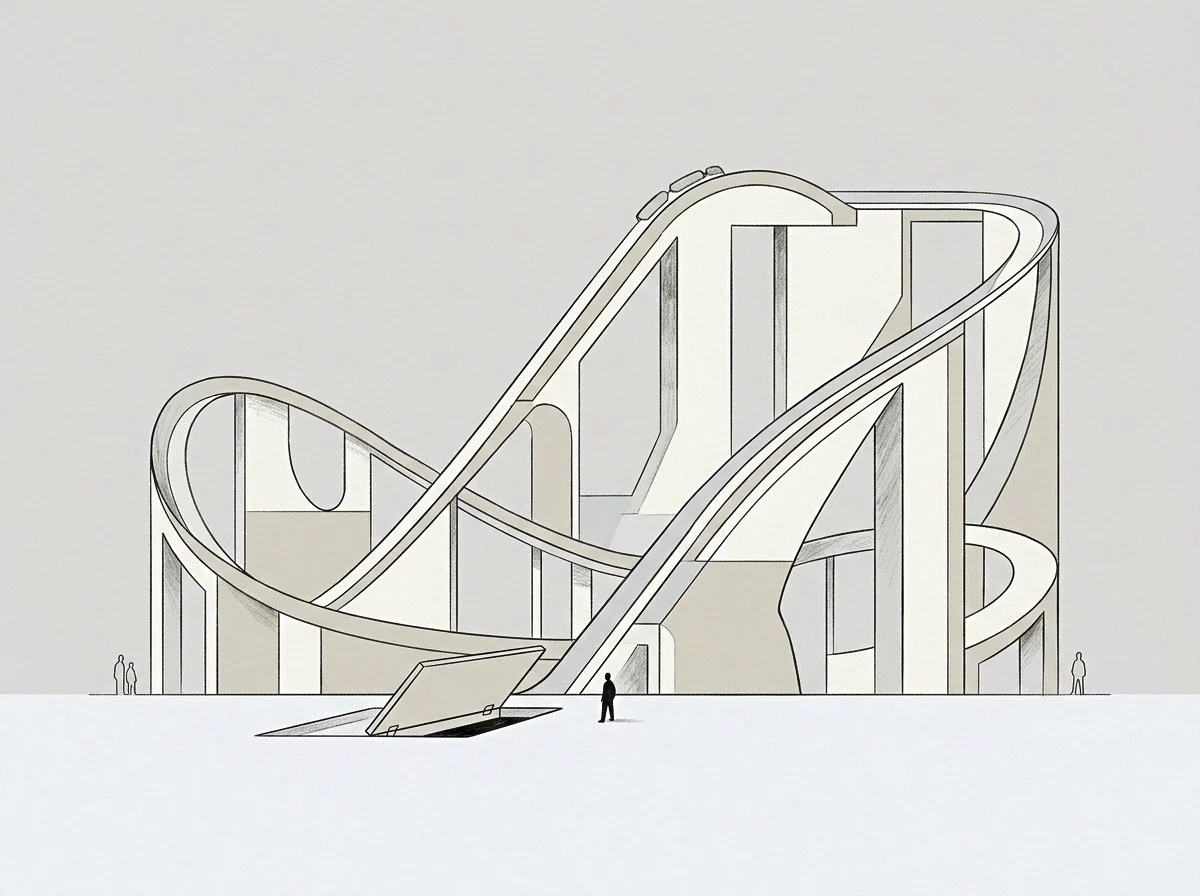
Cumulative load creates a persistent state of strain that alters how the brain prioritizes tasks. Under system strain, the focus narrows to immediate threats and ignores long term strategic goals. This shift is a survival mechanism designed to conserve remaining energy.
It results in a reactive stance where the founder only addresses the most urgent problems.
Limit Indicator
Output quality measurement provides the primary indicator of exhaustion. Declining performance marks the boundary.