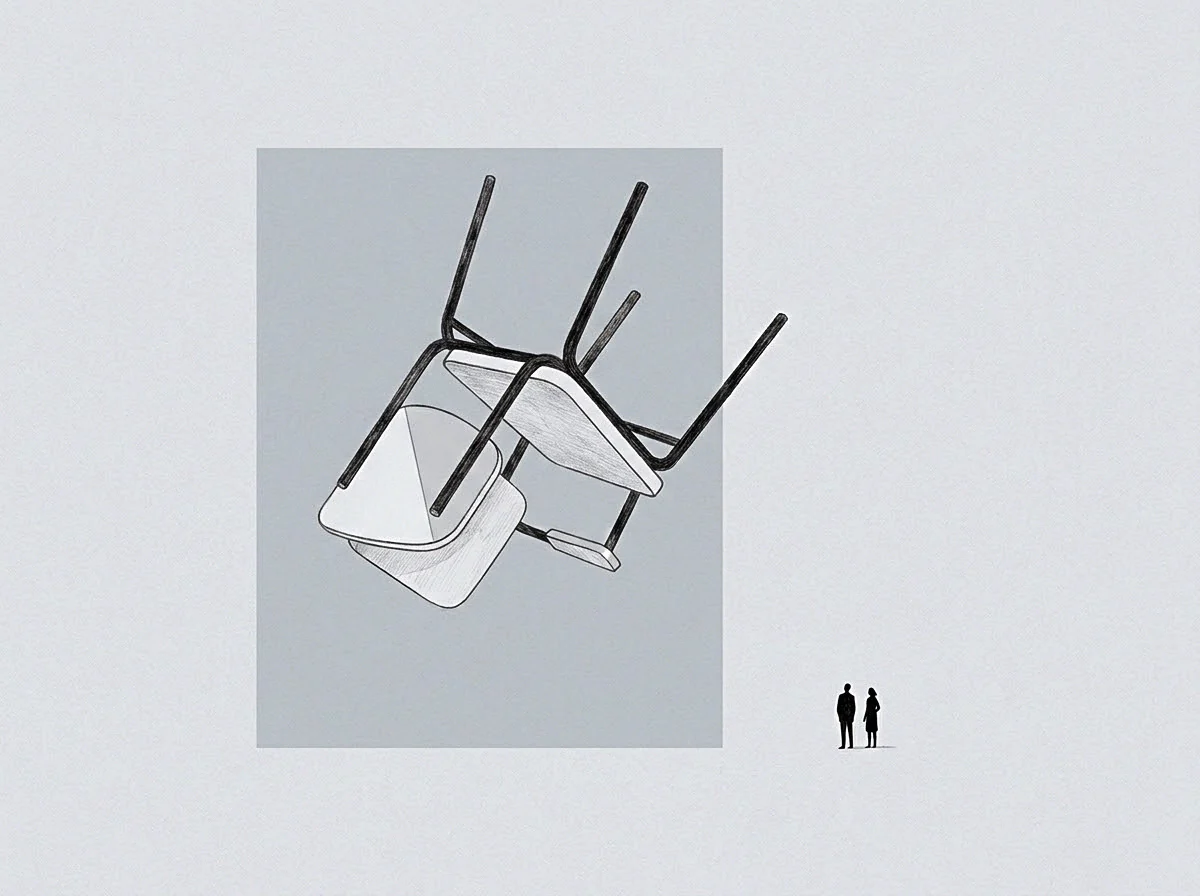
Meaning
Decision thresholds that prevent the intake of new commitments beyond a verified limit act as a primary defense against systemic exhaustion. The capacity gate functions as a procedural barrier that halts further processing when resource consumption reaches a predefined level. It establishes the maximum sustainable load a person or system can carry without performance degradation.
Flow Control
Restricting input allows the existing workload to reach completion without the interference of new demands. By maintaining a capacity gate, a founder protects the quality of output from the dilution caused by overextension. It acts as a governor on the speed of expansion.
Energy Cost
Monitoring the status of these barriers requires a constant expenditure of mental energy to evaluate which tasks deserve the remaining slots. Every decision to open or close the capacity gate consumes focus that might otherwise apply to execution. This cost is inherent to the role of a regulator and cannot be avoided through automation.
The load increases as the variety of incoming requests grows more complex.
Safety Buffer
Once the limit is met, the system redirects or drops incoming requests to preserve the integrity of the current operations. Failure to respect the capacity gate leads to a collapse of the social baseline as expectations outpace the ability to deliver.